AnswerThe best confetti options for birthday parties typically include
biodegradable tissue paper, metallic foil, or a mix of both, chosen based on the desired visual effect, ease of cleanup, and environmental considerations.
biodegradable tissue confetti offers a soft, floating effect and is ideal for outdoor…
TL;DR
- Beyond the basic material, several other factors play a crucial role in selecting the most suitable confetti for a birthday celebration.
- Choosing the right confetti options for birthday parties goes beyond mere aesthetics; it's about enhancing the celebratory atmosphere while considering practicalities and responsibilities.
- Yes, biodegradable confetti is designed to break down naturally over time, typically made from tissue paper or plant-based materials.
What Are The Best Confetti Options For Birthday Parties?
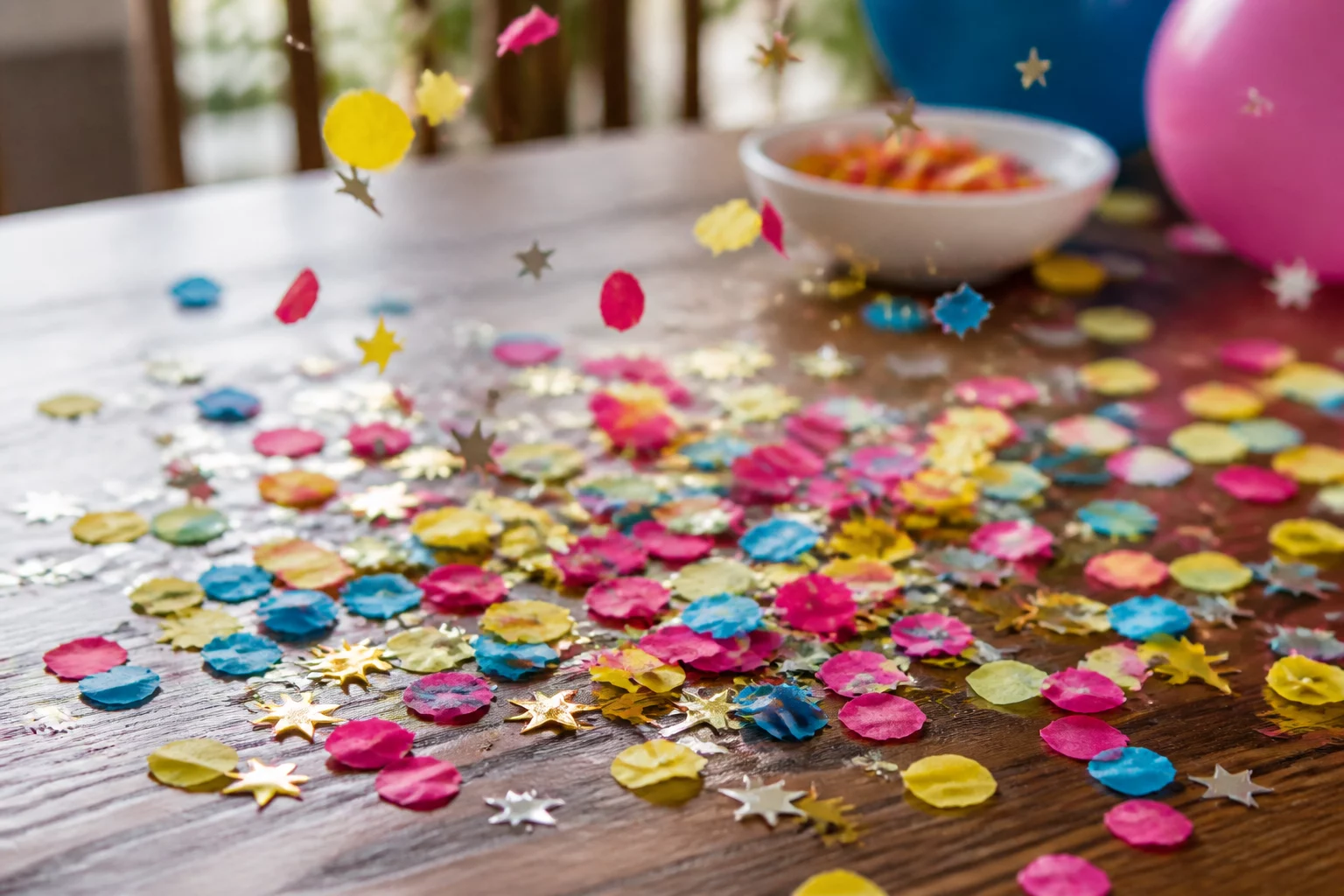
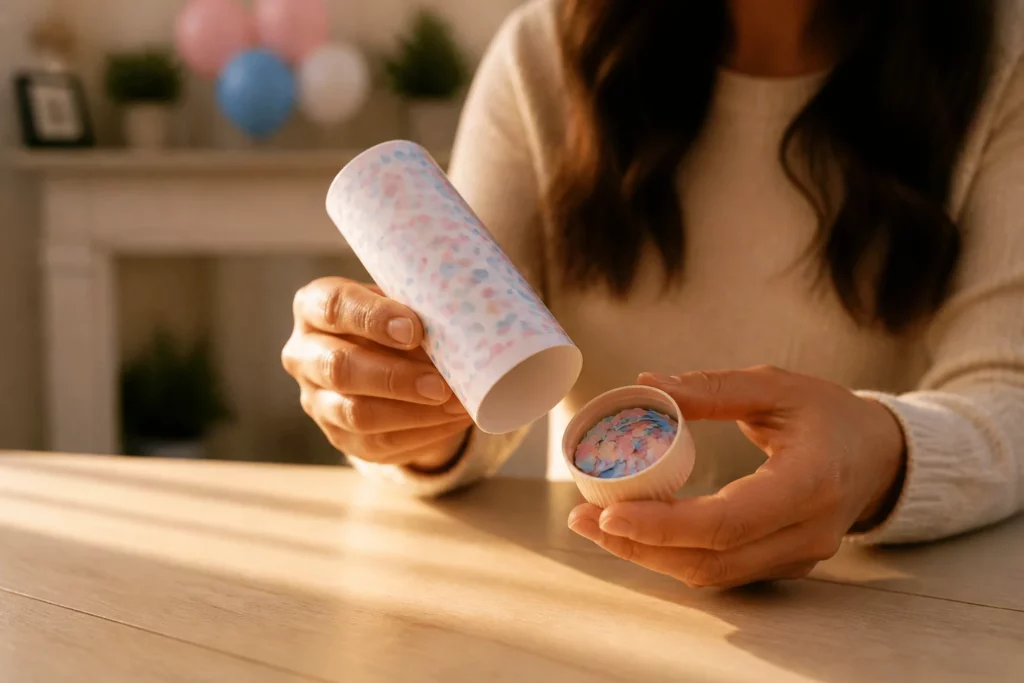
The best confetti options for birthday parties typically include biodegradable tissue paper, metallic foil, or a mix of both, chosen based on the desired visual effect, ease of cleanup, and environmental considerations. Biodegradable tissue confetti offers a soft, floating effect and is ideal for outdoor events or venues where eco-friendliness is a priority, as it naturally breaks down over time. Metallic foil confetti provides a dazzling, reflective sparkle that enhances photographs and creates a more dramatic visual impact, though it requires more diligent cleanup. For a balanced approach, many party planners opt for a blend of tissue and foil, combining the best attributes of both. The choice often hinges on the party’s theme, location, and the host’s preference for either a vibrant, eco-conscious celebration or a high-glamour, sparkling affair. For instance, a child’s outdoor garden party might favor large, colorful tissue confetti for easy dispersal and minimal environmental footprint, while an adult’s evening celebration could benefit from the reflective qualities of metallic confetti to catch ambient lighting.
Factors Influencing Confetti Choice confetti options for birthday parties
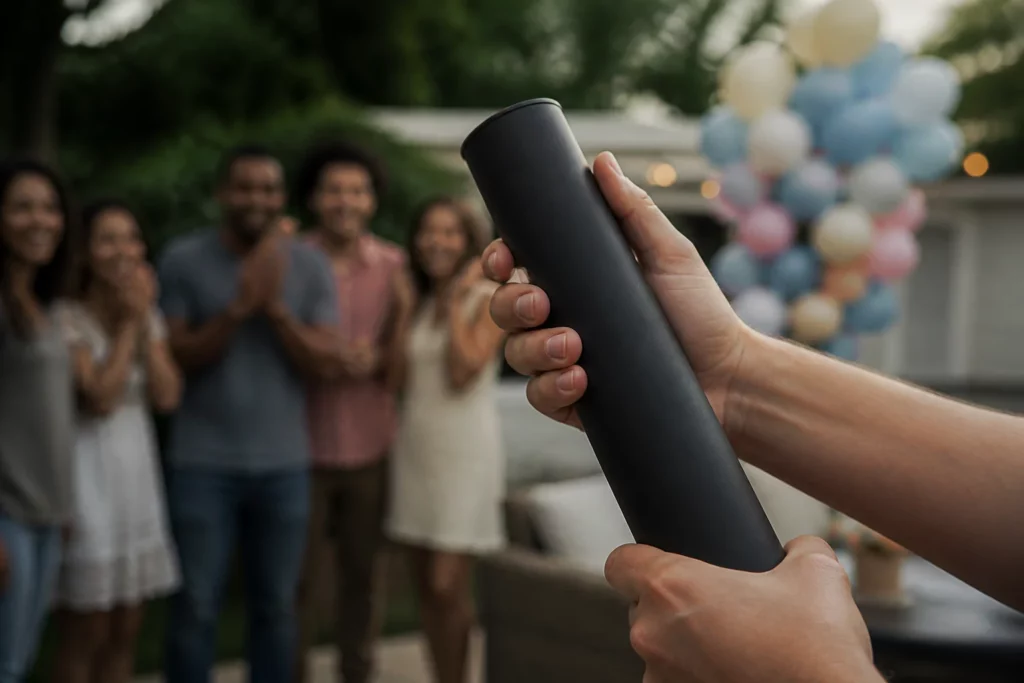
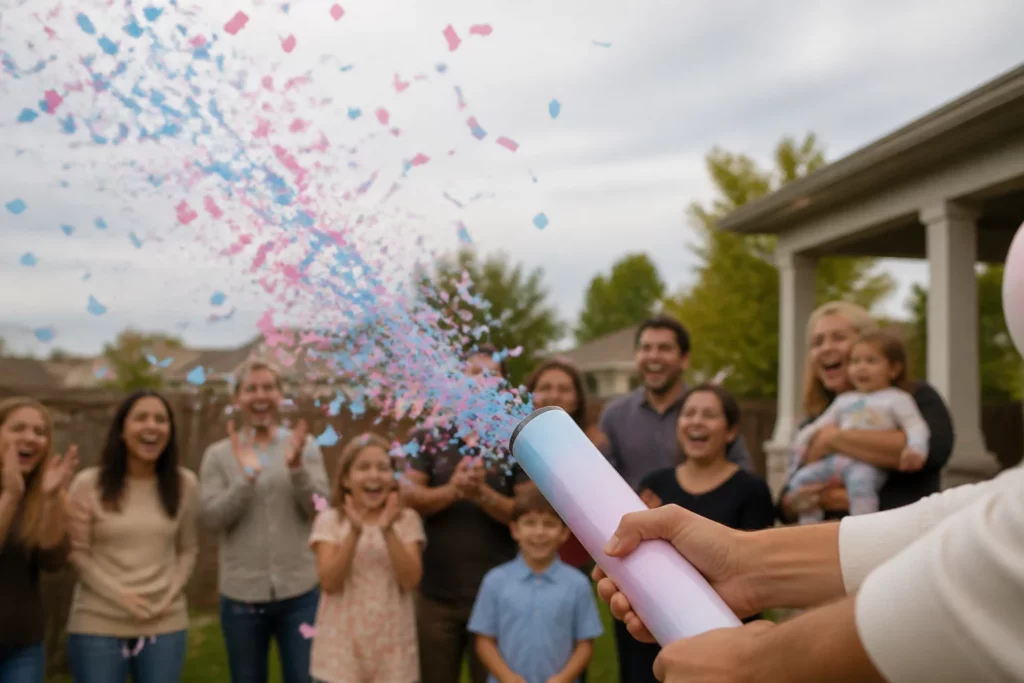
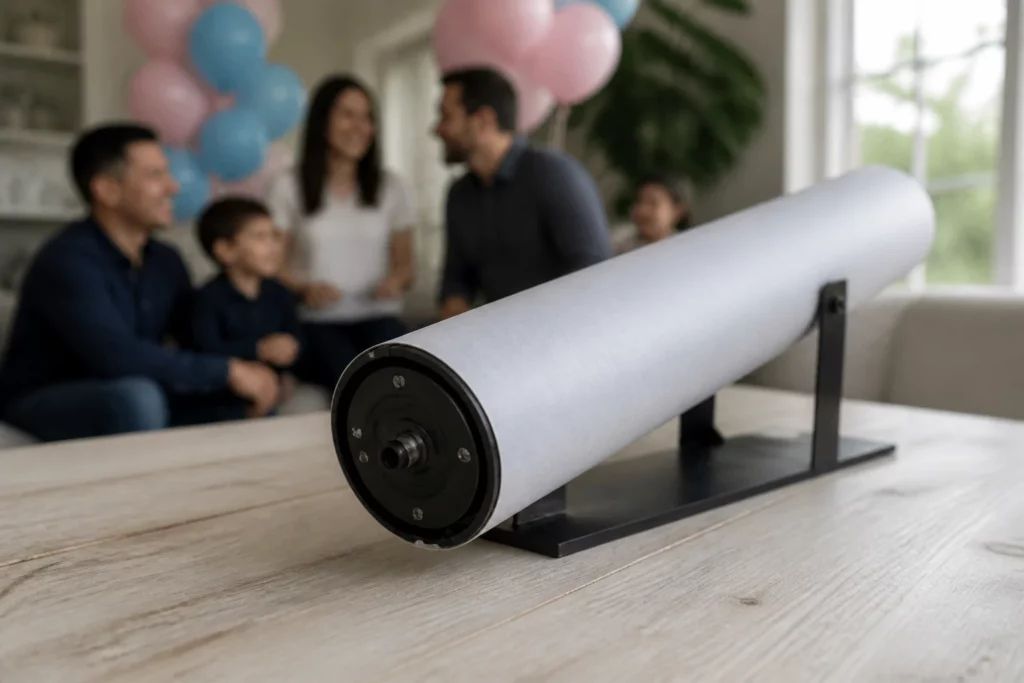
Beyond the basic material, several other factors play a crucial role in selecting the most suitable confetti for a birthday celebration. The method of dispersal, for instance, significantly impacts the type and size of confetti that will perform best. Hand-tossing small, lightweight tissue confetti creates a gentle, fluttering cascade, ideal for intimate gatherings or photo opportunities where a soft visual is desired. Conversely, confetti cannons or poppers, which use compressed air to launch confetti, often require specific sizes and shapes to ensure proper propulsion and a wide, even spread. Larger, more robust pieces of metallic or mixed confetti tend to work better in these devices, creating a more dramatic and widespread effect.
The color palette and shape of the confetti also contribute to the overall aesthetic and theme. While traditional rectangular or circular shapes are common, specialty shapes like stars, hearts, or even custom-cut numbers can add a personalized touch. For a child’s dinosaur-themed party, green and brown tissue confetti cut into dinosaur shapes would be a delightful addition, whereas a sophisticated adult’s milestone birthday might feature gold and silver metallic confetti in star shapes. The color scheme should complement the party’s decor, whether it’s a vibrant rainbow assortment for a playful atmosphere or elegant monochromatic tones for a more refined event. Considering the lighting conditions of the venue is also important; metallic confetti truly shines under direct or spotlights, while matte tissue confetti offers consistent color saturation regardless of illumination.
Cleanup Considerations for Different Confetti Types
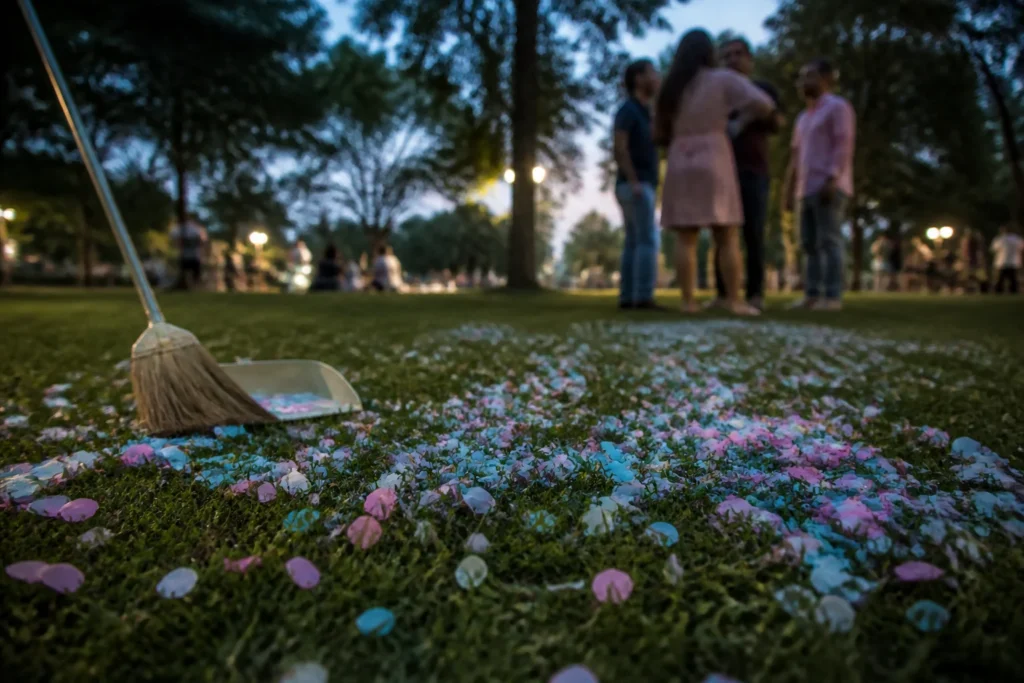
The ease of cleanup is a practical concern that often sways the final decision on confetti. Biodegradable tissue confetti, while environmentally friendly, can sometimes be more challenging to collect, especially if it becomes damp or is scattered across uneven outdoor surfaces like grass. Its lightweight nature means it can be carried by wind, potentially spreading over a larger area. For indoor events, a leaf blower on a low setting or a powerful vacuum cleaner can aid in gathering tissue confetti, but individual pieces may still cling to fabrics or furniture due to static electricity.
Metallic foil confetti, due to its reflective surface and slightly heavier weight, tends to be easier to spot and collect. It doesn’t absorb moisture in the same way as tissue, making it less prone to sticking to surfaces when wet. However, its small size can still make it tedious to pick up every last piece, particularly on carpeted floors where static can also be an issue. For large-scale events or venues with strict cleanup policies, opting for larger confetti pieces, regardless of material, can significantly reduce the time and effort required post-celebration. Some event organizers even employ specialized confetti vacuums designed to efficiently collect both tissue and foil confetti from various surfaces, highlighting the importance of planning for cleanup from the outset.
The environmental impact of confetti is another significant consideration, particularly for outdoor events or large-scale celebrations. While biodegradable tissue confetti is designed to break down naturally, the time it takes can vary depending on environmental conditions such as moisture, sunlight, and microbial activity. Some manufacturers now offer certified compostable confetti, which adheres to stricter standards for decomposition, often breaking down within weeks under industrial composting conditions, or a few months in a natural environment. This type of confetti is typically made from plant-based materials or recycled paper, dyed with non-toxic, water-soluble colors. In contrast, metallic foil confetti, being made from plastic, is not biodegradable and can persist in the environment for hundreds of years. This makes it a less suitable choice for outdoor venues, especially near bodies of water or in natural parks, where it could contribute to plastic pollution. According to environmental advocacy groups, even small pieces of plastic confetti can be ingested by wildlife, posing a risk to ecosystems. Therefore, for events prioritizing ecological responsibility, the choice leans heavily towards certified biodegradable or compostable options, even if they might require a slightly more involved cleanup process indoors.
Safety considerations also play a role in selecting confetti, particularly when children are present or when using dispersal methods like cannons. Non-toxic, flame-retardant confetti is a crucial safety feature, especially for indoor events where open flames (like birthday candles) might be present. Most reputable manufacturers of tissue confetti ensure their products meet these safety standards. For metallic confetti, ensuring the material is non-conductive is important if it will be used near electrical equipment or in venues with sensitive electronics. The size and shape of confetti also matter for safety; very small or irregularly shaped pieces could pose a choking hazard for young children or pets. Larger, softer tissue confetti is generally considered safer in environments with toddlers. When using confetti cannons, understanding the propulsion mechanism and ensuring proper handling is paramount. Cannons designed for single-use often contain a small charge of compressed air or nitrogen, and the confetti itself should be lightweight enough to disperse without excessive force, preventing injury. Industry guidelines, as of 2024, recommend checking for ASTM F963 (Standard Consumer Safety Specification for Toy Safety) compliance for confetti products intended for use around children, ensuring they meet specific safety benchmarks.
Crafting Unforgettable Moments with Confetti
Choosing the right confetti options for birthday parties goes beyond mere aesthetics; it’s about enhancing the celebratory atmosphere while considering practicalities and responsibilities. The decision often reflects the host’s values, whether that’s a commitment to environmental stewardship, a desire for maximum visual spectacle, or a balance of both. For instance, a milestone 50th birthday party held in a grand ballroom might benefit immensely from a dramatic burst of gold and silver metallic confetti from cannons, creating a luxurious, high-impact moment for photographs and guest delight. The reflective qualities of the metallic pieces would shimmer under the venue’s lighting, amplifying the sense of occasion. Cleanup, while potentially more involved, would be managed by the venue’s staff, making the visual effect the primary driver. Conversely, a first birthday celebration in a backyard garden might opt for large, pastel-colored tissue confetti, hand-tossed by guests. This creates a whimsical, gentle shower that is soft for little ones, easy to spot on grass, and will naturally decompose, aligning with an eco-conscious approach. The tactile experience of soft tissue confetti also adds a different dimension, inviting playful interaction without the concern of sharp edges or environmental residue.
The strategic use of confetti can also define different phases of a birthday party. A subtle sprinkle of themed tissue confetti on tables can serve as decorative elements during the initial mingling phase, setting the mood without overwhelming guests. Then, a more dramatic release of mixed confetti could mark a key moment, such as the cutting of the cake or the grand entrance of the birthday person. For a surprise party, a well-timed confetti explosion as the guest of honor walks in can create an unforgettable “reveal” moment, eliciting gasps and cheers. The volume and density of confetti also contribute to the overall effect. A light scattering provides a delicate touch, while a dense shower creates a truly immersive experience. Event planners often calculate the required amount of confetti based on the size of the venue and the desired effect, with a general rule of thumb being approximately 0.5 to 1 pound of confetti per 100 square feet for a moderate effect, or up to 2-3 pounds for a truly dense, celebratory cascade. This careful planning ensures that the confetti enhances, rather than detracts from, the overall birthday experience, leaving a lasting positive impression on all attendees.
Your Next Steps for a Sparkling Celebration
To ensure your birthday party confetti perfectly matches your vision, start by considering your venue and guest list. If you’re celebrating outdoors or with young children, prioritize biodegradable tissue confetti for safety and environmental peace of mind. For indoor events where glamour is key, metallic foil confetti can deliver that dazzling sparkle. Think about how you want to disperse the confetti—hand-tossing for a gentle effect or cannons for a dramatic burst—as this will influence the best type and size. Finally, always factor in cleanup; larger pieces, regardless of material, generally make post-party tidying easier. By weighing these elements, you can select confetti that not only looks fantastic but also aligns with your practical needs and values.
Bottom Line: The best confetti options for birthday parties balance visual impact with practical considerations like cleanup and environmental responsibility, with biodegradable tissue offering eco-friendliness and metallic foil providing dazzling sparkle.
Frequently Asked Questions
Is biodegradable confetti truly eco-friendly?
Yes, biodegradable confetti is designed to break down naturally over time, typically made from tissue paper or plant-based materials. It is a more environmentally conscious choice, especially for outdoor events, as it minimizes long-term ecological impact compared to plastic foil confetti.
Can I mix different types of confetti?
Absolutely, mixing biodegradable tissue and metallic foil confetti is a popular choice. This combination offers the soft float of tissue with the reflective sparkle of foil, creating a dynamic visual effect that combines the best attributes of both materials for a balanced celebration.
What’s the easiest confetti to clean up?
Generally, metallic foil confetti is easier to clean up than tissue confetti, especially indoors. Its slightly heavier weight and reflective surface make it more visible and less prone to sticking to surfaces when dry. Larger confetti pieces, regardless of material, also simplify cleanup.