How Do Modern Confetti Cannons Manage Safety and Efficiency?
The spectacle of a confetti cannon erupting in a burst of vibrant colors is a staple of celebrations worldwide, from sporting events to weddings. But behind the dazzling display lies a sophisticated piece of technology designed for both maximum visual impact and stringent safety. This article delves into the mechanics of modern confetti cannons, exploring how they achieve their impressive effects while prioritizing the well-being of operators and audiences. We’ll examine the key components, safety features, and operational best practices that define the current state of confetti cannon technology, and how advancements in materials and design are shaping the future of celebratory pyrotechnics. We’ll also touch on the use of compressed air and CO2 cartridges in these devices.
Confetti Cannon Mechanics and Operation
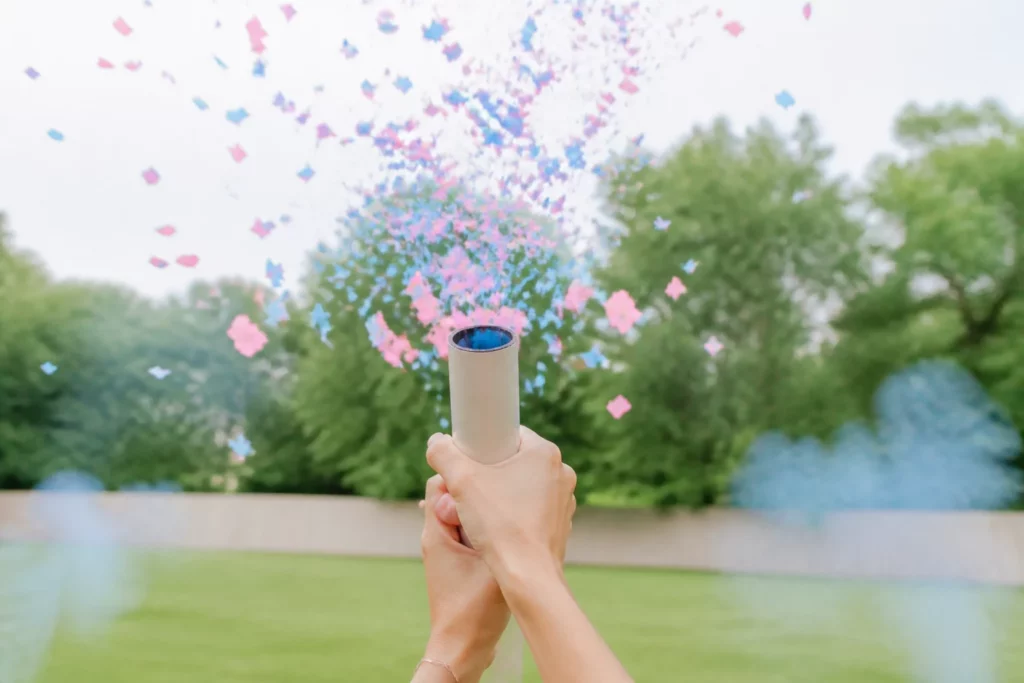
Modern confetti cannons are a far cry from the simple noisemakers of the past. They are engineered systems that rely on a combination of pressurized gas, precise timing, and carefully selected materials to deliver a controlled and visually stunning effect. The core principle involves using compressed gas, typically CO2 or compressed air, to propel confetti or streamers from a barrel at high velocity. The gas is stored in a cartridge or tank and released through a valve mechanism, which is often electronically controlled for precise timing and synchronization with music or other event cues. The barrel itself is designed to optimize the trajectory and dispersal pattern of the confetti, ensuring a wide and even coverage area. Different nozzle designs can create varying effects, from a concentrated burst to a wide, cascading shower of color.
The choice of gas plays a crucial role in the performance of a confetti cannon. CO2, for example, offers a high pressure-to-volume ratio, making it suitable for applications where a powerful burst is needed in a compact package. Compressed air, on the other hand, is often preferred for larger-scale deployments where a sustained effect is desired. The pressure of the gas is carefully regulated to ensure consistent performance and prevent over-pressurization, which could pose a safety hazard. Modern cannons often incorporate pressure gauges and relief valves to monitor and control the gas pressure in real-time. Furthermore, the type of confetti used can impact the cannon’s performance. Lightweight materials like tissue paper are ideal for creating a slow-falling, visually appealing effect, while heavier materials like metallic foil can achieve a more dramatic, high-impact burst.
The operation of a confetti cannon typically involves a trained technician who is responsible for loading the confetti, connecting the gas supply, and triggering the launch. In many professional setups, multiple cannons are synchronized and controlled remotely using a central control system. This allows for complex choreographed displays that are perfectly timed to music or other event elements. The control system can also monitor the status of each cannon, providing real-time feedback on pressure levels and other critical parameters. Before each use, a thorough inspection of the cannon and its components is essential to ensure that everything is in good working order. This includes checking for leaks in the gas lines, verifying the functionality of the valve mechanism, and inspecting the barrel for any obstructions. Proper maintenance and storage are also crucial for ensuring the longevity and reliability of the equipment.
Safety Features in Modern Confetti Cannons
Safety is paramount in the design and operation of modern confetti cannons. Manufacturers incorporate a range of features to minimize the risk of accidents and injuries. One of the most important safety measures is the use of pressure relief valves, which automatically release excess pressure if the gas supply exceeds a safe level. This prevents the cannon from over-pressurizing and potentially exploding. Another key safety feature is the inclusion of safety interlocks, which prevent the cannon from being fired if certain conditions are not met. For example, an interlock might prevent the cannon from firing if the barrel is not properly secured or if the gas supply is not connected correctly. These interlocks help to prevent accidental discharges and ensure that the cannon is only operated under safe conditions.
In addition to hardware-based safety features, modern confetti cannons also incorporate software-based safety controls. These controls can monitor the performance of the cannon in real-time and automatically shut it down if any anomalies are detected. For example, the control system might monitor the pressure levels, temperature, and voltage of the cannon and shut it down if any of these parameters exceed safe limits. Software-based controls can also provide diagnostic information to help technicians troubleshoot problems and prevent future incidents. Furthermore, the materials used in the construction of confetti cannons are carefully selected to ensure that they are strong, durable, and resistant to corrosion. The barrels are typically made of high-strength steel or aluminum, while the gas lines are made of reinforced rubber or plastic. These materials are designed to withstand the high pressures and stresses associated with repeated use.
Operator training is another critical aspect of confetti cannon safety. Technicians who operate these devices must be properly trained in their safe use and maintenance. Training programs typically cover topics such as gas handling, pressure regulation, troubleshooting, and emergency procedures. Operators should also be familiar with the relevant safety regulations and standards. Many jurisdictions require operators to be certified or licensed before they can operate confetti cannons at public events. Regular inspections and maintenance are also essential for ensuring the continued safety of confetti cannons. These inspections should be performed by qualified technicians and should include a thorough examination of all components, including the barrel, gas lines, valves, and control system. Any damaged or worn parts should be replaced immediately. Proper storage is also important for preventing damage and corrosion. Cannons should be stored in a dry, well-ventilated area away from direct sunlight and extreme temperatures.
Confetti Types and Their Effects
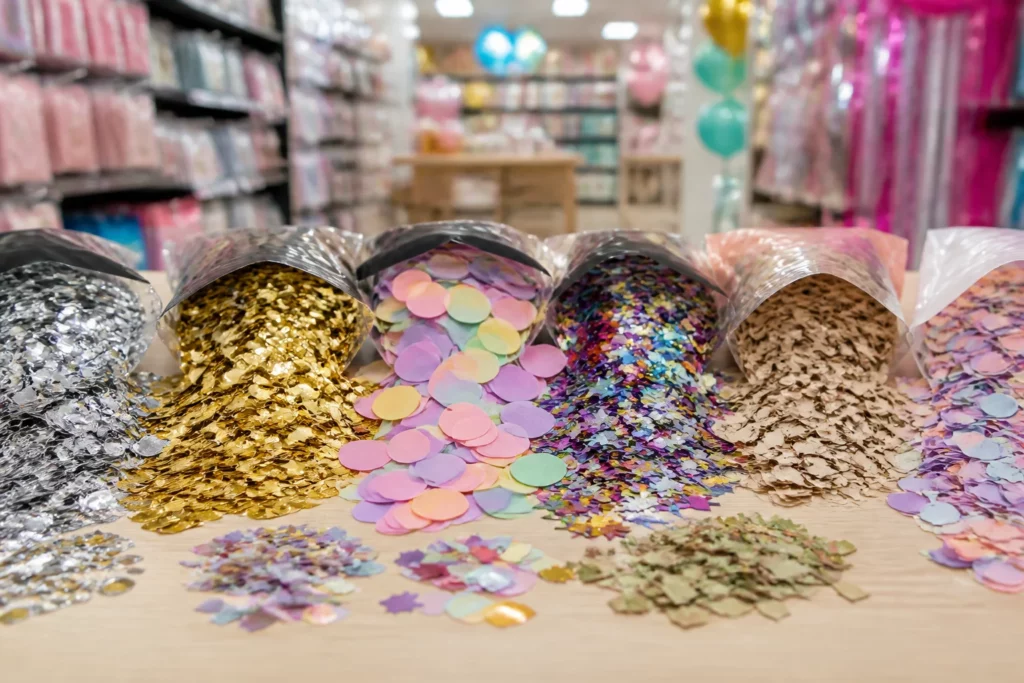
The type of confetti used in a cannon significantly impacts the visual effect. Tissue paper confetti, being lightweight, creates a slow, graceful descent, ideal for creating a dreamy, romantic atmosphere. Metallic confetti, on the other hand, is heavier and reflects light brilliantly, producing a dazzling, high-energy burst. Biodegradable confetti options are also increasingly popular, offering an environmentally conscious alternative without sacrificing visual appeal. These are often made from rice paper or other plant-based materials that decompose naturally over time. The size and shape of the confetti also play a role. Smaller confetti creates a denser, more concentrated effect, while larger pieces offer better visibility and a more dramatic impact. Streamers, long ribbons of paper or foil, add a dynamic element to the display, creating a sense of movement and excitement.
The color of the confetti is another important consideration. A single color can create a bold, impactful statement, while a mix of colors adds vibrancy and energy. Some events even use custom-printed confetti with logos or messages, adding a personalized touch to the celebration. The choice of confetti should be carefully considered based on the event’s theme, the desired visual effect, and environmental considerations. For example, a wedding might opt for white or pastel-colored tissue paper confetti, while a sporting event might choose brightly colored metallic confetti. The density of confetti loading also affects the display. Overloading can cause clumping and reduce the dispersal distance, while underloading may result in a less impressive effect. Experimentation and careful calibration are key to achieving the desired outcome.
Here’s a comparison of common confetti types:
| Confetti Type |
Material |
Effect |
Best Use Cases |
Environmental Impact |
| Tissue Paper |
Paper |
Slow, graceful descent |
Weddings, romantic events |
Low (if recycled paper is used) |
| Metallic Foil |
Mylar or other metalized plastic |
Bright, reflective burst |
Sporting events, high-energy celebrations |
High (unless biodegradable options are used) |
| Biodegradable |
Rice paper, plant-based materials |
Similar to tissue paper |
Environmentally conscious events |
Very Low |
| Streamers |
Paper or foil |
Dynamic, flowing movement |
Concerts, grand openings |
Variable (depending on material) |
Optimizing Confetti Dispersion
Achieving optimal confetti dispersion requires careful attention to several factors, including the cannon’s angle, the type of nozzle used, and the prevailing wind conditions. The angle of the cannon should be adjusted to maximize the coverage area and prevent the confetti from falling too close to the launch point. Different nozzle designs can create varying dispersal patterns, from a concentrated stream to a wide, fan-shaped spray. Wind conditions can significantly affect the trajectory of the confetti, so it’s important to take them into account when positioning the cannons and adjusting the launch parameters. In windy conditions, it may be necessary to increase the launch angle or use heavier confetti to compensate for the wind’s effect. It’s also important to ensure that the confetti is evenly distributed within the barrel to prevent clumping and ensure a consistent launch. Some cannons use internal agitators to keep the confetti moving and prevent it from settling.
Consider this scenario: A large outdoor concert is planned, and the organizers want to use confetti cannons to enhance the finale. The venue is known for experiencing unpredictable wind gusts. To mitigate the risk of uneven confetti distribution, the technicians use cannons with adjustable nozzles that can be widened or narrowed depending on the wind conditions. They also opt for a slightly heavier biodegradable confetti to minimize the wind’s impact. During the soundcheck, they perform test launches to fine-tune the cannon angles and nozzle settings, ensuring that the confetti covers the entire audience area evenly, even with occasional wind gusts. This proactive approach ensures a spectacular and safe confetti display, regardless of the weather.
Operational Best Practices for Confetti Cannons
Safe and effective operation of confetti cannons requires adherence to a set of best practices. These practices cover everything from pre-event planning to post-event cleanup. Before each event, a thorough risk assessment should be conducted to identify potential hazards and implement appropriate safety measures. This assessment should consider factors such as the size of the venue, the number of attendees, the proximity of the audience to the cannons, and the prevailing weather conditions. A detailed operating procedure should be developed and followed by all personnel involved in the operation of the cannons. This procedure should outline the steps for loading, aiming, firing, and maintaining the cannons, as well as emergency procedures in case of malfunctions or accidents.
During the event, a designated safety officer should be responsible for monitoring the operation of the cannons and ensuring that all safety protocols are followed. This officer should have the authority to stop the operation if any unsafe conditions are detected. After the event, a thorough inspection of the cannons should be conducted to identify any damage or wear. The cannons should be cleaned and stored properly to prevent corrosion and ensure their longevity. The confetti should be cleaned up promptly to prevent littering and environmental damage. In some jurisdictions, there are specific regulations regarding the disposal of confetti, particularly if it contains metallic materials. It’s important to be aware of these regulations and comply with them.
Here are a few key operational steps:
- Pre-Event Inspection: Thoroughly inspect all cannon components, including gas lines, valves, and barrels, for any signs of damage or wear.
- Confetti Loading: Load the confetti evenly into the barrel, avoiding overfilling or clumping.
- Safety Check: Verify that all safety interlocks are functioning correctly and that the pressure relief valve is unobstructed.
- Clearance: Ensure that the area in front of the cannon is clear of obstructions and that the audience is at a safe distance.
- Communication: Establish clear communication protocols between the operator, the safety officer, and other event personnel.
“Proper training and adherence to safety protocols are essential for preventing accidents and ensuring the safe and enjoyable use of confetti cannons,” says a safety consultant specializing in pyrotechnic effects. “A well-trained operator is more likely to identify potential hazards and take corrective action before they lead to an incident.”
Advancements and the Future of Confetti Cannons
The technology behind confetti cannons is constantly evolving, with advancements in materials, design, and control systems leading to safer, more efficient, and more visually stunning displays. One area of innovation is the development of more powerful and compact gas cartridges, allowing for longer-lasting and more dramatic bursts. Another trend is the increasing use of digital control systems, which enable precise timing and synchronization of multiple cannons, creating complex choreographed displays. These systems often incorporate advanced features such as real-time monitoring of pressure levels, temperature, and other critical parameters, enhancing both safety and performance. The use of biodegradable and sustainable materials is also gaining traction, driven by growing environmental awareness. Manufacturers are exploring new materials and manufacturing processes to reduce the environmental impact of confetti cannons without compromising their visual appeal.
The integration of artificial intelligence (AI) and machine learning (ML) is another promising area of development. AI-powered systems can analyze real-time data from sensors and cameras to optimize the launch parameters of the cannons, taking into account factors such as wind conditions, audience density, and the desired visual effect. ML algorithms can also be used to predict potential malfunctions and alert operators to take corrective action before they lead to an incident. Furthermore, virtual reality (VR) and augmented reality (AR) technologies are being used to simulate confetti cannon displays, allowing event planners to visualize the effect before the actual event. This helps them to optimize the placement of the cannons and fine-tune the launch parameters to achieve the desired visual impact. The future of confetti cannons is likely to be characterized by increased automation, enhanced safety features, and a greater emphasis on sustainability.
The use of compressed air and CO2 cartridges in these devices is also being refined. New cartridge designs are focusing on increased safety and reliability, with features such as over-pressure protection and improved sealing mechanisms. Research is also being conducted on alternative propellants, such as nitrogen, which offers a similar performance to CO2 but is less harmful to the environment. The development of reusable and refillable cartridges is another area of focus, aiming to reduce waste and lower the overall cost of operation. These advancements are paving the way for a new generation of confetti cannons that are not only more spectacular but also more environmentally responsible and cost-effective. The confetti cannon is a celebration device that will continue to evolve.
Unleash the Wow Factor: Confetti Cannon Display Secrets
Beyond the technical aspects, the artistry of confetti cannon displays lies in understanding how to create a truly memorable experience. This involves considering the event’s overall theme, the target audience, and the desired emotional impact. For instance, a corporate product launch might benefit from a precisely timed burst of confetti in the company’s colors, while a music festival could feature a continuous stream of vibrant, multi-colored confetti throughout the performance. The key is to integrate the confetti display seamlessly into the event’s narrative, enhancing the overall atmosphere and creating a sense of excitement and wonder. The element of surprise is also crucial. A well-timed confetti burst can be a powerful way to punctuate a key moment, such as the climax of a song or the announcement of a winner. However, it’s important to avoid overuse, as too much confetti can become overwhelming and detract from the overall experience. Careful planning and execution are essential for creating a confetti cannon display that is both visually stunning and emotionally resonant.
The psychological impact of confetti should not be underestimated. The sudden burst of color and movement can trigger a release of dopamine, the neurotransmitter associated with pleasure and reward. This can create a feeling of euphoria and excitement, making the event more memorable and enjoyable for attendees. Furthermore, the act of being showered in confetti can create a sense of connection and shared experience, fostering a sense of community among the audience. This is particularly true at large-scale events, where the confetti display can create a unifying moment that brings everyone together. However, it’s important to be mindful of individuals who may be sensitive to sudden noises or visual stimuli. Providing advance notice of the confetti display and offering designated “quiet zones” can help to ensure that everyone can enjoy the event comfortably. The choice of confetti color can also influence the emotional response. Warm colors like red and orange tend to evoke feelings of excitement and energy, while cool colors like blue and green can create a more calming and relaxing atmosphere.
Consider the case of a recent New Year’s Eve celebration in Times Square. The organizers wanted to create a truly unforgettable experience for the millions of revelers gathered to watch the ball drop. They deployed a network of confetti cannons strategically positioned around the square, loaded with a mix of metallic and biodegradable confetti in a rainbow of colors. As the clock struck midnight, the cannons unleashed a massive confetti storm, creating a breathtaking spectacle that was broadcast around the world. The event was widely praised for its visual impact and its ability to create a sense of joy and celebration. However, the organizers also faced challenges in terms of crowd control and cleanup. They worked closely with local authorities to ensure that the event was safe and well-managed, and they deployed a team of volunteers to clean up the confetti after the celebration. This example highlights the importance of careful planning and execution when organizing large-scale confetti cannon displays.
Confetti Cannon Considerations: Making the Right Choice
Selecting the right confetti cannon for a particular event involves considering a variety of factors, including the size of the venue, the desired effect, and the budget. Smaller venues may only require a few handheld cannons, while larger venues may need a network of high-powered cannons to achieve the desired coverage. The type of confetti also plays a role, as heavier confetti requires more powerful cannons to launch it effectively. The power source is another important consideration. Some cannons use compressed air, while others use CO2 or nitrogen. Compressed air cannons are generally less expensive to operate, but they may not be as powerful as CO2 or nitrogen cannons. CO2 cannons offer a good balance of power and cost-effectiveness, while nitrogen cannons are the most powerful but also the most expensive. The control system is another factor to consider. Some cannons are manually operated, while others are controlled by a computer system. Computer-controlled cannons offer greater precision and flexibility, allowing for complex choreographed displays. Ultimately, the best confetti cannon for a particular event will depend on the specific needs and budget of the event organizer.
The cost of operating confetti cannons can vary widely depending on the type of cannon, the type of confetti, and the frequency of use. Compressed air cannons are generally the least expensive to operate, as they only require a source of compressed air. CO2 cannons require a supply of CO2 cartridges, which can be purchased or rented. Nitrogen cannons require a supply of nitrogen gas, which is typically purchased in bulk. The cost of confetti can also vary depending on the material and the quantity purchased. Tissue paper confetti is generally the least expensive, while metallic confetti is more expensive. Biodegradable confetti may be slightly more expensive than tissue paper confetti, but it is a more environmentally friendly option. In addition to the cost of the cannons and the confetti, there may also be costs associated with operator training, insurance, and permits. It’s important to factor in all of these costs when budgeting for a confetti cannon display. A detailed cost analysis can help event organizers to make informed decisions about the type of confetti cannon to use and the scale of the display.
The environmental impact of confetti cannons is a growing concern, particularly with the increasing awareness of plastic pollution. Traditional metallic confetti is often made from Mylar, a type of plastic that does not readily biodegrade. This can lead to littering and environmental damage, particularly in outdoor venues. Biodegradable confetti options are becoming increasingly popular as a more sustainable alternative. These are typically made from rice paper or other plant-based materials that decompose naturally over time. However, it’s important to ensure that the biodegradable confetti is truly biodegradable and that it is disposed of properly after the event. Some biodegradable confetti may require specific composting conditions to break down effectively. Event organizers should also consider the potential impact of confetti on local wildlife. In some areas, confetti can be mistaken for food by birds or other animals, which can lead to health problems. Choosing confetti colors that blend in with the natural environment can help to minimize this risk. By making informed choices about the type of confetti used and the disposal methods employed, event organizers can minimize the environmental impact of confetti cannon displays.
Confetti Cannon Case Study: A Symphony of Color
The Sydney Opera House recently hosted a gala event celebrating its 50th anniversary. The event culminated in a breathtaking confetti cannon display synchronized with a live orchestral performance. The organizers used a network of computer-controlled cannons, strategically positioned around the venue, to create a symphony of color and movement. The confetti was a custom blend of metallic and biodegradable materials, carefully chosen to complement the music and the architecture of the Opera House. The display was meticulously choreographed to coincide with the climax of the performance, creating a truly unforgettable experience for the audience. The event was widely praised for its artistic merit and its technical innovation. The success of the Sydney Opera House event demonstrates the potential of confetti cannons to create truly spectacular and memorable experiences when used creatively and thoughtfully.
Elevate Your Event: Discover the Perfect Confetti Cannon Solution
Confetti cannons have evolved from simple celebratory devices into sophisticated tools for creating immersive and unforgettable experiences. From enhanced safety features and diverse confetti options to optimized dispersion techniques and environmentally conscious materials, modern confetti cannons offer a wide range of possibilities for event planners and performers. By understanding the nuances of confetti cannon technology and adhering to best practices for operation, you can harness the power of confetti to elevate your event to new heights.
Ready to Transform Your Next Event?
Explore the possibilities of confetti cannons and discover how they can add a touch of magic and excitement to your next celebration. Contact a reputable supplier today to discuss your specific needs and find the perfect confetti cannon solution for your event. What unforgettable moment will you create?
Q: What is the effective range of a typical confetti cannon?
A: The effective range can vary depending on the size and power of the cannon, but most can launch confetti between 20 and 80 feet.
Q: Can confetti cannons be used indoors?
A: Yes, but it’s important to ensure that the venue has adequate ventilation and that the confetti is cleaned up promptly after the event.
Q: Are there any restrictions on the use of confetti cannons at public events?
A: Yes, many jurisdictions require permits or licenses for the use of confetti cannons at public events. It’s important to check with local authorities to ensure compliance with all applicable regulations.