Free shipping on orders over $300 (Excluding Confetti Machines)
Make Every Moment More Colorful
Trusted by 10,000+ Celebrations
Open M-F 9AM–5PM
Free shipping on orders over $300 (Excluding Confetti Machines)
Open M-F 9AM–5PM
Free shipping on orders over $300 (Excluding Confetti Machines)
Open M-F 9AM–5PM
Free shipping on orders over $300 (Excluding Confetti Machines)
Open M-F 9AM–5PM
Free shipping on orders over $300 (Excluding Confetti Machines)
Open M-F 9AM–5PM
Free shipping on orders over $300 (Excluding Confetti Machines)
Make Every Moment More Colorful
Trusted by 10,000+ Celebrations
Open M-F 9AM–5PM
Free shipping on orders over $300 (Excluding Confetti Machines)
Open M-F 9AM–5PM
Free shipping on orders over $300 (Excluding Confetti Machines)
Open M-F 9AM–5PM
Free shipping on orders over $300 (Excluding Confetti Machines)
Open M-F 9AM–5PM
Free shipping on orders over $300 (Excluding Confetti Machines)
Open M-F 9AM–5PM
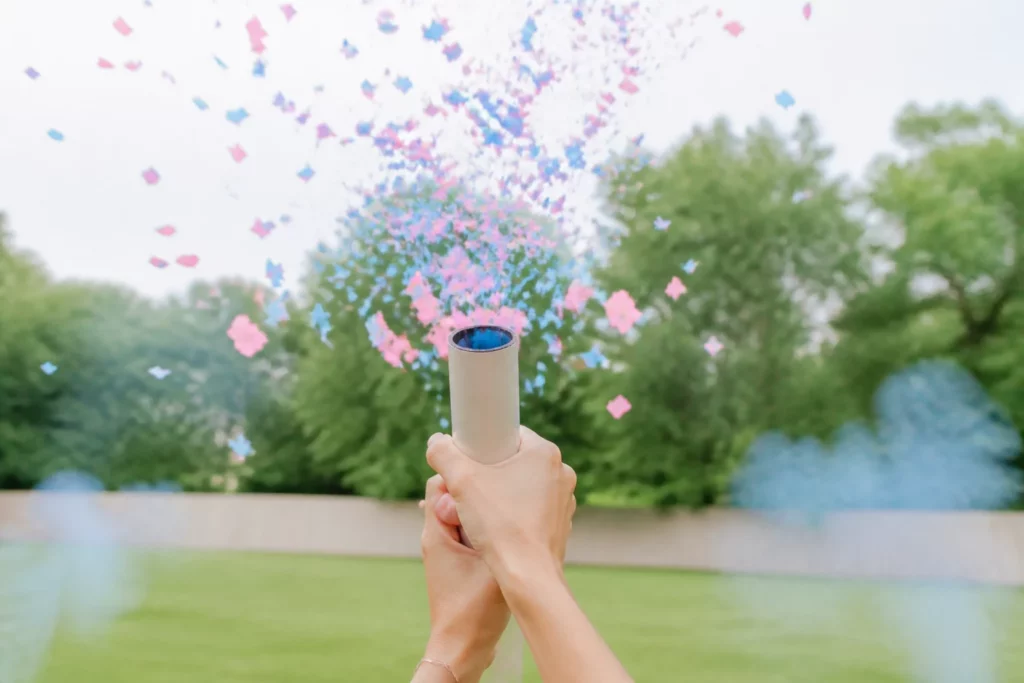
Confetti adds a burst of joy and celebration to any event, from weddings and birthday parties to corporate gatherings and parades.
TL;DR
Metallic vs.
Paper Confetti: Pros and Cons
Confetti adds a burst of joy and celebration to any event, from weddings and birthday parties to corporate gatherings and parades.
But have you ever stopped to consider what your confetti is made of?
The choice between metallic and paper confetti isn't just about aesthetics; it involves environmental impact, safety considerations, and the overall experience you want to create.
Let's dive into the sparkling world of confetti to explore the pros and cons of each material, helping you make an informed and responsible decision for your next celebration.
Metallic vs. Paper Confetti: Pros and Cons
Confetti adds a burst of joy and celebration to any event, from weddings and birthday parties to corporate gatherings and parades. But have you ever stopped to consider what your confetti is made of? The choice between metallic and paper confetti isn’t just about aesthetics; it involves environmental impact, safety considerations, and the overall experience you want to create. Let’s dive into the sparkling world of confetti to explore the pros and cons of each material, helping you make an informed and responsible decision for your next celebration. We’ll also touch on how to get custom confetti that perfectly matches your event’s theme and values.
The Allure of Metallic Confetti
Metallic confetti, with its shimmering and reflective qualities, has long been a popular choice for adding a touch of glamour and excitement to events. Made from thin sheets of metalized plastic, such as Mylar or PVC, metallic confetti catches the light beautifully, creating a dazzling effect as it flutters through the air. This type of confetti is often favored for indoor events, stage performances, and photo shoots where its visual impact can be fully appreciated. The bright, eye-catching nature of metallic confetti makes it ideal for creating a festive atmosphere and capturing memorable moments. For example, at a New Year’s Eve celebration in Times Square, metallic confetti is traditionally used to enhance the celebratory atmosphere as the clock strikes midnight, showering revelers in a cascade of shimmering color.
One of the main advantages of metallic confetti is its durability and resistance to moisture. Unlike paper confetti, which can become soggy and clump together when wet, metallic confetti retains its shape and sparkle even in humid conditions or light rain. This makes it a suitable option for outdoor events where the weather is unpredictable. Additionally, metallic confetti is generally non-flammable, adding a layer of safety compared to some types of paper confetti. However, it’s important to note that not all metallic confetti is created equal. The quality of the material and the manufacturing process can affect its durability and safety. Always check the product specifications and choose reputable suppliers to ensure you’re getting a high-quality product. Consider, for instance, the difference between professional-grade Mylar confetti used in theatrical productions and cheaper, lower-quality alternatives that may be more prone to tearing or fading.
Despite its visual appeal and durability, metallic confetti also has some significant drawbacks, particularly in terms of its environmental impact. Most metallic confetti is made from non-biodegradable plastic, meaning it can persist in the environment for hundreds of years. When released outdoors, it can contribute to plastic pollution, contaminating soil and waterways, and potentially harming wildlife. Birds and other animals may mistake the shiny confetti for food, leading to ingestion and digestive problems. Furthermore, the production of metallic confetti involves the use of fossil fuels and energy-intensive processes, contributing to greenhouse gas emissions and climate change. The long-term environmental consequences of using non-biodegradable confetti are a growing concern, prompting many event organizers and individuals to seek more sustainable alternatives. This is where options like biodegradable custom confetti come into play, offering a way to celebrate without harming the planet.
The Earthy Appeal of Paper Confetti
Paper confetti, crafted from various types of paper, presents a more eco-conscious alternative to its metallic counterpart. Its biodegradable nature allows it to break down naturally over time, minimizing its environmental footprint. This makes it a popular choice for environmentally aware individuals and organizations looking to reduce their impact. Paper confetti comes in a wide array of colors, shapes, and textures, offering versatility for different event themes and preferences. From delicate tissue paper to sturdy cardstock, the options are plentiful. For instance, many choose to use paper confetti made from recycled materials, further enhancing its sustainability credentials. The rise in popularity of eco-friendly celebrations has fueled the demand for paper confetti, driving innovation in its production and design. You can even find seed paper confetti, which contains wildflower seeds that sprout when the confetti decomposes, adding a touch of nature to your celebration.
One of the key advantages of paper confetti is its biodegradability. Unlike metallic confetti, which can persist in the environment for decades, paper confetti breaks down relatively quickly, especially when exposed to moisture and sunlight. This reduces the risk of long-term pollution and harm to wildlife. However, the rate of biodegradation can vary depending on the type of paper used and the environmental conditions. Thicker, coated papers may take longer to decompose than thin, uncoated papers. It’s also important to consider the inks and dyes used to color the confetti, as some may contain harmful chemicals that can leach into the soil. Opting for paper confetti made with soy-based or vegetable-based inks can further minimize its environmental impact. The city of San Francisco, for example, has implemented strict regulations on the use of non-biodegradable confetti at public events, encouraging the use of paper confetti and other sustainable alternatives.
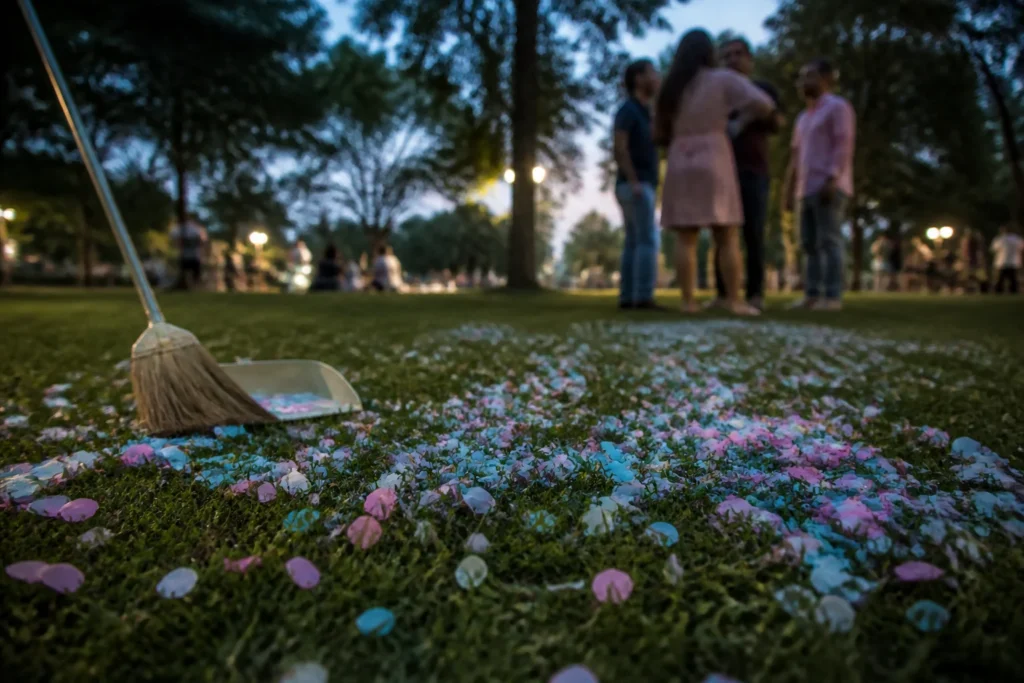
While paper confetti offers significant environmental benefits, it also has some limitations. It is more susceptible to moisture than metallic confetti, and can become soggy and clump together in wet conditions. This can make it less suitable for outdoor events where rain is likely. Additionally, paper confetti may not have the same visual impact as metallic confetti, lacking the shimmering and reflective qualities that create a dazzling effect. However, this can be overcome by choosing brightly colored papers or adding glitter or other embellishments. Another consideration is the potential for paper confetti to create a mess, especially if it is not properly cleaned up after the event. It can be blown around by the wind and scattered over a wide area, requiring extra effort to collect. Despite these challenges, paper confetti remains a popular and responsible choice for those seeking to celebrate in an environmentally friendly way. Consider using a leaf blower to gather the custom confetti into piles for easy disposal after the event.
Choosing the Right Confetti for Your Event
Selecting the perfect confetti involves balancing aesthetics, environmental concerns, and practical considerations. For indoor events where visual impact is paramount and cleanup is manageable, metallic confetti might be a suitable choice, provided you’re committed to responsible disposal. However, for outdoor celebrations or events where sustainability is a priority, paper confetti offers a more eco-friendly alternative. Consider the location, weather conditions, and the overall message you want to convey with your event. Are you aiming for a glamorous and extravagant atmosphere, or a more natural and understated feel? The type of confetti you choose can play a significant role in shaping the overall experience. For instance, a rustic-themed wedding might benefit from biodegradable paper confetti in earthy tones, while a high-energy dance party could call for vibrant metallic confetti that catches the light.
Beyond the material, consider the shape, size, and color of the confetti. Smaller confetti pieces tend to disperse more evenly and create a more delicate effect, while larger pieces make a bolder statement. Heart-shaped confetti is a classic choice for weddings and romantic occasions, while star-shaped confetti adds a touch of whimsy to birthday parties and celebrations. The color of the confetti should complement the event’s theme and color scheme. For example, a corporate event might feature confetti in the company’s brand colors, while a holiday celebration could incorporate festive colors like red, green, and gold. Don’t be afraid to get creative and mix different colors, shapes, and sizes to create a unique and personalized confetti blend. Many companies now offer custom confetti services, allowing you to design your own confetti with specific colors, shapes, and even personalized messages.
Ultimately, the best confetti choice is one that aligns with your values and priorities. If you’re committed to sustainability, opt for biodegradable paper confetti made from recycled materials and eco-friendly inks. If you’re looking for maximum visual impact, metallic confetti might be the way to go, but be sure to dispose of it responsibly. Consider the potential environmental consequences of your choice and take steps to minimize your impact. Educate your guests about the importance of responsible confetti use and encourage them to participate in the cleanup effort. By making informed and conscious choices, you can celebrate in style without compromising the health of our planet. Remember, even small changes can make a big difference when it comes to protecting the environment. Consider a case study: A local school decided to switch from metallic to biodegradable paper confetti for their annual graduation ceremony. They not only reduced their environmental impact but also used the opportunity to educate students about sustainability and responsible consumption.
FAQ About Confetti
Question
Answer
Is confetti bad for the environment?
Traditional metallic confetti is typically made of plastic and is not biodegradable, posing an environmental risk. Paper confetti is a better option, especially if it’s biodegradable.
What is biodegradable confetti made of?
Biodegradable confetti is usually made from paper, rice paper, or dried flower petals.
Can I make my own confetti?
Yes, you can easily make your own confetti using a paper shredder or hole punch with colorful paper.
How do I clean up confetti easily?
A leaf blower can be effective for outdoor cleanup. Indoors, a vacuum cleaner or broom works well.
Beyond Confetti: Creative Alternatives
While confetti remains a popular choice, there are numerous creative alternatives that can add a unique touch to your celebration while minimizing environmental impact. These options range from natural elements to innovative technologies, offering something for every taste and budget. Consider these options to create a memorable and responsible event.
One popular alternative is using bubbles. Bubbles create a whimsical and magical atmosphere, especially at outdoor events. They are non-toxic, biodegradable, and leave no lasting mess. Bubble machines can be rented or purchased, and bubble solution is readily available. For an extra touch, consider using colored bubble solution or adding dry ice to create a smoky effect. Another option is using ribbon wands. These wands consist of colorful ribbons attached to a stick or ring, which guests can wave and twirl to create a festive display. Ribbon wands are reusable and can be customized to match your event’s theme. They are particularly popular at weddings and children’s parties. For a natural and eco-friendly alternative, consider using dried flower petals or leaves. These can be scattered or tossed in the air, creating a beautiful and fragrant effect. Choose flowers and leaves that are locally sourced and sustainably harvested. Avoid using invasive species or plants that are harmful to the environment. For example, lavender, rose petals, and eucalyptus leaves are all excellent choices. The key is to find something that aligns with your event’s aesthetic and values while minimizing any negative impact.
Another innovative approach involves using light projections. Instead of scattering physical confetti, you can project images of confetti onto surfaces using projectors. This creates a visually stunning effect without any mess or environmental concerns. Light projections can be customized to match your event’s theme and can even be interactive, responding to music or movement. This option is particularly well-suited for indoor events and stage performances. For a more hands-on approach, consider using seed paper. Seed paper is embedded with wildflower seeds and can be torn into small pieces and scattered. As the paper decomposes, the seeds will sprout, creating a beautiful display of wildflowers. This is a sustainable and eco-friendly alternative that also provides a lasting benefit to the environment. Seed paper can be customized with your event’s colors and messages, making it a truly unique and memorable option. The use of seed paper is an excellent way to promote environmental awareness and encourage guests to participate in a sustainable practice.
“We decided to use bubbles instead of confetti at our wedding, and it was a huge hit! The bubbles created a magical atmosphere, and we didn’t have to worry about cleaning up a mess afterwards,” says Sarah, a recent bride.
DIY Confetti: Personalize Your Celebration
Creating your own confetti allows for complete customization and control over the materials used, ensuring a unique and environmentally conscious celebration. DIY confetti can be made from a variety of materials, including recycled paper, dried leaves, and even food scraps. This is a fun and engaging activity that can involve friends and family, adding a personal touch to your event. Here are some ideas to get you started:
Recycled Paper Confetti: Use a paper shredder or hole punch to create confetti from old newspapers, magazines, or scrap paper. Choose colorful paper for a vibrant effect.
Dried Leaf Confetti: Collect fallen leaves from your yard and dry them in the oven or dehydrator. Crumble the dried leaves into small pieces to create natural and biodegradable confetti.
Flower Petal Confetti: Save flower petals from bouquets or gardens and dry them in a cool, dark place. Mix different colors and types of petals for a beautiful and fragrant confetti blend.
Seed Paper Confetti: Make your own seed paper by blending recycled paper pulp with wildflower seeds. Spread the pulp thinly on a screen and let it dry. Cut the dried paper into small pieces to create seed paper confetti.
When making your own confetti, consider the size and shape of the pieces. Smaller pieces tend to disperse more evenly, while larger pieces make a bolder statement. Experiment with different shapes and sizes to find what works best for your event. You can use cookie cutters or stencils to create custom shapes. Also, think about the colors and textures of the materials you use. Mix different colors and textures to create a visually interesting confetti blend. For example, you could combine recycled paper confetti with dried leaf confetti and flower petal confetti for a unique and natural effect. Remember to choose materials that are safe for the environment and won’t harm wildlife. Avoid using glitter or other non-biodegradable materials. By making your own confetti, you can create a personalized and sustainable celebration that reflects your values and style. The process of creating your own confetti can be a fun and rewarding experience, allowing you to express your creativity and contribute to a more sustainable future. Consider hosting a confetti-making party with friends and family to get everyone involved in the celebration preparations.
One of the most important aspects of DIY confetti is ensuring that it is truly biodegradable. While paper is generally considered biodegradable, some types of paper, such as glossy or coated paper, may take longer to break down. Opt for uncoated paper made from recycled materials. Similarly, when using dried leaves or flower petals, make sure they are free from pesticides or other harmful chemicals. Organic and sustainably sourced materials are always the best choice. By taking these precautions, you can ensure that your DIY confetti is both beautiful and environmentally friendly. The use of natural dyes can also enhance the visual appeal of your confetti while minimizing its environmental impact. Experiment with different natural dyes, such as beet juice for red, spinach juice for green, and turmeric for yellow, to create a vibrant and eco-friendly confetti blend. Remember to test the dyes on a small batch of confetti before using them on a larger scale to ensure that they don’t bleed or fade.
Responsible Disposal and Cleanup
Even with biodegradable confetti, responsible disposal and cleanup are essential to minimize any potential environmental impact. While biodegradable confetti will eventually break down, it can still create a mess and potentially harm wildlife if left unattended. Make a plan for cleaning up the confetti after your event and communicate this plan to your guests. Here are some tips for responsible disposal and cleanup:
Designate a Cleanup Crew: Assign a group of volunteers to help clean up the confetti after the event. Provide them with bags or containers for collecting the confetti.
Use a Leaf Blower: For outdoor events, a leaf blower can be used to gather the confetti into piles for easy collection.
Sweep or Vacuum: For indoor events, sweep or vacuum the confetti to remove it from floors and surfaces.
Compost Biodegradable Confetti: If you’re using biodegradable confetti, compost it in your backyard compost bin or dispose of it in a commercial composting facility.
Educate Your Guests: Inform your guests about the importance of responsible confetti use and encourage them to participate in the cleanup effort.
When disposing of confetti, avoid throwing it into waterways or drains, as this can contribute to pollution. Instead, collect the confetti and dispose of it properly. If you’re using metallic confetti, recycle it if possible. Some recycling centers accept metalized plastic, but it’s best to check with your local recycling facility to confirm. If recycling is not an option, dispose of the metallic confetti in the trash. Remember that even small actions can make a big difference when it comes to protecting the environment. By taking the time to properly dispose of and clean up confetti, you can help minimize its impact and ensure a more sustainable celebration. The key is to be proactive and plan ahead, making responsible disposal and cleanup an integral part of your event planning process. Consider providing guests with biodegradable bags or containers for collecting confetti, making it easier for them to participate in the cleanup effort. The use of clear signage can also help guide guests on how to properly dispose of confetti.
Furthermore, consider the location of your event when planning your cleanup strategy. If your event is held in a public park or other natural area, be especially mindful of the potential impact of confetti on the environment. Avoid using confetti near sensitive ecosystems or areas where wildlife is present. If you must use confetti in these areas, choose a biodegradable option and make sure to clean it up thoroughly after the event. Obtain any necessary permits or permissions from local authorities before using confetti in public spaces. By being respectful of the environment and following best practices for responsible disposal and cleanup, you can help ensure that your celebration doesn’t have a negative impact on the planet. The use of social media can also be a powerful tool for promoting responsible confetti use. Share information about the environmental impact of confetti and encourage your followers to choose sustainable alternatives. By raising awareness and educating others, you can help create a culture of responsible celebration.
Here’s a comparison table highlighting the key differences between metallic and paper confetti:
Feature
Metallic Confetti
Paper Confetti
Material
Metalized plastic (Mylar, PVC)
Paper (tissue, cardstock, recycled paper)
Biodegradability
Non-biodegradable
Biodegradable
Environmental Impact
High (contributes to plastic pollution)
Low (breaks down naturally)
Durability
Resistant to moisture
Susceptible to moisture
Cost
Generally more expensive
Generally less expensive
A local community group organized a “Confetti Cleanup Challenge” after their town’s annual parade. They provided volunteers with gloves and bags and offered prizes for the most confetti collected. This initiative not only helped clean up the town but also raised awareness about the environmental impact of non-biodegradable confetti.
Unleash Your Creativity with Custom Confetti
Confetti, in its myriad forms, has long been a symbol of celebration, joy, and momentous occasions. From weddings and graduations to parades and sporting events, the colorful cascade of tiny particles adds a touch of magic and excitement to any event. However, with growing awareness of environmental issues, it’s crucial to consider the impact of our celebratory choices. Traditional metallic confetti, often made from plastic, poses a significant threat to the environment due to its non-biodegradable nature. Paper confetti, especially when made from recycled or biodegradable materials, offers a more sustainable alternative. But the world of confetti extends far beyond these two options. Custom confetti allows for a personalized touch, reflecting the unique theme and spirit of your event while minimizing environmental harm.
The beauty of custom confetti lies in its versatility. You can tailor the colors, shapes, and materials to perfectly match your event’s aesthetic. Imagine a wedding where the confetti consists of dried lavender petals, releasing a delicate fragrance as the newlyweds make their exit. Or a children’s birthday party where the confetti is made from seed paper, allowing guests to plant wildflowers as a lasting reminder of the celebration. The possibilities are endless. One can use a Cricut machine, readily available at stores like Joann Fabrics or Michaels, to cut intricate shapes from biodegradable paper. This allows for the creation of custom logos, monograms, or themed designs that add a personal touch to the confetti.
Furthermore, custom confetti provides an opportunity to educate and engage your guests in sustainable practices. By choosing eco-friendly materials and promoting responsible disposal, you can raise awareness about environmental issues and inspire others to make conscious choices. Consider including a small note with your confetti, explaining its biodegradable nature and encouraging guests to compost it or plant it (if it’s seed paper). This simple gesture can spark conversations and promote a greater understanding of sustainability. For example, a corporate event could use custom confetti made from recycled paper printed with the company’s sustainability goals, subtly reinforcing their commitment to environmental responsibility.
Confetti That Cares: Eco-Friendly Options
The environmental impact of confetti is a growing concern, prompting a shift towards eco-friendly alternatives. Traditional metallic confetti, typically made from plastic or metalized plastic films like Mylar, can persist in the environment for decades, contributing to plastic pollution and harming wildlife. Animals may ingest confetti, mistaking it for food, which can lead to digestive problems and even death. Paper confetti, on the other hand, offers a more sustainable option, especially when made from recycled or biodegradable materials. However, not all paper confetti is created equal. It’s essential to choose confetti made from responsibly sourced paper that is free from harmful chemicals and dyes.
Biodegradable confetti is typically made from materials such as tissue paper, rice paper, or dried flower petals. These materials break down naturally over time, minimizing their impact on the environment. Tissue paper confetti is a popular choice due to its affordability and availability. Rice paper confetti is another excellent option, as it dissolves quickly in water, making it ideal for outdoor events. Dried flower petals offer a natural and beautiful alternative, adding a touch of elegance and fragrance to any celebration. When choosing biodegradable confetti, look for certifications such as the Forest Stewardship Council (FSC) label, which ensures that the paper is sourced from responsibly managed forests.
Beyond the material itself, the dyes used to color confetti can also have an environmental impact. Opt for confetti that is colored with natural or non-toxic dyes. Avoid confetti that contains glitter, as glitter is typically made from plastic and is not biodegradable. There are now biodegradable glitter options available, made from plant-based materials, but it’s essential to verify their biodegradability before using them. Consider the overall lifecycle of the confetti, from its production to its disposal, and choose options that minimize environmental harm at every stage. For instance, a local artisan group in Asheville, North Carolina, creates biodegradable confetti from locally sourced wildflowers and plant-based dyes, showcasing a commitment to both environmental sustainability and community support.
“We believe that celebrations should be joyful and sustainable,” says Maria Rodriguez, founder of EcoConfetti, a company that specializes in eco-friendly confetti options. “That’s why we’re committed to providing confetti that is both beautiful and environmentally responsible.”
Confetti Reimagined: Celebrate Responsibly
Choosing the right confetti is just one aspect of responsible celebration. It’s also essential to consider the overall impact of your event and take steps to minimize waste and promote sustainability. Encourage guests to carpool or use public transportation to reduce carbon emissions. Choose venues that are committed to sustainability and offer eco-friendly options. Serve locally sourced and organic food and beverages. Minimize the use of single-use plastics by providing reusable cups, plates, and cutlery. By making conscious choices throughout your event planning process, you can create a celebration that is both memorable and environmentally responsible.
Consider the long-term impact of your choices and strive to create a positive legacy. Instead of disposable decorations, opt for reusable or recyclable options. Donate leftover food to local charities or food banks. Compost food scraps and other organic waste. By taking these steps, you can minimize waste and contribute to a more sustainable future. Remember that every action, no matter how small, can make a difference. By embracing responsible celebration practices, you can inspire others to do the same and create a ripple effect of positive change. For example, instead of releasing balloons, which can harm wildlife, consider planting a tree in honor of the occasion. This is a sustainable and meaningful way to celebrate and give back to the environment.
Ultimately, responsible celebration is about finding a balance between joy and sustainability. It’s about making conscious choices that minimize environmental harm while still creating a memorable and meaningful experience. By embracing eco-friendly confetti options, promoting responsible disposal, and minimizing waste, you can celebrate in style without compromising the health of our planet. Let’s reimagine confetti and transform it from a symbol of fleeting joy to a symbol of lasting sustainability.
Spark Joy, Not Waste: Your Guide to Eco-Conscious Celebrations
We’ve explored the environmental impact of traditional confetti and highlighted the many benefits of choosing sustainable alternatives like biodegradable paper, dried flowers, or even innovative options like bubble machines and light projections. We’ve also delved into the world of DIY confetti, empowering you to create personalized and eco-friendly options using recycled materials and natural dyes. Remember, even small changes in your celebration habits can contribute to a healthier planet.
Ready to make your next celebration truly special and sustainable? How can you incorporate these eco-friendly confetti alternatives and responsible disposal practices to create a memorable event that aligns with your values?
Q: Where can I buy biodegradable confetti in bulk?
A: Many online retailers and party supply stores offer biodegradable confetti in bulk. Look for certifications such as FSC to ensure responsible sourcing.
Q: Is it okay to use confetti at outdoor weddings?
A: Yes, but choose biodegradable options and ensure proper cleanup afterwards. Check with the venue for any specific restrictions.
Q: Can I compost confetti made from dried flowers?
A: Yes, dried flower confetti is compostable. Remove any non-biodegradable elements before composting.
Q: Are there any regulations regarding confetti use in public spaces?
A: Regulations vary depending on the location. Check with local authorities for any specific rules or permit requirements.
Q: How can I encourage guests to participate in confetti cleanup?
A: Provide clear instructions and designated collection points. Make it fun by offering small rewards or incentives for participation.