Biodegradable Confetti and Environmental Responsibility in Football
The roar of the crowd, the thrill of the game, and the celebratory burst of confetti for football – these are the hallmarks of a memorable match. But what happens when the final whistle blows and the stadium is left awash in a sea of paper? The environmental impact of traditional confetti for football is becoming an increasingly pressing concern, prompting a shift towards more sustainable alternatives. This article explores the rise of biodegradable confetti, its role in promoting environmental responsibility within the sport, and the innovative solutions being implemented to minimize the ecological footprint of our beloved game. We will also discuss the importance of responsible disposal and the future of confetti for football celebrations.
The Growing Concern Over Confetti Waste
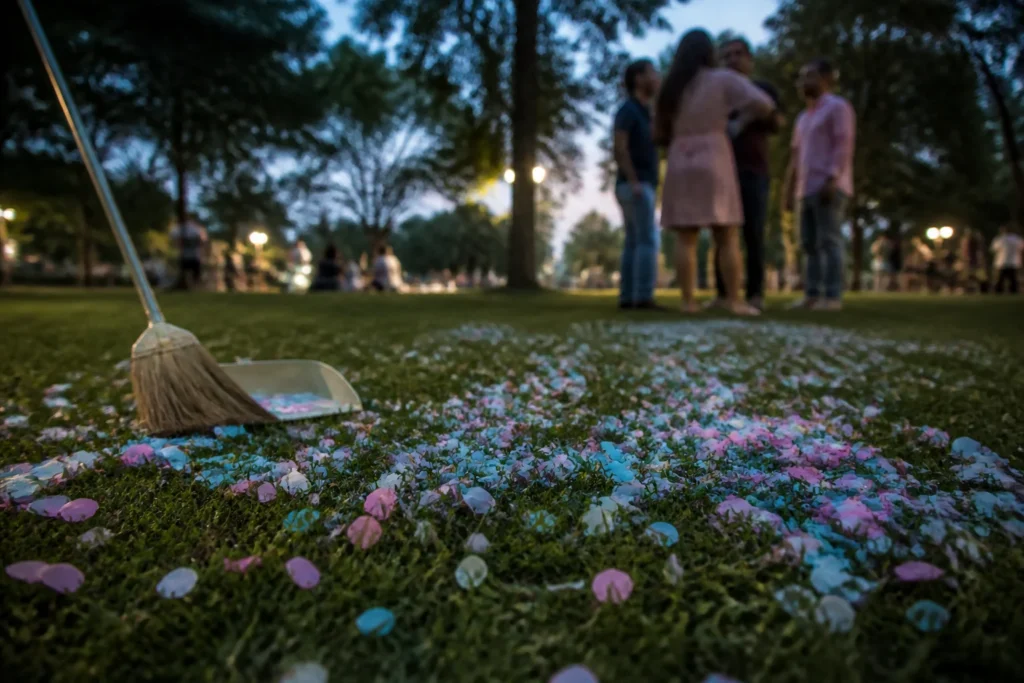
The sheer volume of waste generated at football games is staggering. From food packaging to plastic cups, the environmental burden is significant. Confetti, while seemingly innocuous, contributes to this problem. Traditional confetti, often made from plastic or non-biodegradable paper, can persist in the environment for years, polluting waterways, harming wildlife, and contributing to the growing problem of microplastic pollution. Consider a packed stadium like Wembley, with a capacity of 90,000. If even a small percentage of attendees use traditional confetti, the cumulative impact can be substantial. This waste often ends up in landfills, where it takes up valuable space and releases harmful greenhouse gases as it decomposes (or, more accurately, fails to decompose). The visual spectacle of confetti should not come at the expense of our planet’s health.
Beyond the immediate visual pollution, traditional confetti poses a threat to local ecosystems. Wind can carry confetti far beyond the stadium grounds, scattering it into nearby parks, rivers, and even residential areas. Animals may ingest the confetti, mistaking it for food, leading to digestive problems or even death. Waterways become contaminated, impacting aquatic life and potentially affecting the quality of drinking water. The long-term consequences of this widespread pollution are difficult to fully quantify, but the evidence suggests a significant and detrimental impact on the environment. For example, studies have shown that microplastics, which can result from the breakdown of traditional confetti, can accumulate in the food chain, ultimately affecting human health. This is a complex issue with far-reaching implications.
The environmental impact extends beyond the physical waste itself. The production of traditional confetti often involves energy-intensive processes and the use of harmful chemicals. The transportation of confetti from manufacturing facilities to stadiums also contributes to carbon emissions. A life cycle assessment of traditional confetti would likely reveal a significant environmental footprint, highlighting the need for more sustainable alternatives. Furthermore, the cleanup efforts required after a confetti-filled event can be costly and time-consuming, diverting resources that could be used for other environmental initiatives. The true cost of traditional confetti, therefore, extends far beyond its purchase price.
Confetti for Football: A Sustainable Alternative
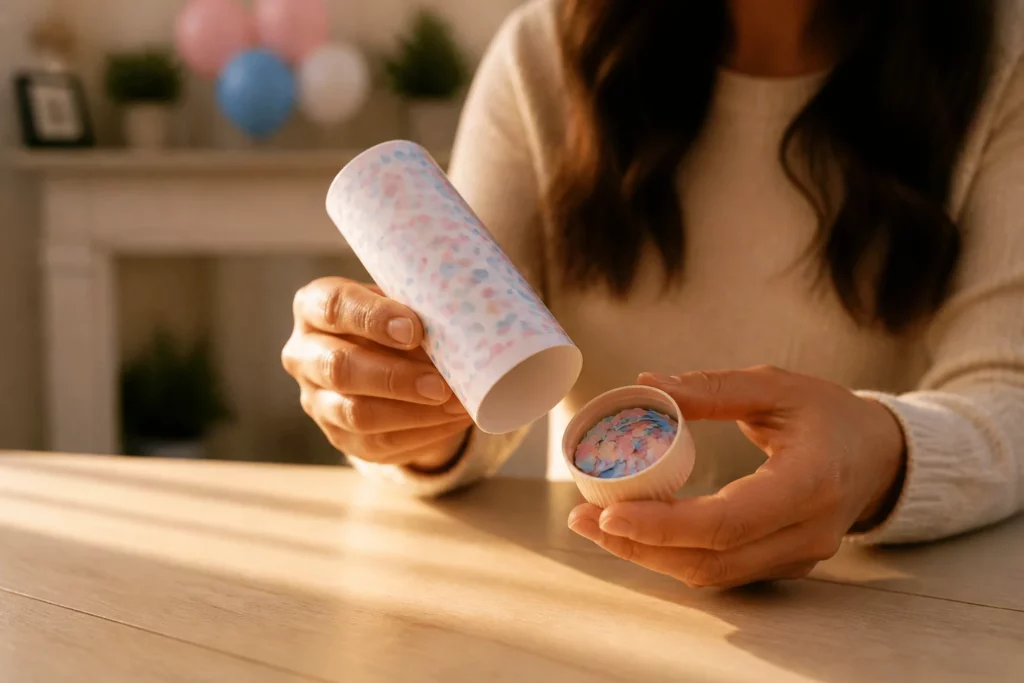
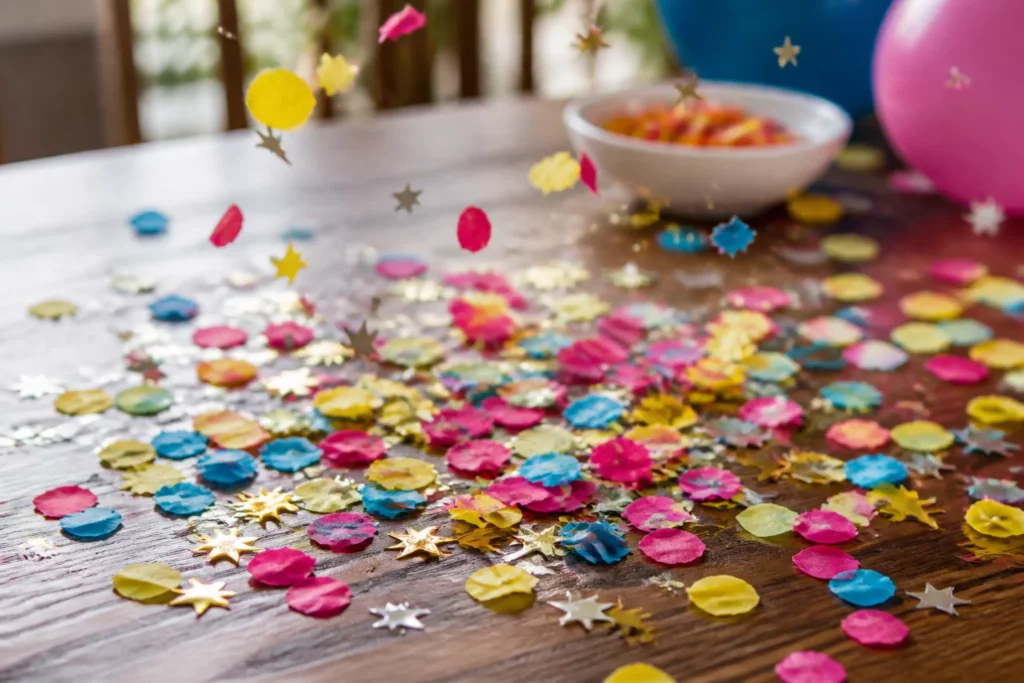
Biodegradable confetti offers a promising solution to the environmental problems associated with traditional confetti. Made from natural materials such as rice paper, flower petals, or seed paper, biodegradable confetti breaks down quickly and harmlessly in the environment. Unlike plastic confetti, which can persist for decades, biodegradable confetti decomposes within a matter of weeks or months, minimizing its impact on ecosystems. This makes it a far more responsible choice for celebrations of all kinds, including football games. The key is ensuring that the confetti is truly biodegradable and free from harmful dyes or additives. Look for certifications and labels that verify the product’s environmental credentials.
The benefits of using biodegradable confetti for football extend beyond its environmental friendliness. It can also enhance the aesthetic appeal of celebrations. Natural materials like flower petals and seed paper offer a more organic and visually appealing alternative to plastic confetti. Seed paper, in particular, adds an extra layer of sustainability by allowing the confetti to sprout into wildflowers, creating a lasting reminder of the event. Imagine a stadium surrounded by blooming flowers, a testament to the commitment to environmental responsibility. This not only reduces waste but also contributes to biodiversity and creates a more beautiful and sustainable environment for everyone to enjoy. The possibilities are endless.
Several football clubs and organizations are already embracing biodegradable confetti for football as part of their sustainability initiatives. These organizations recognize the importance of minimizing their environmental impact and are actively seeking ways to reduce waste and promote responsible consumption. By switching to biodegradable confetti, they are sending a clear message to fans and the wider community about their commitment to environmental stewardship. This is not just a trend; it is a fundamental shift in values, reflecting a growing awareness of the need to protect our planet for future generations. The leadership shown by these organizations is inspiring others to follow suit.
Case Study: Forest Green Rovers
Forest Green Rovers, recognized as the world’s greenest football club, has implemented a comprehensive sustainability program that includes the use of biodegradable confetti. The club sources its confetti from a local supplier that uses recycled paper and natural dyes. In addition to using biodegradable confetti, Forest Green Rovers has also implemented a robust waste management system to minimize waste and maximize recycling. This commitment to sustainability has earned the club numerous awards and accolades, demonstrating that environmental responsibility and sporting success can go hand in hand.
FAQ About Biodegradable Confetti
Overcoming Challenges and Ensuring Authenticity
While the transition to biodegradable confetti presents a significant step forward, several challenges must be addressed to ensure its widespread adoption and effectiveness. One key challenge is ensuring the authenticity of biodegradable claims. Not all products marketed as “biodegradable” truly live up to the label. Some may contain hidden plastics or additives that hinder decomposition. It is crucial for consumers and organizations to carefully vet suppliers and look for certifications from reputable organizations that verify biodegradability. For example, certifications like the Biodegradable Products Institute (BPI) or similar regional standards provide assurance that the product meets specific criteria for compostability and biodegradability.
Another challenge is addressing concerns about the potential impact of biodegradable confetti on agricultural land. While biodegradable confetti is designed to break down harmlessly, some critics worry that large quantities of confetti could still disrupt soil composition or introduce unwanted elements into the environment. To mitigate these concerns, it is important to choose confetti made from materials that are known to be beneficial or at least neutral to the soil, such as seed paper or flower petals. Additionally, responsible disposal practices, such as composting or scattering confetti in designated areas, can help minimize any potential negative impacts. The key is to approach the use of biodegradable confetti with a mindful and informed approach.
Cost can also be a barrier to adoption. Biodegradable confetti may be slightly more expensive than traditional plastic confetti, which could deter some organizations from making the switch. However, the long-term environmental benefits of biodegradable confetti far outweigh the initial cost difference. Furthermore, as demand for biodegradable products increases, prices are likely to become more competitive. Organizations can also explore options such as bulk purchasing or partnering with suppliers to negotiate better rates. Ultimately, investing in biodegradable confetti is an investment in a more sustainable future.
To help consumers and organizations make informed choices, here’s a comparison of traditional and biodegradable confetti:
| Feature |
Traditional Confetti |
Biodegradable Confetti |
| Material |
Plastic, non-biodegradable paper |
Rice paper, flower petals, seed paper |
| Decomposition Time |
Years, decades, or longer |
Weeks, months |
| Environmental Impact |
Pollutes waterways, harms wildlife, contributes to microplastic pollution |
Breaks down harmlessly, minimal impact |
| Cost |
Generally less expensive |
Generally more expensive (but decreasing) |
| Aesthetics |
Often artificial and uniform |
Can be more natural and visually appealing |
Promoting Responsible Disposal and Cleanup
Even with the use of biodegradable confetti, responsible disposal and cleanup practices are essential to minimize environmental impact. Simply scattering confetti indiscriminately is not a sustainable solution. Instead, organizations should implement strategies to collect and compost confetti after events. This could involve providing designated collection bins or organizing volunteer cleanup crews. Composting biodegradable confetti not only reduces waste but also creates valuable soil amendments that can be used for landscaping or gardening. The key is to view confetti as a resource rather than simply waste.
Another important aspect of responsible disposal is educating fans and attendees about the proper way to handle confetti. Clear signage and announcements can remind people to dispose of confetti in designated bins or to take it home for composting. Organizations can also partner with local environmental groups to raise awareness about the importance of responsible confetti disposal. By engaging fans in the cleanup process, organizations can foster a sense of shared responsibility and promote a culture of environmental stewardship. This collaborative approach is essential for achieving long-term sustainability goals.
Consider implementing a “leave no trace” policy at football games, encouraging fans to take responsibility for their waste, including confetti. This policy could be promoted through social media campaigns, stadium announcements, and educational materials. By fostering a culture of respect for the environment, organizations can encourage fans to adopt more sustainable behaviors both inside and outside the stadium. This holistic approach is essential for creating a truly environmentally responsible sporting experience.
“We don’t inherit the earth from our ancestors; we borrow it from our children.” – Native American Proverb
This proverb underscores the importance of making sustainable choices today to protect the environment for future generations. The transition to biodegradable confetti is a small but significant step in that direction.
The Future of Confetti for Football Celebrations
The future of confetti for football celebrations is bright, with ongoing innovation and a growing commitment to sustainability. As technology advances, we can expect to see even more innovative and environmentally friendly confetti options emerge. For example, some companies are exploring the use of edible confetti made from natural ingredients, which would eliminate the need for cleanup altogether. Others are developing confetti that dissolves on contact with water, making it ideal for outdoor events. The possibilities are endless.
Furthermore, the increasing awareness of environmental issues is driving a shift in consumer behavior. Fans are becoming more conscious of the environmental impact of their choices and are demanding more sustainable options. This growing demand is creating a market for biodegradable confetti and other eco-friendly products, which is further incentivizing innovation and driving down prices. As a result, we can expect to see biodegradable confetti become increasingly prevalent at football games and other celebrations in the years to come. The future of confetti is green.
The role of governing bodies and football associations is also crucial in shaping the future of confetti. By implementing regulations and guidelines that promote the use of biodegradable confetti and discourage the use of traditional plastic confetti, these organizations can create a level playing field and accelerate the transition to more sustainable practices. They can also provide resources and support to clubs and organizations that are looking to adopt biodegradable confetti. This top-down approach, combined with grassroots efforts, is essential for achieving widespread change.
Mini Case Study: A local youth football league in Portland, Oregon, switched to using only wildflower seed paper confetti at their games. After the games, the confetti is left on the field, and the league has seen an increase in local bee populations and a beautiful wildflower meadow surrounding their playing field. This simple change has not only reduced waste but has also created a positive environmental impact and a beautiful visual reminder of their commitment to sustainability. This is a great example of how even small actions can make a big difference.
Ultimately, the future of confetti for football celebrations depends on a collective effort from fans, organizations, and governing bodies. By embracing biodegradable confetti, promoting responsible disposal practices, and fostering a culture of environmental stewardship, we can ensure that our celebrations are both joyful and sustainable. The roar of the crowd and the burst of confetti can continue to be hallmarks of a memorable match, without compromising the health of our planet. The key is to make informed choices and to prioritize sustainability in all aspects of the game.
Making Celebrations Greener: Confetti for Football
The shift towards biodegradable confetti represents a broader movement towards environmental responsibility within the sports industry. Football clubs, in particular, have a significant platform to influence public opinion and promote sustainable practices. By showcasing their commitment to environmental stewardship, they can inspire fans and other organizations to adopt more eco-friendly behaviors. This includes not only using biodegradable confetti but also implementing other sustainability initiatives, such as reducing energy consumption, promoting recycling, and supporting local environmental organizations. The collective impact of these efforts can be substantial, contributing to a more sustainable future for the sport and the planet. Consider the example of Tottenham Hotspur, who have implemented various green initiatives across their stadium, including waste reduction programs and renewable energy sources.
The use of biodegradable confetti also aligns with the growing trend of corporate social responsibility (CSR). Companies are increasingly recognizing the importance of integrating environmental and social considerations into their business operations. By partnering with football clubs and organizations that are committed to sustainability, they can enhance their brand image and demonstrate their commitment to responsible business practices. This can lead to increased customer loyalty, improved employee morale, and a stronger competitive advantage. The partnership between Adidas and Parley for the Oceans, which produces sportswear made from recycled ocean plastic, is a prime example of how companies can collaborate to promote sustainability.
Furthermore, the transition to biodegradable confetti can stimulate innovation and create new economic opportunities. As demand for sustainable products increases, companies are investing in research and development to create more innovative and eco-friendly alternatives. This can lead to the development of new materials, technologies, and business models that benefit both the environment and the economy. The rise of companies specializing in sustainable event planning and eco-friendly party supplies is a testament to the growing demand for green solutions. This creates a positive feedback loop, where increased demand drives innovation, which in turn leads to more sustainable products and practices.
Unlock the Joy of Eco-Friendly Celebrations
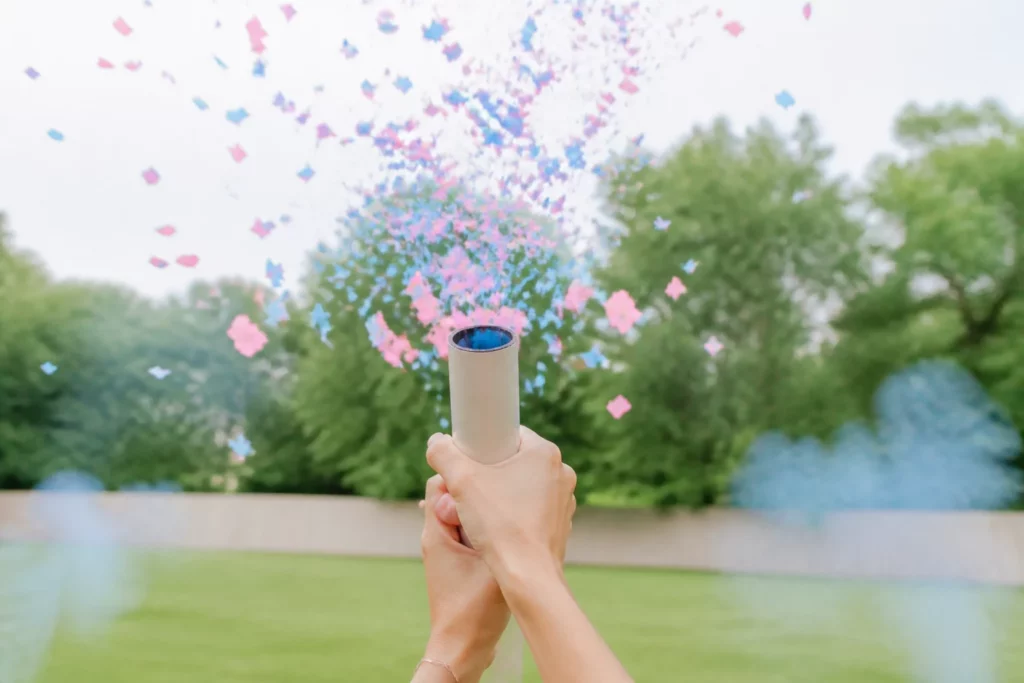
Ready to elevate your game day experience without compromising the planet? Biodegradable confetti offers a vibrant and guilt-free way to celebrate victories, milestones, and team spirit. Imagine the thrill of a confetti shower, knowing that each piece will naturally decompose, leaving behind only memories and perhaps even a few wildflowers. This simple switch can make a significant difference in reducing your environmental footprint and promoting a more sustainable future for football and beyond. It’s about celebrating responsibly and showing your commitment to a greener world.
The transition to biodegradable confetti is more than just a trend; it’s a reflection of a growing awareness and commitment to environmental stewardship. By choosing biodegradable options, football clubs, organizations, and fans alike can actively contribute to reducing plastic pollution, protecting wildlife, and preserving our planet for future generations. It’s a small change that can have a big impact, demonstrating that environmental responsibility and sporting enthusiasm can go hand in hand. Embrace the joy of eco-friendly celebrations and let your confetti shower be a symbol of your commitment to a sustainable future.
From Forest Green Rovers’ comprehensive sustainability program to the growing demand for eco-friendly products, the movement towards environmental responsibility in football is gaining momentum. Biodegradable confetti is a tangible and visually appealing way to demonstrate this commitment, inspiring fans and other organizations to follow suit. By choosing biodegradable options, promoting responsible disposal practices, and fostering a culture of environmental stewardship, we can ensure that our celebrations are both joyful and sustainable.
Ready to Make the Switch?
How can your team or organization champion environmental responsibility and inspire fans with eco-friendly confetti celebrations?
Q: What types of materials are used to make biodegradable confetti?
A: Common materials include rice paper, flower petals, seed paper, and other plant-based materials.
Q: How long does it take for biodegradable confetti to decompose?
A: Decomposition time varies depending on the material and environmental conditions, but typically ranges from a few weeks to a few months.
Q: Is biodegradable confetti safe for wildlife?
A: Yes, biodegradable confetti is generally safe for wildlife as it is made from natural materials that break down harmlessly.
Q: Where can I purchase biodegradable confetti?
A: Biodegradable confetti is available from various online retailers and specialty party supply stores.
Q: How should I dispose of biodegradable confetti after an event?
A: The best way to dispose of biodegradable confetti is to compost it or scatter it in a designated area where it can naturally decompose.