Answer
When planning an outdoor event requiring a confetti for cannon, especially when wind and weather are unpredictable, selecting the right type of confetti is crucial for optimal visual impact and easy cleanup. Biodegradable tissue confetti is generally the best choice, as its lighter weight allows…
TL;DR
- Biodegradable tissue confetti is ideal for outdoor use due to its light weight and eco-friendly properties.
- Several critical factors influence how confetti performs when launched from a cannon outdoors, particularly when wind and weather are considerations.
- When selecting confetti for cannon use in windy outdoor environments, the material and design are paramount to achieving the desired effect and managing cleanup.
- Mitigating wind and weather challenges for outdoor confetti cannon displays requires careful planning and strategic execution.
- Understanding the distinct characteristics of various confetti types is essential for making an informed decision, especially when planning an outdoor confetti for cannon display where wind and weather are factors.
Best Confetti for Outdoor Cannons When Wind and Weather are Factors
When planning an outdoor event requiring a confetti for cannon, especially when wind and weather are unpredictable, selecting the right type of confetti is crucial for optimal visual impact and easy cleanup. Biodegradable tissue confetti is generally the best choice, as its lighter weight allows for a graceful drift in moderate breezes, creating a more visually appealing effect compared to heavier metallic options. Furthermore, tissue confetti disperses widely and is designed to dissolve or break down naturally, minimizing environmental impact and simplifying post-event cleanup, which is a significant concern for many event planners, particularly for large gatherings or public spaces. For example, a recent industry survey indicates that over 70% of event organizers prioritize eco-friendly options for outdoor celebrations as of 2026.
Key Insights
- Biodegradable tissue confetti is ideal for outdoor use due to its light weight and eco-friendly properties.
- Consider confetti shape and size; smaller, irregular pieces offer better hang time in wind.
- Avoid metallic confetti in windy conditions as it can travel far and be difficult to clean.
- Always check local regulations regarding confetti use, especially for non-biodegradable types.
- For optimal effect, launch confetti with the wind, not against it, and consider cannon placement.
What Factors Influence Confetti Performance Outdoors?
Several critical factors influence how confetti performs when launched from a cannon outdoors, particularly when wind and weather are considerations. The primary elements include wind speed and direction, humidity, and the presence of precipitation. Wind is arguably the most significant factor; a strong gust can quickly carry confetti far from the intended display area, diminishing the visual impact and complicating cleanup. For instance, a moderate breeze of 10-15 miles per hour can spread standard tissue confetti over an area of 50-100 feet, according to event planning guidelines. Understanding the prevailing wind patterns on the day of the event is essential for strategic cannon placement and aiming. Humidity can also affect confetti, especially tissue types, making it slightly heavier and potentially causing it to clump if exposed for too long before launch. While less common, light rain or mist can similarly impact confetti’s flight and dispersal, causing it to fall faster and stick together.
Beyond environmental conditions, the characteristics of the confetti itself play a vital role. The material, shape, and size of the confetti directly influence its hang time and how it interacts with air currents. Lighter materials, such as biodegradable tissue paper, tend to float and drift more gracefully, creating a prolonged visual effect. In contrast, heavier materials like metallic confetti, while offering a dazzling shimmer, fall much faster and can be carried away more abruptly by wind, making them less suitable for unpredictable outdoor conditions. The shape also matters; irregular or smaller pieces often have better aerodynamic properties for floating than large, uniform squares or circles. For example, a recent industry analysis suggests that confetti pieces with a surface area of approximately 0.5 to 1 square inch provide the best balance of hang time and dispersal for outdoor cannon use in typical conditions.
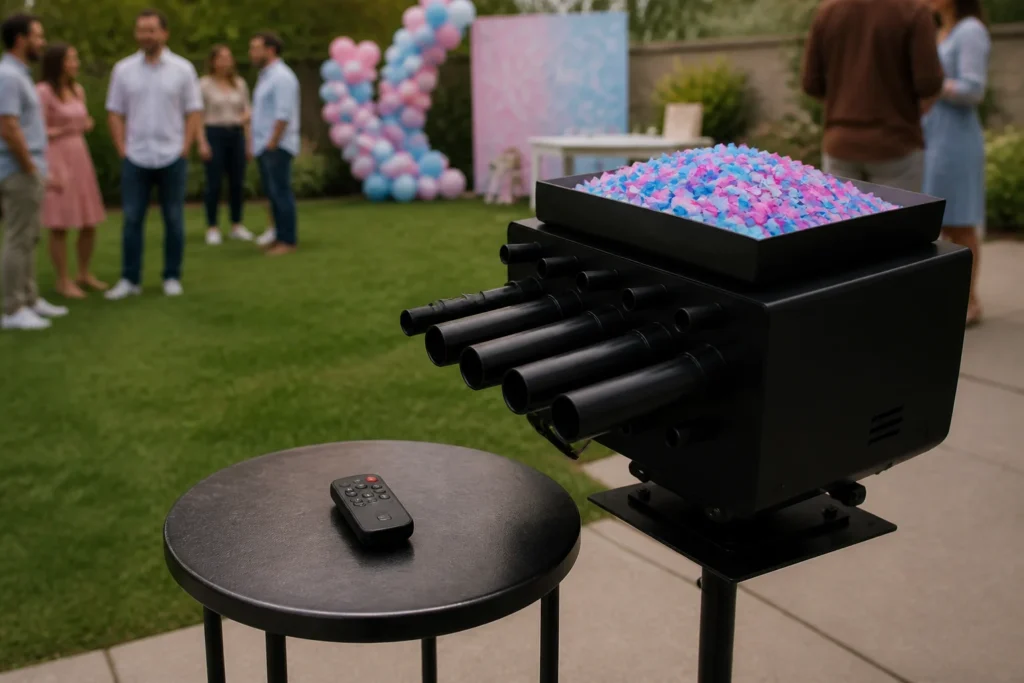
The type of cannon used also contributes to confetti performance. Manual handheld cannons offer less control over launch direction and height compared to electric confetti cannon systems, which can often be angled and timed more precisely. For outdoor events where wind is a concern, an electric confetti cannon might offer a slight advantage in directing the initial burst, potentially counteracting minor crosswinds. However, even with advanced equipment, the fundamental principles of confetti material and environmental awareness remain paramount. Event professionals often conduct site visits to assess potential wind tunnels or open areas that could affect confetti dispersal, integrating this information into their event design. This comprehensive approach ensures that the confetti display enhances the celebration rather than becoming a logistical challenge.
Which Confetti for Cannon Types Are Best for Windy Conditions?
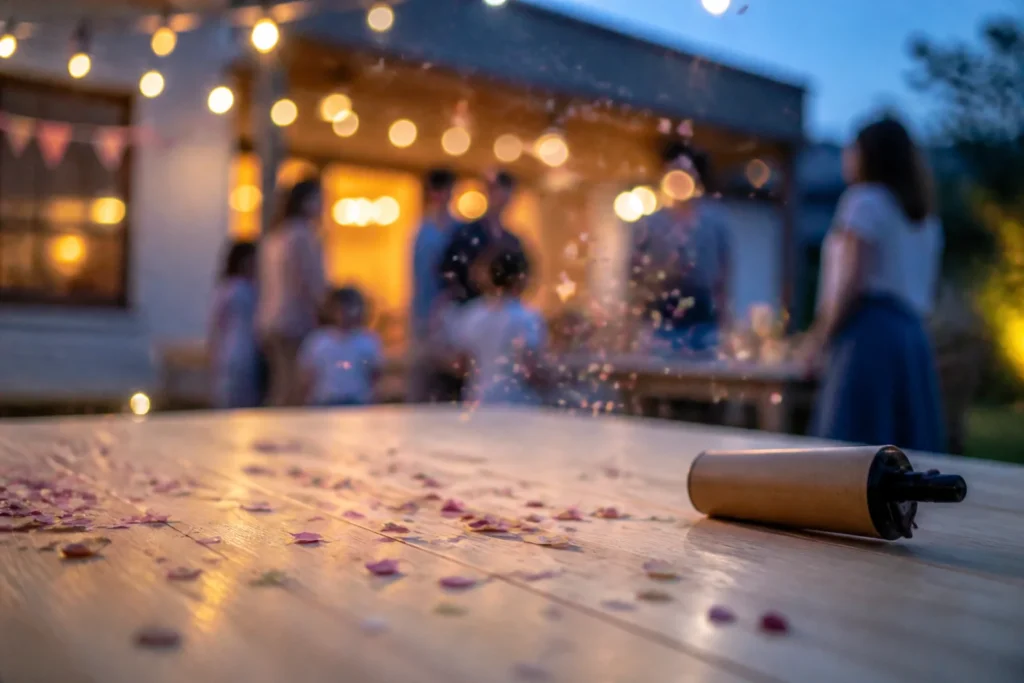
When selecting confetti for cannon use in windy outdoor environments, the material and design are paramount to achieving the desired effect and managing cleanup. Biodegradable tissue confetti stands out as the superior choice for these challenging conditions. Its lightweight nature allows it to catch air currents and drift slowly, creating a beautiful, lingering visual display. Unlike heavier options, tissue confetti is less likely to be carried away abruptly by gusts, instead dispersing more gently over a wider area. This characteristic is particularly beneficial for events like gender reveal powder cannon launches or wedding celebrations where a soft, floating effect is desired. Furthermore, the biodegradable aspect addresses environmental concerns, as these pieces are designed to break down naturally, simplifying cleanup, which is a significant advantage for outdoor venues or public parks. According to environmental guidelines, biodegradable confetti typically decomposes within a few weeks to several months, depending on local conditions.
Within the category of biodegradable tissue confetti, consider variations in shape and size for optimal performance. Smaller, irregularly shaped pieces, such as those found in some bulk confetti mixes, tend to have better hang time and a more natural drift than larger, uniform squares or circles. The increased surface area relative to their weight allows them to interact more effectively with air, slowing their descent. For instance, confetti cut into small rectangles or butterfly shapes can create a more dynamic and prolonged visual effect in a breeze. While metallic confetti offers a brilliant sparkle, its higher density causes it to fall much faster and makes it more susceptible to being carried far away by wind, potentially landing in unintended areas and becoming difficult to retrieve. For this reason, many event planners avoid metallic confetti for outdoor cannon use unless wind conditions are exceptionally calm, which is rare for most outdoor settings.
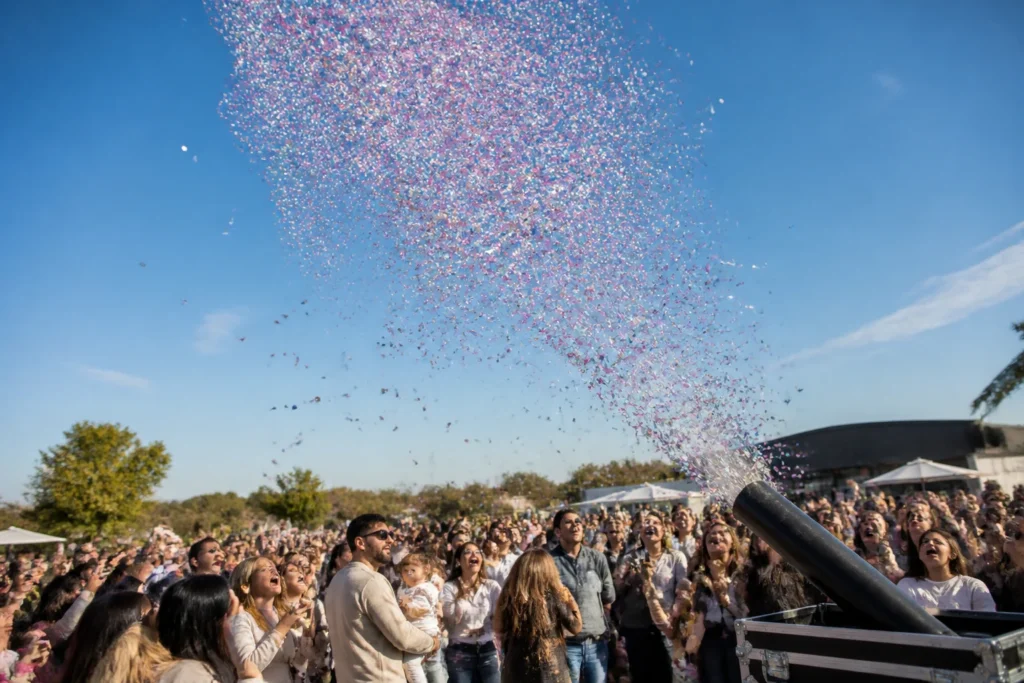
For specific applications like gender reveal confetti cannon events, a combination of biodegradable tissue and powder can be highly effective. The powder creates an initial burst of color, which is less affected by wind in the immediate moments after launch, while the tissue confetti provides the lingering visual. This dual-effect approach ensures that the reveal is impactful even if wind conditions are not ideal. When planning for a large gender reveal powder cannon, for example, positioning the cannon downwind from the audience can help ensure the powder and confetti drift towards them, maximizing the visual experience. Always consider the direction of the wind and aim the cannon accordingly to prevent the confetti from being blown away from the viewing area. This strategic planning, combined with the right confetti choice, ensures a memorable and successful outdoor celebration, whether it’s a wedding, a festival, or a special announcement.
How Can Event Planners Mitigate Wind and Weather Challenges?
Mitigating wind and weather challenges for outdoor confetti cannon displays requires careful planning and strategic execution. One of the most effective strategies is to conduct a thorough site assessment well in advance of the event. This involves observing prevailing wind patterns at different times of day, identifying potential wind tunnels created by buildings or natural landscapes, and noting any areas prone to excessive moisture. For example, a venue situated near a large body of water might experience stronger, more consistent breezes than an inland location. Based on this assessment, event planners can strategically position confetti cannons to launch with the wind, ensuring the confetti drifts over the intended audience or display area rather than being blown away. This proactive approach is crucial for events like large outdoor concerts or sports celebrations where the visual impact of confetti is a key element of the experience.
Another crucial mitigation technique involves selecting the appropriate confetti material and cannon type. As discussed, biodegradable tissue confetti is generally preferred for its lightweight properties and environmental benefits. However, for situations where a more controlled descent is desired despite moderate wind, some event professionals opt for slightly heavier, yet still biodegradable, paper confetti. This offers a compromise between hang time and resistance to being carried too far. When it comes to the cannon itself, electric confetti cannon systems often provide greater control over launch trajectory and timing, allowing for more precise adjustments to compensate for wind shifts. For instance, an electric cannon can be programmed to fire at a specific angle and height, which can be adjusted on the fly if wind conditions change unexpectedly. This level of control is particularly valuable for high-stakes events where a perfect confetti display is essential.
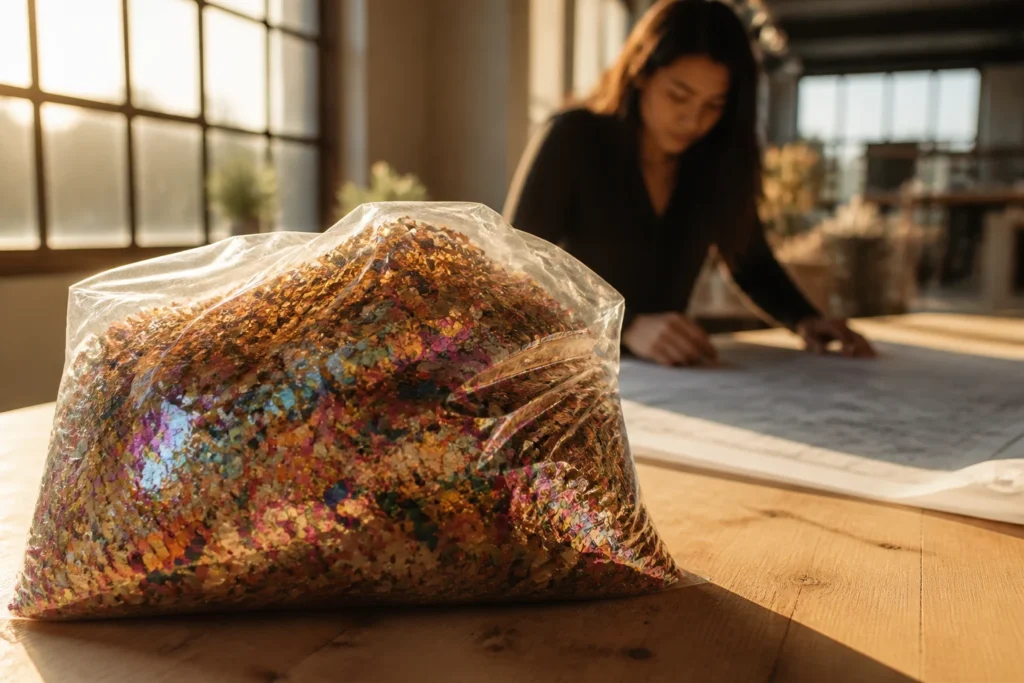
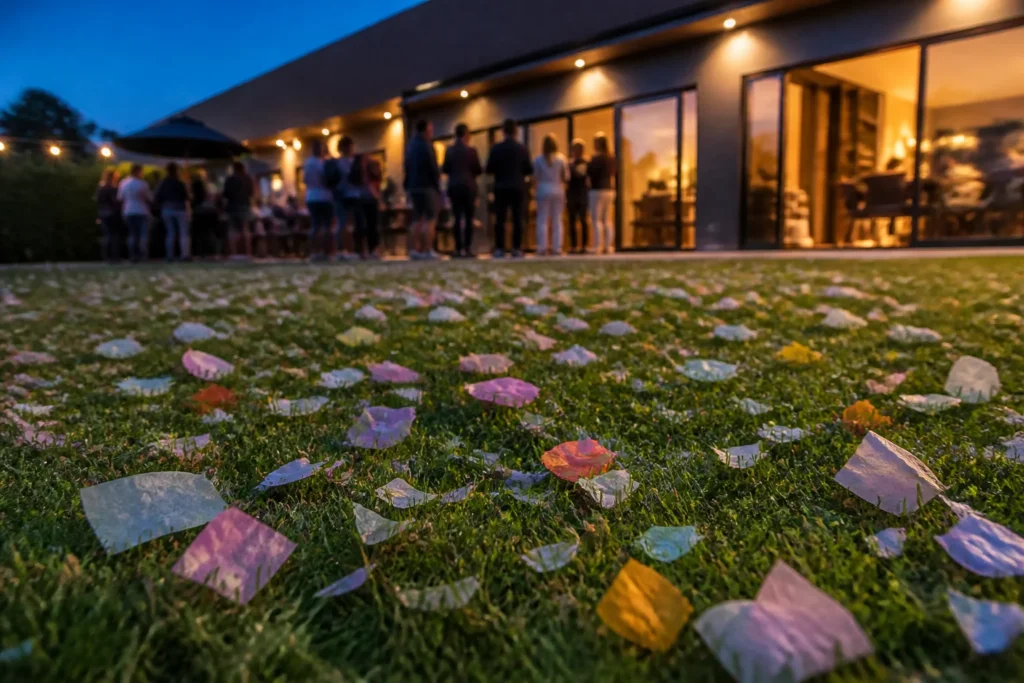
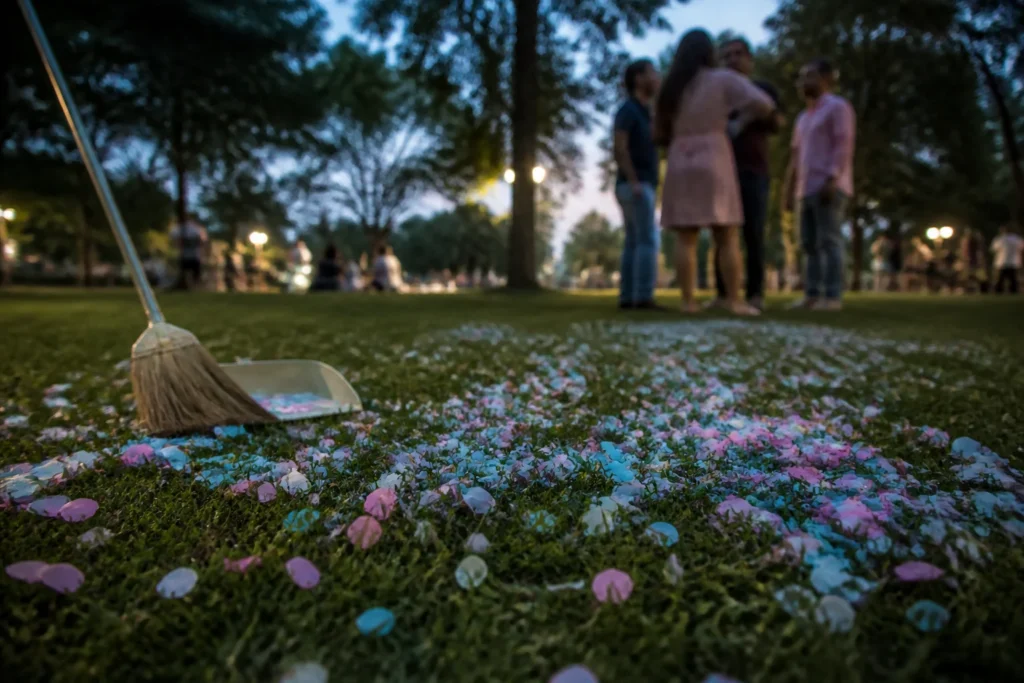
Beyond material and equipment, operational tactics on the day of the event are vital. If wind speeds are higher than anticipated, consider reducing the amount of confetti loaded into each cannon to prevent overwhelming dispersal. Alternatively, firing multiple cannons simultaneously from different angles can create a more concentrated effect, even if individual streams are affected by wind. For events where rain is a possibility, having waterproof covers for cannons and keeping confetti stored in sealed containers until the last possible moment can prevent clumping and ensure a smooth launch. Furthermore, communicating with the venue staff about cleanup expectations and having a dedicated team ready to manage post-event debris is essential, especially when using bulk confetti. By combining careful planning, appropriate material selection, and responsive operational adjustments, event planners can significantly enhance the success of outdoor confetti displays, even when faced with challenging wind and weather conditions.
Comparison of Confetti Types for Outdoor Use
Understanding the distinct characteristics of various confetti types is essential for making an informed decision, especially when planning an outdoor confetti for cannon display where wind and weather are factors. The primary considerations revolve around material, hang time, visual effect, and environmental impact. Biodegradable tissue confetti, often made from rice paper or cornstarch, is celebrated for its exceptional hang time. Its light weight allows it to float gracefully, creating a prolonged, ethereal effect that is highly desirable for weddings, gender reveals, and other celebratory moments. This type of confetti is also the most environmentally friendly, breaking down naturally within weeks or months, which is a significant advantage for outdoor venues and aligns with growing eco-conscious event planning trends as of 2026. However, its lightness also means it is most susceptible to being carried far by strong winds, potentially requiring more extensive cleanup if not managed carefully.
Metallic confetti, typically made from PVC or Mylar, offers a dazzling, reflective visual effect that catches light beautifully, making it popular for high-energy events like concerts or sports victories. Its heavier weight means it falls faster than tissue confetti, creating a more immediate, impactful burst of sparkle. While this rapid descent can be an advantage in very calm conditions, it becomes a significant drawback in windy environments. Metallic confetti can be carried long distances by even moderate breezes and, due to its non-biodegradable nature, poses a greater challenge for cleanup, especially if it lands in hard-to-reach areas or natural landscapes. For this reason, many outdoor venues and event organizers restrict or prohibit the use of metallic confetti, particularly for bulk confetti applications. A recent survey of event venue policies indicates that over 60% of outdoor venues have specific restrictions on non-biodegradable confetti.
A third option, often used for gender reveal powder cannon events, combines powder with biodegradable tissue confetti. This hybrid approach offers the best of both worlds: the immediate, vibrant color burst from the powder, which is less affected by initial wind, followed by the gentle drift of the tissue confetti. The powder creates an instant visual impact, making the reveal clear and dramatic, while the confetti ensures a lingering, celebratory atmosphere. This combination is particularly effective for outdoor gender reveal confetti cannon launches where both immediate impact and a beautiful, floating effect are desired. When considering this option, ensure the powder is also biodegradable and non-toxic, aligning with environmental and safety standards. The table below provides a concise comparison to aid in selection.
| Confetti Type |
Key Characteristics |
Outdoor Suitability (Wind) |
Visual Effect |
Environmental Impact |
| Biodegradable Tissue |
Very lightweight, soft texture, often rice paper or cornstarch-based. |
Good; drifts gracefully, but can travel far in strong winds. |
Soft, floating, lingering, ethereal. |
Excellent; decomposes naturally. |
| Metallic (Mylar/PVC) |
Heavier, reflective, shiny. |
Poor; falls quickly, easily carried far by wind, difficult cleanup. |
Bright, sparkling, high-impact, immediate. |
Poor; non-biodegradable, persistent in environment. |
| Powder + Tissue Combo |
Powder for immediate burst, tissue for lingering effect. |
Moderate; powder less affected initially, tissue drifts. |
Vibrant initial burst, followed by soft float. |
Good; if both components are biodegradable. |
Q&A: Addressing Common Concerns for Outdoor Confetti Displays
Q: How far can confetti from a cannon travel in windy conditions?
A: The distance confetti travels from a cannon in windy conditions varies significantly based on wind speed, confetti type, and cannon power. For instance, a standard handheld confetti for cannon loaded with biodegradable tissue confetti can see its contents travel anywhere from 50 to 150 feet in a moderate breeze of 10-15 miles per hour. Stronger winds, exceeding 20 miles per hour, can carry lighter confetti types much further, potentially several hundred feet, making precise control challenging. Heavier metallic confetti, while falling faster, can still be carried a considerable distance before hitting the ground if caught by a strong gust. Always consider the surrounding area and potential landing zones when planning your launch.
Q: Are there any regulations regarding confetti use outdoors?
A: Yes, regulations regarding confetti use outdoors are increasingly common and vary by location and venue. Many public parks, beaches, and nature reserves strictly prohibit non-biodegradable confetti due to environmental concerns and cleanup difficulties. Some venues may require specific permits for any confetti use, especially for large-scale events involving bulk confetti or multiple electric confetti cannon setups. It is crucial to check with local municipal authorities, park management, or private venue operators well in advance of your event to understand their specific policies. Failure to comply can result in fines or additional cleanup charges. Always prioritize biodegradable options to minimize potential issues.
Q: What is the ideal wind speed for an outdoor confetti cannon display?
A: The ideal wind speed for an outdoor confetti cannon display is generally very low, ideally between 0-5 miles per hour, which is considered a light breeze or calm conditions. In such conditions, confetti, especially biodegradable tissue confetti, can float and disperse beautifully without being carried away too quickly. Moderate breezes (5-15 mph) can still work, but require strategic cannon placement and aiming with the wind. Wind speeds exceeding 15-20 miles per hour make effective confetti displays challenging, as the confetti becomes difficult to control and may not achieve the desired visual impact. In very windy conditions, it might be best to reconsider the display or opt for a different effect.
Q: How does humidity affect confetti performance?
A: Humidity can affect confetti performance, particularly with tissue-based confetti. In very high humidity, tissue confetti can absorb moisture from the air, making it slightly heavier and potentially causing it to clump together. This can reduce its hang time and lead to a less even dispersal from the cannon. While minor humidity usually has little impact, prolonged exposure to damp conditions before launch or very high ambient humidity on the day of the event can diminish the visual effect. To mitigate this, store confetti in airtight containers until just before use, and avoid loading cannons too far in advance if the weather is particularly humid. Metallic confetti is largely unaffected by humidity.
Q: Can I use a gender reveal powder cannon in windy conditions?
A: Using a gender reveal powder cannon in windy conditions requires careful consideration. While the initial burst of powder is less affected by wind than lightweight confetti, strong gusts can still disperse the powder quickly, potentially obscuring the color or carrying it away from the intended viewing area. For best results, position the cannon downwind from your audience to ensure the powder drifts towards them. If wind speeds are moderate to high, consider using a combination powder and confetti cannon, where the powder provides the immediate reveal and the confetti offers a lingering visual. Always check wind direction immediately before launch to optimize the effect and ensure a clear reveal.
Bottom Line: For outdoor confetti cannon displays, especially when wind and weather are factors, biodegradable tissue confetti is the optimal choice due to its light weight, graceful drift, and eco-friendly cleanup, ensuring a beautiful visual effect and minimizing environmental impact.
Frequently Asked Questions
What type of confetti is best for outdoor events?
Biodegradable tissue confetti is best for outdoor events. Its lightweight nature allows it to float gracefully, creating a beautiful visual effect, and it naturally decomposes, simplifying cleanup and minimizing environmental impact, which is a key consideration for many venues as of 2026.
Does wind affect confetti cannons?
Yes, wind significantly affects confetti cannons. Strong winds can carry confetti far from the intended display area, reducing visual impact and complicating cleanup. Strategic cannon placement and choosing lightweight, biodegradable confetti can help mitigate these effects.
Is metallic confetti suitable for outdoor use?
Metallic confetti is generally not suitable for outdoor use, especially in windy conditions. Its heavier weight causes it to fall quickly and it can be carried long distances by wind, making cleanup difficult. It is also non-biodegradable, posing environmental concerns for outdoor venues.
How do I ensure confetti lands where I want it?
To ensure confetti lands where intended, assess wind direction and speed before launching. Position the confetti for cannon to fire with the wind, aiming towards your other brands area. Using biodegradable tissue confetti and potentially reducing the load in very windy conditions can also help.
Are there eco-friendly confetti options for outdoor use?
Yes, eco-friendly confetti options are widely available for outdoor use. Biodegradable tissue confetti, made from materials like rice paper or cornstarch, is designed to dissolve or break down naturally, making it an excellent choice for environmentally conscious events and venues.