Answer
Biodegradable Confetti Options
Confetti adds a festive touch to celebrations, but traditional options often linger as litter, harming the environment. Fortunately, a growing awareness of sustainability has led to innovative, eco-friendly alternatives.
TL;DR
- Biodegradable Confetti OptionsConfetti adds a festive touch to celebrations, but traditional options often linger as litter, harming the environment.
- Fortunately, a growing awareness of sustainability has led to innovative, eco-friendly alternatives.
- This article explores the world of biodegradable confetti, examining materials, DIY options, and responsible usage to help you celebrate consciously.
- Let’s dive into how you can make your next event both memorable and environmentally sound, including where to source custom confetti for a truly personalized touch.
- Understanding Biodegradable ConfettiBiodegradable confetti breaks down naturally, minimizing its impact on ecosystems.
Biodegradable Confetti Options
Confetti adds a festive touch to celebrations, but traditional options often linger as litter, harming the environment. Fortunately, a growing awareness of sustainability has led to innovative, eco-friendly alternatives. This article explores the world of biodegradable confetti, examining materials, DIY options, and responsible usage to help you celebrate consciously. Let’s dive into how you can make your next event both memorable and environmentally sound, including where to source custom confetti for a truly personalized touch.
Understanding Biodegradable Confetti
Biodegradable confetti breaks down naturally, minimizing its impact on ecosystems. Unlike plastic or metallic confetti, which can persist for years, biodegradable options decompose relatively quickly under the right conditions. The key lies in the materials used. Common biodegradable materials include rice paper, dried leaves, flower petals, and seed paper. Rice paper, also known as edible paper, is a thin, translucent material that dissolves in water. Dried leaves, especially those from deciduous trees, decompose readily, enriching the soil as they break down. Flower petals offer a colorful and fragrant option, adding a natural touch to any celebration. Seed paper, embedded with wildflower seeds, takes biodegradability a step further by promoting plant growth as it decomposes. When planning an event, consider the location and potential environmental impact when choosing your custom confetti.
The biodegradability of confetti also depends on environmental factors such as moisture, temperature, and the presence of microorganisms. Confetti scattered in a dry, arid environment may take longer to decompose than confetti exposed to regular rainfall and soil contact. Similarly, confetti made from thicker materials may require more time to break down than thinner, more delicate options. It’s essential to choose confetti that is appropriate for the specific environment where it will be used. For outdoor events, opt for confetti made from materials that decompose quickly and pose minimal risk to local ecosystems. For indoor events, consider collecting the confetti after the celebration to ensure proper disposal and prevent any potential environmental harm. Always check with venues regarding their policies on confetti use, as some may have restrictions or specific guidelines in place.
Many companies now offer custom confetti blends using biodegradable materials, allowing you to personalize your celebrations while remaining eco-conscious. These blends can incorporate various colors, shapes, and textures, creating a unique and visually appealing effect. Some companies even offer custom printing on rice paper confetti, allowing you to add names, dates, or logos to your celebratory toss. When sourcing biodegradable confetti, look for certifications or labels that verify the product’s environmental claims. Reputable suppliers will be transparent about the materials used and the biodegradability testing conducted. By choosing certified biodegradable confetti, you can be confident that you are making a responsible choice for the environment. Remember to dispose of any leftover confetti properly, composting it whenever possible to further reduce its environmental impact.
DIY Biodegradable Confetti Ideas
Creating your own biodegradable confetti is a fun and cost-effective way to personalize your celebrations while minimizing waste. One popular option is to use dried leaves collected from your yard or local parks. Gather fallen leaves, ensuring they are clean and free from any signs of disease or pests. Spread the leaves out on a flat surface and allow them to dry completely. Once dry, use a hole punch or scissors to create small, confetti-sized pieces. You can mix different types of leaves to create a variety of colors and textures. Another option is to use flower petals from your garden or locally sourced flowers. Gently pluck the petals from the flowers and spread them out to dry. Once dry, they are ready to be used as confetti. Consider using a mix of different colored petals to create a vibrant and visually appealing effect. These DIY options not only reduce waste but also add a personal touch to your event. For a truly unique touch, consider adding a few drops of essential oil to your homemade confetti for a subtle fragrance.
Another creative DIY option involves using seed paper to create biodegradable confetti that blooms into wildflowers. Seed paper is embedded with wildflower seeds and can be easily cut into confetti shapes. You can purchase seed paper online or at craft stores. Use a hole punch, die-cut machine, or scissors to create small, confetti-sized pieces from the seed paper. When tossed, the confetti will decompose and the seeds will germinate, creating a beautiful display of wildflowers. This option is particularly suitable for outdoor events, as it promotes plant growth and enhances the natural environment. Choose wildflower seeds that are native to your region to ensure they thrive in the local climate and support local ecosystems. Be sure to inform your guests about the seed paper confetti and encourage them to scatter it in a suitable location where the seeds can germinate and grow. This eco-friendly option adds a touch of whimsy and sustainability to any celebration.
A small wedding in Sonoma County, California, embraced sustainability by creating custom confetti from dried lavender and rose petals grown in the bride’s own garden. Guests were given small paper cones filled with the fragrant confetti to toss as the couple walked down the aisle. The natural confetti not only added a beautiful touch to the ceremony but also left a minimal environmental impact, aligning perfectly with the couple’s values.
Case Study: Eco-Friendly Wedding Favors
A couple planning their wedding in Portland, Oregon, wanted to minimize their environmental footprint while still providing memorable favors for their guests. They decided to create small packets of homemade biodegradable confetti using dried flower petals and seed paper. Each packet was tied with a piece of twine and included a handwritten note explaining the eco-friendly nature of the confetti and encouraging guests to scatter it in their gardens. The wedding favors were a hit, and guests appreciated the couple’s commitment to sustainability. The couple also partnered with a local composting service to ensure that any leftover confetti was properly disposed of, further reducing their environmental impact. This thoughtful approach to wedding favors demonstrated their dedication to creating a celebration that was both beautiful and environmentally responsible.
Responsible Confetti Usage
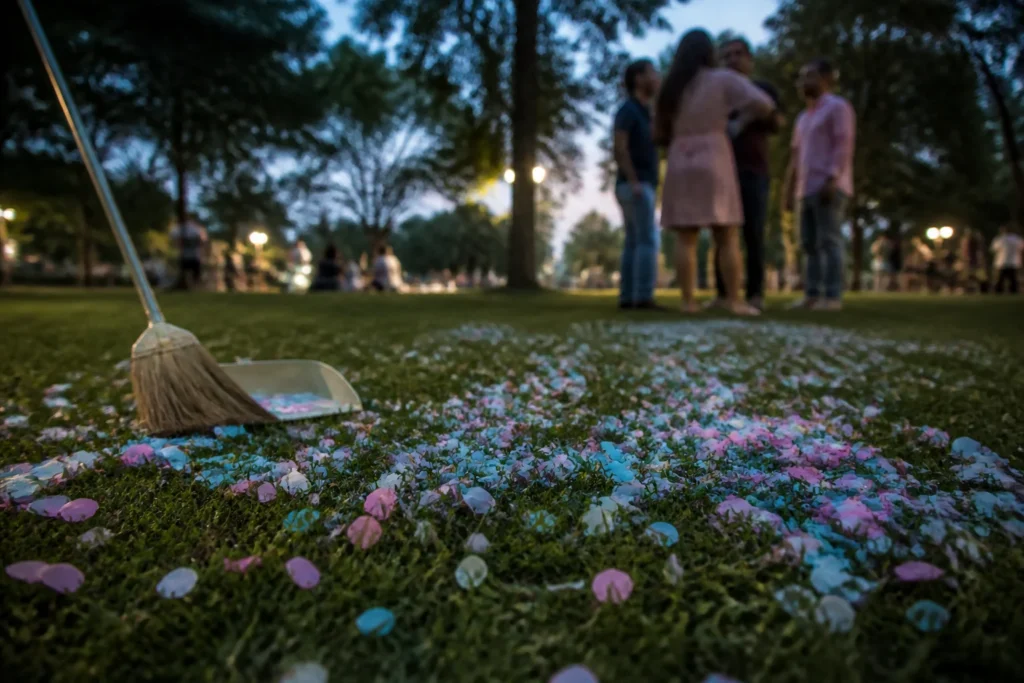
Even with biodegradable confetti, responsible usage is crucial to minimize any potential environmental impact. Before using confetti at an event, check with the venue or local authorities regarding any restrictions or guidelines. Some venues may have specific policies in place to protect sensitive ecosystems or prevent littering. Always clean up any remaining confetti after the celebration to prevent it from becoming a nuisance or harming wildlife. Use a broom, vacuum cleaner, or leaf blower to collect the confetti and dispose of it properly. Compost biodegradable confetti whenever possible to further reduce its environmental impact. Avoid using confetti near waterways or sensitive habitats, as it can contaminate water sources or harm aquatic life. Educate your guests about the importance of responsible confetti usage and encourage them to dispose of it properly. By following these guidelines, you can enjoy the festive atmosphere of confetti without compromising the health of the environment.
Sourcing Biodegradable Confetti
Finding reliable sources for biodegradable confetti is essential for ensuring your celebrations are truly eco-friendly. Look for suppliers that are transparent about their materials and manufacturing processes. Many companies now offer detailed information about the biodegradability of their products, including certifications from reputable organizations. When purchasing biodegradable confetti, consider the following factors: material composition, biodegradability testing, environmental certifications, and customer reviews. Opt for confetti made from natural materials such as rice paper, dried leaves, or flower petals. Check for certifications such as ASTM D6400 or EN 13432, which indicate that the product meets specific biodegradability standards. Read customer reviews to get an idea of the product’s quality and environmental performance. By carefully evaluating these factors, you can choose biodegradable confetti that is both festive and environmentally responsible. Consider supporting local businesses or artisans who create handmade biodegradable confetti using sustainable practices. This not only reduces your carbon footprint but also supports the local economy.
Online marketplaces and specialty party supply stores are excellent resources for finding a wide variety of biodegradable confetti options. Many online retailers offer detailed product descriptions and customer reviews, making it easy to compare different products and choose the best option for your needs. Specialty party supply stores often carry a curated selection of eco-friendly products, including biodegradable confetti made from sustainable materials. When shopping online, be sure to check the supplier’s return policy and shipping practices to ensure a smooth and hassle-free experience. Consider purchasing confetti in bulk to save money and reduce packaging waste. Look for suppliers that use eco-friendly packaging materials, such as recycled cardboard or biodegradable plastic. By making informed purchasing decisions, you can support sustainable businesses and minimize your environmental impact.
Here’s a comparison of common biodegradable confetti materials:
| Material |
Biodegradability |
Appearance |
Cost |
Environmental Impact |
| Rice Paper |
High (dissolves in water) |
Thin, translucent, smooth |
Moderate |
Low |
| Dried Leaves |
High (decomposes quickly) |
Natural, varied colors and textures |
Low |
Low |
| Flower Petals |
High (decomposes quickly) |
Colorful, fragrant, delicate |
Moderate |
Low |
| Seed Paper |
High (seeds germinate) |
Textured, embedded with seeds |
High |
Very Low (promotes plant growth) |
Creative Alternatives to Traditional Confetti
Beyond biodegradable confetti, several other creative and eco-friendly alternatives can add a festive touch to your celebrations. Consider using bubbles instead of confetti for a whimsical and mess-free option. Bubbles are biodegradable and do not leave any lasting environmental impact. Another option is to use ribbon wands, which can be waved in the air to create a colorful and dynamic effect. Ribbon wands can be reused for multiple events, making them a sustainable and cost-effective alternative to confetti. For outdoor events, consider using natural elements such as leaves, flowers, or herbs to create a natural and biodegradable “confetti” effect. These alternatives not only reduce waste but also add a unique and personal touch to your celebration. When choosing alternatives to traditional confetti, consider the location, theme, and overall aesthetic of your event.
Another innovative alternative is to use light projections to create a dazzling visual display. Projectors can be used to project colorful patterns, images, or animations onto walls, ceilings, or even the ground. This option is particularly suitable for indoor events or nighttime celebrations. Light projections are reusable and do not generate any waste, making them a highly sustainable alternative to confetti. For a more interactive experience, consider using biodegradable streamers or banners that guests can wave or toss in the air. Streamers and banners can be made from recycled paper or fabric and can be easily collected and composted after the event. When choosing alternatives to traditional confetti, be creative and think outside the box to find options that are both festive and environmentally responsible. Remember to prioritize sustainability and minimize waste whenever possible.
Consider these steps for a memorable, eco-friendly send-off:
- Research venue policies regarding confetti or send-off materials.
- Choose a truly biodegradable alternative like dried flower petals or bubbles.
- Communicate your eco-friendly choice to guests beforehand.
- Designate a cleanup crew to gather any stray materials after the event.
A wedding planner in Vermont specializes in eco-conscious events. She advises clients to consider birdseed as a confetti alternative, particularly for outdoor ceremonies. However, she cautions against using rice, as it can be harmful to birds. She emphasizes the importance of researching local wildlife and choosing a send-off material that is both festive and safe for the environment.
Addressing Common Concerns
While biodegradable confetti is a more environmentally friendly option than traditional confetti, some concerns still exist regarding its potential impact. One common concern is the time it takes for biodegradable confetti to decompose. While biodegradable confetti breaks down faster than plastic confetti, it may still take several weeks or months to fully decompose, depending on environmental conditions. Another concern is the potential for biodegradable confetti to attract pests or wildlife. Confetti made from food-based materials, such as rice paper or seed paper, may attract insects or animals, which could create a nuisance or disrupt local ecosystems. To address these concerns, it’s essential to choose biodegradable confetti made from materials that decompose quickly and pose minimal risk to wildlife. Always clean up any remaining confetti after the celebration to prevent it from becoming a nuisance or harming the environment. Consider using a composting service to ensure that biodegradable confetti is properly disposed of and broken down.
Another concern is the potential for “greenwashing,” where products are marketed as biodegradable but do not actually meet biodegradability standards. To avoid greenwashing, look for certifications or labels that verify the product’s environmental claims. Reputable suppliers will be transparent about the materials used and the biodegradability testing conducted. Read customer reviews to get an idea of the product’s quality and environmental performance. Be wary of products that make vague or unsubstantiated claims about biodegradability. Choose products that have been independently tested and certified by a reputable organization. By being informed and discerning, you can avoid greenwashing and choose biodegradable confetti that is truly environmentally responsible. Remember that even the most eco-friendly confetti requires responsible disposal to minimize its impact.
A small town in Oregon banned all confetti, even biodegradable options, after experiencing issues with cleanup and potential harm to local wildlife. While this is an extreme case, it highlights the importance of responsible confetti usage and the need to consider the potential impact on local ecosystems. The town now encourages residents to use alternative celebration methods, such as planting trees or releasing butterflies, to mark special occasions.
Using seed confetti is a great way to celebrate while also helping the environment. The key is to use native wildflower seeds. These seeds are adapted to the local climate and soil conditions, which increases their chances of survival. They also provide a food source and habitat for local pollinators, such as bees and butterflies. Avoid using invasive species, as they can outcompete native plants and disrupt local ecosystems. Always check with local authorities or experts to determine which wildflower seeds are best suited for your region. By choosing native wildflower seeds, you can create a beautiful and sustainable celebration that benefits the environment.
Consider using a leaf shredder to create very fine confetti from dried leaves. This accelerates the decomposition process and minimizes the visual impact of the confetti. The resulting leaf confetti can be easily composted or used as mulch in your garden. This is a great way to repurpose fallen leaves and reduce waste. Be sure to use leaves that are free from any signs of disease or pests. Avoid using leaves that have been treated with pesticides or herbicides. By using a leaf shredder, you can create a sustainable and environmentally friendly confetti option that benefits both your celebration and your garden. This is an example of creative reuse, a key principle of sustainable living.
Creative Custom Confetti Ideas
Consider incorporating natural dyes to color your homemade confetti. Beet juice can create a vibrant pink, spinach juice a subtle green, and turmeric a sunny yellow. Experiment with different combinations to achieve a unique and personalized color palette. Ensure the dyes are fully dried before using the confetti to prevent staining. Another creative idea is to use cookie cutters to create unique shapes from dried leaves or flower petals. Stars, hearts, or even custom shapes can add a personal touch to your confetti. This is a great way to involve children in the preparation process and make your celebration even more special. Remember to choose materials that are readily biodegradable and safe for the environment.
For a truly personalized touch, consider creating custom stamps to imprint designs onto your biodegradable confetti. Use food-safe ink to stamp patterns, initials, or even small images onto rice paper or dried leaves. This adds a unique and memorable element to your celebration. Another option is to create confetti from recycled paper that has been shredded and dyed with natural colors. This is a great way to repurpose old newspapers, magazines, or wrapping paper. Be sure to remove any staples or tape before shredding the paper. This option is both eco-friendly and cost-effective. Remember to always prioritize sustainability and minimize waste when creating your custom confetti.
“We used dried lavender from our garden as confetti for our wedding exit. The scent was amazing, and it looked beautiful in the photos. Plus, it was completely biodegradable!” – Sarah M., Bride
A couple in Asheville, North Carolina, created custom confetti from dried herbs and spices for their wedding. They used a combination of lavender, rosemary, thyme, and cinnamon to create a fragrant and visually appealing confetti mix. Guests were delighted by the unique scent and the eco-friendly nature of the confetti. The couple also included small packets of the herb and spice mix as wedding favors, allowing guests to take home a piece of their special day. This creative approach to confetti added a personal touch to their wedding and demonstrated their commitment to sustainability. The use of herbs and spices also added a unique sensory experience for the guests.
Making Responsible Choices for Your Custom Confetti
When planning an outdoor event, consider the potential impact of your confetti on local wildlife. Avoid using confetti near nesting sites or feeding areas. Choose materials that are non-toxic and will not harm animals if ingested. Always clean up any remaining confetti after the celebration to prevent it from becoming a nuisance or harming wildlife. Educate your guests about the importance of responsible confetti usage and encourage them to dispose of it properly. By taking these precautions, you can enjoy the festive atmosphere of confetti without compromising the health of the environment. Remember that even biodegradable confetti can have a negative impact if not used responsibly.
Consider the wind conditions when using confetti outdoors. On windy days, confetti can easily be blown away and scattered over a wide area, making it difficult to clean up. Choose a sheltered location or use heavier confetti materials that are less likely to be blown away. Another option is to use confetti alternatives, such as bubbles or ribbon wands, which are less susceptible to wind. Always be mindful of the environment and take precautions to minimize any potential impact. Remember that responsible confetti usage is essential for protecting the health of the planet.
A community in Boulder, Colorado, organized a “Confetti Cleanup Crew” after a large outdoor celebration. Volunteers gathered to collect any remaining confetti and dispose of it properly. The cleanup crew used brooms, vacuum cleaners, and leaf blowers to remove the confetti from parks, streets, and other public areas. The event was a success, and the community demonstrated its commitment to environmental stewardship. This initiative highlights the importance of collective action in addressing environmental challenges. By working together, we can create a cleaner and more sustainable future.
Celebrate Responsibly: Eco-Friendly Send-Offs That Wow
Choosing eco-friendly confetti alternatives and using biodegradable options responsibly ensures your celebration is both memorable and kind to the planet. By opting for natural materials, cleaning up thoroughly, and educating your guests, you can minimize your environmental impact while still enjoying the festive atmosphere of confetti.
Ready to plan your eco-conscious celebration? What creative and sustainable confetti idea will you choose to make your event unforgettable and environmentally friendly?
Q: Is seed paper confetti safe for all environments?
A: While generally safe, it’s best to use native wildflower seeds to avoid introducing invasive species. Check with local authorities for recommended seed types.
Q: How long does it take for biodegradable confetti to decompose?
A: Decomposition time varies depending on the material and environmental conditions, but most biodegradable confetti will break down within a few weeks to a few months.
Q: Can I make my own biodegradable confetti at home?
A: Yes! Dried flower petals, leaves, and rice paper are all great options for making homemade biodegradable confetti.