AnswerCO2 Powered Confetti Cannons: Power and Range
Imagine the scene: a crescendo of music, a burst of light, and then… an explosion of vibrant confetti raining down on the crowd. Confetti cannons for events have become a staple for celebrations, adding an unforgettable visual spectacle to concerts, weddings, sporting events, and corporate gatherings.
TL;DR
- CO2 Powered Confetti Cannons: Power and Range
Imagine the scene: a crescendo of music, a burst of light, and then… an explosion of vibrant confetti raining down on the crowd.
- Confetti cannons for events have become a staple for celebrations, adding an unforgettable visual spectacle to concerts, weddings, sporting events, and corporate gatherings.
- But behind the dazzling display lies a fascinating combination of physics and engineering, particularly when it comes to CO2-powered cannons.
- This article delves into the mechanics of these cannons, exploring their power, range, and the factors that influence their performance, offering insights for event planners, pyrotechnicians, and anyone curious about the science of celebration.
- Understanding CO2 Confetti Cannon Mechanics for Events
CO2 confetti cannons utilize compressed carbon dioxide to propel confetti high into the air, creating a stunning visual effect.
CO2 Powered Confetti Cannons: Power and Range
Imagine the scene: a crescendo of music, a burst of light, and then… an explosion of vibrant confetti raining down on the crowd. Confetti cannons for events have become a staple for celebrations, adding an unforgettable visual spectacle to concerts, weddings, sporting events, and corporate gatherings. But behind the dazzling display lies a fascinating combination of physics and engineering, particularly when it comes to CO2-powered cannons. This article delves into the mechanics of these cannons, exploring their power, range, and the factors that influence their performance, offering insights for event planners, pyrotechnicians, and anyone curious about the science of celebration.
Understanding CO2 Confetti Cannon Mechanics for Events
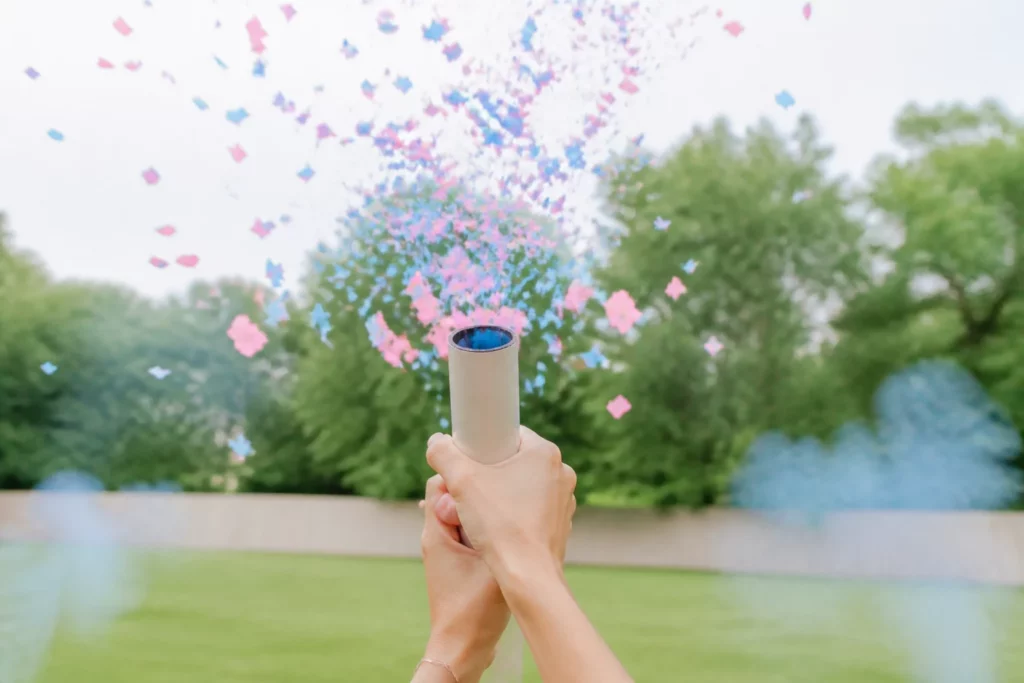
CO2 confetti cannons utilize compressed carbon dioxide to propel confetti high into the air, creating a stunning visual effect. The basic principle is simple: a canister of CO2 is connected to a launch tube filled with confetti. When the valve is opened, the pressurized CO2 rapidly expands, creating a powerful force that ejects the confetti. The amount of CO2, the size of the canister, and the design of the launch tube all play crucial roles in determining the cannon’s power and range. For instance, a larger CO2 canister will generally provide more power, allowing the confetti to be launched higher and farther. Similarly, a wider launch tube might accommodate more confetti, but it could also reduce the pressure and thus the overall range. The type of confetti used also matters; lighter, smaller pieces will travel farther than heavier, larger pieces. Companies like Magic FX and Ultratec Special Effects offer a range of CO2 cannons with varying power levels and features, catering to different event sizes and desired effects. Understanding these basic mechanics is essential for selecting the right confetti cannon for your specific needs.
The pressure inside the CO2 canister is a critical factor in determining the cannon’s performance. Higher pressure translates to greater force, resulting in a more powerful launch. However, safety is paramount, and CO2 canisters are designed with pressure relief valves to prevent over-pressurization and potential explosions. The pressure is typically measured in pounds per square inch (PSI) or bars. A typical CO2 confetti cannon might operate at pressures ranging from 800 to 1200 PSI. The duration of the confetti burst is also influenced by the CO2 pressure and the valve mechanism. Some cannons are designed for a single, powerful burst, while others can deliver a sustained stream of confetti over several seconds. The choice depends on the desired effect and the overall choreography of the event. Consider, for example, a wedding where a single, dramatic burst of confetti might be perfect for the couple’s first dance, while a concert might benefit from a continuous stream of confetti during a high-energy song. Proper maintenance and inspection of the CO2 canister and valve are crucial for ensuring safe and reliable operation.
The design of the launch tube significantly impacts the confetti’s trajectory and dispersion. A longer launch tube allows the CO2 to exert force on the confetti for a longer period, potentially increasing the range. However, a longer tube can also increase friction, which can reduce the confetti’s velocity. The angle of the launch tube also plays a crucial role in determining the confetti’s trajectory. A steeper angle will result in a higher launch, while a shallower angle will result in a longer range. Some confetti cannons feature adjustable launch angles, allowing for greater control over the confetti’s dispersion. The shape of the launch tube’s opening can also affect the confetti’s spread. A wider opening will generally result in a wider spread, while a narrower opening will result in a more concentrated stream. Event organizers often experiment with different launch tube designs to achieve the desired visual effect. For instance, a narrow, angled launch tube might be used to create a focused stream of confetti that falls directly onto the stage, while a wider, more vertical launch tube might be used to create a broader shower of confetti that covers the entire audience.
Factors Affecting the Range of Your Confetti Cannon for Events
Several factors influence the range of a CO2 confetti cannon, extending beyond just the pressure and launch tube design. These include the type of confetti used, environmental conditions like wind, and even the altitude of the event location. Understanding these factors is crucial for planning a successful confetti display. For example, metallic confetti, while visually stunning, is heavier than tissue paper confetti and will therefore have a shorter range. Similarly, a strong headwind can significantly reduce the distance the confetti travels, while a tailwind can increase it. Altitude affects air density, which in turn affects the confetti’s trajectory. At higher altitudes, the air is thinner, and the confetti will experience less air resistance, potentially increasing its range. Event planners often conduct test runs to assess these factors and adjust the cannon’s settings accordingly. Companies like Weeco offer biodegradable confetti options, which are lighter than traditional confetti and can achieve greater range while minimizing environmental impact.
The type of confetti used has a significant impact on the range and visual effect. Tissue paper confetti is lightweight and comes in a wide variety of colors, making it a popular choice for many events. Metallic confetti, such as mylar or glitter, adds a shimmering effect but is heavier and has a shorter range. Biodegradable confetti is an environmentally friendly option that is typically made from rice paper or other plant-based materials. The size and shape of the confetti also affect its trajectory. Smaller, uniformly shaped pieces will generally travel farther and more predictably than larger, irregularly shaped pieces. The density of the confetti also plays a role; denser confetti will have more momentum and will be less affected by wind resistance. Event organizers often mix different types of confetti to create a more dynamic and visually interesting effect. For example, a mix of tissue paper and metallic confetti can provide both vibrant color and shimmering highlights. Careful consideration of the confetti type is essential for achieving the desired visual impact and maximizing the cannon’s range.
Case Study: The “Stadium Burst” at the Global Games
During the opening ceremony of the Global Games, organizers wanted a spectacular confetti display that would reach every corner of the massive stadium. After initial tests, they realized that standard CO2 cannons with tissue confetti wouldn’t provide the necessary range due to the stadium’s size and the prevailing winds. The solution involved using a combination of high-pressure CO2 cannons, lightweight biodegradable confetti, and strategically positioned launch points around the stadium perimeter. They also adjusted the launch angles to compensate for the wind. The result was a breathtaking “stadium burst” that showered the entire audience in a vibrant cascade of confetti, creating a memorable moment for athletes and spectators alike. This case study highlights the importance of careful planning and experimentation when using confetti cannons in large venues.
Safety Considerations for CO2 Confetti Cannons
While CO2 confetti cannons are a fantastic addition to any event, safety should always be the top priority. Mishandling or improper use can lead to serious injuries. It’s crucial to follow all manufacturer guidelines and local regulations regarding the use of compressed gas and pyrotechnic devices. Only trained and certified professionals should operate CO2 confetti cannons, especially in large venues or public spaces. Regular inspections of the equipment, including the CO2 canister, valve, and launch tube, are essential to identify and address any potential issues before they become hazards. Ensure that the area around the cannon is clear of obstructions and that spectators are a safe distance away from the launch zone. Never aim the cannon directly at people, and always use appropriate personal protective equipment, such as eye protection and hearing protection.
One critical safety aspect is understanding the potential hazards associated with compressed CO2. While CO2 is non-flammable, it can displace oxygen and cause asphyxiation in enclosed spaces. Therefore, it’s essential to ensure adequate ventilation when using CO2 confetti cannons indoors. The CO2 canisters should be stored in a cool, dry place away from direct sunlight and heat sources. They should also be secured to prevent them from falling or being damaged. When transporting CO2 canisters, follow all applicable regulations for the transportation of hazardous materials. Always use a regulator to control the flow of CO2 and prevent over-pressurization. Before each use, check the regulator and all connections for leaks. If you detect any leaks, do not use the cannon until the problem has been resolved by a qualified technician.
Proper training is paramount for safe operation. This training should cover the following:
- Understanding the mechanics of the CO2 confetti cannon
- Identifying potential hazards
- Proper handling and storage of CO2 canisters
- Operating the cannon safely and effectively
- Troubleshooting common problems
- Emergency procedures
By adhering to these safety guidelines, event organizers can ensure that their confetti displays are both spectacular and safe for everyone involved.
“Safety isn’t expensive, it’s priceless. A well-trained operator and properly maintained equipment are the best investments you can make to ensure a safe and successful event.” – Industry Safety Expert
Choosing the Right CO2 Confetti Cannon for Your Event
Selecting the appropriate CO2 confetti cannon depends heavily on the specific requirements of your event. Factors to consider include the size of the venue, the desired range and duration of the confetti burst, the type of confetti you want to use, and your budget. For smaller indoor events, a handheld CO2 cannon might suffice. These cannons are typically lightweight and easy to operate, making them ideal for weddings, parties, and small corporate gatherings. For larger outdoor events, such as concerts and sporting events, you’ll need a more powerful cannon with a greater range. These cannons are often mounted on stands or platforms and require more specialized training to operate safely.
Consider the power source and control mechanism. Some CO2 cannons are manually operated, while others are electronically controlled. Electronically controlled cannons offer greater precision and control over the timing and duration of the confetti burst. They can also be integrated into a larger lighting and sound system for a more synchronized and immersive experience. The size of the CO2 canister is another important consideration. A larger canister will provide more power and allow for longer bursts of confetti, but it will also be heavier and more difficult to transport. Choose a canister size that is appropriate for the duration of your event and the number of confetti bursts you plan to execute.
Here’s a comparison of different types of CO2 confetti cannons:
| Type of Cannon |
Venue Size |
Range |
Control |
Typical Events |
| Handheld |
Small to Medium (Indoor) |
5-15 feet |
Manual |
Weddings, Parties, Corporate Events |
| Mounted (Small) |
Medium (Indoor/Outdoor) |
15-30 feet |
Manual/Electronic |
Concerts, Festivals, Sporting Events |
| Mounted (Large) |
Large (Outdoor) |
30-60+ feet |
Electronic |
Stadiums, Arenas, Large Festivals |
Finally, consider the reputation and reliability of the manufacturer. Choose a reputable company that offers high-quality products and excellent customer support. Read reviews and testimonials from other event organizers to get a sense of the cannon’s performance and reliability. Don’t be afraid to ask questions and seek advice from experienced professionals before making your final decision.
Mini Case Study: A regional music festival wanted to create a memorable finale for their headlining act. They opted for four electronically controlled, large mounted cannons strategically placed around the stage. By synchronizing the confetti bursts with the music and lighting, they created a stunning visual spectacle that left the audience in awe. The key to their success was careful planning, professional operation, and high-quality equipment.
Optimizing Your Confetti Cannon for Events
Beyond the technical specifications of the cannon itself, the success of a confetti display hinges on careful planning and execution. This includes considering the event’s theme, the audience’s demographics, and the overall atmosphere you want to create. For example, a children’s birthday party might call for brightly colored confetti in fun shapes, while a more formal event like a gala might benefit from elegant metallic confetti. The timing of the confetti burst is also crucial. A well-timed burst can amplify a key moment, such as the climax of a song or the announcement of an award winner. Conversely, a poorly timed burst can be distracting or even anticlimactic. Event organizers often work closely with lighting and sound technicians to ensure that the confetti display is perfectly synchronized with the other elements of the event. Companies like Confetti Unlimited offer consulting services to help event planners design and execute stunning confetti displays.
The location of the confetti cannon is another important consideration. Ideally, the cannon should be positioned in a location that provides a clear line of sight to the audience and allows for maximum confetti dispersion. Avoid placing the cannon near obstructions such as trees, buildings, or power lines. Also, be mindful of the wind direction and speed, as this can significantly affect the confetti’s trajectory. In some cases, it may be necessary to use multiple cannons to achieve the desired coverage. For example, a large stadium might require several cannons strategically positioned around the perimeter to ensure that all spectators are showered in confetti. The height of the cannon is also a factor. A higher launch point will generally result in a wider dispersion, while a lower launch point will result in a more concentrated stream.
Finally, don’t underestimate the importance of testing. Before the event, conduct a test run to ensure that the cannon is functioning properly and that the confetti is dispersing as expected. This will give you an opportunity to make any necessary adjustments to the cannon’s settings or the placement of the cannon. It’s also a good idea to have a backup plan in case of equipment failure or unexpected weather conditions. For example, you might have a second cannon on standby or a supply of handheld confetti poppers that can be used as a substitute. By taking these precautions, you can minimize the risk of problems and ensure that your confetti display is a success. Remember to check local ordinances regarding confetti use, as some areas have restrictions due to environmental concerns or cleanup costs.
Troubleshooting Common Confetti Cannon Issues for Events
Even with careful planning and preparation, problems can sometimes arise with CO2 confetti cannons. One common issue is a lack of power, which can result in the confetti not being launched as far as expected. This can be caused by a low CO2 level in the canister, a leak in the valve or connections, or a blockage in the launch tube. To troubleshoot this issue, first check the CO2 level in the canister and replace it if necessary. Then, inspect the valve and connections for any leaks and tighten them if needed. Finally, check the launch tube for any blockages and remove them. Another common issue is uneven confetti dispersion, which can result in some areas being covered in confetti while others are not. This can be caused by an uneven distribution of confetti in the launch tube, a misaligned launch tube, or wind conditions.
Another potential problem is the cannon failing to fire altogether. This could be due to a faulty trigger mechanism, a dead battery (in electronically controlled cannons), or a frozen valve. Check the trigger mechanism for any damage or obstructions. If the cannon is battery-powered, replace the battery. If the valve is frozen, try warming it up with a hair dryer or heat gun. Be careful not to overheat the valve, as this could damage it. If none of these solutions work, consult a qualified technician. Remember to always disconnect the CO2 canister before attempting any repairs. Ignoring this step could lead to serious injury.
Sometimes, the confetti might clump together instead of dispersing properly. This is often caused by moisture or static electricity. To prevent this, store the confetti in a dry place and avoid using it in humid conditions. You can also try using an anti-static spray on the confetti before loading it into the cannon. If the confetti is still clumping, try fluffing it up by hand before loading it into the cannon. By addressing these common issues promptly and effectively, you can minimize downtime and ensure that your confetti display is a success. Remember to keep a toolkit with essential spare parts and tools on hand, such as extra CO2 canisters, batteries, wrenches, and screwdrivers.
Maximizing the Wow Factor: Creative Confetti Cannon Techniques
To truly elevate your event, consider incorporating creative techniques that go beyond a simple confetti blast. For instance, use multiple cannons firing in sequence to create a wave of confetti across the venue. Experiment with different confetti colors and textures to match the event’s theme or create a specific visual effect. Consider using custom-shaped confetti, such as stars, hearts, or logos, to add a personal touch. Backlighting the confetti with colored lights can create a stunning visual display, especially in a darkened venue. You can also use wind machines to enhance the confetti’s movement and create a more dramatic effect.
Unleash Unforgettable Moments: Your Guide to Confetti Cannon Mastery
We’ve explored the mechanics of CO2 confetti cannons, from the pressure within the canister to the design of the launch tube, and how these elements affect range and dispersion. We’ve also covered crucial safety considerations and troubleshooting tips to ensure a smooth and spectacular event. Now, are you ready to transform your next event into an unforgettable experience with a perfectly executed confetti display?
Ready to Dazzle? Discover the Perfect Confetti Cannon for Your Next Event!
Q: What is the ideal distance spectators should be from a CO2 confetti cannon?
A: A safe distance is generally 15-20 feet, but always refer to the manufacturer’s guidelines for specific recommendations.
Q: Can I use a CO2 confetti cannon indoors?
A: Yes, but ensure adequate ventilation to prevent CO2 buildup and follow all safety precautions.
Q: What type of maintenance is required for CO2 confetti cannons?
A: Regular inspections of the CO2 canister, valve, and launch tube are essential, along with cleaning the launch tube after each use.