Answer
When designing wedding decor, matching confetti colors to your theme involves selecting hues that complement your overall aesthetic, whether it's a classic, rustic, modern, or whimsical celebration. A typical scenario involves a couple planning a garden wedding with a pastel palette; they might initially consider…
TL;DR
- Identify your wedding theme's core colors and select confetti shades that directly complement them.
- Selecting the right confetti colors for a wedding involves understanding the foundational principles of color theory and how they apply to event design.
- Matching confetti to specific wedding themes and venues requires a thoughtful approach, considering both the aesthetic and practical implications of your choices.
- For outdoor weddings, biodegradable confetti is highly recommended.
How to Match Confetti Colors to Your Wedding Theme When Designing Decor
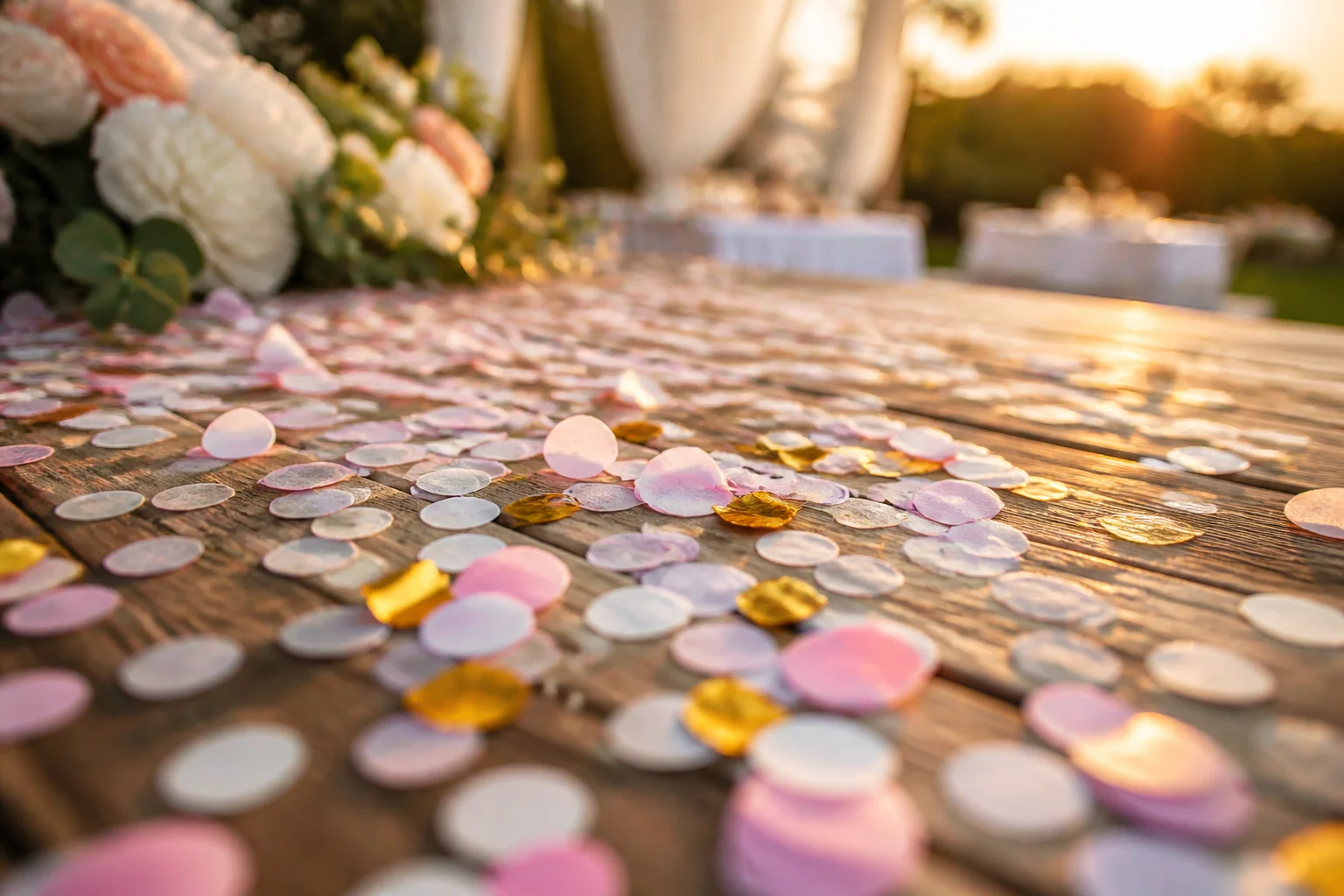
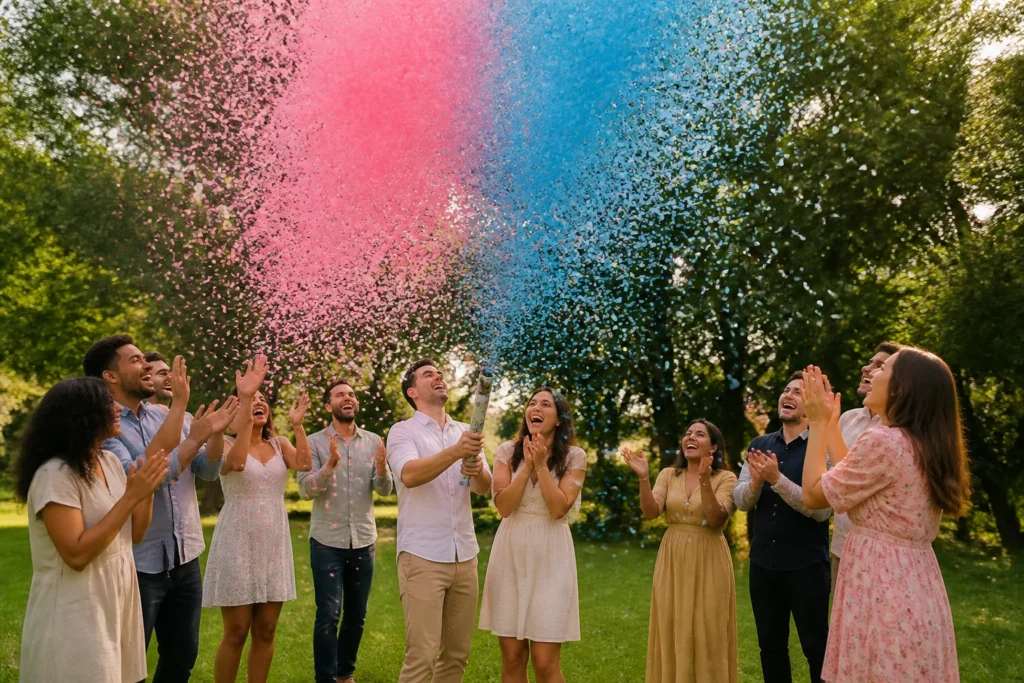
When designing wedding decor, matching confetti colors to your theme involves selecting hues that complement your overall aesthetic, whether it’s a classic, rustic, modern, or whimsical celebration. A typical scenario involves a couple planning a garden wedding with a pastel palette; they might initially consider a wide of colors for their party confetti, but the most effective approach is to narrow down choices to two or three primary colors from their theme, adding one metallic accent for visual interest. This ensures cohesion and elevates the visual impact of the confetti toss, creating memorable photo opportunities and a celebratory atmosphere that aligns perfectly with the event’s style.
Key Takeaways party confetti
- Identify your wedding theme’s core colors and select confetti shades that directly complement them.
- Consider the venue and lighting conditions, as these can significantly alter how confetti colors appear.
- Incorporate metallic or iridescent confetti for an elegant sparkle and enhanced visual effect.
- Test small samples of confetti colors against your decor elements to ensure a perfect match.
- Prioritize biodegradable confetti options, especially for outdoor venues, to align with environmental considerations.
What Are the Core Principles for Selecting Wedding Confetti Colors?
Selecting the right confetti colors for a wedding involves understanding the foundational principles of color theory and how they apply to event design. The primary goal is to create a harmonious visual experience that enhances the chosen wedding theme, rather than clashing with it. This means moving beyond simply picking favorite colors and instead focusing on how different shades interact within the specific context of your celebration. For instance, a minimalist wedding theme often benefits from a monochromatic or analogous color scheme, using varying shades of white, cream, or soft pastels to maintain an elegant, understated feel. Conversely, a vibrant, bohemian wedding might embrace a more eclectic mix of complementary or triadic colors, such as deep purples, rich oranges, and bright teals, to reflect its energetic spirit. According to recent industry surveys, couples increasingly prioritize visual consistency across all decor elements, including confetti, to ensure a polished and professional look for their special day. This attention to detail ensures that every element, down to each piece of party confetti, contributes to the overall aesthetic.
Beyond aesthetic appeal, the practical application of color selection also plays a crucial role. Consider the impact of different materials and finishes on color perception. Matte confetti will absorb light, offering a softer, more subdued look, ideal for vintage or rustic themes. In contrast, metallic or iridescent confetti, often made from Mylar or similar reflective materials, will bounce light, creating a dazzling, high-energy effect suitable for glamorous or modern celebrations. For example, a ballroom wedding with crystal chandeliers would be significantly enhanced by silver or gold metallic confetti, which would catch and reflect the ambient light, adding a layer of sophistication. When planning for a confetti toss, it’s also important to think about the backdrop. Darker confetti colors might get lost against a dark background, while lighter colors could disappear against a bright sky. A common practice among event planners is to select confetti colors that offer a slight contrast to the immediate surroundings, ensuring they stand out without being jarring. This strategic approach helps to maximize the visual impact of the confetti moment, making it truly memorable.
How Can You Match Confetti to Specific Wedding Themes and Venues?
Matching confetti to specific wedding themes and venues requires a thoughtful approach, considering both the aesthetic and practical implications of your choices. For a classic, elegant wedding, often held in a grand ballroom or historic estate, traditional colors like white, ivory, and gold are timeless choices. These colors evoke sophistication and blend seamlessly with formal attire and ornate decor. Adding a touch of silver or rose gold metallic confetti can introduce a subtle sparkle, enhancing the luxurious feel without overpowering the classic aesthetic. For example, a couple hosting their reception at The Plaza Hotel in New York City might opt for a blend of white tissue confetti and gold metallic confetti, creating a shower of understated glamour during their first dance. This combination respects the venue’s grandeur while adding a celebratory flourish. When considering party confetti for such events, the goal is often to complement existing architectural details and a refined color palette, ensuring every element contributes to an atmosphere of timeless elegance.
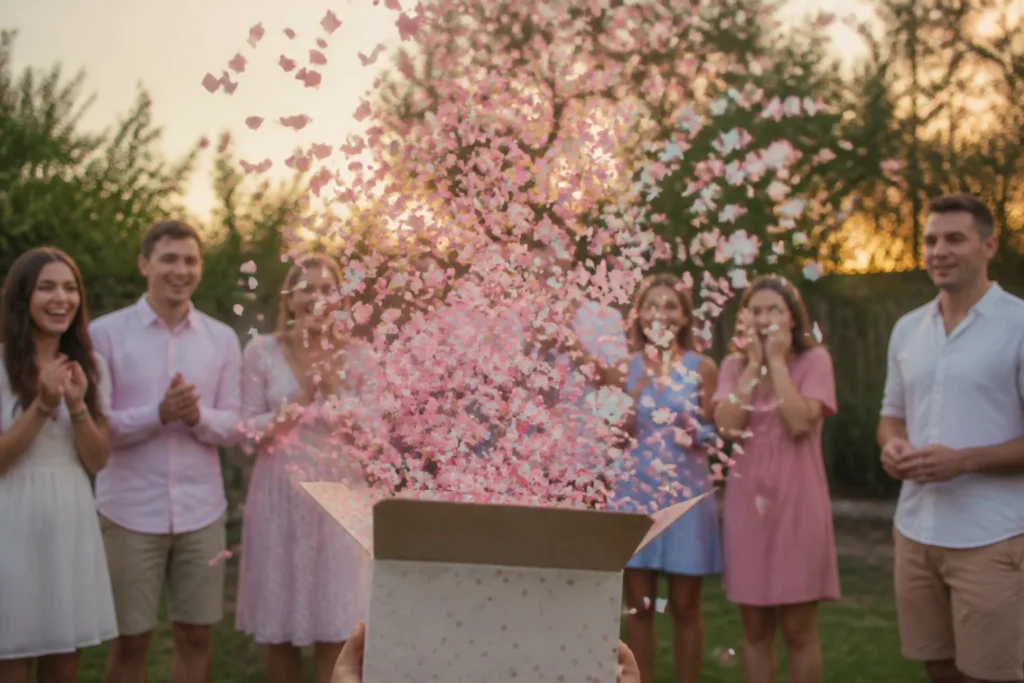
For a rustic or bohemian wedding, typically set in a barn, vineyard, or outdoor garden, the color palette shifts towards natural and earthy tones. Think sage green, dusty rose, terracotta, and various shades of brown or cream. Biodegradable confetti made from dried flowers or recycled paper in these hues is an excellent choice, aligning with the natural environment and eco-conscious sensibilities. A recent industry trend shows a significant increase in demand for eco-friendly options, with many venues now requiring biodegradable materials for outdoor events. For instance, a wedding at a vineyard in Napa Valley might feature confetti in shades of olive green and deep burgundy, mirroring the surrounding landscape and wine country aesthetic. This approach not only enhances the theme but also demonstrates respect for the venue’s natural beauty. When selecting confetti for these settings, consider the texture as well; softer, more organic materials will feel more authentic than crisp, metallic options, contributing to the overall relaxed and natural vibe of the celebration.
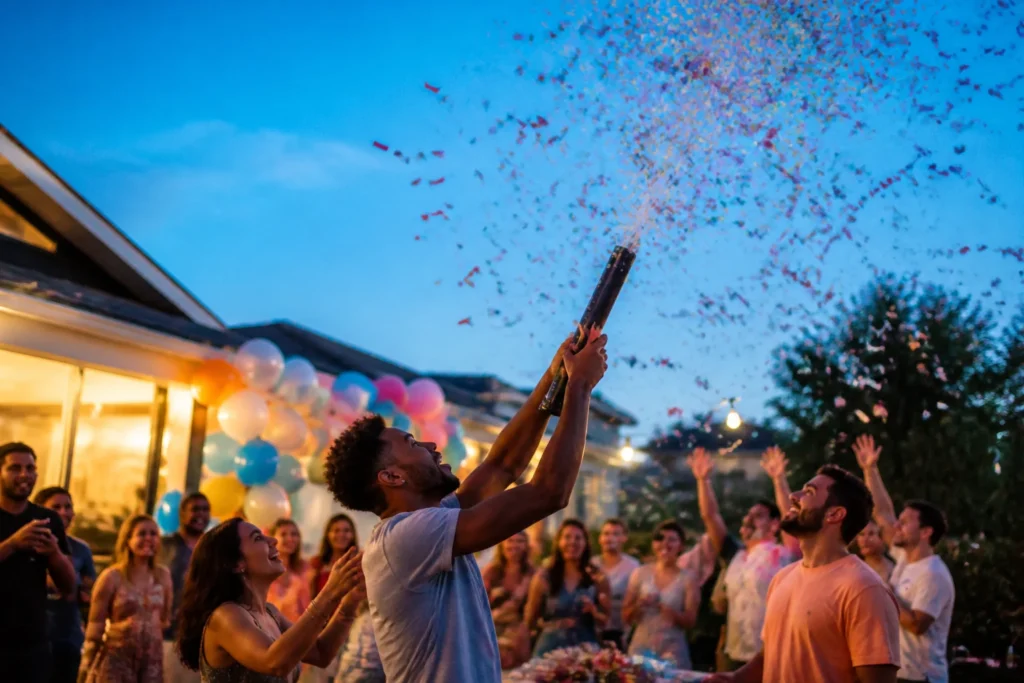
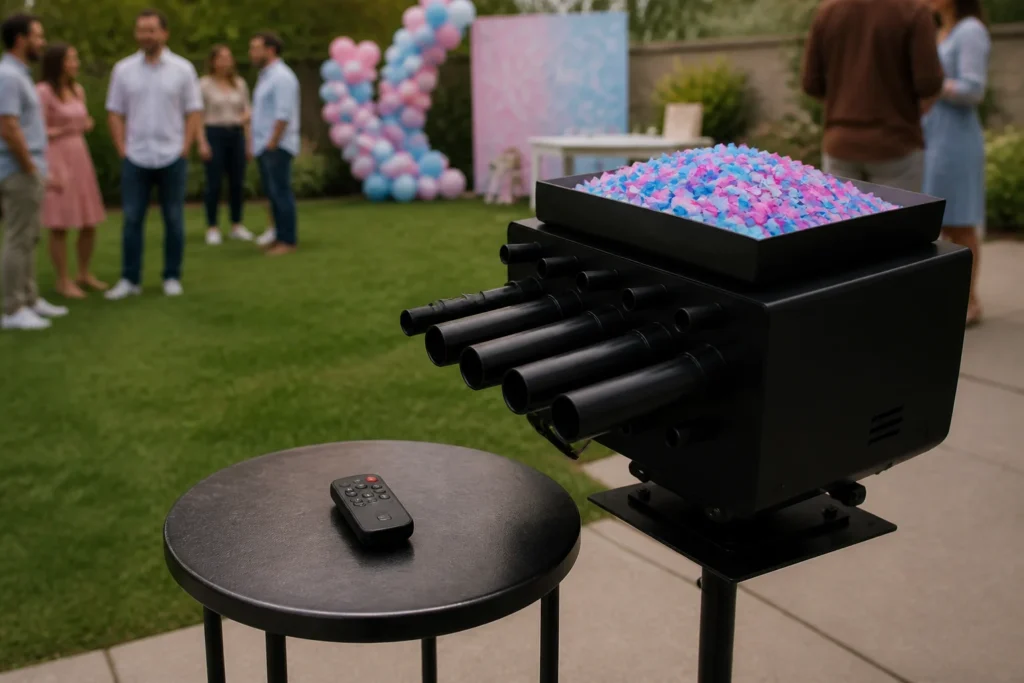
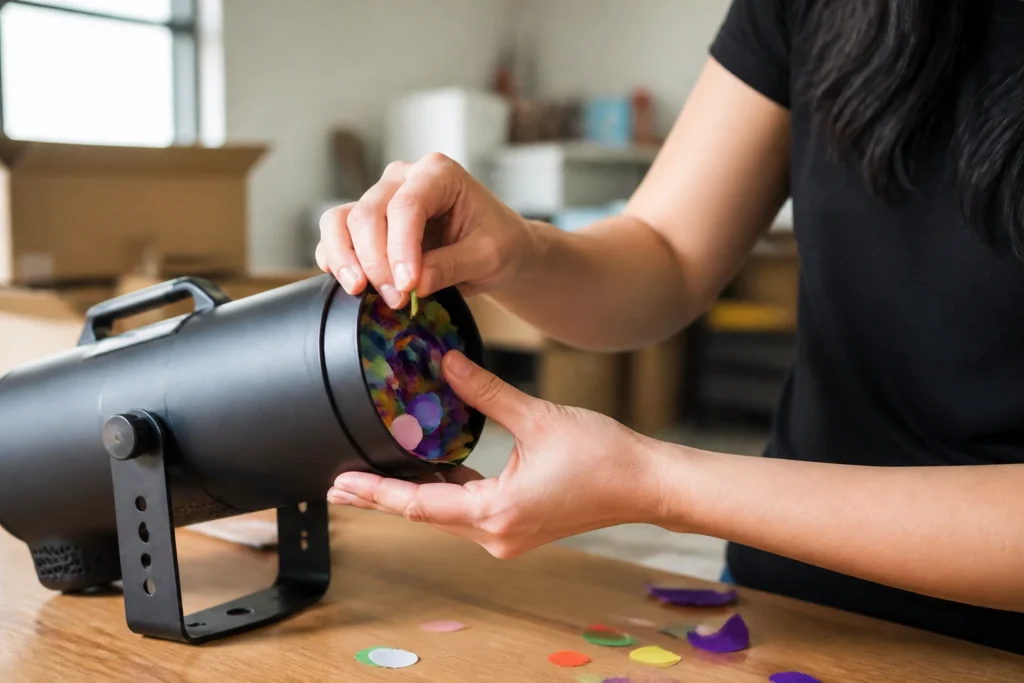
Modern and contemporary weddings, often characterized by clean lines, bold statements, and unique venues like art galleries or industrial lofts, allow for more adventurous color choices. Here, vibrant jewel tones, striking monochromes, or even unexpected color combinations can make a powerful impact. Consider fuchsia, electric blue, emerald green, or even a sophisticated black and white mix. For a wedding in a modern art museum, a couple might choose confetti in a striking combination of black, white, and a single vibrant accent color like cobalt blue, creating a dramatic and artistic effect. The key is to use color intentionally to create visual interest and reflect the couple’s contemporary style. According to consumer-protection guidance, when using electric confetti cannons, ensure the confetti material is suitable for the device and venue, especially if it’s a high-ceiling space where confetti might linger. This ensures both safety and the desired visual outcome. The choice of party confetti in these settings becomes an extension of the artistic vision, contributing to a truly unique and memorable event.
Frequently Asked Questions
What is the best type of confetti for outdoor weddings?
For outdoor weddings, biodegradable confetti is highly recommended. Options include rice paper, dried flower petals, or water-soluble paper. These materials break down naturally, minimizing environmental impact and adhering to venue regulations, which often prohibit non-biodegradable alternatives. They ensure a beautiful celebration without leaving a lasting footprint.
How much confetti is typically needed for a wedding toss?
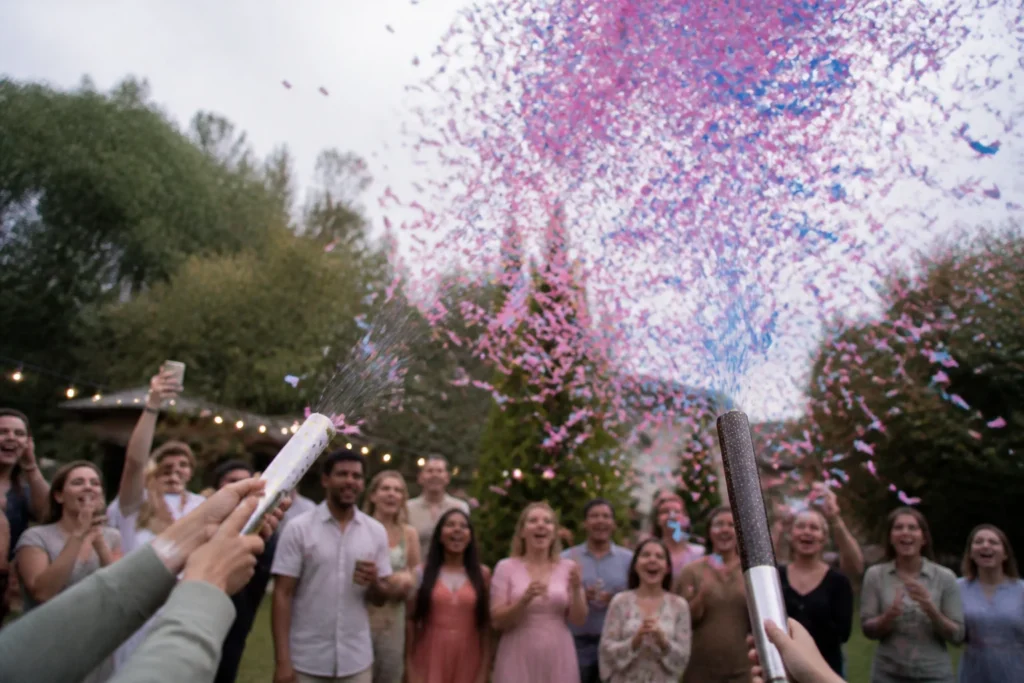
For a standard wedding toss, a common guideline is about 0.5 to 1 ounce of confetti per guest. This amount provides a generous shower for photos without being excessive. For larger effects, such as a grand exit or a dance floor moment, consider using confetti cannons or machines with bulk confetti.
Can I mix different confetti shapes and sizes?
Yes, mixing different confetti shapes and sizes can add dynamic visual interest and texture to your confetti toss. Combining small, delicate pieces with larger, bolder shapes creates a more varied and engaging effect as the confetti falls. This approach enhances photographic opportunities and adds depth to the celebration.
Bottom Line: To effectively match confetti colors to your wedding theme, identify your core color palette, consider the venue’s aesthetic and lighting, and select confetti materials and shades that enhance, rather than detract from, the overall design, ensuring a cohesive and memorable celebration.