Answer
Confetti Cannon Cleanup and Disposal Guide
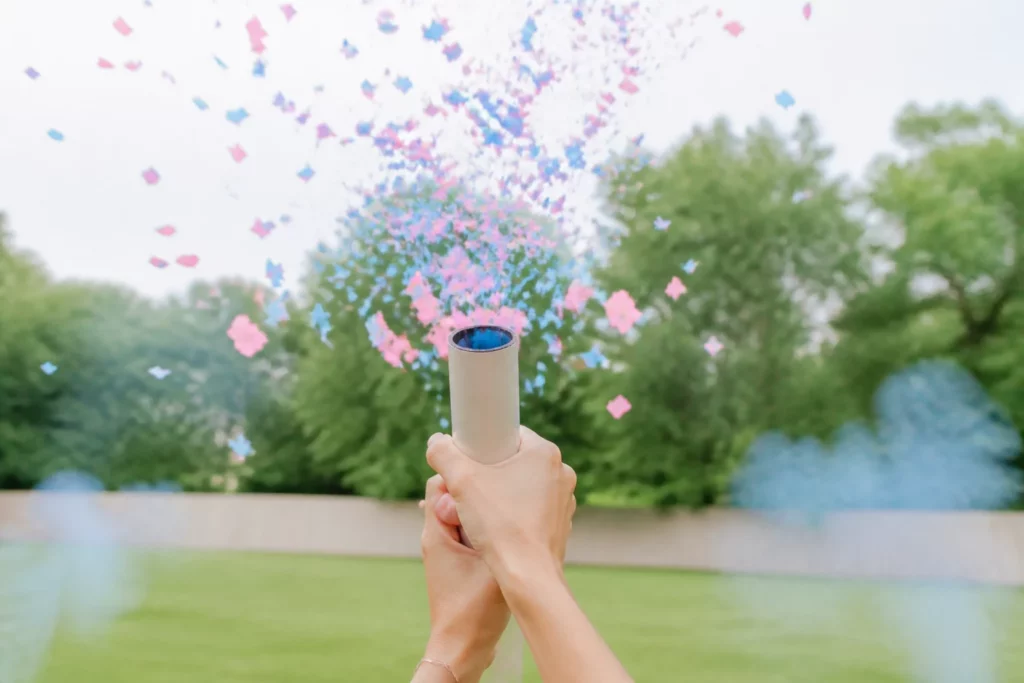
Confetti cannons bring a burst of joy and excitement to any celebration, from weddings and graduations to corporate events and New Year’s Eve parties. But after the last streamer falls, the reality of cleanup sets in.
TL;DR
- Confetti Cannon Cleanup and Disposal GuideConfetti cannons bring a burst of joy and excitement to any celebration, from weddings and graduations to corporate events and New Year’s Eve parties.
- But after the last streamer falls, the reality of cleanup sets in.
- This guide provides practical advice and eco-conscious strategies for dealing with the aftermath, ensuring your celebration doesn’t leave a lasting negative impact on the environment.
- We’ll explore everything from material identification to responsible disposal methods, helping you minimize your footprint while maximizing the fun.
- Let’s dive into the world of confetti cleanup!
Confetti Cannon Cleanup and Disposal Guide
Confetti cannons bring a burst of joy and excitement to any celebration, from weddings and graduations to corporate events and New Year’s Eve parties. But after the last streamer falls, the reality of cleanup sets in. This guide provides practical advice and eco-conscious strategies for dealing with the aftermath, ensuring your celebration doesn’t leave a lasting negative impact on the environment. We’ll explore everything from material identification to responsible disposal methods, helping you minimize your footprint while maximizing the fun. Let’s dive into the world of confetti cleanup!
Strategies for Efficient Confetti Cannon Cleanup
The first step in any cleanup operation is assessment. Before you even think about grabbing a broom, take a moment to identify the type of confetti you’re dealing with. Is it paper, metallic, biodegradable, or a combination? Paper confetti, while seemingly innocuous, can become a soggy mess if wet, making it harder to sweep or vacuum. Metallic confetti, often made of Mylar or similar materials, doesn’t biodegrade and can be harmful to wildlife if ingested. Biodegradable confetti, typically made from rice paper or plant-based materials, is the most eco-friendly option, but it still requires proper disposal to ensure it breaks down effectively. Knowing your enemy – or in this case, your confetti – is half the battle. Consider the scale of the confetti dispersal. Was it a single custom confetti cannon blast, or multiple cannons used throughout the event? This will dictate the size and scope of your cleanup efforts.
Once you’ve assessed the situation, gather your supplies. A good broom and dustpan are essential for hard surfaces. For carpets and upholstery, a vacuum cleaner with a hose attachment will be your best friend. Consider using a shop vac for large-scale cleanups, especially if the confetti is wet or heavy. A leaf blower can be surprisingly effective for clearing large outdoor areas, but be mindful of wind conditions that could spread the confetti further. Don’t forget garbage bags or bins for collecting the debris. For metallic confetti, a magnetic sweeper can be a lifesaver, quickly gathering up the tiny pieces that are easily missed by other methods. Finally, have some damp cloths or wipes on hand for wiping down surfaces and removing any sticky residue. Remember, preparation is key to a smooth and efficient cleanup process. Using the right tools for the job will save you time and effort in the long run.
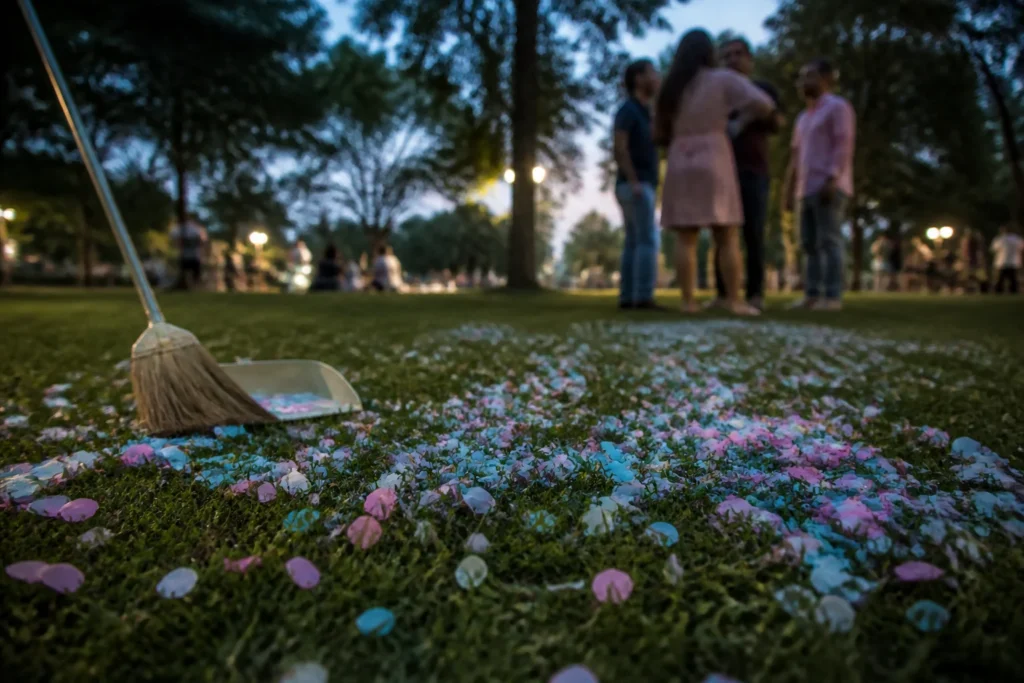
Now, let’s talk technique. Start by tackling the largest concentrations of confetti first. Use your broom or leaf blower to gather the confetti into manageable piles. For indoor spaces, work from the perimeter of the room towards the center, gradually sweeping the confetti into a central collection point. Be careful not to spread the confetti further by using excessive force. For carpets and upholstery, use the vacuum cleaner’s hose attachment to carefully remove the confetti from crevices and hard-to-reach areas. Pay close attention to edges and corners, where confetti tends to accumulate. If you’re dealing with wet confetti, allow it to dry slightly before vacuuming to prevent clogging. For outdoor cleanups, be mindful of drainage systems and avoid sweeping confetti into storm drains. Instead, collect the confetti and dispose of it properly. Remember, a systematic approach will make the cleanup process much more efficient and less overwhelming. Consider enlisting the help of friends or family to speed things up. Many hands make light work, as they say.
Environmentally Conscious Confetti Disposal
The environmental impact of confetti cannons often gets overlooked in the excitement of the celebration. However, choosing the right type of confetti and disposing of it responsibly can significantly reduce your ecological footprint. Traditional plastic or metallic confetti poses a significant threat to the environment, as it doesn’t biodegrade and can persist in the ecosystem for years, potentially harming wildlife. Opting for biodegradable confetti made from rice paper, seed paper, or other plant-based materials is a much more sustainable choice. Seed paper confetti, in particular, offers the added benefit of planting wildflowers or herbs, turning your celebration into an opportunity to give back to nature. When planning your event, consider the environmental impact of your choices and prioritize eco-friendly alternatives. This simple decision can make a big difference in minimizing your environmental footprint. Think about the message you want to send with your celebration: joy and excitement, or environmental responsibility?
Even with biodegradable confetti, proper disposal is crucial. Simply leaving it to decompose naturally isn’t always the best option, especially in urban environments or areas with sensitive ecosystems. Composting biodegradable confetti is an excellent way to ensure it breaks down effectively and returns valuable nutrients to the soil. You can add the confetti to your home compost bin or take it to a local composting facility. Before composting, make sure the confetti is free of any non-biodegradable materials, such as glitter or metallic accents. If composting isn’t an option, check with your local waste management authority for guidance on proper disposal. Some municipalities may have specific guidelines for handling biodegradable waste. Avoid simply throwing the confetti into the trash, as this will likely end up in a landfill, where it will decompose slowly and contribute to greenhouse gas emissions. Remember, responsible disposal is just as important as choosing the right type of confetti. Consider the entire lifecycle of the product, from production to disposal, and make informed choices that minimize your environmental impact. Using a custom confetti cannon responsibly is key.
Let’s consider a mini case study. A local event planning company, “Celebrations for Change,” made a conscious decision to switch to exclusively using biodegradable confetti and implementing a comprehensive cleanup and disposal program. They partnered with a local composting facility to process the confetti waste from their events, ensuring it was properly broken down and returned to the soil. They also educated their clients about the importance of responsible confetti disposal and encouraged them to choose eco-friendly options. As a result, “Celebrations for Change” not only reduced their environmental impact but also gained a reputation as a sustainable and responsible event planning company, attracting environmentally conscious clients. This example demonstrates that sustainability can be both environmentally beneficial and good for business. By taking proactive steps to minimize their environmental footprint, businesses can enhance their brand image and attract customers who value sustainability. This approach also helps to promote a culture of environmental responsibility within the community.
Selecting the Right Confetti for Your Custom Confetti Cannon
Choosing the right confetti for your custom confetti cannon is about more than just aesthetics; it’s about safety, performance, and environmental responsibility. Paper confetti is a classic choice, offering a wide range of colors and textures. However, it can be messy and difficult to clean up, especially if it gets wet. Metallic confetti adds a touch of sparkle and glamour, but it’s not biodegradable and can be harmful to the environment. Biodegradable confetti is the most eco-friendly option, but it may not have the same visual impact as metallic confetti. When selecting confetti, consider the venue, the type of event, and your environmental priorities. For outdoor events, biodegradable confetti is always the best choice. For indoor events, paper confetti may be acceptable, but be prepared for a more challenging cleanup. If you’re looking for a compromise, consider using a blend of biodegradable and metallic confetti, but be sure to dispose of it responsibly. Ultimately, the best confetti is the one that meets your needs while minimizing your environmental impact. Think about the message you want to send with your celebration and choose confetti that aligns with your values.
The size and shape of the confetti can also affect its performance in a confetti cannon. Smaller confetti pieces tend to disperse more widely and create a more dramatic effect. Larger confetti pieces, on the other hand, may not travel as far but can be easier to clean up. Confetti shapes can range from traditional circles and squares to more elaborate designs like stars, hearts, or even custom shapes. Experiment with different sizes and shapes to find the perfect confetti for your cannon and your event. Consider the air pressure of your cannon and the size of the nozzle when selecting confetti. Too much confetti can clog the cannon, while too little confetti may not create the desired effect. It’s always a good idea to test your confetti cannon with different types of confetti before the event to ensure optimal performance. Remember, the goal is to create a memorable and visually stunning experience while minimizing the risk of malfunctions or cleanup challenges. A little experimentation can go a long way in achieving the perfect confetti effect.
Finally, consider the safety aspects of confetti selection. Avoid using confetti that contains small parts that could be a choking hazard, especially if children will be present at the event. Make sure the confetti is made from non-toxic materials and is free of any sharp edges or abrasive surfaces. When using metallic confetti, be mindful of potential eye hazards and avoid aiming the cannon directly at people’s faces. Always follow the manufacturer’s instructions for operating the confetti cannon and use appropriate safety precautions. It’s also a good idea to have a first-aid kit on hand in case of any minor injuries. Remember, safety should always be a top priority when planning any event, and confetti cannons are no exception. By taking a few simple precautions, you can ensure that your celebration is both fun and safe for everyone involved.
“We used biodegradable confetti at our wedding, and it was a huge success! Not only did it look beautiful, but we also felt good knowing that we weren’t harming the environment. The cleanup was a breeze, and we even composted the confetti afterwards. I highly recommend using biodegradable confetti for any celebration!” – Sarah M., Bride
FAQ: Confetti Cannon Cleanup and Disposal
Q: Is all confetti biodegradable?
A: No, not all confetti is biodegradable. Traditional plastic and metallic confetti are not biodegradable and can persist in the environment for years. Look for confetti specifically labeled as “biodegradable” and made from materials like rice paper or plant-based materials.
Q: How do I dispose of metallic confetti?
A: Metallic confetti should be collected and disposed of in the trash. It is not biodegradable and cannot be composted. Consider using a magnetic sweeper to collect small pieces from hard surfaces.
Q: Can I compost biodegradable confetti?
A: Yes, biodegradable confetti can be composted. Make sure it is free of any non-biodegradable materials, such as glitter or metallic accents. Add it to your home compost bin or take it to a local composting facility.
Confetti Cannon Material Breakdown
Understanding the materials that comprise your confetti cannon is crucial for responsible disposal. The cannon itself is typically made of cardboard, plastic, or a combination of both. The propellant is usually compressed air or nitrogen, which is harmless to the environment. However, the confetti is where the environmental impact lies. As we’ve discussed, confetti can be made from a variety of materials, each with its own disposal requirements. Let’s break down the most common materials and their environmental considerations.
Paper Confetti: Typically made from wood pulp, paper confetti is generally biodegradable, but the inks used to color it may contain heavy metals or other harmful substances. Look for paper confetti made with soy-based inks or other eco-friendly alternatives. The weight of the paper also matters; thinner paper will break down faster than thicker cardstock. Consider the source of the paper as well; recycled paper is a more sustainable choice than virgin paper. When disposing of paper confetti, composting is the preferred method, but it can also be recycled if it’s clean and dry.
Metallic Confetti: Often made from Mylar or other plastic films coated with a metallic finish, metallic confetti is not biodegradable and can persist in the environment for decades. It can also be harmful to wildlife if ingested. Avoid using metallic confetti whenever possible. If you must use it, be sure to collect it all and dispose of it properly in the trash. Never compost or recycle metallic confetti. Consider the potential for metallic confetti to contaminate soil and water sources if it’s not properly contained.
Biodegradable Confetti: Made from materials like rice paper, seed paper, or plant-based films, biodegradable confetti is the most eco-friendly option. However, it’s important to verify that the confetti is truly biodegradable and not just labeled as such. Look for certifications from reputable organizations like the Biodegradable Products Institute (BPI). Even biodegradable confetti requires proper disposal to ensure it breaks down effectively. Composting is the preferred method, but it can also be disposed of in the trash if composting isn’t an option. Consider the specific disposal instructions provided by the manufacturer.
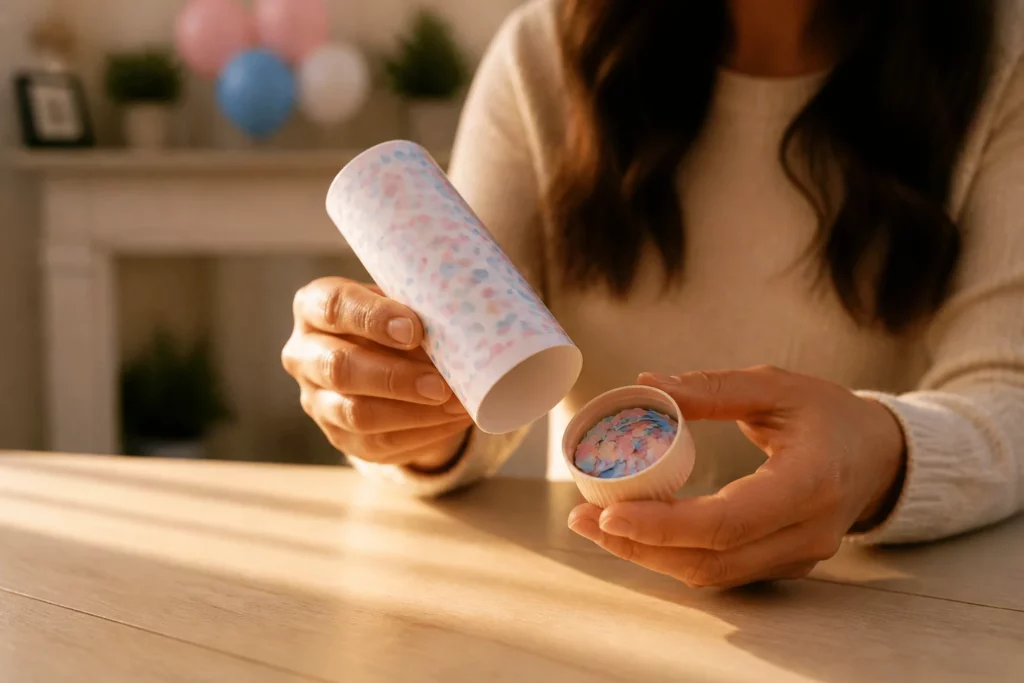
Cannon Materials: The cardboard tubes are usually recyclable, provided they are not heavily soiled. Plastic components may or may not be recyclable depending on the type of plastic and your local recycling facilities. Check the recycling symbol on the plastic to determine if it’s recyclable in your area. If the cannon contains any electronic components, such as a battery or a trigger mechanism, dispose of it properly as electronic waste. Never throw electronic waste in the trash, as it can leach harmful chemicals into the environment.
Advanced Cleanup Techniques
Beyond the basic sweeping and vacuuming, there are several advanced techniques you can use to tackle particularly challenging confetti cleanup situations. These techniques can save you time and effort, and ensure that you remove every last piece of confetti.
- Static Electricity: Use a static duster or a balloon to attract confetti from hard-to-reach areas. Simply rub the duster or balloon against a cloth to create static electricity, then hold it near the confetti. The static electricity will attract the confetti, making it easier to collect.
- Compressed Air: Use a can of compressed air to blow confetti out of crevices and tight spaces. Be careful not to blow the confetti further afield. Aim the compressed air at a downward angle to direct the confetti into a collection container.
- Wet/Dry Vacuum: A wet/dry vacuum is ideal for cleaning up wet confetti or confetti that has become embedded in carpets or upholstery. The wet/dry vacuum can suck up both wet and dry debris, making it a versatile tool for confetti cleanup.
- Steam Cleaner: A steam cleaner can be used to loosen confetti that has become stuck to surfaces. The steam will help to dissolve any adhesive or residue, making it easier to wipe away the confetti.
For particularly stubborn confetti stains, try using a mild detergent or stain remover. Test the detergent or stain remover on an inconspicuous area first to ensure it doesn’t damage the surface. Apply the detergent or stain remover to the stain, let it sit for a few minutes, then wipe it away with a damp cloth. Repeat as necessary until the stain is gone.
Consider the use of a HEPA filter vacuum, especially if anyone present has allergies. Confetti dust can trigger allergic reactions, and a HEPA filter will trap these particles, improving air quality during and after cleanup.
Confetti Alternatives and Prevention
The best way to minimize the environmental impact of confetti cannons is to reduce or eliminate the need for cleanup altogether. Consider using confetti alternatives or implementing preventative measures to contain the confetti.
Confetti Alternatives:
- Bubbles: Bubbles are a fun and festive alternative to confetti that doesn’t require any cleanup.
- Ribbon Wands: Ribbon wands are a visually appealing alternative that can be reused multiple times.
- Flower Petals: Flower petals are a natural and biodegradable alternative to confetti, but be sure to use sustainably sourced petals.
- Laser Lights: Laser lights can create a dazzling display without any physical debris.
Preventative Measures:
- Confetti Containment: Use a designated area for confetti cannons, such as a stage or dance floor, and contain the confetti within that area.
- Confetti Nets: Install confetti nets to catch the confetti as it falls, making cleanup easier.
- Confetti Collection Stations: Set up confetti collection stations with bins and brooms to encourage guests to help with the cleanup.
By implementing these preventative measures, you can significantly reduce the amount of confetti that needs to be cleaned up, minimizing your environmental impact and saving you time and effort.
Here’s a comparison table of confetti types:
| Confetti Type |
Material |
Biodegradable? |
Cleanup Difficulty |
Environmental Impact |
| Paper |
Wood Pulp |
Yes (usually) |
Moderate |
Low to Moderate |
| Metallic |
Mylar, Plastic Film |
No |
High |
High |
| Biodegradable |
Rice Paper, Plant-Based Film |
Yes |
Low |
Low |
Choosing the right type of confetti is a crucial step in minimizing your environmental impact. By considering the material, biodegradability, cleanup difficulty, and environmental impact of each type of confetti, you can make an informed decision that aligns with your values.
Working with Event Staff and Venues
When planning an event with confetti cannons, it’s essential to communicate with the event staff and venue management about your cleanup plans. Discuss the type of confetti you’ll be using, your cleanup procedures, and any specific requirements or restrictions. This will help to ensure a smooth and efficient cleanup process and prevent any misunderstandings or conflicts.
Provide the event staff with clear instructions on how to clean up the confetti and where to dispose of it. If you’re using biodegradable confetti, inform them about your composting plans and provide them with the necessary composting bins. If you’re using metallic confetti, emphasize the importance of collecting it all and disposing of it properly in the trash. Be sure to clarify who is responsible for providing the cleaning supplies and equipment. Will you be providing your own, or will the venue provide them? It’s best to have this agreed upon in advance to avoid any last-minute surprises.
Check with the venue about any specific restrictions or guidelines regarding confetti use. Some venues may prohibit the use of certain types of confetti or have specific cleanup requirements. Be sure to comply with all venue regulations to avoid any penalties or fines. It’s also a good idea to ask the venue if they have any preferred cleaning methods or products. They may have experience cleaning up confetti and can offer valuable advice.
Consider adding a clause to your contract with the event staff or venue that outlines the responsibilities for confetti cleanup. This will help to ensure that everyone is on the same page and that the cleanup is handled properly. Be sure to include details about the type of confetti being used, the cleanup procedures, and the disposal methods. A clear and concise contract can prevent any disputes or misunderstandings down the road.
“We always communicate our confetti cleanup plans with our clients and the venue management well in advance,” says Emily Carter, owner of “Eco-Events,” a sustainable event planning company. “This helps to ensure a smooth and efficient cleanup process and prevents any misunderstandings. We also provide our clients with a detailed cleanup checklist and offer to handle the cleanup ourselves for an additional fee.”
By working closely with the event staff and venue management, you can ensure that your confetti cannon celebration is both fun and environmentally responsible. Clear communication, detailed planning, and a collaborative approach are key to a successful cleanup.
Using a custom confetti cannon responsibly requires planning and communication with all parties involved.
Selecting the Right Custom Confetti Cannon for Your Event
The size of your venue plays a significant role in determining the appropriate size and power of your custom confetti cannon. For smaller, indoor venues like banquet halls or private residences, a handheld confetti cannon or a smaller, remotely operated cannon may be sufficient. These cannons typically have a shorter range and a lower confetti capacity, making them ideal for confined spaces. Using a larger, more powerful cannon in a small venue could result in an overwhelming amount of confetti and potential damage to the surroundings. For larger, outdoor venues like stadiums, concert halls, or open fields, a larger, more powerful cannon is necessary to achieve the desired effect. These cannons typically have a longer range and a higher confetti capacity, allowing them to cover a wider area with confetti. Consider the height of the ceiling or the open space when selecting a cannon, as this will affect the trajectory and dispersion of the confetti. Remember to always prioritize safety and follow the manufacturer’s instructions when operating a confetti cannon, regardless of the venue size.
The theme of your event can also influence your choice of custom confetti. For a wedding, you might choose white or pastel-colored confetti in the shape of hearts or doves. For a birthday party, you might opt for brightly colored confetti in the shape of stars or balloons. For a corporate event, you might use confetti in the company’s colors or logo. Consider incorporating metallic confetti for a touch of glamour and sparkle, or biodegradable confetti for an eco-friendly option. You can even create custom confetti with personalized messages or images. The possibilities are endless! Just be sure to choose confetti that complements the overall theme and atmosphere of your event. Remember to consider the lighting of your venue when selecting confetti colors. Darker colors may not be as visible in low-light conditions, while lighter colors will stand out more.
Budget is always a crucial consideration when planning any event, and custom confetti cannons are no exception. The cost of a confetti cannon can vary depending on its size, power, features, and the type of confetti it uses. Handheld confetti cannons are generally the most affordable option, while larger, remotely operated cannons can be more expensive. The cost of confetti can also vary depending on the material, color, and shape. Metallic confetti is typically more expensive than paper confetti, and custom-shaped confetti can also add to the cost. Be sure to factor in the cost of cleanup when budgeting for your confetti cannon. If you’re hiring a professional cleaning service, be sure to get a quote in advance. You can save money by opting for biodegradable confetti, which is easier to clean up and can be composted. Consider renting a confetti cannon instead of buying one, especially if you only plan to use it for a single event.
Mastering Custom Confetti Cannon Cleanup
Effective confetti cleanup requires a strategic approach and the right tools. Start by gathering the necessary supplies, including brooms, dustpans, vacuum cleaners (both wet/dry and standard), trash bags, and potentially a leaf blower for outdoor spaces. Before you begin, assess the area and identify any obstacles or sensitive surfaces that need to be protected. For indoor spaces, consider covering furniture or electronics with plastic sheeting to prevent confetti from getting into hard-to-reach places. For outdoor spaces, be mindful of wind conditions, as wind can scatter confetti over a wider area, making cleanup more challenging. Designate specific areas for collecting and disposing of the confetti. Use trash bags for non-biodegradable confetti and composting bins for biodegradable confetti. Clearly label these containers to avoid any confusion.
The cleanup process should begin immediately after the event to prevent the confetti from becoming embedded in carpets or scattered by foot traffic. Start by sweeping up the bulk of the confetti with brooms and dustpans. Focus on high-traffic areas and areas where confetti has accumulated in large quantities. For carpets and upholstery, use a vacuum cleaner with a brush attachment to remove any remaining confetti. A wet/dry vacuum cleaner is particularly useful for cleaning up wet confetti or confetti that has become stuck to surfaces. For outdoor spaces, a leaf blower can be used to gather confetti into piles for easier collection. Be careful not to blow the confetti into areas where it will be difficult to retrieve, such as gardens or waterways.
After the initial cleanup, conduct a thorough inspection of the area to identify any remaining confetti. Pay close attention to corners, crevices, and other hard-to-reach places. Use a handheld vacuum cleaner or a static duster to remove confetti from these areas. For stubborn confetti stains, try using a mild detergent or stain remover. Test the detergent or stain remover on an inconspicuous area first to ensure it doesn’t damage the surface. Apply the detergent or stain remover to the stain, let it sit for a few minutes, then wipe it away with a damp cloth. Repeat as necessary until the stain is gone. Remember to properly dispose of all cleaning supplies and equipment after the cleanup is complete. Wash brooms and dustpans with soap and water, and empty vacuum cleaner bags or canisters.
“We hosted a large outdoor concert and used several confetti cannons throughout the show,” recalls Mark Olsen, event manager for “Summer Sounds Festival”. “The cleanup seemed daunting at first, but by using leaf blowers to gather the confetti into piles and then vacuuming it up with industrial-strength vacuums, we were able to restore the venue to its original condition in just a few hours. The key was having the right equipment and a well-organized cleanup crew.”
Unveiling the Secrets to Effortless Post-Celebration Sparkle
Tired of spending hours picking up tiny pieces of paper after a fantastic event? The secret to a stress-free celebration lies in proactive planning and smart choices. By selecting eco-friendly confetti, communicating clearly with your venue, and employing efficient cleanup techniques, you can enjoy the magic of confetti without the cleanup headache.
Ready to make your next event unforgettable, without the cleanup stress? What innovative confetti solution will you explore to create a truly memorable and sustainable celebration?
Q: What is the best way to clean confetti off of a dance floor?
A: A broom and dustpan are effective for large quantities. For smaller pieces, a slightly damp mop can help pick them up. Be careful not to use too much water, as this can make the confetti stick to the floor.
Q: How can I prevent confetti from getting stuck in carpets?
A: Use a vacuum cleaner with a brush attachment to remove confetti from carpets. For stubborn pieces, try using a lint roller or a piece of tape.
Q: Are there any eco-friendly alternatives to traditional confetti?
A: Yes, biodegradable confetti made from rice paper or plant-based materials is a great eco-friendly option. Flower petals and bubbles are also popular alternatives.
Q: What should I do if someone accidentally gets confetti in their eyes?
A: Flush the eye with clean water for several minutes. If irritation persists, seek medical attention.
Q: Can I recycle confetti cannon tubes?
A: Cardboard tubes are usually recyclable, provided they are not heavily soiled. Plastic components may or may not be recyclable depending on the type of plastic and your local recycling facilities.