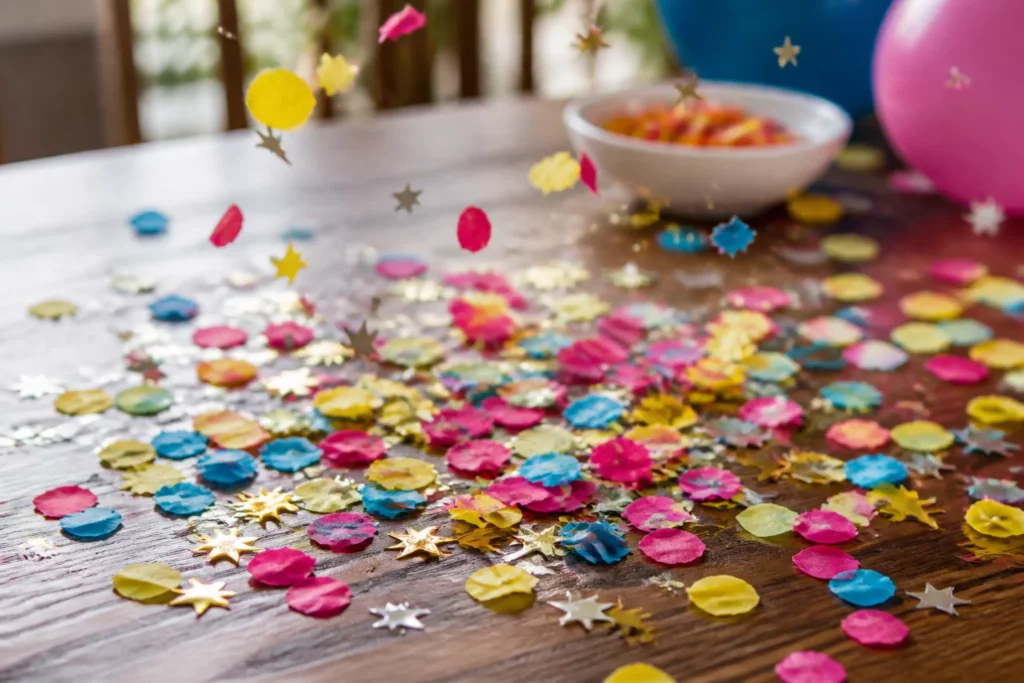
AnswerConfetti Cannon Environmental Impact: Eco-Friendly Options? Confetti cannons bring a burst of joy to celebrations, from weddings to sporting events.
TL;DR
- Confetti Cannon Environmental Impact: Eco-Friendly Options?
- Confetti cannons bring a burst of joy to celebrations, from weddings to sporting events.
- But have you ever stopped to consider where all that colorful paper ends up?
- The environmental impact of these celebratory devices is becoming an increasing concern.
- This article explores the ecological footprint of confetti cannons, examines whether are confetti cannons worth it?
Confetti Cannon Environmental Impact: Eco-Friendly Options?
Confetti cannons bring a burst of joy to celebrations, from weddings to sporting events. But have you ever stopped to consider where all that colorful paper ends up? The environmental impact of these celebratory devices is becoming an increasing concern. This article explores the ecological footprint of confetti cannons, examines whether are confetti cannons worth it? considering their environmental consequences, and investigates eco-friendly alternatives that allow you to celebrate responsibly.
Are confetti cannons worth it? Weighing the Pros and Cons
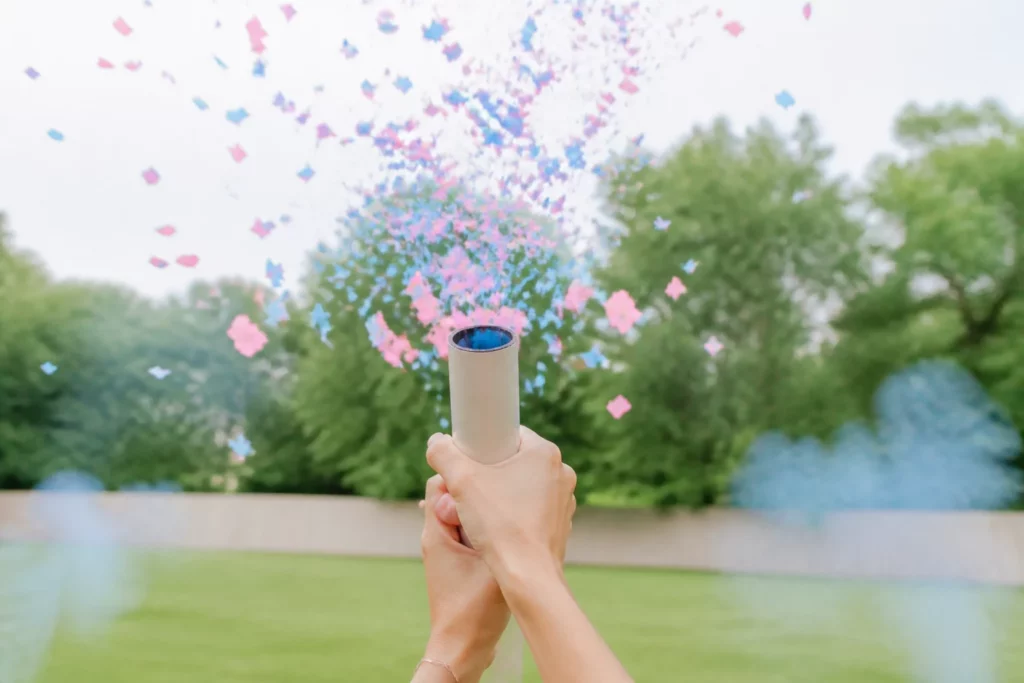
The immediate appeal of a confetti cannon is undeniable. They create a visually stunning spectacle, adding excitement and a sense of occasion to any event. The burst of color and the shower of shimmering particles can elevate a celebration, making it more memorable for everyone involved. Event planners often incorporate them into key moments, such as the bride and groom’s first dance, a team’s victory, or a product launch, to create a lasting impression. The “wow” factor is a significant draw, and for many, this outweighs other considerations. However, this initial excitement often overshadows the less glamorous aftermath: the cleanup and the potential environmental damage.
On the other hand, the environmental downsides of traditional confetti cannons are substantial. Most confetti is made from paper or plastic, both of which can persist in the environment for extended periods. Paper confetti, while biodegradable, can still contribute to litter and require significant resources to produce. Plastic confetti, especially the metallic kind, is far more problematic. It breaks down into microplastics, which can contaminate soil and water, posing a threat to wildlife and potentially entering the food chain. The sheer volume of confetti released at large events exacerbates these issues, creating a significant waste management challenge. Cities like San Francisco and Los Angeles have seen increased pressure to regulate or ban the use of non-biodegradable confetti due to its impact on public spaces and waterways.
Beyond the immediate litter, the production of confetti cannons themselves also has an environmental cost. The manufacturing process requires energy and resources, and the transportation of these products contributes to carbon emissions. Furthermore, the single-use nature of many confetti cannons adds to the problem of waste. While some cannons are refillable, many are designed for one-time use and are then discarded, adding to landfill waste. Considering the entire lifecycle of a confetti cannon, from production to disposal, reveals a more complex environmental picture than the initial burst of celebration suggests. This raises the question: are confetti cannons worth it? when weighed against these environmental costs?
A crucial aspect to consider is the availability of eco-friendly alternatives. Traditional confetti cannons often rely on materials that are harmful to the environment, but innovative solutions are emerging. Biodegradable confetti, made from materials like rice paper or dried leaves, offers a more sustainable option. These materials break down naturally, reducing the risk of long-term pollution. Refillable confetti cannons also help to minimize waste, allowing users to enjoy the celebratory effect without contributing to the growing problem of single-use plastics. Exploring these alternatives is essential for anyone who wants to celebrate responsibly and minimize their environmental impact. The rise of eco-conscious consumers is driving demand for these sustainable options, encouraging manufacturers to develop and offer more environmentally friendly products.
The decision of whether are confetti cannons worth it? ultimately depends on individual priorities and values. For those who prioritize the immediate visual impact and celebratory atmosphere, the environmental concerns may seem less pressing. However, for those who are committed to sustainability and minimizing their environmental footprint, the downsides of traditional confetti cannons may outweigh the benefits. By considering the environmental impact, exploring eco-friendly alternatives, and making informed choices, individuals can celebrate responsibly and minimize their contribution to pollution and waste. The growing awareness of environmental issues is prompting a shift towards more sustainable celebration practices, encouraging people to find ways to enjoy festivities without harming the planet.
Exploring Eco-Friendly Confetti Options
The good news is that celebrating with confetti doesn’t have to mean harming the environment. A growing number of eco-friendly alternatives are available, offering the same festive effect without the guilt. These options range from biodegradable confetti made from natural materials to innovative DIY solutions that repurpose existing resources. By exploring these alternatives, you can enjoy the excitement of a confetti shower while minimizing your impact on the planet. The key is to be informed and make conscious choices that align with your values.
One of the most popular eco-friendly options is biodegradable confetti. This type of confetti is typically made from materials like rice paper, seed paper, or dried leaves. Rice paper confetti breaks down quickly in the environment, minimizing the risk of long-term pollution. Seed paper confetti goes a step further by embedding plant seeds within the paper, allowing it to sprout and grow into flowers or herbs after use. Dried leaves, collected from your own backyard or local parks, offer a natural and readily available alternative. When choosing biodegradable confetti, it’s essential to ensure that it is truly biodegradable and free from harmful dyes or chemicals. Look for certifications or labels that verify the product’s environmental credentials. Companies like Botanical PaperWorks and Planet Friendly Confetti specialize in producing high-quality, eco-friendly confetti options.
Another sustainable approach is to create your own confetti from recycled materials. This is a great way to repurpose paper scraps, old magazines, or even dried flower petals. Simply shred or punch the materials into small pieces to create your own unique confetti mix. You can also add natural dyes or glitter to enhance the visual appeal. Making your own confetti not only reduces waste but also allows you to customize the colors and textures to match your event’s theme. This DIY approach is particularly appealing for those who enjoy crafting and want to add a personal touch to their celebrations. Consider using a paper shredder to quickly and efficiently create large quantities of confetti from recycled materials.
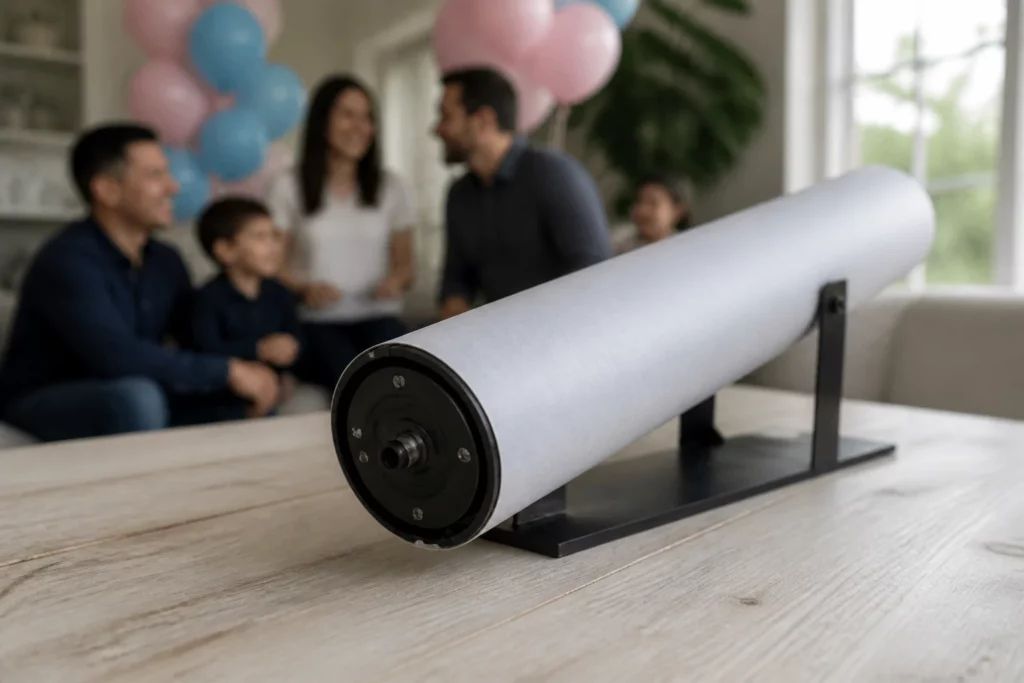
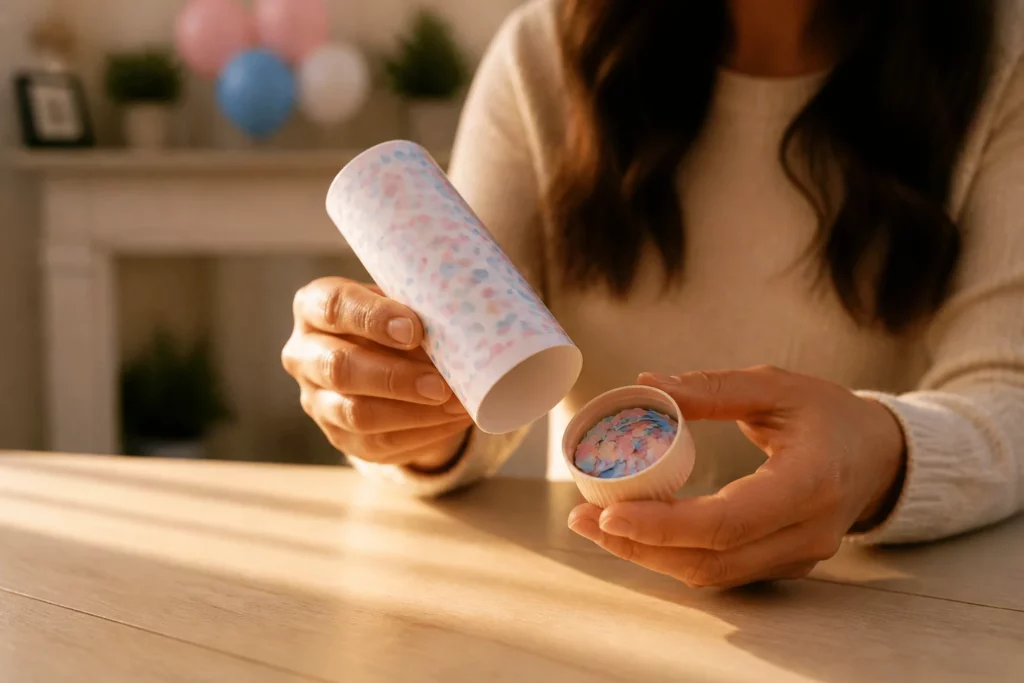
Beyond the confetti itself, the delivery method can also be made more eco-friendly. Instead of single-use confetti cannons, consider using refillable cannons or other reusable containers. These can be filled with biodegradable confetti and used multiple times, reducing waste and saving money in the long run. Another option is to use handheld confetti poppers that are powered by compressed air rather than harmful chemicals. These poppers can be refilled with biodegradable confetti and reused for future events. By choosing reusable delivery methods, you can significantly reduce the environmental impact of your confetti celebrations. Companies like Eco-Party Supplies offer a range of refillable confetti cannons and poppers.
Case Study: A Sustainable Wedding Celebration
Sarah and Mark, a couple committed to sustainability, wanted to incorporate confetti into their wedding celebration without harming the environment. They opted for biodegradable confetti made from seed paper, which contained wildflower seeds. After the ceremony, guests were encouraged to scatter the confetti in their gardens or local parks, allowing the seeds to sprout and grow into beautiful wildflowers. The couple also used refillable confetti cannons, which they filled with the seed paper confetti. This approach not only minimized waste but also added a unique and meaningful touch to their wedding celebration.
When considering are confetti cannons worth it?, remember that the environmental impact extends beyond the immediate cleanup. The production, transportation, and disposal of traditional confetti cannons all contribute to pollution and waste. By choosing eco-friendly alternatives, you can minimize your impact and celebrate responsibly. Whether you opt for biodegradable confetti, DIY solutions, or reusable delivery methods, there are plenty of ways to enjoy the festive effect of confetti without harming the planet. The growing availability of sustainable options makes it easier than ever to celebrate in an environmentally conscious way.
FAQ: Confetti Cannons and the Environment
Here are some frequently asked questions about the environmental impact of confetti cannons and how to make more sustainable choices:
Q: Is paper confetti always biodegradable?
A: Not necessarily. While paper is generally biodegradable, some paper confetti may contain dyes or coatings that can slow down the decomposition process or release harmful chemicals into the environment. It’s important to choose paper confetti that is specifically labeled as biodegradable and free from harmful additives.
Q: How long does it take for biodegradable confetti to decompose?
A: The decomposition time for biodegradable confetti varies depending on the material and environmental conditions. Rice paper confetti typically breaks down within a few weeks, while seed paper confetti may take longer as the seeds need time to germinate. Factors like moisture, temperature, and soil composition can also affect the decomposition rate.
Q: Are there any regulations regarding the use of confetti cannons?
A: Some cities and venues have regulations regarding the use of confetti cannons, particularly those that use non-biodegradable materials. It’s important to check with local authorities and event organizers to ensure that you are complying with any applicable regulations. Some areas may require the use of biodegradable confetti or prohibit the use of confetti cannons altogether.
Q: What are some creative alternatives to traditional confetti?
A: There are many creative alternatives to traditional confetti that can add a unique and sustainable touch to your celebrations. These include using bubbles, flower petals, ribbon wands, or even biodegradable glitter. These alternatives offer a festive effect without the environmental downsides of traditional confetti.
Q: Where can I purchase eco-friendly confetti and confetti cannons?
A: Eco-friendly confetti and confetti cannons are available from a variety of online retailers and specialty stores. Look for companies that specialize in sustainable party supplies or offer a wide range of biodegradable and reusable products. Some popular options include Botanical PaperWorks, Planet Friendly Confetti, and Eco-Party Supplies.
Addressing Common Concerns About Confetti Cleanup
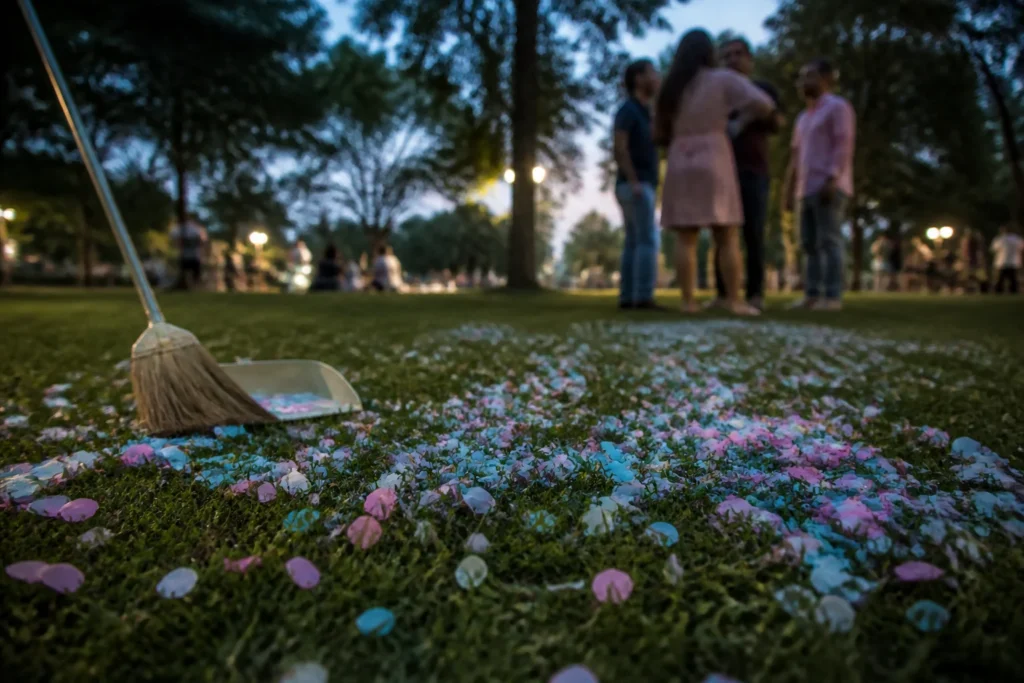
One of the biggest deterrents to using confetti, even the eco-friendly kind, is the perceived hassle of cleanup. Images of endless sweeping and picking up tiny pieces can be enough to discourage even the most enthusiastic celebrators. However, with a few strategic approaches and the right tools, confetti cleanup can be manageable and less daunting than you might think. The key is to plan ahead and involve others in the process.
For outdoor events, consider the location and weather conditions. Avoid using confetti on windy days, as it can easily scatter and become difficult to contain. Choose a location that is relatively easy to clean, such as a paved area or a grassy lawn. Before the event, designate a cleanup crew and provide them with the necessary tools, such as brooms, rakes, and trash bags. After the event, work together to collect the confetti as quickly as possible. If you’re using biodegradable confetti, you can often leave it to decompose naturally in grassy areas, but it’s still a good idea to remove any large clumps or visible litter.
Indoor cleanup requires a slightly different approach. Hard floors can be easily swept or vacuumed, while carpets may require more thorough cleaning. Use a vacuum cleaner with a hose attachment to reach tight corners and crevices. For stubborn pieces of confetti, try using a lint roller or a damp cloth. To minimize the mess, consider placing drop cloths or tarps under the area where the confetti will be used. This will make cleanup much easier and prevent confetti from getting embedded in carpets or furniture. If you are thinking, “are confetti cannons worth it?”, consider the venue and cleanup options.
Here’s a comparison of cleanup methods for different types of confetti:
| Confetti Type |
Cleanup Method |
Ease of Cleanup |
| Paper Confetti |
Sweeping, vacuuming |
Easy |
| Plastic Confetti |
Sweeping, vacuuming, hand-picking |
Difficult |
| Biodegradable Confetti (Rice Paper) |
Sweeping, vacuuming, natural decomposition |
Moderate |
| Seed Paper Confetti |
Natural decomposition (scattering seeds) |
Easy (minimal cleanup) |
Involving guests in the cleanup process can also make it more efficient and enjoyable. Consider turning it into a game or competition, with prizes for the most confetti collected. Providing clear instructions and designated disposal areas will also help to streamline the process. By working together and making cleanup a part of the overall event experience, you can minimize the burden and ensure that the area is left clean and tidy.
“We made cleanup a fun activity at our wedding by providing colorful buckets and offering a small prize for the guest who collected the most confetti. It turned what could have been a chore into a team effort and a memorable part of the celebration!” – Emily, a recent bride.
The Role of Event Planners and Venues
Event planners and venues play a crucial role in promoting responsible confetti use. By incorporating sustainable practices into their services and policies, they can help to minimize the environmental impact of celebrations. This includes offering eco-friendly confetti options, providing designated disposal areas, and educating clients about the importance of responsible cleanup. Venues can also implement policies that restrict the use of non-biodegradable confetti or require clients to pay a cleanup fee. By taking a proactive approach, event planners and venues can contribute to a more sustainable and environmentally conscious event industry.
Event planners can also advise clients on alternative ways to create a festive atmosphere without using confetti at all. This could include using lighting effects, projections, or other visual elements to add excitement and visual interest. They can also work with clients to incorporate sustainable decorations and practices throughout the event, such as using recycled materials, sourcing local and seasonal food, and minimizing waste. By offering a range of sustainable options, event planners can empower clients to make informed choices that align with their values.
Venues can also partner with local organizations or environmental groups to promote responsible confetti use and cleanup. This could involve hosting workshops or educational events, providing resources and information to clients, or participating in community cleanup initiatives. By working together, event planners, venues, and community organizations can create a culture of sustainability and promote responsible celebration practices.
Consider these steps for event planners:
- Offer biodegradable confetti options as a standard part of your packages.
- Include cleanup services in your pricing, ensuring proper disposal.
- Educate clients on the environmental impact of traditional confetti.
- Partner with eco-friendly suppliers for confetti and other event materials.
Beyond Confetti: Exploring Other Eco-Friendly Celebration Ideas
While eco-friendly confetti is a great option, there are many other ways to celebrate sustainably and minimize your environmental impact. From decorations to food to transportation, every aspect of your event can be made more eco-friendly with a little planning and creativity. By exploring these alternatives, you can create a celebration that is both memorable and environmentally responsible. The key is to think outside the box and find innovative ways to reduce waste, conserve resources, and support sustainable practices.
For decorations, consider using natural materials such as flowers, leaves, and branches. These can be sourced locally or even foraged from your own backyard. Avoid using balloons, which are a major source of litter and can be harmful to wildlife. Instead, opt for reusable fabric banners, paper lanterns, or other sustainable decorations. You can also create your own decorations from recycled materials, such as paper scraps, old magazines, or fabric remnants. This is a great way to add a personal touch to your event while reducing waste.
When it comes to food, choose local and seasonal ingredients whenever possible. This reduces the carbon footprint associated with transportation and supports local farmers and producers. Opt for reusable plates, cutlery, and glasses instead of disposable ones. If you must use disposable items, choose biodegradable or compostable options. Minimize food waste by planning your menu carefully and offering smaller portions. You can also donate any leftover food to a local food bank or shelter.
Transportation is another important consideration. Encourage guests to carpool, bike, or use public transportation. If possible, choose a venue that is easily accessible by public transportation or within walking distance of accommodations. You can also offer shuttle services or arrange for group transportation to minimize the number of vehicles on the road. Consider offsetting the carbon emissions associated with your event by donating to a carbon offset program.
Here are some additional eco-friendly celebration ideas:
- Use LED lighting to conserve energy.
- Send digital invitations instead of paper ones.
- Offer reusable water bottles or refillable water stations.
- Choose sustainable favors or donate to a charity in lieu of favors.
- Compost food scraps and other organic waste.
By incorporating these eco-friendly practices into your celebrations, you can minimize your environmental impact and create a more sustainable and responsible event. Remember that every little bit helps, and even small changes can make a big difference. The next time you ask, “are confetti cannons worth it?”, consider these broader sustainability practices.
Mini Case Study: A zero-waste birthday party was achieved by using reusable decorations, compostable tableware, and locally sourced food. Guests were encouraged to bring their own reusable containers for leftovers, and all waste was carefully sorted and composted or recycled. The party was a success, demonstrating that it is possible to celebrate without generating any waste.
Ultimately, the choice of how to celebrate is a personal one. However, by considering the environmental impact of your choices and exploring eco-friendly alternatives, you can make a positive contribution to the planet while still enjoying the festivities. The growing awareness of environmental issues is prompting a shift towards more sustainable celebration practices, encouraging people to find ways to enjoy festivities without harming the planet. The environmental cost is a key factor when deciding are confetti cannons worth it?.
Are Confetti Cannons Worth It? Weighing the Pros and Cons
The allure of a confetti-filled celebration is undeniable. The burst of color and the joyous atmosphere it creates are often seen as essential elements for weddings, birthdays, and other special occasions. However, the environmental impact of traditional confetti cannons raises serious questions about their overall worth. While the immediate visual effect is captivating, the long-term consequences for the planet cannot be ignored. Plastic confetti, in particular, poses a significant threat to ecosystems, as it can persist in the environment for hundreds of years, contributing to pollution and harming wildlife. The decision to use confetti cannons, therefore, requires careful consideration of both the celebratory benefits and the environmental costs.
One of the primary concerns surrounding confetti cannons is the sheer volume of waste they generate. A single event can easily produce bags full of confetti, much of which ends up scattered across streets, parks, and waterways. This waste not only detracts from the aesthetic appeal of public spaces but also poses a direct threat to wildlife. Animals can ingest confetti, mistaking it for food, which can lead to digestive problems, malnutrition, and even death. Furthermore, the dyes and chemicals used in some confetti can leach into the soil and water, contaminating ecosystems and harming plant life. The environmental impact extends beyond the immediate cleanup, encompassing the entire lifecycle of the product, from manufacturing to disposal.
The good news is that there are many eco-friendly alternatives to traditional confetti cannons that can provide the same festive effect without the environmental downsides. Biodegradable confetti, made from materials such as rice paper or seed paper, is a popular choice. These materials break down naturally over time, minimizing their impact on the environment. Refillable confetti cannons are another sustainable option, as they can be used multiple times, reducing the need for single-use products. By choosing these alternatives, you can enjoy the celebratory atmosphere of confetti without contributing to pollution and waste. The availability of these options makes it easier than ever to celebrate responsibly and minimize your environmental footprint.
Making Eco-Conscious Choices: Are Confetti Cannons Worth It?
The decision of whether or not confetti cannons are worth it often comes down to a matter of priorities. If the primary goal is to create a visually stunning and memorable event, then confetti cannons may seem like an indispensable element. However, if environmental responsibility is a top priority, then it’s important to carefully weigh the pros and cons and consider alternative options. The good news is that it’s possible to achieve both goals simultaneously by choosing eco-friendly confetti and using responsible cleanup practices. By making informed choices and taking proactive steps to minimize waste, you can celebrate in a way that is both joyous and sustainable.
One of the key factors to consider is the type of confetti used in the cannons. Plastic confetti, as mentioned earlier, is the least environmentally friendly option due to its persistence in the environment. Paper confetti is a slightly better choice, but it’s important to ensure that it’s made from recycled paper and free from harmful dyes or coatings. Biodegradable confetti, made from materials such as rice paper or seed paper, is the most sustainable option. These materials break down naturally over time, minimizing their impact on the environment. Seed paper confetti, in particular, offers the added benefit of promoting plant growth, as it contains wildflower seeds that can sprout and grow into beautiful flowers.
Another important consideration is the method of delivery. Single-use confetti cannons, which are typically made from plastic or cardboard, contribute to waste and pollution. Refillable confetti cannons are a more sustainable option, as they can be used multiple times. You can also consider DIY confetti cannons, which can be made from recycled materials such as cardboard tubes and balloons. By choosing reusable or DIY options, you can reduce the amount of waste generated by your celebration. Ultimately, the decision of whether or not confetti cannons are worth it depends on your individual values and priorities. By making informed choices and taking proactive steps to minimize waste, you can celebrate in a way that is both joyous and environmentally responsible.
Tips for a Sparkling Celebration Without the Guilt
Planning a celebration involves many choices, and each one presents an opportunity to make a more sustainable decision. When considering decorations, think beyond single-use items. For example, instead of balloons, which often end up as litter and pose a threat to wildlife, consider using fabric banners or paper lanterns that can be reused for future events. Lighting can also play a significant role in creating a festive atmosphere. Opt for LED lights, which are energy-efficient and long-lasting, rather than traditional incandescent bulbs.
Food and beverages are another area where you can make a big impact. Choose locally sourced and seasonal ingredients to reduce the carbon footprint associated with transportation. Offer reusable plates, cutlery, and glasses instead of disposable ones. If you must use disposable items, choose biodegradable or compostable options. Minimize food waste by planning your menu carefully and offering smaller portions. Encourage guests to bring their own reusable water bottles or provide refillable water stations. By making these small changes, you can significantly reduce the environmental impact of your celebration.
Transportation is often overlooked, but it’s an important consideration. Encourage guests to carpool, bike, or use public transportation. If possible, choose a venue that is easily accessible by public transportation or within walking distance of accommodations. You can also offer shuttle services or arrange for group transportation to minimize the number of vehicles on the road. By taking these steps, you can reduce the carbon emissions associated with your event and promote sustainable transportation practices. Remember, every choice you make has an impact, and by making conscious decisions, you can create a celebration that is both memorable and environmentally responsible.
Shine Brighter: Celebrate Responsibly and Sustainably
We’ve explored the environmental impact of confetti cannons, highlighting the importance of choosing eco-friendly alternatives like biodegradable and seed paper confetti. We’ve also discussed the significance of responsible cleanup practices and the role that event planners and venues can play in promoting sustainability. From decorations to food to transportation, every aspect of your event can be made more eco-friendly with a little planning and creativity.
Ready to plan your next celebration with a clear conscience? How can you incorporate sustainable practices into your upcoming event to minimize your environmental impact and create a truly memorable experience?
Q: What is the best way to dispose of biodegradable confetti after an event?
A: The best way to dispose of biodegradable confetti is to scatter it in a grassy area or garden where it can decompose naturally. Avoid disposing of it in waterways or areas where it could harm wildlife.
Q: Can I make my own biodegradable confetti?
A: Yes, you can easily make your own biodegradable confetti by using a paper shredder or hole punch to create small pieces of dried leaves, flower petals, or rice paper.
Q: Are there any potential downsides to using seed paper confetti?
A: While seed paper confetti is generally safe for the environment, it’s important to ensure that the seeds are native to the area and won’t become invasive. It’s also important to avoid using seed paper confetti in protected areas or sensitive ecosystems.