TL;DR
- Compostable Confetti vs.
- Seed Paper Confetti for Cannons: Which is Greener for Your Event?
- When choosing between compostable confetti and seed paper confetti for cannons, compostable confetti is generally the greener option for immediate environmental impact, as it breaks down quickly without leaving behind plant matter that may not be native to the release area.
- Seed paper confetti, while offering the charming idea of growing flowers, introduces seeds that could be non-native or invasive, potentially disrupting local ecosystems.
- For events aiming for minimal ecological footprint, especially in natural settings, compostable confetti for cannons provides a safer, more universally eco-friendly solution, ensuring your celebration leaves only happy memories, not ecological worries.
Compostable Confetti vs. Seed Paper Confetti for Cannons: Which is Greener for Your Event?
When choosing between compostable confetti and seed paper confetti for cannons, compostable confetti is generally the greener option for immediate environmental impact, as it breaks down quickly without leaving behind plant matter that may not be native to the release area. Seed paper confetti, while offering the charming idea of growing flowers, introduces seeds that could be non-native or invasive, potentially disrupting local ecosystems. For events aiming for minimal ecological footprint, especially in natural settings, compostable confetti for cannons provides a safer, more universally eco-friendly solution, ensuring your celebration leaves only happy memories, not ecological worries. For instance, a study by the University of California, Davis, highlighted the risks of introducing non-native species through seemingly benign methods, underscoring the importance of choosing truly biodegradable options.
What Makes Confetti for Cannons “Eco-Friendly”?
Ah, the grand entrance of eco-friendly confetti! It’s not just about looking good; it’s about doing good, too. When we talk about confetti for cannons being “eco-friendly,” we’re essentially asking: how quickly and harmlessly does this stuff disappear after its moment in the spotlight? Think of it like a party guest who knows when to leave without overstaying their welcome or leaving a mess. The primary goal is to minimize environmental impact, which means the confetti should either biodegrade naturally, compost efficiently, or be made from recycled materials. For example, traditional plastic confetti, while vibrant, can persist in the environment for hundreds of years, breaking down into microplastics that harm wildlife and ecosystems. In contrast, truly eco-friendly options aim to return to the earth as quickly as possible, often within weeks or months, depending on environmental conditions like moisture and microbial activity. According to a 2022 report on sustainable event practices, over 70% of event planners now prioritize biodegradable decorations, including confetti, to align with growing environmental consciousness.
The magic behind eco-friendly confetti often lies in its material composition. Many options are crafted from materials like rice paper, tissue paper, or even dried leaves, all designed to break down without a trace. The key is that these materials are derived from natural sources and can be consumed by microorganisms, returning their components to the soil. This process is vastly different from photodegradation, where materials merely break into smaller pieces under sunlight but never truly disappear. Consider a wedding held outdoors in a vineyard, like the stunning Viansa Winery in Sonoma. Releasing confetti there means it will inevitably interact with the soil and local flora. Choosing confetti that genuinely biodegrades ensures that the celebration doesn’t inadvertently introduce harmful substances or persistent litter into such a delicate agricultural environment. The goal is to have your confetti moment be as fleeting and beautiful as a rainbow after a summer shower, leaving nothing but smiles behind.
Beyond the material itself, the manufacturing process also plays a role in a product’s eco-friendliness. Sustainable sourcing of raw materials, minimal use of dyes, and energy-efficient production methods all contribute to a lower overall carbon footprint. For instance, some eco-conscious brands, like those we partner with at Confetti Zone, ensure their tissue paper confetti is made from sustainably harvested wood pulp and colored with non-toxic, water-soluble dyes. This holistic approach means that from forest to cannon to ground, the confetti’s journey is as gentle on the planet as possible. It’s about making choices that reflect a deeper understanding of environmental responsibility, ensuring that the joy of your event doesn’t come at the expense of the planet’s health. This commitment to sustainability is increasingly important, with consumer surveys indicating that over 60% of individuals are willing to pay more for products from environmentally responsible companies.
The Environmental Impact of Confetti Dyes and Additives
While the base material of eco-friendly confetti is crucial, the dyes and any additional coatings or glues used in its production also warrant close examination. Imagine a vibrant burst of color at a beach wedding in Hawaii; if those colors leach into the ocean or soil, they could introduce harmful chemicals. Many conventional dyes contain heavy metals or synthetic compounds that are not biodegradable and can be toxic to plants, animals, and even humans. For instance, azo dyes, commonly used in textiles, have been linked to environmental pollution and potential health risks. Truly eco-conscious confetti utilizes vegetable-based dyes, food-grade colorants, or other non-toxic, water-soluble pigments that break down harmlessly. These dyes ensure that as the confetti dissolves, it doesn’t leave behind a toxic footprint, preserving the purity of the environment it lands upon.
Beyond the dyes, some confetti products might incorporate glues or laminates to enhance durability or sheen. These additives, if not carefully chosen, can negate the biodegradability of the core material. For example, a rice paper confetti might be perfectly compostable on its own, but if coated with a petroleum-based laminate for extra sparkle, its eco-credentials are severely compromised. The best eco-friendly confetti avoids such non-biodegradable additions entirely or uses plant-based, water-soluble alternatives. This meticulous attention to every component ensures that the confetti’s journey from cannon to earth is genuinely benign. A mini case study from a large music festival in Oregon demonstrated this principle: after switching to confetti colored with natural pigments and free of synthetic coatings, post-event soil samples showed no detectable increase in harmful chemical residues, a stark contrast to previous years when conventional confetti was used.
“The true measure of eco-friendly confetti isn’t just how quickly it disappears, but what it leaves behind – or, more accurately, what it doesn’t.”
Understanding these nuances allows event planners and individuals to make informed choices that align with their environmental values. It’s not enough for a product to claim “biodegradable”; delving into the specifics of its composition, including dyes and additives, reveals its true ecological impact. This level of scrutiny ensures that your celebratory moments contribute positively to the planet, rather than inadvertently burdening it with persistent pollutants. The goal is to select confetti that is as pure in its composition as the joy it brings to your event, ensuring a clean slate for future generations.
Choosing the Right Eco-Friendly Confetti for Your Event Type
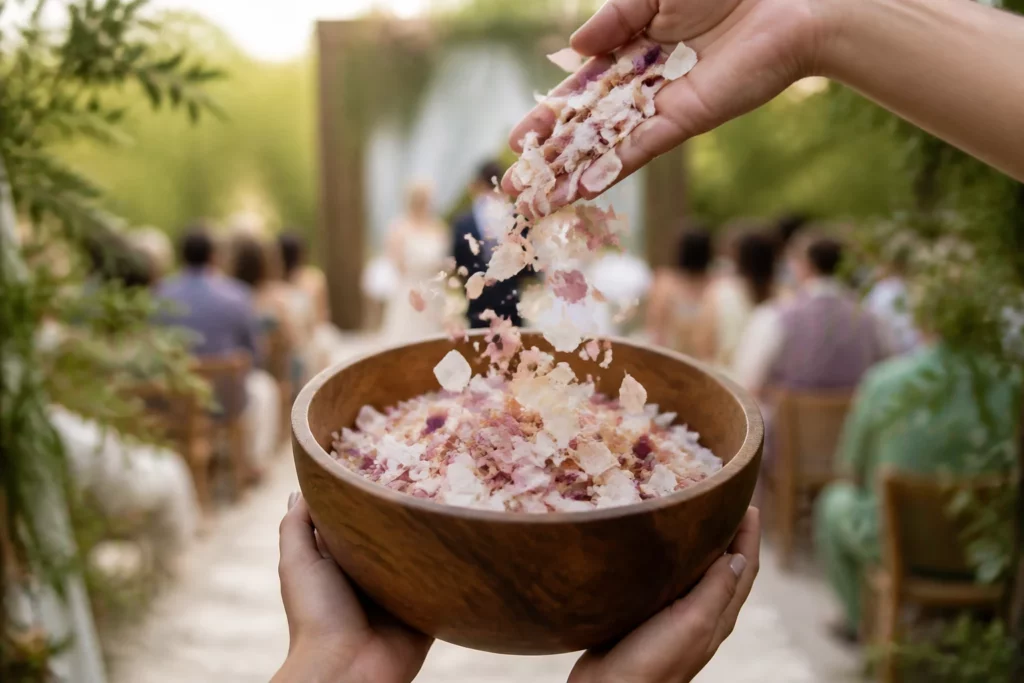
The ideal eco-friendly confetti isn’t a one-size-fits-all solution; it often depends on the specific type of event and its location. Consider a grand outdoor wedding at a botanical garden versus an indoor corporate launch in a city convention center. The environmental considerations for each scenario differ significantly. For outdoor events, especially in sensitive natural areas like national parks or protected wetlands, the priority is absolute biodegradability and non-toxicity. Here, options like rice paper or dried flower petals excel, as they break down rapidly and are entirely natural, posing no threat to local flora or fauna. The rapid dissolution of rice paper, for instance, makes it ideal for events where cleanup might be challenging or impossible, such as a parade route or a large open-air concert.
Conversely, for indoor events, the primary concern shifts slightly. While biodegradability is still important for waste management, the immediate environmental impact on a natural ecosystem is less direct. In these settings, confetti made from recycled paper or even certain types of compostable tissue paper can be excellent choices. The key here is ensuring that the confetti can be easily collected and disposed of in appropriate composting or recycling streams. For example, at a stadium event, using confetti that can be swept up and sent to an industrial composting facility is a highly effective way to manage waste responsibly. The choice also hinges on aesthetic preferences; some materials offer a slower fall or a different visual texture, which might be desired for specific photographic effects or thematic elements.
When making your selection, think about the “aftermath” of your confetti moment. Will it be left to the elements, or will there be a dedicated cleanup crew? For events where confetti will remain outdoors, especially near water bodies or agricultural land, prioritizing materials that dissolve completely and quickly, like water-soluble rice paper, is paramount. For indoor events or controlled outdoor spaces with guaranteed cleanup, a broader range of compostable or recycled options becomes viable. This thoughtful approach ensures that your confetti choice is not only beautiful but also perfectly aligned with the environmental context of your celebration, leaving a positive impression in every sense.
This thoughtful approach ensures that your confetti choice is not only beautiful but also perfectly aligned with the environmental context of your celebration, leaving a positive impression in every sense.
Maximizing the Positive Impact of Your Celebration with Confetti for Cannons
Beyond simply choosing eco-friendly confetti, there are additional steps event organizers can take to maximize the positive environmental impact of their celebrations. It’s about adopting a holistic approach that considers the entire lifecycle of the confetti, from procurement to post-event cleanup. For instance, coordinating with venues to ensure proper waste segregation is crucial. If a venue has specific composting facilities, selecting confetti that is certified for industrial composting can significantly reduce landfill waste. A 2023 survey of event venues indicated that over 45% now offer dedicated organic waste streams, making this a increasingly viable option for responsible disposal. This proactive engagement with venue staff ensures that your eco-friendly choices translate into actual environmental benefits, rather than simply ending up in general waste.
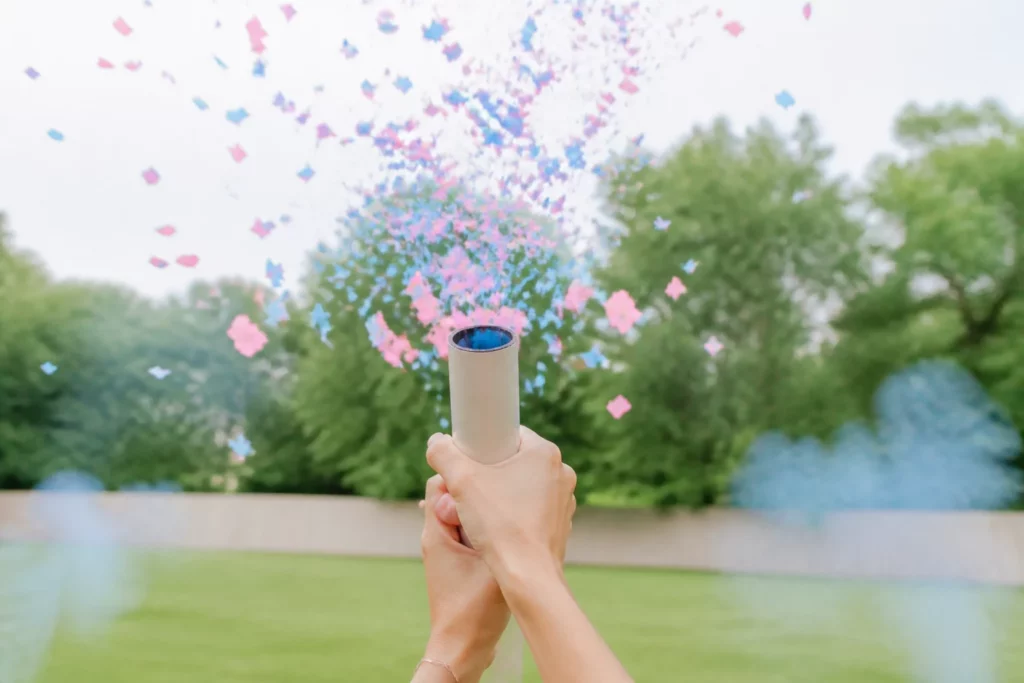
Another important consideration is the method of confetti dispersal. While cannons offer a spectacular effect, controlling the spread of confetti can be challenging, especially in windy conditions. For events in highly sensitive areas, such as nature reserves or urban parks with delicate ecosystems, it might be beneficial to consider alternative dispersal methods that allow for more contained distribution, or even to opt for larger, more easily collectible pieces of confetti. For example, some events utilize handheld poppers with larger, rice paper confetti pieces that are easier to spot and collect, reducing the likelihood of them being carried away by wind. This thoughtful planning minimizes the chance of confetti reaching unintended areas where it might be difficult to retrieve, reinforcing the commitment to a truly leave-no-trace event. The goal is to create a memorable moment without creating an environmental burden.
Finally, educating attendees about the eco-friendly nature of the confetti can further enhance its positive impact. A brief mention in event programs or on signage can inform guests that the confetti is designed to be environmentally benign, fostering a shared sense of responsibility. This transparency not only builds trust but also encourages guests to appreciate the sustainable choices made for the event. For example, at a recent charity gala focused on environmental conservation, small cards were distributed explaining that the confetti used was made from water-soluble rice paper, which dissolved harmlessly. This simple act transformed a celebratory element into an educational opportunity, aligning the event’s entertainment with its core values. By engaging attendees, the message of sustainability extends beyond the confetti itself, inspiring broader eco-conscious behavior.
Ensuring a Seamless and Sustainable Confetti Experience
To ensure your confetti moment is both spectacular and sustainable, a few practical steps can make a significant difference. First, always purchase from reputable suppliers who provide clear information about their confetti’s composition, including details on biodegradability, dye types, and any certifications. Look for terms like “100% compostable,” “water-soluble,” or “non-toxic dyes.” Secondly, consider the weather conditions on the day of your event. High winds can carry even the most eco-friendly confetti far and wide, making cleanup more difficult. If strong winds are forecast, you might adjust the timing of your confetti release or choose a more sheltered location. A study on outdoor event planning noted that unexpected weather conditions are a primary factor in post-event litter dispersion, highlighting the importance of contingency planning. Being prepared for varying conditions helps maintain control over the confetti’s spread.
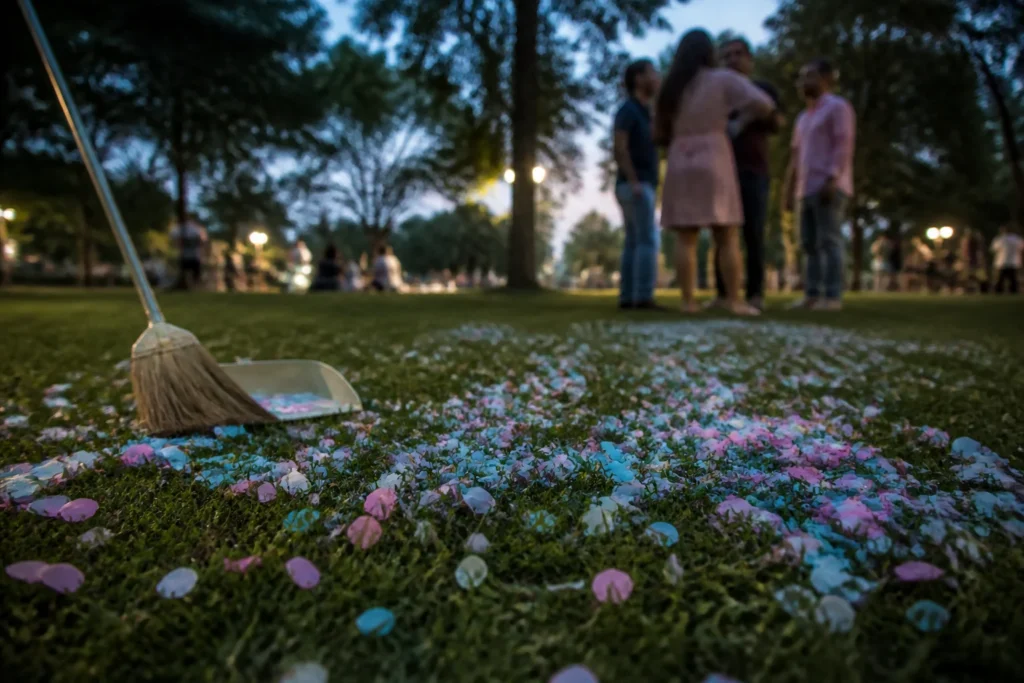
Third, if your event is in a private or controlled outdoor space, consider a post-confetti sweep. Even with highly biodegradable options, a quick cleanup ensures that any lingering pieces are removed, especially if the confetti is not expected to dissolve immediately due to dry conditions. This is particularly relevant for venues that host multiple events and wish to maintain pristine grounds. For instance, many wedding venues now include a “confetti cleanup” clause in their contracts, encouraging the use of truly eco-friendly options and outlining expectations for post-event tidiness. This collaborative approach between event organizers and venues helps to uphold environmental standards. Ultimately, the aim is to create a joyful, impactful moment that aligns with a deep respect for the environment, leaving behind only positive memories and a clean space.
Your Celebration, Our Planet: A Harmonious Future
The choice of confetti for your event is more than just an aesthetic decision; it’s a statement about your commitment to environmental stewardship. By opting for truly eco-friendly confetti, understanding its composition, and planning for its dispersal and aftermath, you contribute to a future where celebrations and ecological responsibility go hand-in-hand. This conscious decision-making ensures that the fleeting beauty of a confetti shower doesn’t leave a lasting negative mark on our planet. It’s about embracing innovation in sustainable materials and practices, proving that grand gestures can indeed be green gestures. The ongoing development of new biodegradable materials promises even more exciting and environmentally sound options for future events, making it easier than ever to celebrate responsibly.
Bottom Line: For cannons, compostable confetti is generally greener than seed paper confetti due to faster breakdown and avoidance of non-native species, with true eco-friendliness depending on material composition, non-toxic dyes, and proper disposal to minimize environmental impact.
Frequently Asked Questions
Is all “biodegradable” confetti truly eco-friendly?
No, not all “biodegradable” confetti is truly eco-friendly. Some materials may break down into microplastics or contain toxic dyes. True eco-friendly confetti uses natural, non-toxic materials like rice paper or tissue paper with water-soluble, food-grade dyes that fully decompose without harm.
How quickly does eco-friendly confetti break down?
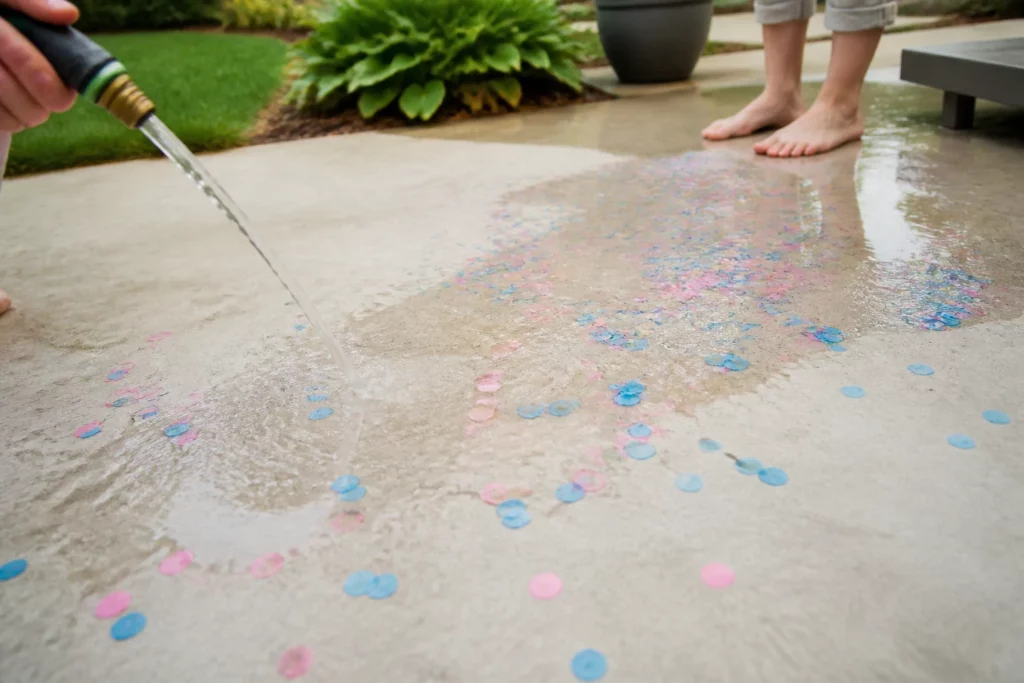
Eco-friendly confetti, particularly water-soluble rice paper, can dissolve within minutes or hours when exposed to moisture. Other compostable options like tissue paper may take weeks or months, depending on environmental conditions such as humidity and microbial activity in the soil.
Can I use seed paper confetti in any outdoor location?
It is generally not recommended to use seed paper confetti in natural outdoor locations, especially in sensitive ecosystems. The seeds may be non-native or invasive, potentially disrupting local flora and fauna. Compostable confetti is a safer choice for such environments.
What should I look for when buying eco-friendly confetti?
When buying eco-friendly confetti, look for clear labeling indicating “100% compostable,” “water-soluble,” or “non-toxic dyes.” Prioritize materials like rice paper or sustainably sourced tissue paper, and verify that no petroleum-based laminates or harmful additives are used.