Answer
For event planners and party organizers seeking to create a memorable moment, choosing the right confetti for cannon deployment is crucial. Metallic confetti generally delivers a more dramatic, reflective visual impact due to its shimmering surface, making it ideal for high-energy events like concerts or…
TL;DR
- Metallic confetti provides high sparkle and reflectivity, best for dramatic, high-impact visuals.
- The visual characteristics of metallic and paper confetti differ significantly, influencing the overall aesthetic of any event.
- Environmental factors and subsequent cleanup are critical considerations when selecting between metallic and paper confetti for cannon deployment, especially for outdoor events.
- Selecting the best confetti material for specific event types and confetti for cannon applications hinges on matching the desired atmosphere with the material's inherent properties.
- Metallic confetti is generally safe for outdoor use in terms of immediate physical harm, but it is not biodegradable.
Metallic vs. Paper Confetti: Which Material Delivers the Best Visual Impact for Your Cannon?
For event planners and party organizers seeking to create a memorable moment, choosing the right confetti for cannon deployment is crucial. Metallic confetti generally delivers a more dramatic, reflective visual impact due to its shimmering surface, making it ideal for high-energy events like concerts or New Year’s Eve celebrations. Paper confetti, conversely, offers a softer, more diffused effect, often preferred for weddings, gender reveals, or daytime events where a gentle cascade is desired. The optimal choice depends on the specific atmosphere you aim to create and the environmental considerations, as biodegradable paper options are increasingly popular for outdoor venues as of 2026.
Key Insights
- Metallic confetti provides high sparkle and reflectivity, best for dramatic, high-impact visuals.
- Paper confetti offers a softer, slower fall, suitable for elegant or eco-conscious events.
- Consider event lighting, venue type, and cleanup requirements when making your selection.
- Biodegradable paper confetti is a preferred choice for outdoor events due to environmental considerations.
- Cannon type and launch height influence how each material disperses and appears.
What Are the Distinct Visual Characteristics of Metallic and Paper Confetti for Cannon Use?
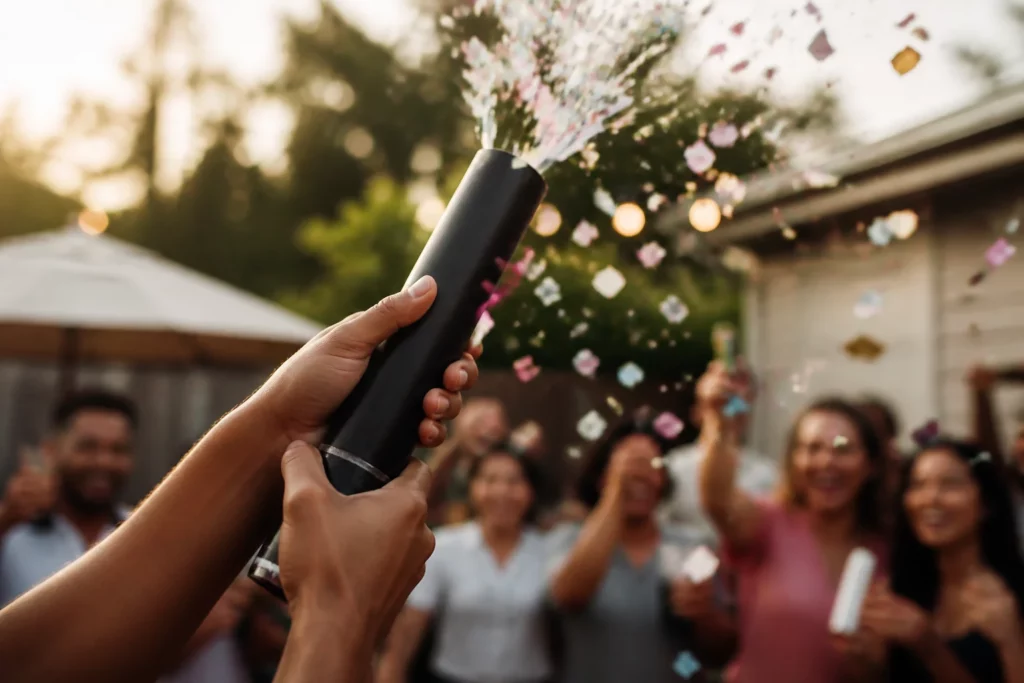
The visual characteristics of metallic and paper confetti differ significantly, influencing the overall aesthetic of any event. Metallic confetti, typically made from PVC or Mylar, is engineered to reflect light intensely. When launched from a confetti for cannon, each piece acts like a tiny mirror, catching ambient light or spotlights and creating a dazzling, sparkling effect. This high reflectivity makes metallic confetti particularly effective in dimly lit venues or during evening events, where it can transform a space into a vibrant, dynamic spectacle. Imagine a concert where a burst of metallic confetti shimmers under stage lights, enhancing the energy and excitement of the performance. This material is often chosen for its ability to create a “wow” factor, leaving a lasting impression on attendees.
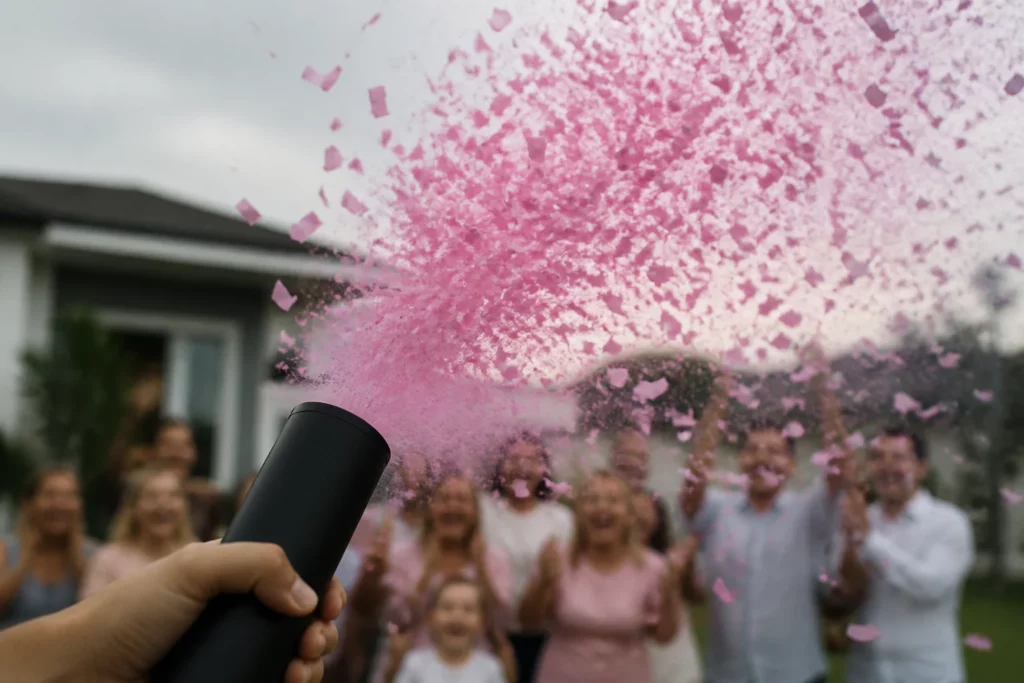
In contrast, paper confetti, usually made from tissue paper, offers a more subdued and elegant visual. Its matte or semi-gloss finish absorbs light rather than reflecting it, resulting in a softer, more diffused descent. When deployed from a cannon, paper confetti creates a gentle, floating cascade, often described as a “snowfall” effect. This quality makes it highly suitable for events like weddings, graduations, or gender reveals, where the focus is on sentiment and atmosphere rather than intense spectacle. For instance, a gender reveal powder cannon often uses paper confetti to create a soft, colorful cloud, adding to the surprise and joy without overwhelming the moment. The slower fall rate of paper confetti also allows for more prolonged visual enjoyment, as the pieces drift gracefully through the air before settling.
Beyond reflectivity and fall rate, the opacity and color vibrancy also play a role. Metallic confetti often appears more vibrant due to its reflective properties, making colors pop even in lower light. Paper confetti, while still offering a wide spectrum of colors, tends to present them in a softer, more natural tone. This difference is crucial when coordinating with event themes or branding. For a corporate event aiming for a sleek, modern look, metallic confetti in silver or gold might be chosen. Conversely, a children’s party might opt for brightly colored paper confetti to create a playful and cheerful ambiance. Understanding these fundamental visual distinctions is the first step in selecting the ideal confetti for your specific cannon application.
How Do Environmental Factors and Cleanup Affect Confetti Material Choice?
Environmental factors and subsequent cleanup are critical considerations when selecting between metallic and paper confetti for cannon deployment, especially for outdoor events. Metallic confetti, typically made from non-biodegradable materials like PVC or Mylar, poses a greater environmental challenge. If used outdoors, it can persist in the environment for extended periods, potentially impacting local ecosystems and requiring extensive manual cleanup. For example, a large-scale festival using metallic confetti might face significant costs and labor for post-event site restoration, as each tiny piece needs to be collected. Many venues, particularly those with strong environmental policies or located near natural habitats, may restrict or prohibit the use of non-biodegradable materials, making metallic confetti an unsuitable choice in such scenarios.
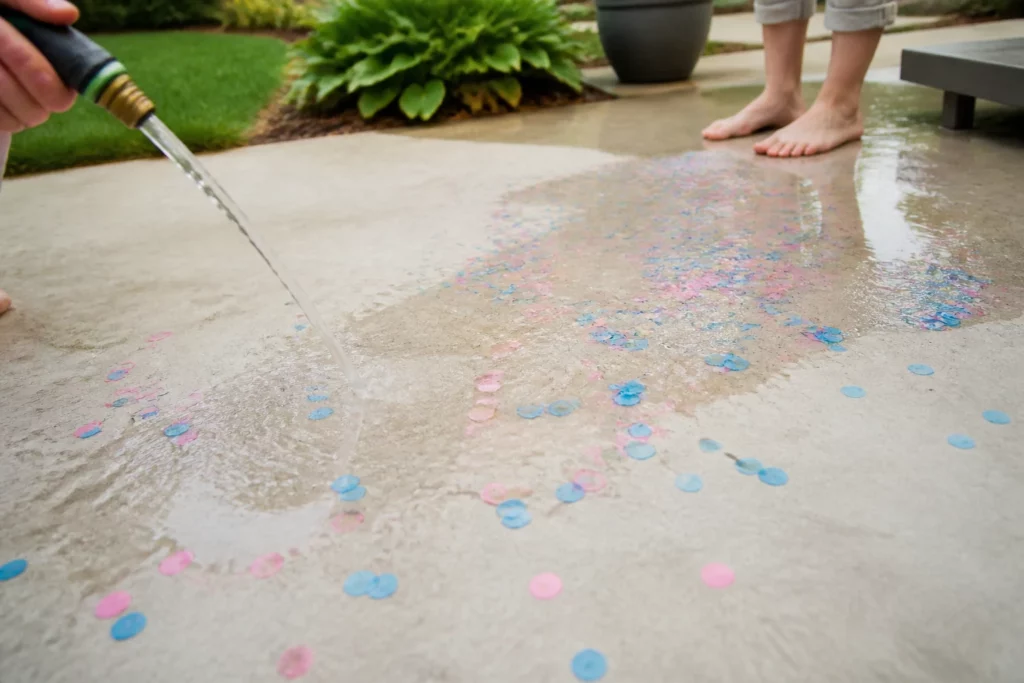
Paper confetti, on the other hand, offers a more eco-friendly solution, particularly when opting for biodegradable varieties. Biodegradable confetti, often made from rice paper or recycled tissue, breaks down naturally over time, minimizing environmental impact. This makes it an excellent choice for outdoor weddings, garden parties, or sporting events where cleanup might be challenging or where environmental responsibility is a priority. According to industry surveys, the demand for biodegradable confetti cannon options has significantly increased in 2026, reflecting a broader trend towards sustainable event planning. While paper confetti still requires cleanup, especially in large quantities, its natural decomposition reduces the urgency and intensity of the task compared to metallic alternatives. Some venues even allow biodegradable confetti to be left for natural dispersal, depending on local regulations and the specific material.
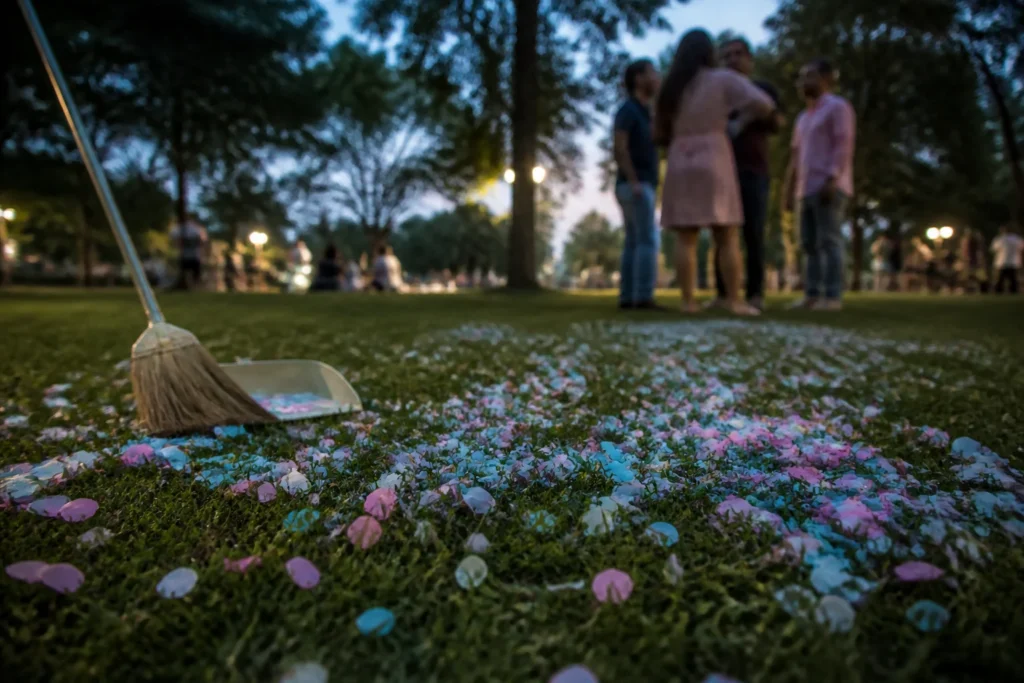
The ease of cleanup also varies significantly between the two materials. Metallic confetti, due to its static cling and often smaller, irregular shapes, can be notoriously difficult to collect. It tends to stick to surfaces, clothing, and even hair, requiring specialized tools like industrial vacuums or sticky rollers for efficient removal. This can add considerable time and expense to post-event operations. Paper confetti, while still requiring effort, is generally easier to sweep, rake, or vacuum. Its larger, flatter pieces are less prone to static cling and can be gathered more readily. For a typical outdoor event, a team might spend 2-3 hours cleaning up paper confetti from a 500-square-foot area, whereas metallic confetti in the same area could easily double that time, according to event management estimates. Therefore, when planning an event, assessing the venue’s cleanup capabilities and environmental policies is paramount to avoid unexpected complications and costs.
Which Confetti Material is Best for Specific Event Types and Confetti for Cannon Applications?
Selecting the best confetti material for specific event types and confetti for cannon applications hinges on matching the desired atmosphere with the material’s inherent properties. For high-energy, celebratory events such as New Year’s Eve countdowns, major sporting victories, or grand concert finales, metallic confetti is often the superior choice. Its reflective sparkle creates an immediate sense of excitement and spectacle, amplifying the celebratory mood. Imagine a professional sports team’s championship celebration where a massive electric confetti cannon unleashes a torrent of metallic streamers and confetti, showering the crowd in shimmering color. The visual impact is instantaneous and dramatic, perfectly complementing the peak moment of exhilaration. This material is also excellent for photo opportunities, as the reflective pieces catch camera flashes beautifully, creating dynamic and memorable images.
Conversely, for events that call for a more elegant, romantic, or intimate ambiance, paper confetti is generally preferred. Weddings, engagement parties, and theatrical performances often benefit from the softer, slower fall of tissue paper confetti. For instance, a wedding planner might choose white or pastel paper confetti for a cannon to create a beautiful, gentle shower as the couple exits the ceremony, symbolizing a fresh start. The slower descent allows for more prolonged visual enjoyment and creates a dreamlike quality that metallic confetti cannot replicate. Furthermore, for sensitive reveals, such as a gender reveal powder cannon, paper confetti mixed with colored powder creates a soft, opaque cloud that builds anticipation before revealing the color, adding to the emotional impact without being overly flashy. The natural aesthetic of paper confetti also blends seamlessly with outdoor, rustic, or vintage-themed events.
When considering specific confetti for cannon applications, the type of cannon itself can influence the optimal material. Handheld cannons, often used for smaller, more controlled bursts, can effectively deploy both types. However, larger, more powerful electric confetti cannons or continuous flow machines, frequently seen at festivals or large corporate events, can maximize the effect of metallic confetti by dispersing it over a wider area and higher altitude, creating a truly immersive experience. For events where environmental concerns are paramount, such as those held in national parks or protected areas, biodegradable confetti cannon options using paper confetti are not just a preference but often a requirement. As of 2026, many event organizers prioritize sustainability, making biodegradable paper confetti a default choice for outdoor venues, ensuring that the celebration leaves no lasting ecological footprint.
Bottom Line: Metallic confetti delivers superior sparkle and dramatic visual impact for high-energy events, while paper confetti offers a softer, more elegant cascade, ideal for intimate or eco-conscious celebrations.
Frequently Asked Questions
Is metallic confetti safe for outdoor use?
Metallic confetti is generally safe for outdoor use in terms of immediate physical harm, but it is not biodegradable. This means it can persist in the environment for a long time, posing cleanup challenges and potential ecological concerns. Many outdoor venues restrict its use.
Can I mix metallic and paper confetti in one cannon?
Yes, you can mix metallic and paper confetti in one cannon to achieve a unique visual effect. This combination can offer both the sparkle of metallic pieces and the softer, slower fall of paper, creating a dynamic and layered display. Ensure the cannon is rated for mixed media.
Does confetti cannon size affect material choice?
Confetti cannon size can influence material choice. Larger cannons, like electric confetti cannons, can propel both types effectively over greater distances and heights, maximizing the visual impact of metallic confetti. Smaller handheld cannons are versatile for both, but the effect will be more localized.
How long does biodegradable confetti take to decompose?
Biodegradable confetti, typically made from rice paper or special tissue, can decompose in a few days to several weeks, depending on environmental conditions like moisture and temperature. This makes it an environmentally responsible choice for outdoor events.