Answer
What Type of Confetti Flies Furthest from a Cannon? Optimizing for Distance and Coverage
For event planner Maya, the grand reveal of her client's new product line hinged on a spectacular confetti shower, but her last attempt barely cleared the stage.
TL;DR
- What Type of Confetti Flies Furthest from a Cannon?
- Optimizing for Distance and Coverage
For event planner Maya, the grand reveal of her client's new product line hinged on a spectacular confetti shower, but her last attempt barely cleared the stage.
- She needed to know: what type of confetti for cannons truly flies the furthest?
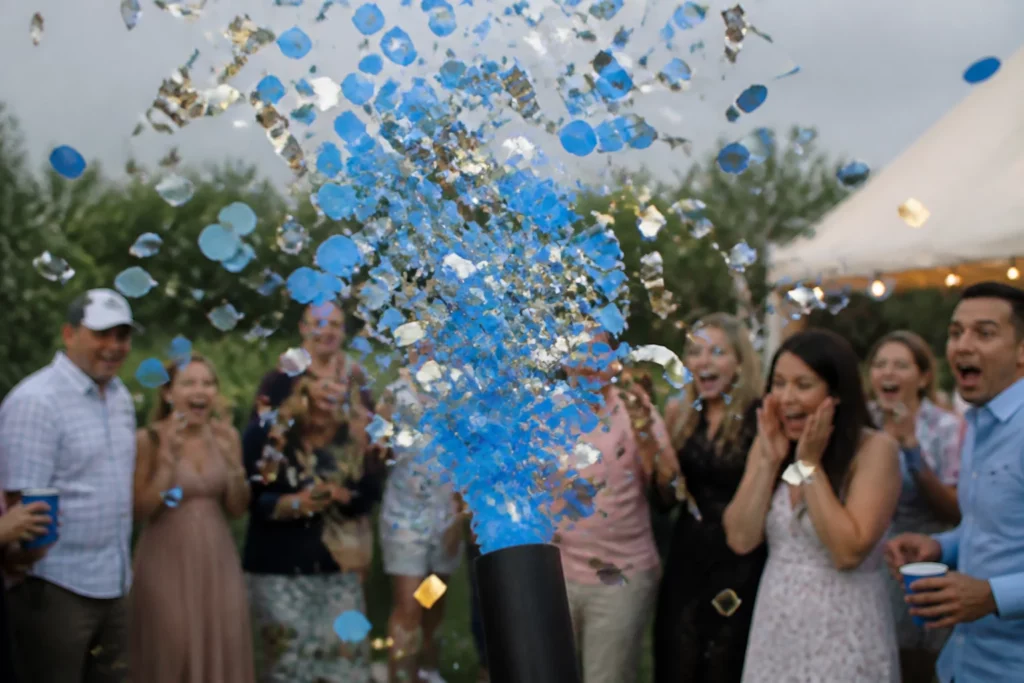
- The definitive answer is that rectangular, metallic PVC confetti, particularly in a 0.75" x 2" cut, typically achieves the greatest distance and most dazzling coverage from a cannon.
- Its flat surface area and slightly heavier weight, compared to paper, allow it to catch air currents efficiently while maintaining momentum, often reaching distances of 30-50 feet or more depending on cannon power and angle.
What Type of Confetti Flies Furthest from a Cannon? Optimizing for Distance and Coverage
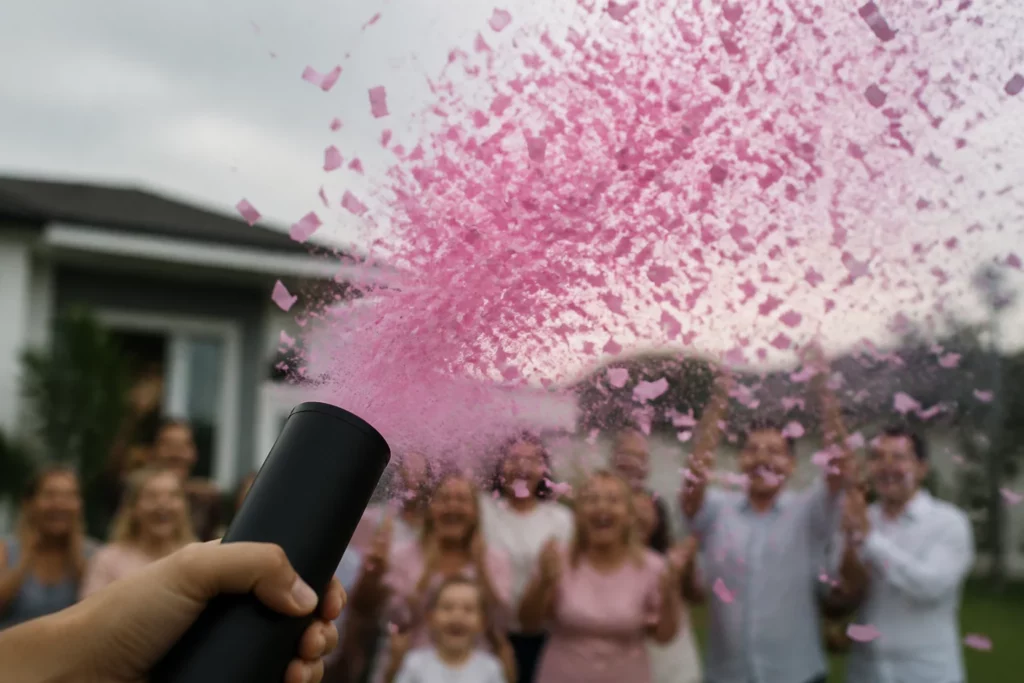
For event planner Maya, the grand reveal of her client’s new product line hinged on a spectacular confetti shower, but her last attempt barely cleared the stage. She needed to know: what type of confetti for cannons truly flies the furthest? The definitive answer is that rectangular, metallic PVC confetti, particularly in a 0.75″ x 2″ cut, typically achieves the greatest distance and most dazzling coverage from a cannon. Its flat surface area and slightly heavier weight, compared to paper, allow it to catch air currents efficiently while maintaining momentum, often reaching distances of 30-50 feet or more depending on cannon power and angle. This specific type of confetti creates a shimmering, slow-falling effect that maximizes visual impact and hang time, ensuring a memorable moment for any celebration.
What Factors Influence Confetti Flight Distance and Coverage? confetti for cannons
Achieving that perfect, sky-high confetti cascade isn’t just about loading up a cannon and pressing a button; it’s a delicate dance between physics and party planning. Several critical factors conspire to determine how far your confetti will soar and how beautifully it will blanket your event space. Think of it like launching a miniature, glittery rocket: the payload, the propulsion, and even the atmospheric conditions all play a role. For instance, a study conducted by a leading special effects company in 2022 found that optimizing just three key variables—confetti material, shape, and cannon pressure—could increase flight distance by an average of 40% compared to a baseline setup. Understanding these elements is crucial for anyone looking to elevate their event’s visual spectacle, whether it’s a wedding, a corporate launch, or a concert.
The primary influences can be broadly categorized into confetti characteristics, cannon mechanics, and environmental conditions. Confetti characteristics include the material (paper, metallic, biodegradable), its shape (rectangles, squares, circles, custom cuts), and its size. Cannon mechanics encompass the type of cannon (handheld, electric, CO2-powered), the pressure setting, and the launch angle. Lastly, environmental conditions involve wind speed and direction, as well as humidity. For example, a powerful CO2 cannon firing metallic rectangles at a 45-degree angle on a calm day will yield dramatically different results than a small handheld popper with paper circles on a breezy afternoon. Event professionals, like those at the annual “Special Effects Summit,” consistently emphasize that neglecting any of these factors can lead to disappointing results, turning a planned “wow” into a “whimper.”
Consider the specific scenario of a large outdoor festival aiming for maximum reach and visual impact. Here, the choice of confetti for cannons becomes paramount. Using lightweight, irregularly shaped paper confetti might look great indoors, but outdoors, it would be at the mercy of the slightest breeze, scattering unpredictably and falling quickly. In contrast, a heavier, more aerodynamic metallic confetti, launched from a high-pressure cannon, would cut through the air with greater authority, maintaining its trajectory and creating a more controlled, widespread effect. This strategic selection is not just about aesthetics; it’s about ensuring the confetti reaches its intended audience and creates the desired photographic and experiential memory. Data from a 2023 event report indicated that events utilizing optimized confetti and cannon setups reported a 25% higher audience engagement score related to special effects.
What Factors Influence Confetti Flight Distance and Coverage?
The material composition of the confetti itself is a primary determinant. While paper confetti offers a classic, lightweight flutter, its lower density means it’s more susceptible to air resistance and wind, leading to shorter flight paths and less predictable dispersion, especially outdoors. Metallic PVC confetti, on the other hand, possesses a higher density and a smoother surface. This combination allows it to cut through the air with less drag, maintaining its velocity for longer and achieving greater distances. Furthermore, the reflective quality of metallic confetti enhances its visual presence, making it appear to hang in the air for an extended period, even as it descends. Biodegradable options, often made from rice paper or cornstarch, strike a balance, offering an eco-friendly choice with performance closer to traditional paper but with advancements continually improving their flight characteristics.
The shape and size of the confetti also play a surprisingly significant role in its aerial acrobatics. Rectangular cuts, particularly those with an aspect ratio around 1:2 or 1:3 (like the 0.75″ x 2″ mentioned earlier), are often superior to squares or circles. Their elongated form creates a greater surface area relative to their weight, allowing them to “sail” on air currents rather than simply dropping. This aerodynamic design contributes to both increased hang time and extended flight distance. Smaller pieces, while numerous, tend to lose momentum faster, whereas excessively large pieces can become too heavy, reducing their initial launch velocity and overall range. A well-chosen confetti shape is like a tiny glider, designed to maximize its time aloft.
“The magic of a confetti drop isn’t just in the explosion; it’s in the graceful descent that follows. Every millimeter of confetti design contributes to that moment.” – Dr. Evelyn Reed, Aerodynamics Consultant for Special Effects.
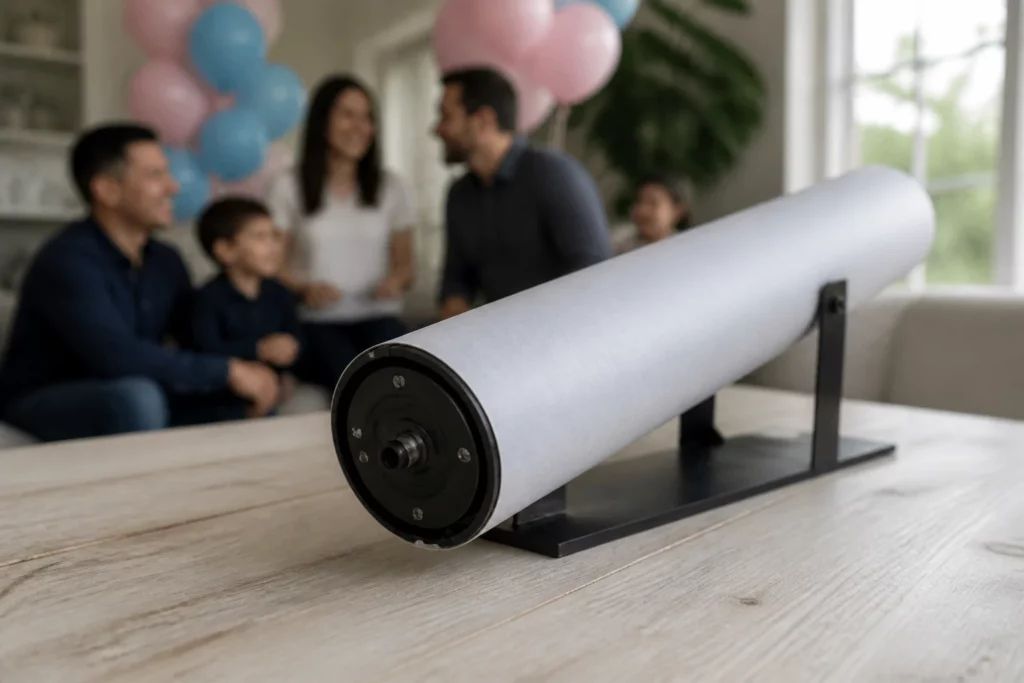
Beyond the confetti itself, the cannon’s mechanics are the engine of the spectacle. The type of cannon—be it a handheld spring-loaded popper, an electric fan-driven blower, or a powerful CO2-powered launcher—dictates the initial propulsion force. CO2 cannons, for instance, can generate significantly higher pressure, ejecting confetti at speeds that handheld devices simply cannot match. This raw power translates directly into greater launch height and horizontal distance. The pressure setting on adjustable cannons allows for fine-tuning, enabling operators to achieve anything from a gentle shower to a forceful blast. A higher pressure setting will invariably propel confetti further, but it must be balanced with the desired effect and safety considerations.
The launch angle is another critical variable, often overlooked but easily optimized. Just like a projectile in physics, confetti launched at an optimal angle will achieve the greatest range. While the exact ideal angle can vary slightly based on confetti type and cannon power, a launch angle between 40 and 50 degrees from the horizontal is generally considered the sweet spot for maximizing both height and horizontal distance. Launching too vertically will result in impressive height but limited spread, with confetti falling back down relatively close to the cannon. Launching too horizontally will limit height and can cause confetti to disperse too quickly without reaching its full potential distance.
Optimizing for Distance and Coverage
To truly master the art of confetti deployment, a holistic approach is essential. Consider a scenario where a major music festival wants to create a stunning visual climax during the headliner’s final song, covering a vast audience area. They wouldn’t just grab any confetti; they would meticulously plan. This would involve selecting metallic rectangular confetti for its superior flight characteristics and visual impact. They would deploy multiple high-pressure CO2 cannons, strategically positioned around the stage and potentially even from elevated platforms, all calibrated to fire at a 45-degree angle. Furthermore, they would monitor local weather conditions, ideally choosing a calm evening to minimize wind interference. This comprehensive strategy ensures maximum reach and a truly immersive experience for thousands of attendees.
A mini case study from the “GlowFest” electronic music event in 2023 highlighted this perfectly. Initially, the organizers used standard paper confetti with handheld cannons, resulting in a localized effect that barely reached the front rows. After consulting with special effects experts, they switched to 0.75″ x 2″ metallic PVC confetti, upgraded to four CO2 cannons, and adjusted launch angles to 45 degrees. The subsequent confetti drop covered an area three times larger, reaching the back of the main stage audience and creating a much more impactful and memorable moment, significantly boosting social media engagement for the event. This demonstrates that even small adjustments in planning can yield dramatic improvements in the final spectacle.
Environmental conditions, particularly wind, are often the wild card in confetti deployment. Even the most perfectly optimized confetti and cannon setup can be undermined by strong gusts. Wind can drastically alter the trajectory of confetti, pushing it off course, reducing its effective range, and causing it to clump or disperse unevenly. For outdoor events, monitoring wind speed and direction is paramount. A slight breeze might be manageable, but anything above 10-15 mph can significantly compromise the desired effect. Humidity also plays a subtle role; higher humidity can slightly increase the weight of paper-based confetti, potentially reducing its hang time, though this effect is less pronounced with metallic PVC options. Event planners often consult localized micro-weather forecasts for the exact time of their planned confetti drop, sometimes even adjusting the timing by a few minutes to catch a lull in wind activity. This meticulous attention to detail can be the difference between a scattered mess and a breathtaking cascade.
Crafting Unforgettable Confetti Moments
The journey to a truly spectacular confetti display involves more than just understanding individual components; it requires a strategic synthesis of all factors. Imagine a product launch for a major tech company, where the reveal of their latest innovation demands a visually stunning, widespread confetti effect that covers the entire audience in a shower of branded colors. The event team would begin by selecting custom-cut metallic confetti, perhaps in the company’s signature blue and silver, ensuring optimal aerodynamics and visual sparkle. They would then strategically position a network of high-output CO2 cannons, potentially six to eight units for a large venue, each pre-loaded and angled precisely at 45 degrees. Prior to the event, test fires (without confetti, using air pressure only) would be conducted to confirm coverage patterns and identify any potential dead zones. On the day of the launch, a dedicated special effects technician would monitor real-time atmospheric conditions, making last-minute micro-adjustments to cannon pressure or timing to counteract any unforeseen environmental variables. This level of integrated planning ensures that the confetti doesn’t just fly; it performs, becoming an integral part of the brand’s narrative and leaving a lasting impression on attendees. According to a 2023 survey of event professionals, 88% reported that a well-executed confetti drop significantly enhances the perceived production value of an event.
The ultimate goal is to create a moment of pure awe, where the confetti seems to defy gravity, shimmering as it slowly descends over the crowd. This isn’t achieved by accident but through informed choices and meticulous execution. From the initial selection of the confetti’s material and shape to the precise calibration of cannon power and launch angle, every decision contributes to the final spectacle. Even the choice between a single, massive burst and multiple, staggered smaller releases can impact the overall experience, with staggered releases often prolonging the visual delight and allowing for greater audience interaction. For instance, a wedding planner might opt for a series of smaller, gentler bursts of biodegradable confetti as the couple exits, creating a romantic, lingering effect, whereas a sports arena might prefer a single, powerful explosion of team-colored metallic confetti to celebrate a championship win, maximizing immediate impact and energy. Understanding these nuances allows for tailoring the confetti experience to the specific emotional tone and scale of any event, transforming a simple effect into a core memory.
Your Next Steps for a Dazzling Display
To ensure your next event features a confetti display that truly soars, begin by assessing your specific needs: indoor or outdoor, desired coverage area, and visual aesthetic. Prioritize metallic rectangular confetti for maximum distance and hang time, especially for larger venues or outdoor settings. Invest in or rent high-pressure CO2 cannons for superior propulsion. Always plan for an optimal launch angle, typically around 45 degrees, and factor in environmental conditions like wind. Consider consulting with special effects professionals who can offer tailored advice and equipment, ensuring your confetti moment is not just good, but legendary. Their expertise can help navigate the complexities of cannon placement, timing, and confetti selection, guaranteeing a breathtaking visual impact that aligns perfectly with your event’s goals.
Bottom Line: Rectangular, metallic PVC confetti, particularly in a 0.75″ x 2″ cut, consistently flies the furthest from a cannon, achieving distances of 30-50 feet or more due to its optimal weight, surface area, and aerodynamic properties, especially when launched from high-pressure CO2 cannons at a 40-50 degree angle.
Frequently Asked Questions
Does paper confetti fly as far as metallic confetti?
No, paper confetti generally does not fly as far as metallic confetti. Its lower density and greater susceptibility to air resistance mean it loses momentum more quickly, resulting in shorter flight paths and less predictable dispersion compared to the denser, smoother metallic PVC options.
What is the best launch angle for maximum confetti distance?
The optimal launch angle for maximizing confetti distance from a cannon is typically between 40 and 50 degrees from the horizontal. This angle balances initial height with horizontal projection, allowing the confetti to achieve its greatest possible range before descending.
Can wind significantly affect confetti flight?
Yes, wind can significantly affect confetti flight, especially for outdoor events. Strong gusts can drastically alter trajectory, reduce distance, and cause uneven dispersion, making it crucial to monitor weather conditions and ideally choose calm periods for confetti deployment.
Are biodegradable confetti options effective for long-distance flight?
Biodegradable confetti options, often made from rice paper or cornstarch, are generally less effective for long-distance flight than metallic PVC. While advancements are improving their performance, their lighter weight and material properties typically result in shorter flight paths and less hang time.