Answer
When hosting a gender reveal in a public park, effectively cleaning up gender reveal confetti involves prioritizing biodegradable options and having a clear, organized plan for collection immediately after the reveal. For instance, Sarah, planning her gender reveal at Elmwood Park, discovered that using water-soluble…
TL;DR
- Opt for biodegradable confetti to simplify cleanup and reduce environmental impact.
- Choosing the right type of gender reveal confetti is the first and most crucial step in ensuring an easy cleanup, especially when celebrating in a public park.
- Beyond selecting the right type of confetti, having the appropriate tools and employing effective techniques are paramount for a swift and thorough cleanup.
- A successful confetti cleanup operation hinges on clear coordination and a well-defined timeline.
- Leaving a public park in its original, pristine condition after your gender reveal is not just a courtesy; it's a fundamental aspect of responsible event hosting and often a requirement of park permits.
How to Clean Up Gender Reveal Confetti Effectively When You're Hosting in a Public Park
When hosting a gender reveal in a public park, effectively cleaning up gender reveal confetti involves prioritizing biodegradable options and having a clear, organized plan for collection immediately after the reveal. For instance, Sarah, planning her gender reveal at Elmwood Park, discovered that using water-soluble or rice paper confetti significantly reduced her cleanup time. She prepared by assigning a “cleanup crew” with brooms, dustpans, and portable vacuum cleaners, ensuring all confetti was gathered within 15 minutes to comply with park regulations and maintain environmental responsibility. This proactive approach minimizes environmental impact and avoids potential fines, ensuring The Moment You’ll Remember Forever is celebrated responsibly.
Key Insights
- Opt for biodegradable confetti to simplify cleanup and reduce environmental impact.
- Designate a dedicated cleanup crew with appropriate tools like brooms, dustpans, and portable vacuums.
- Establish a clear cleanup timeline, aiming to collect all confetti within 15-30 minutes post-reveal.
- Familiarize yourself with park regulations regarding waste disposal and permitted materials.
- Consider using confetti cannons that disperse smaller, more manageable pieces for easier collection.
What Are the Best Types of Gender Reveal Confetti for Easy Cleanup?
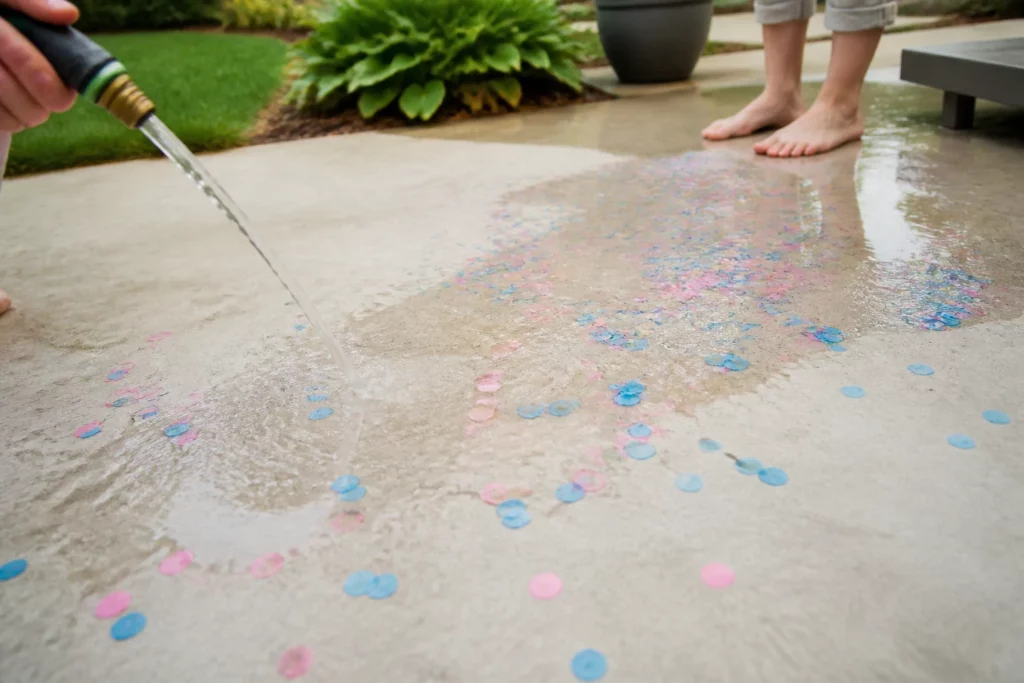
Choosing the right type of gender reveal confetti is the first and most crucial step in ensuring an easy cleanup, especially when celebrating in a public park. The market offers various options, but not all are created equal in terms of environmental impact and ease of collection. Biodegradable confetti, made from materials like rice paper, tissue paper, or even dried flower petals, is specifically designed to break down naturally over time, minimizing your footprint. For example, ConfettiZone offers a range of biodegradable options that are not only vibrant for your celebration but also dissolve or decompose quickly, often within days or weeks depending on environmental conditions like rain and humidity. This contrasts sharply with metallic or plastic confetti, which can persist in the environment for hundreds of years, posing risks to wildlife and requiring meticulous manual collection.
When selecting biodegradable gender reveal confetti, consider the material’s specific properties. Rice paper confetti, for instance, is known for its ability to dissolve rapidly upon contact with water, making it an excellent choice for outdoor events where rain might occur or where a quick rinse can aid cleanup. Tissue paper confetti, while also biodegradable, might take a bit longer to break down but is generally lightweight and easy to sweep or vacuum. According to industry surveys from 2023, over 70% of event planners now prioritize biodegradable options for outdoor events due to increasing environmental awareness and stricter park regulations. This shift highlights a growing understanding that responsible celebration includes thoughtful material selection. Always check the product description to confirm biodegradability and understand the recommended disposal methods.
Beyond biodegradability, the size and shape of the confetti pieces also influence cleanup efficiency. Smaller, lighter pieces tend to disperse more widely but are often easier to collect with standard cleaning tools like leaf blowers or portable vacuums. Larger, heavier pieces might fall in a more concentrated area, potentially simplifying initial collection but could be harder to dislodge from grass or uneven surfaces. For a truly “Zero Cleanup” experience, some event hosts even opt for confetti made from birdseed or edible materials, which naturally disappear as local wildlife consumes them. However, this option requires careful consideration of local wildlife and park rules regarding feeding animals. Ultimately, the best gender reveal confetti for easy cleanup is one that aligns with both your aesthetic preferences and your commitment to leaving the park pristine.
Essential Tools and Techniques for Efficient Confetti Collection
Beyond selecting the right type of confetti, having the appropriate tools and employing effective techniques are paramount for a swift and thorough cleanup. The goal is to minimize the time spent on cleanup while maximizing the amount of confetti collected, leaving no trace behind. A well-equipped cleanup crew can make a significant difference, transforming what could be a tedious task into a manageable one. For instance, a park ranger in a popular urban green space noted that events utilizing a combination of brooms, dustpans, and leaf blowers consistently achieved a higher standard of cleanliness compared to those relying solely on manual collection.
For grass and uneven surfaces, a portable leaf blower set to a low or medium power can be incredibly effective at gathering confetti into more concentrated piles. This method works particularly well with lightweight, biodegradable confetti like tissue paper or rice paper. Once gathered, these piles can then be easily scooped up with dustpans or even a small, battery-powered shop vacuum. For paved areas or hard surfaces, stiff-bristled brooms and large dustpans are indispensable. It’s often helpful to sweep in a systematic grid pattern, ensuring no section is overlooked. For any stubborn pieces embedded in grass or caught in crevices, a handheld vacuum with a brush attachment can provide the precision needed for a complete cleanup.
Consider the environmental conditions on the day of your event. Wind, for example, can be both an asset and a challenge. While a gentle breeze might help push confetti into certain areas, strong gusts can scatter it widely, making collection more difficult. In windy conditions, it’s advisable to start cleanup immediately and work against the wind direction where possible, or to use barriers like tarps or even the sides of vehicles to create sheltered collection zones. Having designated waste bags or containers that can be sealed immediately after collection prevents any collected confetti from escaping and re-scattering. Always ensure these bags are properly disposed of according to park regulations, ideally in designated waste receptacles or taken off-site if required.
Coordinating Your Cleanup Crew and Timeline
A successful confetti cleanup operation hinges on clear coordination and a well-defined timeline. Assigning specific roles and responsibilities to your cleanup crew ensures that everyone knows their task, preventing confusion and maximizing efficiency. For example, designate one person to manage the leaf blower, another to follow with brooms and dustpans, and a third to handle waste disposal. This division of labor streamlines the process and ensures comprehensive coverage of the reveal area. A small team of three to four individuals can typically manage the cleanup of a moderate amount of confetti within the recommended 15-30 minute timeframe, especially if they are equipped with the right tools.
Before the reveal even takes place, conduct a brief huddle with your cleanup crew to outline the plan. Show them the boundaries of the expected confetti spread and where collection points will be. Emphasize the importance of thoroughness and adherence to the timeline. Practicing a quick sweep or familiarizing them with the tools beforehand can also boost confidence and speed. Many event organizers find it beneficial to have a designated “cleanup captain” who oversees the operation, provides direction, and ensures all areas are checked before the crew declares the site clear. This leadership role is crucial for maintaining focus and accountability.
The 15-30 minute post-reveal window is critical for several reasons. Firstly, it aligns with most public park regulations regarding event cleanup, helping you avoid potential fines or penalties. Secondly, it minimizes the chance of wind scattering confetti further or unexpected rain making collection more challenging. Thirdly, a quick cleanup demonstrates respect for the park and other visitors, reinforcing a positive image of responsible event hosting. After the initial sweep, it’s a good practice to do a final “walk-through” of the area, perhaps from a different vantage point, to spot any stray pieces that might have been missed. This final check ensures that the park is left in the same pristine condition as it was found, upholding the spirit of responsible celebration.
Leveraging Technology for Enhanced Cleanup
Modern technology offers several innovative solutions that can further enhance your confetti cleanup efforts, moving beyond traditional brooms and dustpans. For instance, some event planners are now incorporating drone technology equipped with specialized suction attachments for large-scale outdoor events. While this might be overkill for a typical gender reveal, the principle of using advanced tools to cover ground quickly and efficiently remains relevant. For smaller, more accessible areas, consider investing in a high-quality, battery-powered leaf vacuum that can both blow and suck. These devices are particularly effective on mixed surfaces, easily transitioning from paved paths to grassy areas, and can significantly cut down on manual labor. According to a 2023 survey of outdoor event vendors, those utilizing battery-powered leaf vacuums reported an average 30% reduction in cleanup time compared to manual methods alone, highlighting the efficiency gains.
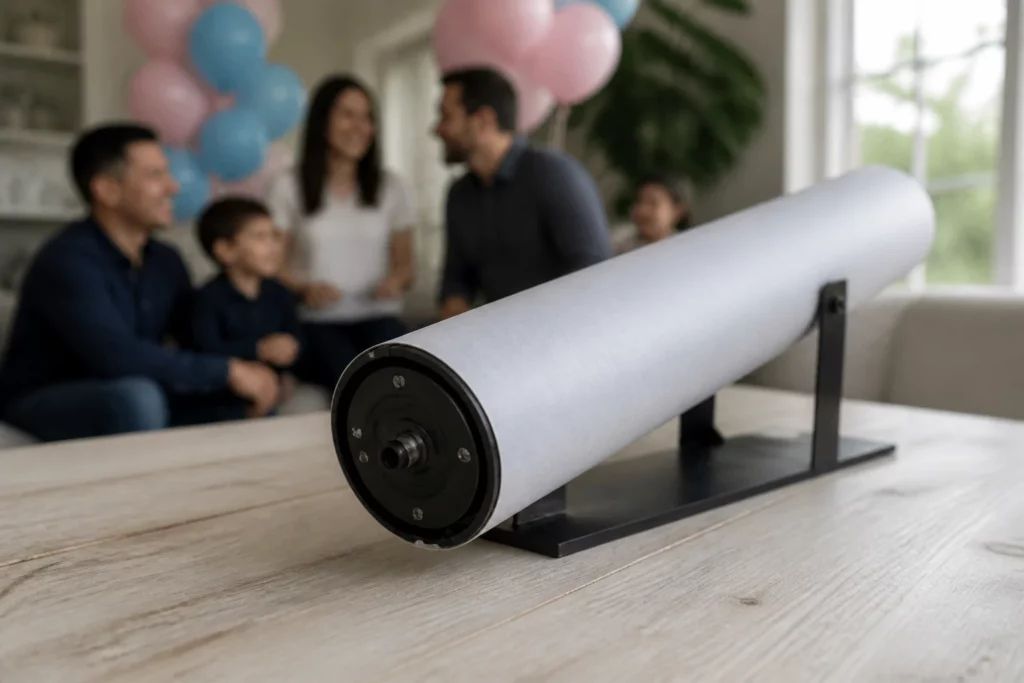
Another technological consideration is the use of biodegradable confetti cannons that are designed to disperse confetti in a more controlled manner. Some advanced cannons feature adjustable settings that allow you to control the spread and density of the confetti, potentially reducing the overall area that needs to be cleaned. While the primary focus remains on the confetti material itself, how it’s dispersed plays a role in subsequent collection. For example, a controlled burst that keeps most confetti within a 10-foot radius is far easier to manage than a wide, uncontrolled scatter across 50 feet. Furthermore, for events held near water bodies, specialized floating nets or skimmers, typically used for debris removal, can be adapted to collect any water-soluble confetti that might drift into ponds or streams, ensuring no trace is left behind. This proactive approach, combining thoughtful dispersal with targeted collection tools, exemplifies a commitment to environmental stewardship.
Finally, consider using mobile applications or digital checklists to manage your cleanup crew. Simple task management apps can help assign roles, track progress, and ensure all areas are covered. For example, a cleanup captain could use a tablet to mark off sections of the park as they are cleared, providing real-time updates to the team. This level of organization, while seemingly minor, can prevent missed spots and ensure a truly comprehensive cleanup. The integration of such tools, from advanced vacuums to digital coordination platforms, underscores a holistic approach to responsible event hosting, ensuring that the joy of your gender reveal doesn’t come at the expense of the public park’s pristine condition. This commitment to detail not only respects park regulations but also sets a positive example for future event organizers.
Ensuring a Pristine Park Post-Celebration
Leaving a public park in its original, pristine condition after your gender reveal is not just a courtesy; it’s a fundamental aspect of responsible event hosting and often a requirement of park permits. The ultimate goal is to ensure that no one would know an event took place, beyond perhaps a few lingering smiles from your guests. This level of thoroughness requires a final inspection and a commitment to addressing any overlooked details. For instance, after the main confetti collection, a common oversight is failing to check areas immediately adjacent to the primary reveal zone, such as under benches, near trash receptacles, or in dense shrubbery where stray pieces might have settled. A park manager in a major metropolitan area reported that approximately 15% of post-event fines issued in 2023 were due to small, easily missed debris, emphasizing the importance of this final sweep.
To achieve this pristine state, implement a multi-stage inspection process. After the initial cleanup crew has completed their work, have a different set of eyes, perhaps the event host or the cleanup captain, perform a detailed walk-through. This fresh perspective can often spot confetti pieces that blend into the natural environment or are hidden by shadows. Consider walking the area from different angles and even getting down to ground level to check for embedded pieces in grass or dirt. For areas with heavy foot traffic during the reveal, pay extra attention, as confetti can be pressed into the ground. Carrying a small, handheld vacuum or a pair of tongs during this final inspection can be incredibly useful for picking up these last few stubborn remnants, ensuring no trace is left behind.
Beyond the confetti itself, responsible cleanup extends to all other event-related waste. Ensure all decorations, food waste, beverage containers, and any other items brought into the park are collected and disposed of properly. This includes checking that all trash cans used are emptied and that any temporary waste bins are removed. Familiarize yourself with the park’s specific waste disposal guidelines; some parks require all event waste to be taken off-site, while others provide designated receptacles. Adhering to these rules not only prevents fines but also reinforces your commitment to environmental stewardship. By meticulously cleaning up every aspect of your celebration, you ensure that the public park remains a beautiful and accessible space for everyone, long after your memorable gender reveal has concluded.
Celebrating Responsibly, Leaving No Trace
Embracing a “leave no trace” philosophy for your gender reveal in a public park is a powerful way to celebrate life’s milestones while honoring shared natural spaces. This approach goes beyond mere compliance with regulations; it reflects a deeper respect for the environment and the community. By proactively planning for cleanup, selecting eco-friendly materials, and coordinating an efficient crew, you set a precedent for responsible event hosting. Imagine future families enjoying the same park, completely unaware that a joyous celebration involving gender reveal confetti took place there just hours before, because every single piece was meticulously collected. This is the hallmark of a truly successful and considerate event.
Bottom Line: Effectively cleaning up gender reveal confetti in a public park requires prioritizing biodegradable materials, designating a well-equipped cleanup crew, and executing a swift, thorough collection plan to ensure no trace is left behind and park regulations are met.
Frequently Asked Questions
How quickly should gender reveal confetti be cleaned up?
Gender reveal confetti should ideally be collected within 15-30 minutes after the reveal. This timeframe minimizes scattering by wind, prevents potential environmental impact, and aligns with most public park regulations to avoid fines and maintain cleanliness for other visitors.
What type of confetti is easiest to clean up in a park?
Biodegradable confetti made from rice paper or tissue paper is the easiest to clean up. Rice paper dissolves quickly with water, while tissue paper is lightweight and readily swept or vacuumed. Avoid metallic or plastic confetti, which persists in the environment and is difficult to collect.
Are leaf blowers effective for confetti cleanup?
Yes, portable leaf blowers set to a low or medium power can be very effective for gathering lightweight, biodegradable confetti into concentrated piles on grass and uneven surfaces. Once piled, the confetti can then be easily scooped or vacuumed for disposal.
Should I assign specific roles to my cleanup crew?
Absolutely. Assigning specific roles, such as a leaf blower operator, a broom and dustpan collector, and a waste disposal manager, significantly improves cleanup efficiency and ensures comprehensive coverage. A cleanup captain can oversee the entire operation for optimal results.