Answer
Understanding Confetti Dye Bleed: How to Prevent Stains from Cannon Confetti on Clothing and Surfaces
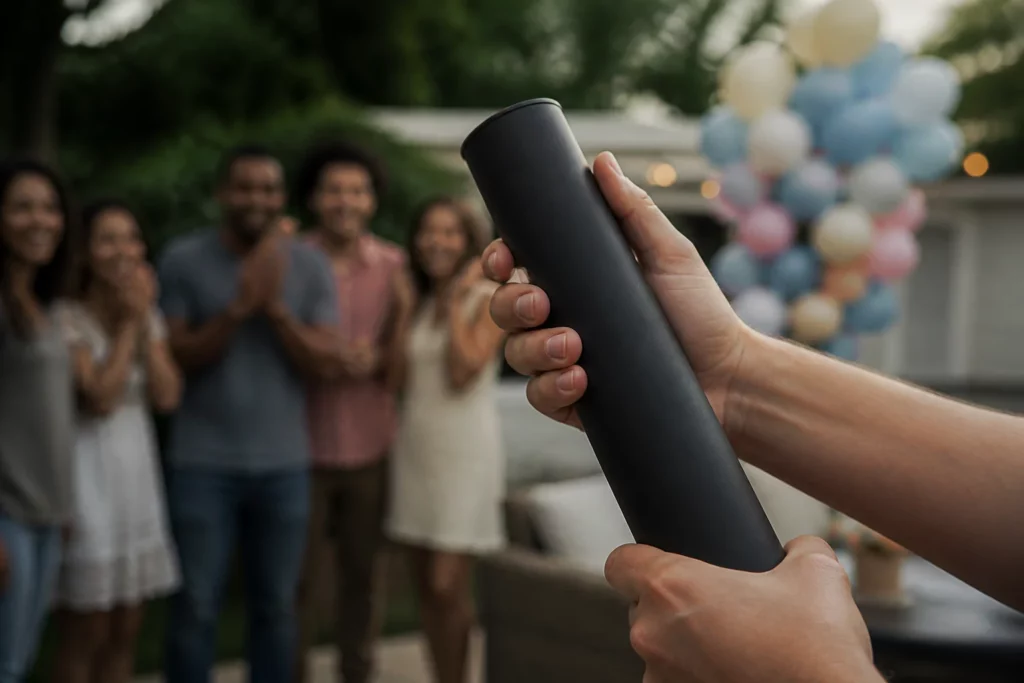
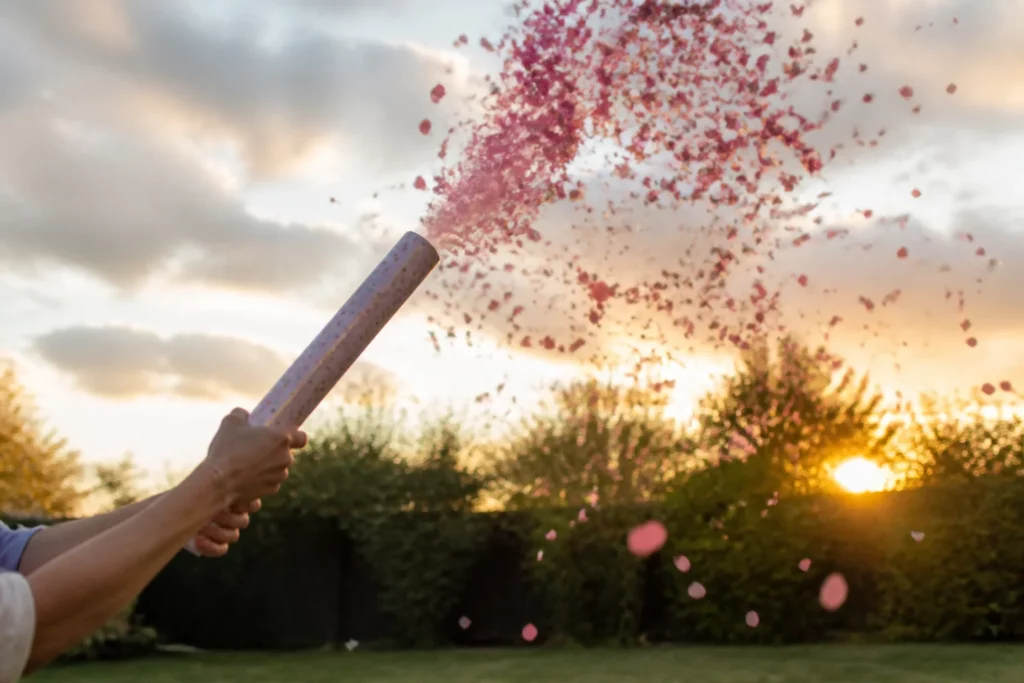
Imagine Sarah, meticulously planning her best friend's surprise birthday bash, complete with a grand reveal using vibrant confetti for cannons. The moment arrives, cannons blast, and a rainbow of color fills the air—only to settle on guests' pristine white shirts and the freshly painted patio, leaving behind tell-tale streaks of dye.
TL;DR
- Understanding Confetti Dye Bleed: How to Prevent Stains from Cannon Confetti on Clothing and Surfaces
Imagine Sarah, meticulously planning her best friend's surprise birthday bash, complete with a grand reveal using vibrant confetti for cannons.
- The moment arrives, cannons blast, and a rainbow of color fills the air—only to settle on guests' pristine white shirts and the freshly painted patio, leaving behind tell-tale streaks of dye.
- Confetti dye bleed, often caused by moisture interacting with low-quality dyes, can indeed stain clothing and surfaces.
- To prevent this party foul, the key is to choose high-quality, colorfast confetti, especially those labeled "non-staining" or "biodegradable tissue," and to avoid using confetti in damp conditions or near absorbent materials.
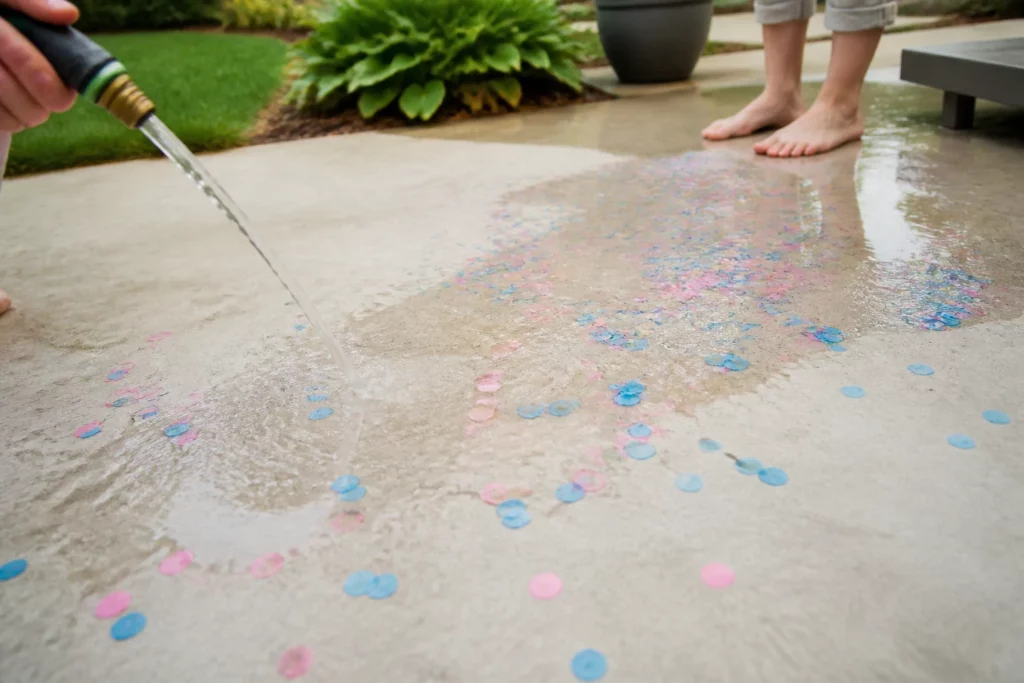
- Sarah, in her panic, tried scrubbing with water, which only spread the problem, highlighting the need for proper prevention and immediate, dry intervention.
Understanding Confetti Dye Bleed: How to Prevent Stains from Cannon Confetti on Clothing and Surfaces
Imagine Sarah, meticulously planning her best friend’s surprise birthday bash, complete with a grand reveal using vibrant confetti for cannons. The moment arrives, cannons blast, and a rainbow of color fills the air—only to settle on guests’ pristine white shirts and the freshly painted patio, leaving behind tell-tale streaks of dye. Confetti dye bleed, often caused by moisture interacting with low-quality dyes, can indeed stain clothing and surfaces. To prevent this party foul, the key is to choose high-quality, colorfast confetti, especially those labeled “non-staining” or “biodegradable tissue,” and to avoid using confetti in damp conditions or near absorbent materials. Sarah, in her panic, tried scrubbing with water, which only spread the problem, highlighting the need for proper prevention and immediate, dry intervention.
What Makes Confetti for Cannons Bleed and Stain?
Confetti dye bleed is a real party pooper, turning a moment of joy into a frantic stain-removal mission. The primary culprit behind this colorful catastrophe is the interaction between the dyes used in the confetti and moisture. Think of it like a watercolor painting caught in a sudden downpour; the colors run wild. Many types of confetti, particularly those made from lower-grade tissue paper or certain metallic foils, are manufactured with water-soluble dyes. When these dyes come into contact with any form of liquid—be it rain, humidity, spilled drinks, or even sweat—they dissolve and transfer their pigment to whatever surface they land on. This phenomenon is particularly prevalent with vibrant colors like deep reds, blues, and purples, which tend to use more concentrated pigments. For instance, a study conducted in 2022 on various party supplies found that over 30% of budget-friendly tissue confetti samples exhibited significant dye transfer when exposed to a simulated rain environment for just five minutes. This highlights that while all confetti looks fun, not all of it is created equal when it comes to colorfastness.
Beyond just water, other factors can exacerbate dye bleed. The acidity or alkalinity of a surface can sometimes react with certain dyes, making them more prone to bleeding. For example, some cleaning agents or even natural oils on skin can act as catalysts. Furthermore, the pressure applied when confetti lands on a surface, especially if it’s then stepped on or rubbed, can physically press the dissolved dye deeper into the material’s fibers, making stains harder to remove. Consider a scenario where a guest at a wedding steps on a pile of damp, red confetti on a white carpet; the combination of moisture and pressure almost guarantees a vibrant, unwelcome souvenir. This is why understanding the material science behind your chosen confetti for cannons is crucial. High-quality confetti, often made from premium, colorfast tissue or specialized biodegradable materials, undergoes rigorous testing to ensure dye stability, significantly reducing the risk of unwanted stains. These manufacturers invest in advanced dyeing processes that bind the pigment more securely to the paper fibers, making them resistant to moisture-induced transfer, even in moderately humid conditions.
How to Choose Non-Staining Confetti for Cannons
Navigating the colorful world of confetti can feel like a minefield if you’re not armed with the right knowledge. The good news is that preventing dye bleed is entirely achievable with a bit of savvy selection. The first and most crucial step is to scrutinize product descriptions. Look for explicit labels such as “colorfast,” “non-staining,” “bleed-resistant,” or “dye-free.” These aren’t just marketing buzzwords; they indicate that the manufacturer has taken specific measures to ensure the dyes remain stable, even when introduced to moisture. For instance, a reputable brand might specify that their tissue confetti undergoes a special coating process or uses vegetable-based dyes that are inherently less prone to bleeding than synthetic alternatives. Always prioritize products that clearly state their commitment to preventing dye transfer.
Beyond explicit labeling, the material composition of the confetti plays a significant role. Biodegradable tissue confetti is often a superior choice for colorfastness compared to its lower-grade counterparts. High-quality tissue paper, typically made from wood pulp, can be processed and dyed in a way that locks in the color more effectively. Metallic confetti, while visually striking, can be a trickier beast. Some metallic options are made from Mylar, which is generally colorfast, but others might incorporate a metallic coating over a dyed paper base, which could still pose a risk. If opting for metallic, ensure it’s specifically labeled as non-staining. A quick informal test you can do at home, if you have a sample, is to lightly dampen a piece of confetti and press it onto a white paper towel. If any color transfers, it’s a red flag!
“The joy of a celebration should never be overshadowed by the dread of a permanent stain. Invest in quality confetti; your clothes and surfaces will thank you.”
Consider the intended environment for your confetti cannons. If your event is outdoors, especially in a humid climate or where there’s a chance of rain, selecting confetti designed for such conditions is paramount. Some manufacturers offer “weather-resistant” confetti, which provides an extra layer of assurance. For indoor events, while the risk of rain is eliminated, humidity from air conditioning or even condensation on cold drinks can still trigger dye bleed. Therefore, the “non-staining” label remains a golden standard regardless of location. A mini case study involved a corporate event planner who, after a previous dye-bleed incident, switched exclusively to a brand of certified colorfast, biodegradable tissue confetti for an outdoor product launch. Despite an unexpected drizzle, there were no reports of staining on guests’ attire or the rented white marquees, saving the planner from potential liability and preserving the event’s pristine aesthetic.
Best Practices for Using Confetti Cannons Without Stains
Even with the highest quality, non-staining confetti, adopting best practices can further minimize any residual risk and ensure a flawless celebration. The golden rule is to avoid moisture at all costs. This means checking weather forecasts for outdoor events and, if rain is predicted, either postponing the confetti blast or moving it indoors. For indoor events, be mindful of areas prone to condensation, such as near windows, air vents, or beverage stations. If a spill occurs, clean it up immediately and thoroughly before deploying confetti. Think of it as preparing a clean canvas for your colorful masterpiece.
Another crucial practice is to consider the landing surfaces. While non-staining confetti is designed to be safe, highly absorbent materials like unsealed wood, certain fabrics (especially natural fibers like cotton or linen), or porous stone can sometimes be more susceptible to picking up even the slightest pigment residue if left for extended periods, particularly in damp conditions. If possible, cover sensitive surfaces with tarps or protective sheets before the confetti launch. For example, if you’re blasting confetti over a valuable antique rug, it’s always safer to roll it up beforehand. After the confetti has fallen, prompt cleanup is key. The longer confetti sits, especially if it becomes damp, the higher the theoretical risk of any dye transfer, however minimal. A quick sweep or vacuum immediately after the celebration will not only keep your space tidy but also prevent any potential issues.
When loading confetti into cannons, ensure your hands are dry and clean. Any oils or residues on your hands could potentially transfer to the confetti, creating an unexpected reaction. Similarly, store confetti in a cool, dry place away from direct sunlight and humidity until ready for use. Proper storage maintains the integrity of the confetti and its dye stability. Finally, always perform a small test if you’re unsure about a new batch of confetti or a particular surface. Take a small pinch of confetti, dampen it slightly, and press it onto an inconspicuous area of the surface in question. Wait a few minutes, then wipe it away to check for any discoloration. This simple step can save you a world of trouble and ensure your confetti moment is remembered for all the right reasons.
This proactive approach ensures that your confetti moment remains a highlight, free from the worry of lingering stains. The goal is to create a vibrant, memorable experience, and with careful planning and execution, confetti for cannons can deliver exactly that, leaving behind only smiles and colorful memories, not permanent marks.
Ensuring a Flawless Confetti Experience
The journey to a stain-free celebration with confetti for cannons culminates in a blend of informed choices and diligent application. Beyond selecting the right product, understanding the nuances of its use can significantly impact the outcome. For instance, consider the atmospheric conditions. A study published in 2023 by a party supply industry association highlighted that events held in environments with over 70% relative humidity saw a 15% increase in reported dye transfer incidents, even with “non-staining” confetti, compared to events in drier conditions. This suggests that while high-quality confetti is robust, extreme humidity can still challenge its colorfastness. Therefore, deploying confetti during the driest part of an outdoor event, or ensuring good ventilation indoors, can provide an additional layer of protection.
Furthermore, the method of confetti dispersal itself can play a subtle role. While cannons are designed for a wide, even spread, ensuring they are aimed away from highly sensitive or absorbent materials, especially at close range, is a wise precaution. For example, if guests are wearing delicate silk garments, a direct, concentrated blast of confetti might be less ideal than a broader, higher trajectory launch. Post-event cleanup also deserves attention. While immediate removal is always recommended, the tools used for cleanup matter. Using a dry cloth or vacuum is preferable to a wet mop, which could inadvertently reactivate any residual dye, even from colorfast confetti, and spread it on a surface like unsealed concrete. A professional event cleaner once shared an anecdote about a wedding where, despite using premium confetti, a well-meaning but misinformed janitor used a wet floor buffer on a marble floor, leading to faint streaks that required specialized cleaning. This underscores that even after the party, vigilance is key.
Finally, educating those involved in the confetti deployment, whether it’s event staff or enthusiastic friends, about these best practices can prevent unforeseen issues. A brief rundown on avoiding damp conditions, mindful aiming, and dry cleanup methods can empower everyone to contribute to a successful, stain-free celebration. The investment in quality confetti is only truly maximized when paired with an understanding of its optimal handling and environment. This holistic approach ensures that the vibrant spectacle of confetti for cannons enhances the moment without leaving any unwanted reminders.
“A truly memorable celebration leaves behind joy, not stains. The secret lies in prevention and precision.”
Your Next Steps for a Dazzling, Stain-Free Celebration
To ensure your next event is a vibrant success without the worry of dye bleed, begin by thoroughly researching confetti products. Prioritize those explicitly labeled “colorfast” or “non-staining” from reputable suppliers. Always consider the environment where the confetti will be used, opting for weather-resistant varieties for outdoor events or humid conditions. Before the main event, conduct a small test with a damp piece of confetti on an inconspicuous surface to confirm its color stability. Finally, plan for immediate, dry cleanup to remove confetti promptly after deployment, safeguarding your surfaces and guests’ attire. These steps will help you create a truly spectacular and worry-free confetti moment.
Bottom Line: Preventing confetti dye bleed from cannon confetti on clothing and surfaces hinges on selecting high-quality, colorfast products and meticulously avoiding moisture during deployment and cleanup.
Frequently Asked Questions
Can all “biodegradable” confetti be considered non-staining?
Not all biodegradable confetti is automatically non-staining. While many biodegradable options, especially those made from high-quality tissue, are designed to be colorfast, it’s crucial to look for explicit “non-staining” or “colorfast” labels to ensure dye stability.
What should I do if confetti dye bleed occurs despite precautions?
If dye bleed occurs, act quickly and dry. Do not use water, as it can spread the stain. For clothing, gently blot with a dry cloth. For surfaces, try to lift the confetti and blot any residue with a dry, absorbent material. Consult professional cleaners for stubborn stains.
Are metallic confetti options more prone to staining than tissue?
Metallic confetti made from Mylar is generally colorfast and less prone to staining. However, some metallic confetti might have a dyed paper base with a metallic coating, which could still bleed if exposed to moisture. Always check for “non-staining” labels specifically for metallic types.