AnswerHow to Dispose of Confetti Responsibly: A Guide for Event Planners When
environmental impact is Key, Featuring
confetti for cannons
When planning an unforgettable event, the dazzling burst of confetti for cannons often takes center stage, but what happens after the last shimmer falls? Responsible confetti disposal involves choosing
biodegradable materials like rice paper or water-soluble options, ensuring thorough cleanup immediately after the event, and adhering to local environmental regulations to prevent pollution.
TL;DR
- How to Dispose of Confetti Responsibly: A Guide for Event Planners When Environmental Impact is Key, Featuring Confetti for Cannons
When planning an unforgettable event, the dazzling burst of confetti for cannons often takes center stage, but what happens after the last shimmer falls?
- Responsible confetti disposal involves choosing biodegradable materials like rice paper or water-soluble options, ensuring thorough cleanup immediately after the event, and adhering to local environmental regulations to prevent pollution.
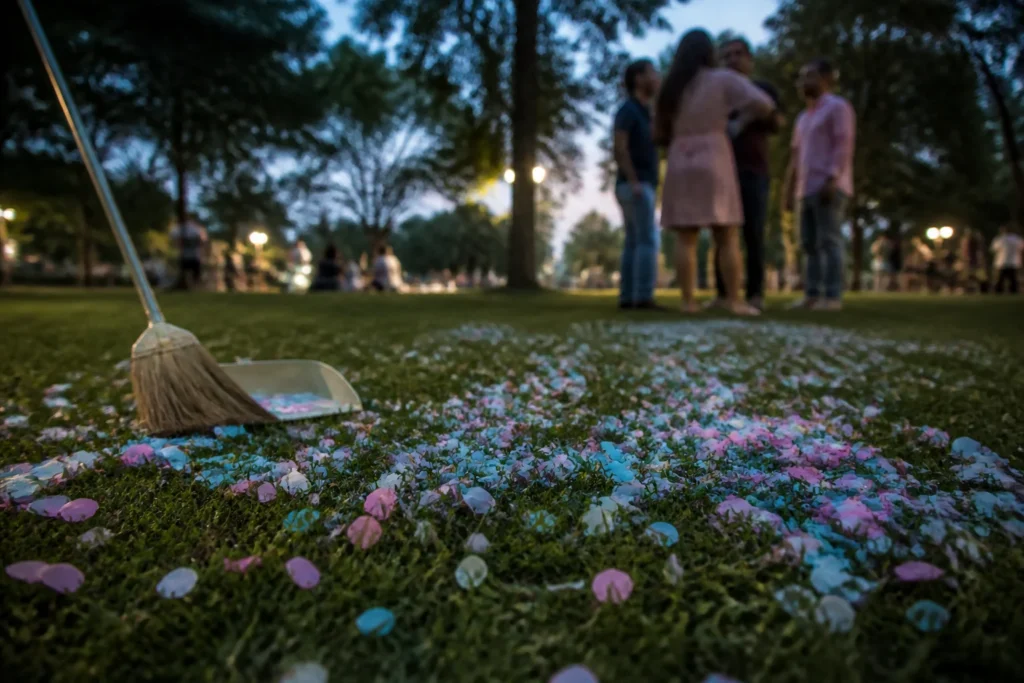
- Imagine Maya, a seasoned event planner, facing a post-festival cleanup where thousands of metallic confetti pieces glinted stubbornly on the grass, a stark contrast to her eco-conscious brand.
- She had tried sweeping, leaf blowers, and even a volunteer brigade, but the sheer volume and non-biodegradable nature of the confetti made it a nightmare.
- Her friction point was the lingering environmental footprint, a problem easily avoided by selecting the right materials from the start and implementing a robust cleanup strategy.
How to Dispose of Confetti Responsibly: A Guide for Event Planners When Environmental Impact is Key, Featuring Confetti for Cannons
When planning an unforgettable event, the dazzling burst of confetti for cannons often takes center stage, but what happens after the last shimmer falls? Responsible confetti disposal involves choosing biodegradable materials like rice paper or water-soluble options, ensuring thorough cleanup immediately after the event, and adhering to local environmental regulations to prevent pollution. Imagine Maya, a seasoned event planner, facing a post-festival cleanup where thousands of metallic confetti pieces glinted stubbornly on the grass, a stark contrast to her eco-conscious brand. She had tried sweeping, leaf blowers, and even a volunteer brigade, but the sheer volume and non-biodegradable nature of the confetti made it a nightmare. Her friction point was the lingering environmental footprint, a problem easily avoided by selecting the right materials from the start and implementing a robust cleanup strategy.
Key Insights
- Choose Wisely: Opt for 100% biodegradable confetti made from rice paper, tissue paper, or water-soluble materials to minimize environmental impact.
- Plan for Cleanup: Implement a detailed post-event cleanup strategy, including designated teams and appropriate tools, especially for outdoor venues.
- Know Your Local Rules: Research and comply with local ordinances regarding confetti use and disposal to avoid fines and environmental damage.
- Educate Participants: Inform guests and staff about the importance of responsible confetti use and disposal practices.
THE ENVIRONMENTAL IMPACT OF NON-BIODEGRADABLE CONFETTI
The allure of a confetti cannon is undeniable, but the environmental aftermath of non-biodegradable options can be quite sobering. Traditional metallic or plastic confetti, while visually stunning, persists in the environment for decades, if not centuries. When these tiny pieces land on soil, they can leach microplastics into the ground, affecting soil quality and potentially entering the food chain through plants and animals. Consider a scenario where a large outdoor concert uses thousands of pounds of conventional confetti. A significant portion will inevitably find its way into storm drains, rivers, and eventually, the ocean, contributing to the global microplastic crisis that harms marine life and ecosystems.
Beyond the immediate visual pollution, the long-term ecological damage is a critical concern for any event planner committed to sustainability. Birds and other wildlife can mistake colorful plastic confetti for food, leading to internal injuries or starvation. Furthermore, the cleanup effort for non-biodegradable confetti is often incomplete, leaving behind a persistent reminder of the event’s environmental footprint. This lingering presence can detract from the natural beauty of a venue and even incur significant cleanup costs or fines from local authorities, as Maya discovered during her post-festival ordeal.
“Choosing biodegradable confetti isn’t just a trend; it’s a fundamental shift towards responsible event planning that respects our planet.”
BIODEGRADABLE CONFETTI OPTIONS: A CLOSER LOOK
Fortunately, the market now offers a fantastic array of biodegradable confetti options that deliver the same celebratory punch without the environmental guilt. Rice paper confetti, for instance, is incredibly lightweight and dissolves quickly upon contact with water, leaving no trace. It’s perfect for outdoor events where rain is a possibility or where rapid degradation is paramount. Another excellent choice is tissue paper confetti, which, while taking a bit longer to break down than rice paper, is still fully compostable and made from sustainable wood pulp. These options come in a vibrant spectrum of colors, ensuring your visual spectacle remains uncompromised.
For those seeking an even more innovative solution, water-soluble confetti is a game-changer. Made from materials that completely dissolve when wet, it’s ideal for events near water bodies or in areas where a quick, complete disappearance is desired. Imagine a beach wedding where confetti rains down, only to vanish with the tide, leaving the pristine sands untouched. This type of confetti often uses food-grade dyes, making it even safer for the environment. The key is to verify the “100% biodegradable” claim and understand the specific breakdown properties of the material you choose, ensuring it aligns with your event’s location and environmental goals.
IMPLEMENTING AN EFFECTIVE CLEANUP STRATEGY
Even with biodegradable confetti, a proactive cleanup strategy is essential to ensure minimal environmental impact and maintain the pristine condition of your venue. The first step is to communicate clearly with your venue about your confetti plans and coordinate cleanup efforts. For outdoor events, consider designating specific “confetti zones” to contain the spread, making collection much more manageable. Equip your cleanup crew with the right tools: leaf blowers on a low setting can help gather lightweight confetti into piles, while rakes and brooms are indispensable for more stubborn areas. For water-soluble confetti, a simple hose-down can often do the trick.
A mini case study: At a recent charity run, organizers used rice paper confetti at the finish line. Immediately after the last runner crossed, a dedicated team, equipped with leaf blowers and large collection bags, swept the confetti into designated compost bins. Within hours, the area was spotless, and the confetti was on its way to becoming nutrient-rich soil, demonstrating that effective planning makes all the difference.
For indoor events, vacuum cleaners with strong suction are your best friend. Ensure your team is briefed on the type of confetti used and its disposal requirements – whether it’s destined for composting, recycling (for certain paper types), or general waste if no other option is available. The goal is always to leave the venue exactly as you found it, if not better, reinforcing your commitment to responsible event management.
Beyond the immediate cleanup, consider the long-term implications of your confetti choice. For instance, a study published in 2022 highlighted that even “biodegradable” plastics can take several years to fully degrade in natural environments, especially in cooler climates or anaerobic conditions. This underscores the importance of selecting materials like rice paper or water-soluble options, which break down rapidly, often within hours or days, rather than months or years. When planning an event, think about the entire lifecycle of your confetti, from its creation to its complete disappearance. This holistic approach ensures that your celebration leaves behind only cherished memories, not an ecological burden. For large-scale events, partnering with a waste management company that specializes in composting or eco-friendly disposal can further streamline your efforts, providing peace of mind that your commitment to sustainability is upheld at every stage.
Another crucial aspect of an effective cleanup strategy involves engaging your audience. While it might seem counterintuitive for a celebratory item, a brief, friendly announcement before or during the confetti release can significantly impact post-event tidiness. For example, at a recent university graduation ceremony, organizers displayed signs encouraging graduates and their families to help collect confetti into clearly marked bins. This simple act, combined with the use of compostable tissue paper confetti, resulted in a remarkably clean campus within an hour of the ceremony’s conclusion. This demonstrates that collective responsibility, when gently encouraged, can be a powerful tool in environmental stewardship. Providing easily accessible and clearly labeled disposal points, such as compost bins for biodegradable materials, makes it effortless for attendees to contribute to a cleaner environment, reinforcing the event’s eco-conscious message.
Embracing a Greener Future for Confetti for Cannons
The evolution of confetti for cannons from purely aesthetic elements to environmentally conscious choices marks a significant step forward in event planning. As awareness grows regarding the ecological footprint of celebrations, the demand for truly sustainable options continues to rise. This shift is not merely about avoiding fines or negative publicity; it’s about aligning event experiences with broader environmental values. Imagine a future where every burst of confetti is a testament to responsible celebration, where the joy of the moment is never at the expense of the planet. This vision is entirely achievable with the current array of biodegradable materials and effective cleanup methodologies. Event planners now have the power to curate spectacular moments that are both memorable and ecologically sound, setting a new standard for the industry.
The commitment to sustainable confetti practices also extends to innovation in material science. Researchers are continuously exploring new plant-based polymers and natural fibers that can mimic the visual appeal of traditional confetti while offering even faster and more complete degradation. For instance, some companies are experimenting with confetti made from edible starches or even dried flower petals, pushing the boundaries of what’s possible in eco-friendly celebrations. This ongoing development means that event planners will have an even wider selection of truly green options in the years to come, further simplifying the decision-making process. By staying informed about these advancements and prioritizing suppliers who invest in sustainable research, event professionals can remain at the forefront of responsible event design, ensuring that their confetti for cannons choices reflect a genuine dedication to environmental preservation.
Your Next Steps for Sustainable Celebrations
To ensure your next event is both spectacular and environmentally responsible, start by auditing your current confetti suppliers. Inquire about their material sourcing, degradation timelines, and any certifications they hold for biodegradability. Create a detailed cleanup plan tailored to your venue and the type of confetti you choose, assigning clear roles and responsibilities to your team. Finally, communicate your commitment to sustainability to all stakeholders, from guests to vendors, fostering a collective effort towards a greener celebration. This proactive approach not only minimizes environmental impact but also enhances your brand’s reputation as a leader in responsible event planning.
Bottom Line: Disposing of confetti responsibly, especially confetti for cannons, hinges on selecting 100% biodegradable materials like rice paper or water-soluble options and implementing a robust, immediate cleanup strategy to prevent environmental pollution and uphold sustainable event practices.
Frequently Asked Questions
What is the best type of confetti for outdoor events?
For outdoor events, rice paper or water-soluble confetti are ideal. Rice paper dissolves quickly with moisture, while water-soluble options completely disappear when wet, leaving no trace and minimizing environmental impact, especially near natural water sources.
How quickly does biodegradable confetti break down?
The breakdown time for biodegradable confetti varies by material. Rice paper confetti can dissolve in minutes to hours with water, while tissue paper confetti typically composts within weeks to a few months, depending on environmental conditions like moisture and temperature.
Can I use a leaf blower to clean up confetti?
Yes, a leaf blower on a low setting can be an effective tool for gathering lightweight confetti, particularly biodegradable types, into manageable piles for collection. This method is especially useful for large outdoor areas, streamlining the cleanup process significantly.