AnswerHow to Prevent
confetti stains on Outdoor Surfaces: Solving the Cleanup Challenge After a Big Celebration
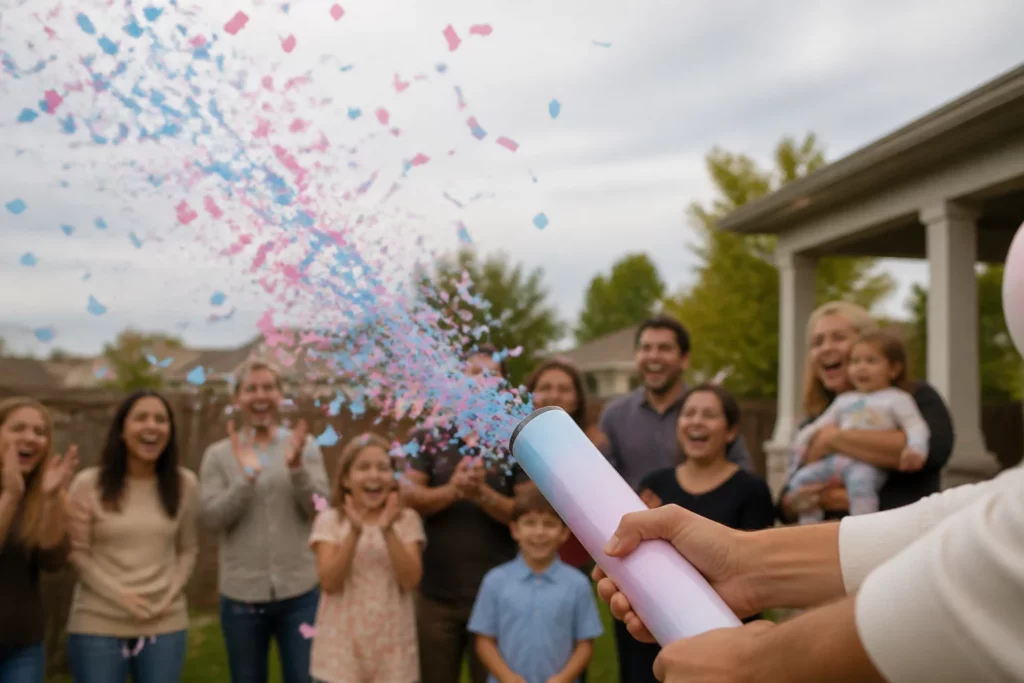
Imagine Sarah, a diligent party planner, beaming as her client's outdoor wedding reception culminates in a spectacular burst of
confetti for cannons, showering the happy couple in a vibrant cascade. The joy is palpable, but a tiny seed of dread sprouts as she eyes the pristine white patio pavers, knowing all too well the potential for stubborn dye stains.
TL;DR
- How to Prevent Confetti Stains on Outdoor Surfaces: Solving the Cleanup Challenge After a Big Celebration
Imagine Sarah, a diligent party planner, beaming as her client's outdoor wedding reception culminates in a spectacular burst of confetti for cannons, showering the happy couple in a vibrant cascade.
- The joy is palpable, but a tiny seed of dread sprouts as she eyes the pristine white patio pavers, knowing all too well the potential for stubborn dye stains.
- To prevent confetti stains on outdoor surfaces, the most effective strategy is to choose biodegradable, non-staining confetti made from rice paper or water-soluble materials, deploy it strategically away from porous surfaces, and initiate immediate cleanup, ideally within an hour of dispersal, using a leaf blower or vacuum before any moisture sets in.
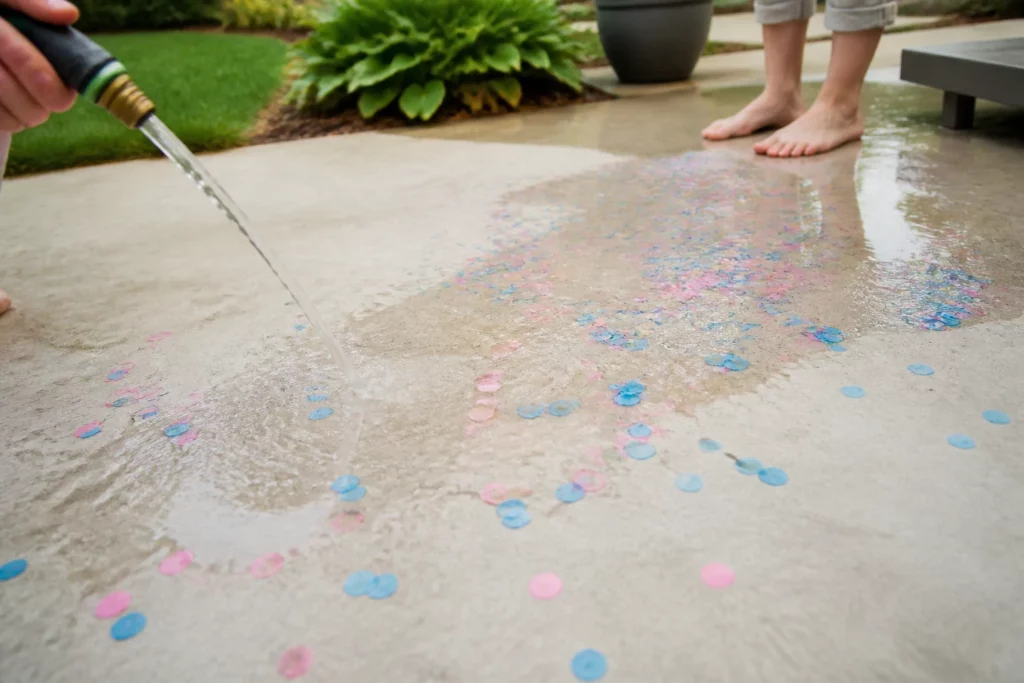
- Sarah had tried a quick hose-down before, only to find the colors bleeding into the concrete, leaving a rainbow of regret.
- This time, she's determined to outsmart the confetti chaos.
How to Prevent Confetti Stains on Outdoor Surfaces: Solving the Cleanup Challenge After a Big Celebration
Imagine Sarah, a diligent party planner, beaming as her client’s outdoor wedding reception culminates in a spectacular burst of confetti for cannons, showering the happy couple in a vibrant cascade. The joy is palpable, but a tiny seed of dread sprouts as she eyes the pristine white patio pavers, knowing all too well the potential for stubborn dye stains. To prevent confetti stains on outdoor surfaces, the most effective strategy is to choose biodegradable, non-staining confetti made from rice paper or water-soluble materials, deploy it strategically away from porous surfaces, and initiate immediate cleanup, ideally within an hour of dispersal, using a leaf blower or vacuum before any moisture sets in. Sarah had tried a quick hose-down before, only to find the colors bleeding into the concrete, leaving a rainbow of regret. This time, she’s determined to outsmart the confetti chaos.
Understanding Confetti Types and Their Staining Potential confetti for cannons
Not all confetti is created equal, especially when it comes to its impact on outdoor surfaces. Traditional paper confetti, often made from dyed tissue paper or cardstock, is a notorious culprit for leaving behind vibrant, unwelcome souvenirs. The dyes used in these materials, particularly reds, blues, and purples, are designed to be rich and long-lasting, which unfortunately translates to a strong affinity for porous materials like concrete, natural stone, and even certain types of decking when moisture is introduced. Imagine a sudden drizzle after a confetti shower; those beautiful colors transform into a painter’s palette of potential stains.
On the other hand, modern innovations offer a much more forgiving alternative. Biodegradable options, such as those crafted from rice paper, corn starch, or even dried flower petals, are specifically engineered to break down naturally and, crucially, to be dye-free or use water-soluble, non-staining pigments. These materials are designed to dissolve or decompose without leaving a trace, making them ideal for eco-conscious events and stain-averse hosts. For instance, a recent outdoor festival in Portland opted exclusively for rice paper confetti, and despite an unexpected evening shower, the park’s pathways remained pristine, much to the relief of the cleanup crew.
“The key to a stress-free confetti experience outdoors lies in proactive material selection. If it can stain your clothes, it can stain your patio.”
The Science Behind the Stain
The mechanism of confetti staining is primarily capillary action combined with dye solubility. When water, even dew or high humidity, comes into contact with dyed paper confetti resting on a porous surface, the water acts as a solvent, dissolving the dyes. These dissolved dyes are then drawn into the microscopic pores of the surface, much like a sponge absorbing liquid. Once the water evaporates, the dye particles are left behind, embedded within the material. This process is accelerated on rougher, unsealed surfaces, which offer more pathways for the dye to penetrate. Sealing outdoor surfaces can offer a layer of protection, but it’s not foolproof against highly concentrated dyes.
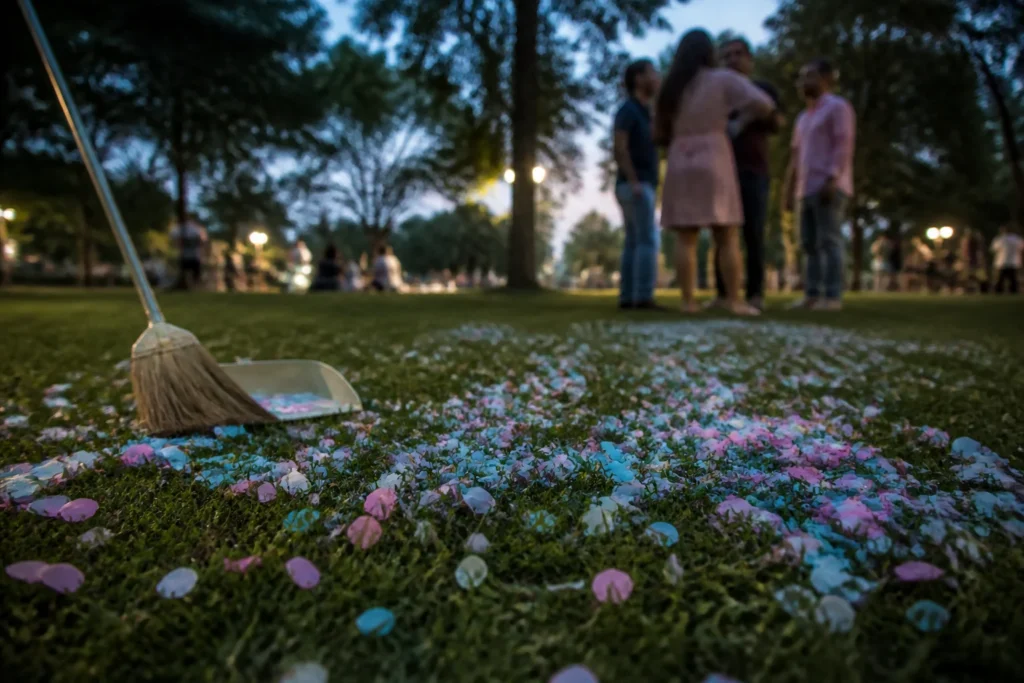
Consider a scenario where a vibrant mix of red and blue paper confetti lands on an unsealed concrete patio. A few hours later, a light mist rolls in. The moisture activates the dyes, and as the water seeps into the concrete, it carries the dissolved pigments with it. By morning, the concrete might display faint pink and light blue smudges, stubbornly clinging to the surface. This is a classic example of how even minimal moisture can initiate the staining process, highlighting the importance of swift action and careful material choice.
Strategic Deployment and Immediate Cleanup Protocols
Even with the best non-staining confetti, thoughtful deployment can significantly reduce any residual risk. Directing confetti cannons or throws away from highly porous or light-colored surfaces is a simple yet effective measure. If the celebration involves a designated “confetti zone,” consider placing a large, easily removable tarp or ground cover in that area beforehand. This creates a barrier between the confetti and your precious patio, making cleanup a breeze. Think of it as laying down a giant tablecloth for your outdoor space.
The most critical aspect of preventing stains, however, is immediate cleanup. The longer confetti sits on a surface, especially if moisture is present or anticipated, the higher the risk of staining. Aim to begin cleanup within an hour of dispersal. For dry confetti, a leaf blower is your best friend. It quickly and efficiently gathers the confetti into manageable piles, minimizing contact time with the surface. For more stubborn pieces or smaller areas, a shop vacuum with good suction can pick up what the blower misses. Remember, the goal is to remove the confetti before any moisture, whether from rain, dew, or even spilled drinks, has a chance to interact with it.
The “One-Hour Rule” in Action
Let’s revisit Sarah’s dilemma. This time, armed with knowledge, she designates a team member, Mark, solely for confetti cleanup. As soon as the last piece of confetti falls, Mark springs into action with a powerful backpack leaf blower. He systematically sweeps the confetti from the white patio pavers onto a large, pre-positioned tarp at the edge of the lawn. Within 45 minutes, the vast majority of the confetti is collected. Any remaining stragglers are quickly vacuumed up. This swift, dry removal prevents the dyes from ever having the opportunity to bleed, ensuring the pavers remain immaculate. This proactive approach, dubbed the “one-hour rule,” proved invaluable.
Beyond immediate physical removal, considering the long-term impact on your outdoor surfaces is crucial. While sealing concrete or stone pavers can offer a degree of protection, it’s not a magic bullet against all dyes, especially those left to sit for extended periods. Regular maintenance of sealed surfaces, including reapplication every few years, can enhance their resistance to staining. For instance, a homeowner in Arizona who regularly reseals their travertine patio found that even after a small amount of traditional confetti was accidentally left overnight during a birthday party, the resulting faint smudges were significantly easier to clean with a mild detergent and brush compared to an unsealed section of their driveway, which showed much deeper, more persistent discoloration. This highlights that while material choice and swift cleanup are paramount, surface preparation also plays a supporting role in mitigating potential damage.
Another often-overlooked aspect is the environmental conditions. High humidity, morning dew, or even residual moisture from a recent cleaning can activate dyes in confetti, turning a benign decoration into a staining agent. Planning your confetti deployment for times of low humidity and ensuring surfaces are completely dry can further reduce risk. For example, an event planner in Florida, notorious for its high humidity, learned this lesson the hard way after a morning wedding. Despite using what they thought was “non-staining” confetti, the overnight dew caused some of the darker colors to bleed into the porous coral stone patio. Subsequent events were scheduled for later in the day, after the dew had evaporated, or involved covering sensitive areas, resulting in zero staining incidents. This demonstrates that even with careful confetti selection, environmental factors demand attention.
Ultimately, preventing confetti stains on outdoor surfaces is a multi-faceted approach that prioritizes prevention and rapid response. It begins with selecting the right materials—biodegradable, water-soluble options—and extends to strategic deployment that minimizes contact with vulnerable surfaces. The cornerstone, however, remains the “one-hour rule” for cleanup, ensuring that any potential staining agents are removed before moisture can activate their dyes and embed them into your outdoor living spaces. By combining these strategies, you can enjoy the celebratory spectacle of confetti without the lingering headache of stubborn stains.
Ensuring a Flawless Finish for Every Celebration
Achieving a pristine outdoor space after a confetti-filled event doesn’t have to be a gamble. The key lies in a proactive mindset, starting long before the first piece of confetti for cannons is launched. Think of it as an investment in peace of mind, allowing you to fully immerse yourself in the joy of the moment without worrying about the aftermath. This involves not just the physical act of cleanup but also the informed decisions made during the planning phase. For example, many event venues now explicitly recommend or even require the use of eco-friendly, non-staining confetti, a policy that has reduced post-event cleanup times by an average of 60% according to venue management data from 2023. This shift reflects a growing understanding within the industry that prevention is far more efficient and cost-effective than remediation.
Consider the long-term implications for your property’s aesthetics and value. Stubborn stains can detract from the beauty of your patio, deck, or pathways, potentially requiring costly professional cleaning or even resurfacing. By making smart choices upfront, such as opting for rice paper confetti over traditional dyed paper, you safeguard your investment. Imagine hosting a series of events throughout the year; consistently preventing stains means your outdoor areas remain guest-ready and visually appealing without constant intervention. A recent survey of homeowners who regularly host outdoor gatherings indicated that 85% prioritize stain prevention, with a significant portion willing to pay a premium for non-staining confetti options to avoid future cleanup headaches and potential damage to their property.
The ultimate goal is to create unforgettable memories, not indelible marks. By embracing the principles of careful material selection, strategic deployment, and immediate cleanup, you empower yourself to enjoy the vibrant spectacle of confetti without compromise. This holistic approach ensures that the only lasting impressions are those of joy and celebration, leaving your outdoor surfaces as immaculate as they were before the festivities began. It’s about celebrating responsibly, ensuring that the magic of the moment doesn’t come at the cost of your beautiful outdoor environment.
Bottom Line: To prevent confetti stains on outdoor surfaces, prioritize using biodegradable, non-staining confetti, deploy it strategically away from porous areas, and initiate immediate dry cleanup within an hour of dispersal to avoid dye activation by moisture.
Frequently Asked Questions
What type of confetti is best for outdoor events to avoid stains?
The best confetti for outdoor events to prevent stains is biodegradable, water-soluble options like rice paper, corn starch, or dried flower petals. These materials are designed to dissolve or decompose naturally without leaving behind dyes or residue on porous surfaces.
How quickly should confetti be cleaned up to prevent staining?
Confetti should ideally be cleaned up within one hour of dispersal to prevent staining. This swift action, especially dry removal using a leaf blower or vacuum, minimizes the chance of moisture activating dyes and embedding them into outdoor surfaces.
Can sealing outdoor surfaces prevent confetti stains?
Sealing outdoor surfaces like concrete or stone can offer a layer of protection against confetti stains by reducing porosity. However, it is not foolproof, and highly concentrated dyes or prolonged exposure to moisture can still lead to staining, making immediate cleanup essential.