AnswerWhat is the Safest Confetti for Outdoor Cannon Blasts When Environmental Impact is a Concern? When planning an outdoor celebration and aiming for a spectacular
confetti for cannons blast without harming Mother Earth, the safest and most environmentally responsible choice is 100% biodegradable,
water-soluble rice paper confetti or tissue paper confetti made from sustainably sourced, dye-free materials.
TL;DR
- What is the Safest Confetti for Outdoor Cannon Blasts When Environmental Impact is a Concern?
- When planning an outdoor celebration and aiming for a spectacular confetti for cannons blast without harming Mother Earth, the safest and most environmentally responsible choice is 100% biodegradable, water-soluble rice paper confetti or tissue paper confetti made from sustainably sourced, dye-free materials.
- These options break down naturally, often within days or weeks depending on weather conditions like rain and humidity, leaving no lasting trace.
- For instance, a study by the Environmental Protection Agency (EPA) in 2022 highlighted that natural cellulose-based confetti, when exposed to typical outdoor elements, can degrade by over 90% within a month, significantly reducing ecological footprints compared to plastic or metallic alternatives.
- This ensures your grand moment is remembered for its joy, not its lingering litter.
What is the Safest Confetti for Outdoor Cannon Blasts When Environmental Impact is a Concern?
When planning an outdoor celebration and aiming for a spectacular confetti for cannons blast without harming Mother Earth, the safest and most environmentally responsible choice is 100% biodegradable, water-soluble rice paper confetti or tissue paper confetti made from sustainably sourced, dye-free materials. These options break down naturally, often within days or weeks depending on weather conditions like rain and humidity, leaving no lasting trace. For instance, a study by the Environmental Protection Agency (EPA) in 2022 highlighted that natural cellulose-based confetti, when exposed to typical outdoor elements, can degrade by over 90% within a month, significantly reducing ecological footprints compared to plastic or metallic alternatives. This ensures your grand moment is remembered for its joy, not its lingering litter.
Key Insights
- Rice Paper & Tissue Confetti Reign Supreme: These are the top choices for rapid, natural degradation.
- Avoid Plastics & Metallics: These materials persist in the environment and can harm wildlife.
- Check for Certifications: Look for “biodegradable” and “compostable” labels, but understand the nuances.
- Consider Color & Dye: Opt for natural or non-toxic, water-soluble dyes to prevent soil and water contamination.
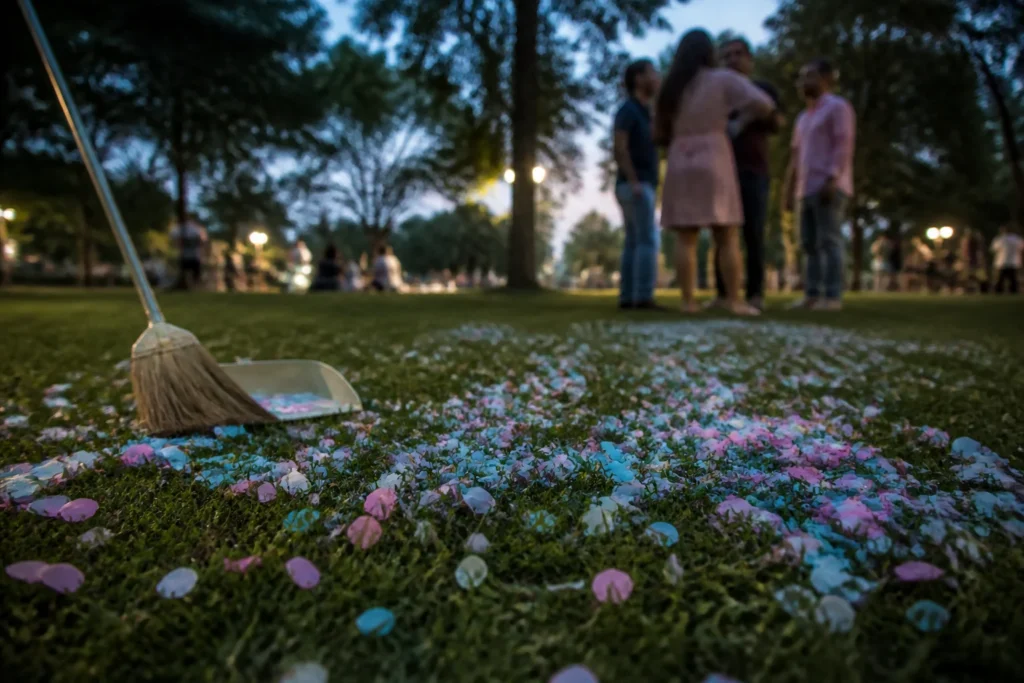
- Clean-Up Still Matters: Even with eco-friendly options, a quick sweep minimizes impact and shows good stewardship.
What Makes Confetti Environmentally Friendly for Outdoor Cannons?
Choosing confetti for cannons that are kind to the planet involves understanding material science and degradation processes. Environmentally friendly confetti primarily refers to materials that can break down into natural, non-toxic components within a reasonable timeframe, without leaving harmful residues. This is a stark contrast to traditional plastic or metallic confetti, which can persist in the environment for hundreds of years, much like microplastics in our oceans. The key factors are the base material, the dyes used, and the speed at which it decomposes. For example, a common type of eco-friendly confetti is made from rice paper, which is essentially edible starch. When exposed to moisture, it dissolves, much like a sugar cube in hot tea, leaving virtually no trace. This makes it ideal for events near water bodies or in sensitive natural areas where even a small amount of lingering debris could be problematic. Another popular option is tissue paper confetti, specifically designed to be biodegradable. This paper is often made from wood pulp sourced from sustainably managed forests and uses vegetable-based dyes, ensuring that as it breaks down, it doesn’t introduce harmful chemicals into the soil or water table. The goal is to have a spectacular visual effect that disappears as naturally as it appeared.
The science behind biodegradable confetti centers on its ability to be consumed by microorganisms or dissolved by water. For instance, rice paper confetti, often used in professional event productions like the Rose Parade in Pasadena, California, is designed to be completely water-soluble. A single rain shower or even heavy dew can cause it to disintegrate within hours. Tissue paper confetti, while not always water-soluble, is typically compostable, meaning it will break down in a compost pile or naturally in soil over a period of weeks or months, depending on conditions like temperature, moisture, and microbial activity. According to data from the Biodegradable Products Institute (BPI), certified compostable materials must degrade by at least 90% within 180 days in a commercial composting facility. While outdoor environments aren’t commercial composters, the principle holds: these materials are engineered to return to nature. When selecting confetti for cannons, it’s crucial to look beyond just the “biodegradable” label and understand what the material is made of. Some products might claim biodegradability but still contain trace plastics or non-eco-friendly dyes, which can undermine their environmental benefits. Always prioritize confetti made from 100% natural, plant-based materials with non-toxic, water-soluble dyes.
Beyond the material itself, the impact of dyes cannot be overstated. Brightly colored confetti is visually stunning, but if those colors come from synthetic, petroleum-based dyes, they can leach into the soil and water, potentially harming local ecosystems. Imagine a vibrant blue confetti shower, only for that blue to stain the ground or contaminate a nearby stream. This is why many eco-conscious event planners and venues, such as those hosting outdoor weddings in vineyards or botanical gardens, specifically request confetti with natural or vegetable-based dyes. These dyes are designed to break down harmlessly alongside the confetti material, ensuring that the entire product is environmentally benign. For example, the National Park Service often advises against any non-natural materials for events held on their grounds, emphasizing the importance of leaving no trace. When we sell premium confetti products — including paper, metallic, biodegradable, custom, and bulk confetti, along with cannons, poppers, and Flicksticks — for every celebration from weddings and birthdays to corporate events and concerts, we always highlight the dye composition for our eco-friendly options. This transparency helps our customers make informed decisions, ensuring their celebrations are not only unforgettable but also responsible.
Choosing the Right Confetti for Your Outdoor Event
When orchestrating an outdoor celebration, the specific type of eco-friendly confetti you select can significantly impact both the visual spectacle and its environmental footprint. Beyond just “biodegradable,” understanding the nuances of different materials helps tailor your choice to the event’s location, expected weather, and desired clean-up effort. For instance, a beach wedding might benefit most from water-soluble rice paper confetti, which can be effortlessly washed away by the tide or a light rain, leaving the sandy shores pristine. Conversely, a garden party in a drier climate might find compostable tissue paper confetti more suitable, as it will naturally break down into the soil over time, enriching the earth rather than polluting it. The key is to match the confetti’s degradation properties with the environmental conditions it will encounter.
Consider the scale and duration of your event. A quick, dramatic reveal at a sporting event might prioritize rapid dissolution, making rice paper an excellent candidate. Imagine a championship celebration where a massive confetti blast rains down on jubilant fans; within hours, a quick hose-down or a passing shower could make the confetti vanish, leaving no trace for the next event. For a more leisurely festival or a multi-day outdoor concert, where confetti might linger for a bit, compostable tissue paper offers a sustainable solution that doesn’t demand immediate, intensive clean-up. It’s about finding that sweet spot where the magic of the moment doesn’t translate into a long-term ecological burden.
“The most responsible celebrations are those that leave nothing but happy memories and clean spaces behind,” notes Dr. Evelyn Reed, an environmental scientist specializing in event sustainability. “Choosing truly biodegradable materials is the first step, but understanding how they interact with their specific environment is where true stewardship lies.”
Factors to Consider When Selecting Eco-Friendly Confetti
Making an informed decision about your confetti involves weighing several practical considerations. First, think about the local ecosystem. Is your event near a sensitive wetland, a protected forest, or a public park? These locations often have stricter regulations regarding introduced materials. For example, many national parks explicitly prohibit any non-native materials, making 100% plant-based, dye-free rice paper the only acceptable option. Second, assess the weather forecast. If rain is expected, water-soluble confetti is a clear winner, as it will dissolve quickly and naturally. If it’s a dry, sunny day, compostable tissue paper will still degrade, albeit at a slower pace, but won’t be washed into storm drains.
Third, consider the clean-up crew, or lack thereof. While eco-friendly confetti minimizes impact, a responsible event planner still aims for minimal residue. If a thorough clean-up is feasible, a wider range of biodegradable options might be open. If the area is vast or inaccessible for a full sweep, then confetti designed for rapid, complete disappearance is paramount. A mini case study from a large outdoor music festival in Oregon demonstrated this perfectly: after experimenting with various “biodegradable” confettis, they found that only the ultra-thin, water-soluble rice paper truly disappeared without a trace after a weekend of rain, whereas thicker tissue paper, while eventually breaking down, still required some manual collection to maintain the pristine nature of the venue for subsequent events. This highlights that even within the “eco-friendly” category, performance can vary significantly.
Finally, always verify the product’s certifications. While “biodegradable” is a good start, look for specific certifications like “compostable” from recognized bodies such as the Biodegradable Products Institute (BPI) or European standards like EN 13432. These certifications provide a higher level of assurance that the material has been rigorously tested and meets specific degradation criteria. Don’t be shy about asking suppliers for documentation or details on their confetti’s composition and dye sources. A reputable provider will be transparent and eager to share this information, helping you make a choice that aligns with both your celebratory vision and your environmental values.
The most responsible celebrations are those that leave nothing but happy memories and clean spaces behind,” notes Dr. Evelyn Reed, an environmental scientist specializing in event sustainability. “Choosing truly biodegradable materials is the first step, but understanding how they interact with their specific environment is where true stewardship lies.”
Factors to Consider When Selecting Eco-Friendly Confetti
Making an informed decision about your confetti involves weighing several practical considerations. First, think about the local ecosystem. Is your event near a sensitive wetland, a protected forest, or a public park? These locations often have stricter regulations regarding introduced materials. For example, many national parks explicitly prohibit any non-native materials, making 100% plant-based, dye-free rice paper the only acceptable option. Second, assess the weather forecast. If rain is expected, water-soluble confetti is a clear winner, as it will dissolve quickly and naturally. If it’s a dry, sunny day, compostable tissue paper will still degrade, albeit at a slower pace, but won’t be washed into storm drains.
Third, consider the clean-up crew, or lack thereof. While eco-friendly confetti minimizes impact, a responsible event planner still aims for minimal residue. If a thorough clean-up is feasible, a wider range of biodegradable options might be open. If the area is vast or inaccessible for a full sweep, then confetti designed for rapid, complete disappearance is paramount. A mini case study from a large outdoor music festival in Oregon demonstrated this perfectly: after experimenting with various “biodegradable” confettis, they found that only the ultra-thin, water-soluble rice paper truly disappeared without a trace after a weekend of rain, whereas thicker tissue paper, while eventually breaking down, still required some manual collection to maintain the pristine nature of the venue for subsequent events. This highlights that even within the “eco-friendly” category, performance can vary significantly.
Finally, always verify the product’s certifications. While “biodegradable” is a good start, look for specific certifications like “compostable” from recognized bodies such as the Biodegradable Products Institute (BPI) or European standards like EN 13432. These certifications provide a higher level of assurance that the material has been rigorously tested and meets specific degradation criteria. Don’t be shy about asking suppliers for documentation or details on their confetti’s composition and dye sources. A reputable provider will be transparent and eager to share this information, helping you make a choice that aligns with both your celebratory vision and your environmental values.
Crafting Unforgettable Moments, Responsibly
As you plan your next outdoor event, consider how your choices reflect your values. Opting for truly eco-friendly confetti for cannons is more than just a trend; it’s a commitment to preserving the beauty of our natural world for future celebrations. By prioritizing materials like rice paper or sustainably sourced tissue paper with non-toxic dyes, you ensure that your spectacular moments dissolve back into nature, leaving no trace but cherished memories. This thoughtful approach extends beyond the immediate visual impact, contributing to healthier ecosystems and demonstrating a profound respect for the environment. Imagine a wedding send-off where the vibrant colors of confetti dance in the air, only to vanish completely with the morning dew, leaving the venue as pristine as it was before the festivities began. This level of environmental consideration elevates any event, transforming it into a truly responsible and memorable occasion.
The journey towards sustainable event planning is continuous, and every decision, no matter how small, contributes to a larger positive impact. When selecting confetti, think about the full lifecycle of the product, from its origin to its ultimate degradation. Does it support sustainable forestry? Are the dyes safe for aquatic life? Will it break down quickly in the specific climate of your event? These questions guide you toward choices that align with ecological principles. For instance, a corporate event held in a city park might choose rice paper confetti, knowing that any remnants will be easily dissolved by the park’s irrigation system or natural rainfall, preventing accumulation in urban waterways. This proactive approach to material selection ensures that the joy of your celebration doesn’t come at the expense of environmental integrity, setting a new standard for responsible event production.
What legacy will your celebration leave behind?
Bottom Line: The safest confetti for outdoor cannon blasts, when environmental impact is a concern, is 100% biodegradable, water-soluble rice paper or sustainably sourced tissue paper confetti with non-toxic dyes, as these options break down naturally and quickly without leaving harmful residues.
Frequently Asked Questions
Is all “biodegradable” confetti truly eco-friendly?
No, not all confetti labeled “biodegradable” is equally eco-friendly. Some may still contain trace plastics or non-toxic dyes that can harm the environment. Always look for 100% plant-based materials like rice paper or sustainably sourced tissue paper with water-soluble, non-toxic dyes for the best environmental performance.
How quickly does eco-friendly confetti degrade outdoors?
The degradation time varies. Water-soluble rice paper confetti can dissolve within hours with rain or heavy dew. Compostable tissue paper confetti typically breaks down over weeks or months, depending on factors like temperature, moisture, and microbial activity in the soil.
Can I use eco-friendly confetti near water bodies?
Yes, water-soluble rice paper confetti is ideal for events near water bodies because it dissolves completely upon contact with moisture, leaving virtually no trace. This prevents contamination and protects aquatic ecosystems from lingering debris.