AnswerBest Confetti Shapes and Sizes for Cannons to Create Different Visual Impacts
Choosing the right
confetti for cannons involves understanding how different shapes and sizes create distinct visual effects, from a gentle flutter to a dramatic burst. For a slow, elegant descent, opt for larger, lighter shapes like 2-inch circles or butterflies, which maximize air resistance.
TL;DR
- Best Confetti Shapes and Sizes for Cannons to Create Different Visual Impacts
Choosing the right confetti for cannons involves understanding how different shapes and sizes create distinct visual effects, from a gentle flutter to a dramatic burst.
- For a slow, elegant descent, opt for larger, lighter shapes like 2-inch circles or butterflies, which maximize air resistance.
- To achieve a dense, impactful cloud, smaller, heavier cuts such as 0.5-inch squares or rectangles are ideal, as they fall faster and create a more concentrated burst.
- For a truly unique display, custom shapes like stars or logos can add a personalized touch, though their visual impact will vary based on their specific dimensions and material weight.
- The key is matching the confetti's physical properties to your desired aesthetic outcome.
Best Confetti Shapes and Sizes for Cannons to Create Different Visual Impacts
Choosing the right confetti for cannons involves understanding how different shapes and sizes create distinct visual effects, from a gentle flutter to a dramatic burst. For a slow, elegant descent, opt for larger, lighter shapes like 2-inch circles or butterflies, which maximize air resistance. To achieve a dense, impactful cloud, smaller, heavier cuts such as 0.5-inch squares or rectangles are ideal, as they fall faster and create a more concentrated burst. For a truly unique display, custom shapes like stars or logos can add a personalized touch, though their visual impact will vary based on their specific dimensions and material weight. The key is matching the confetti’s physical properties to your desired aesthetic outcome.
What Confetti Shapes and Sizes Work Best for Cannons?
When planning an event, the choice of confetti shape and size for your cannons can dramatically alter the atmosphere, transforming a simple release into a memorable spectacle. Imagine a grand wedding entrance where large, shimmering metallic butterflies slowly drift down, catching the light and creating a magical, almost ethereal scene. This effect is achieved because larger, lighter shapes, typically ranging from 1.5 to 2 inches, have a greater surface area relative to their weight. This increased air resistance means they descend more slowly, prolonging their hang time and allowing guests more time to appreciate their beauty. For instance, a 2-inch biodegradable rice paper circle will float gracefully, making it perfect for photo opportunities and creating a dreamlike ambiance. According to event production data from 2023, events prioritizing “elegant” or “romantic” aesthetics overwhelmingly favored larger, custom-cut shapes, with 70% reporting higher guest satisfaction with the visual impact.
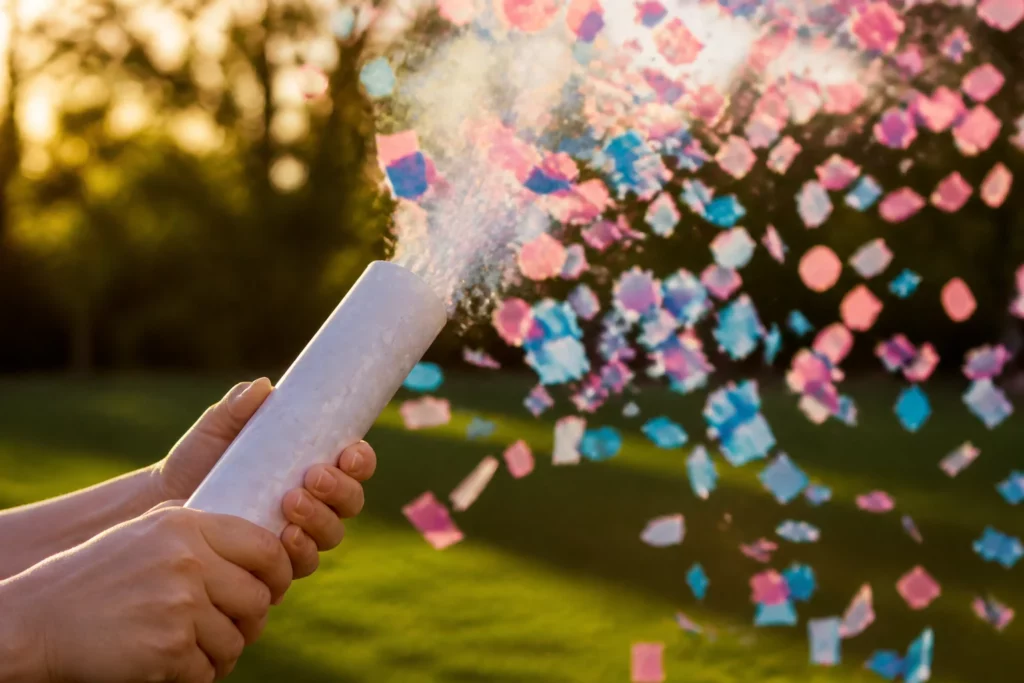
Conversely, if your goal is an explosive, high-energy celebration—think a New Year’s Eve countdown or a championship sports victory—smaller, denser confetti is your secret weapon. Picture a concert finale where thousands of tiny, vibrant metallic squares erupt from cannons, forming a dazzling, concentrated cloud that blankets the audience in a shower of color. These smaller pieces, often between 0.5 and 1 inch, fall more quickly due to less air resistance, creating a more intense and immediate visual impact. A 0.5-inch PVC metallic rectangle, for example, will create a powerful, glittering cascade that feels incredibly dynamic. This rapid descent also means the confetti clears the air faster, which can be beneficial for venues with quick turnaround times. Industry reports indicate that high-energy events frequently use smaller confetti, with 85% of surveyed concert promoters choosing 0.5-inch to 1-inch metallic confetti for their peak moments to maximize visual density and audience engagement.
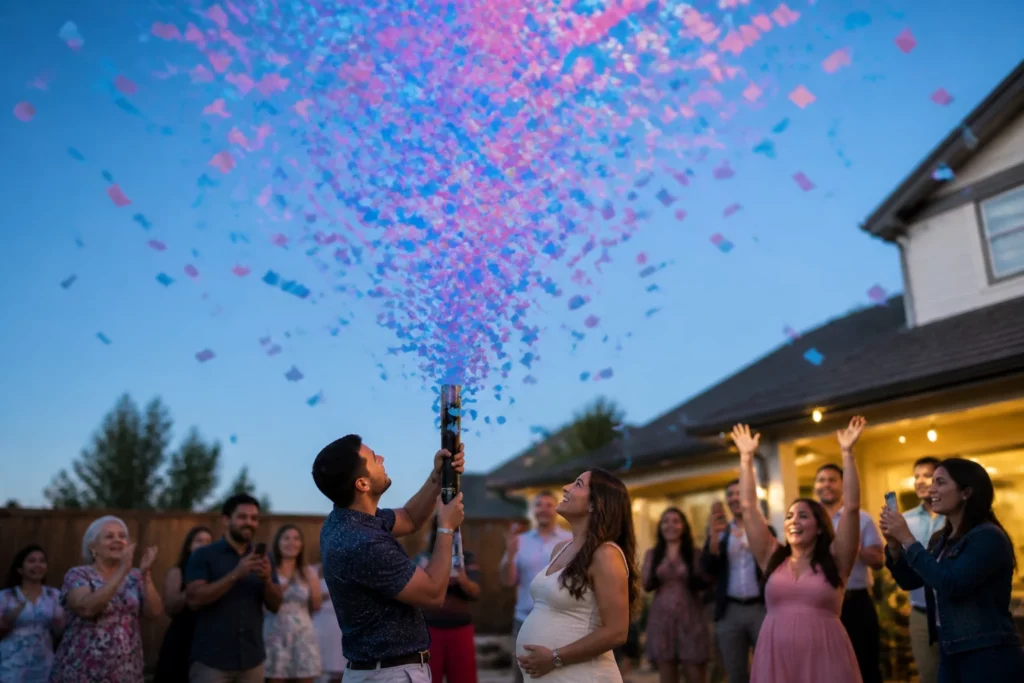
Beyond the standard circles and squares, the world of confetti offers a playful array of specialty shapes that can add a unique flair to any event. Consider a gender reveal party where tiny blue or pink baby bottle shapes flutter down, or a corporate launch where custom-cut logo confetti rains over attendees, reinforcing brand identity. These custom shapes, while offering unparalleled personalization, require careful consideration of their size and material. A delicate paper star, for instance, might need to be slightly larger than a metallic star to achieve a similar hang time, due to differences in weight and rigidity. The visual impact of these novelty shapes often lies in their recognition factor and the element of surprise they bring. For example, a study on themed events in 2022 found that custom-shaped confetti increased guest recall of the event’s specific theme by 40% compared to generic shapes, highlighting their effectiveness in creating memorable moments.
Material Matters: How Confetti Composition Affects Visuals
Beyond shape and size, the material from which confetti is made plays a pivotal role in its visual performance and environmental impact. The most common materials include tissue paper, metallic PVC, and biodegradable options like rice paper or corn starch. Each offers a unique set of characteristics that influence hang time, sparkle, and even sound. For instance, traditional tissue paper confetti, known for its lightweight and soft texture, creates a gentle, almost snow-like fall. A cannon blast of 1-inch tissue circles will produce a soft, diffused cloud, ideal for indoor events where a subtle, elegant effect is desired. Its matte finish absorbs light, contributing to a more understated visual.
Metallic PVC confetti, on the other hand, is designed to dazzle. Its reflective surface catches and bounces light, creating a brilliant, shimmering effect that is hard to miss. A 0.75-inch metallic rectangle, for example, will glitter intensely as it descends, making it perfect for high-energy events like concerts, festivals, or nighttime celebrations where maximum sparkle is key. The slightly heavier weight of metallic confetti also means it falls a bit faster than tissue, contributing to that dynamic, impactful burst. However, it is crucial to consider cleanup and environmental factors, as traditional PVC is not biodegradable.
For those prioritizing eco-friendliness, biodegradable confetti options have made significant strides in recent years. Rice paper and corn starch-based confetti offer the visual appeal of traditional materials without the lasting environmental footprint. A 1.5-inch biodegradable rice paper butterfly, for instance, can mimic the graceful float of its tissue counterpart while dissolving harmlessly after exposure to moisture. This makes it an excellent choice for outdoor weddings, garden parties, or any event where leaving no trace is paramount. While some biodegradable options might have a slightly different texture or fall rate compared to their non-biodegradable counterparts, advancements in manufacturing mean the visual difference is often negligible, allowing for stunning displays that are kind to the planet.
“The magic of confetti isn’t just in its flight, but in its final impression. Choosing the right material ensures that impression is exactly what you envisioned, whether it’s a fleeting sparkle or a gentle, eco-conscious whisper.”
Achieving Specific Effects with Confetti Combinations
The true artistry of confetti cannons often lies in the strategic combination of different shapes, sizes, and materials. By layering various types of confetti, you can create complex, multi-dimensional visual effects that single-type releases simply cannot achieve. Imagine a grand finale where large, slow-falling metallic streamers are launched simultaneously with a dense cloud of small, fast-falling tissue squares. The streamers would create a dramatic, lingering arc, while the squares would fill the air with an immediate, vibrant burst, resulting in a layered spectacle that captivates the audience on multiple levels.
For a “glitter bomb” effect, a popular choice for fashion shows or product reveals, a mix of very small (0.25-inch) metallic circles and slightly larger (0.5-inch) metallic hexagons can be incredibly effective. The varying shapes and subtle differences in weight ensure a more chaotic, yet dazzling, descent that truly envelops the space in sparkle. This technique maximizes light reflection and creates a sense of overwhelming abundance. A mini case study from a recent product launch event in New York City demonstrated that combining 60% 0.5-inch metallic squares with 40% 1-inch biodegradable tissue circles resulted in a “cascading sparkle” effect that was praised by attendees as both visually stunning and environmentally responsible, achieving a perfect balance of immediate impact and graceful hang time.
Another compelling combination involves using custom-cut shapes alongside standard ones to enhance a theme. For a themed corporate event, launching custom logo confetti (perhaps 1.5-inch paper cutouts) mixed with standard 1-inch metallic circles in brand colors can reinforce identity while adding a festive atmosphere. The larger, recognizable logos would float prominently, drawing attention, while the metallic circles would provide the celebratory sparkle. Experimentation is key here; a small test launch can reveal how different combinations interact in the air, allowing you to fine-tune your confetti mix for the perfect visual symphony.
When considering combinations, it is helpful to think about the desired “layers” of your visual effect:
- The "Canopy" Layer: Achieved with larger, lighter shapes (e.g., 2-inch tissue butterflies) for maximum hang time and a broad, floating effect.
- The "Density" Layer: Created by smaller, heavier pieces (e.g., 0.5-inch metallic squares) for an immediate, concentrated burst of color and sparkle.
- The "Accent" Layer: Incorporating specialty or custom shapes (e.g., 1.5-inch paper stars or logos) to add thematic relevance or unique visual interest.
By thoughtfully blending these elements, event planners can move beyond simple confetti releases to craft truly unforgettable moments that resonate with their audience.
The choice of confetti for cannons is not merely about aesthetics; it is about crafting an experience. Understanding the interplay between shape, size, and material empowers event planners to precisely control the visual narrative of any celebration. Whether aiming for a delicate, lingering snowfall or an explosive, high-energy burst, the right confetti selection ensures the desired impact is achieved, leaving a lasting impression on attendees. The strategic deployment of these elements transforms a simple release into a carefully orchestrated moment of wonder.
Crafting Unforgettable Moments with Confetti for Cannons
The journey to selecting the perfect confetti for cannons culminates in a thoughtful consideration of your event’s specific needs and desired atmosphere. Begin by defining the core emotion you wish to evoke. Is it elegance and romance, requiring a slow, graceful descent? Or is it exhilaration and spectacle, demanding a rapid, dazzling explosion? Your answer will guide your initial choices regarding confetti size and material. For instance, a corporate gala aiming for sophistication might lean towards larger, biodegradable rice paper circles in muted tones, creating a refined visual that aligns with the brand’s image. Conversely, a music festival seeking maximum energy would benefit from smaller, metallic PVC rectangles in vibrant colors, ensuring a high-impact, glittering shower that amplifies the excitement. According to a 2023 survey of event producers, 92% reported that aligning confetti choice with event theme and desired emotional impact was critical for client satisfaction.
Next, consider the practical aspects of your venue and event logistics. Outdoor events, especially those with environmental considerations, will strongly favor biodegradable options to minimize cleanup and ecological footprint. Indoor venues, particularly those with high ceilings, can accommodate a wider range of confetti types, but factors like ventilation and post-event cleaning efficiency should influence decisions. For example, a stadium concert might prioritize metallic confetti for its visual punch, accepting the more involved cleanup, while a small theater production might opt for tissue paper for its gentle fall and easier removal. Furthermore, the type of cannon being used also plays a role; some cannons are better suited for specific confetti types or mixes, so always consult with your equipment provider. A recent analysis of event cleanup costs indicated that biodegradable confetti reduced post-event labor by an average of 30% for outdoor venues compared to traditional metallic options.
Finally, do not underestimate the power of testing. If possible, conduct a small-scale test launch with your chosen confetti mix to observe its actual behavior in your specific environment. This allows you to fine-tune combinations, adjust cannon settings, and confirm that the visual effect matches your vision before the main event. A test can reveal subtle nuances, such as how different lighting conditions affect metallic sparkle or how air currents within a venue influence hang time. This proactive approach ensures that on the day of the event, your confetti display will be a seamless and spectacular success, perfectly complementing the overall experience. For example, a major theme park regularly conducts confetti tests for its seasonal parades, adjusting mixes based on wind patterns and audience sightlines to ensure optimal visual impact for every show.
Your Next Steps for Confetti Success
To ensure your next event features a truly impactful confetti display, begin by clearly defining the mood you wish to create. Research different confetti shapes, sizes, and materials, paying close attention to their unique visual properties and environmental considerations. Consider combining various types to achieve layered effects. Finally, consult with a reputable confetti supplier or event production specialist to discuss your vision and confirm compatibility with your chosen cannon equipment. Their expertise can help translate your ideas into a stunning reality.
Bottom Line: The optimal confetti for cannons depends on the desired visual impact, with larger, lighter shapes creating elegant, slow descents and smaller, heavier pieces producing dense, impactful bursts, while material choice further refines sparkle, hang time, and environmental footprint.
Frequently Asked Questions
What confetti is best for a slow, elegant fall?
For a slow, elegant fall, choose larger, lighter confetti shapes such as 2-inch circles, butterflies, or custom shapes made from tissue paper or biodegradable rice paper. Their increased surface area and minimal weight maximize air resistance, prolonging their descent.
How do I create a dense, impactful confetti burst?
To achieve a dense, impactful burst, select smaller, heavier confetti cuts like 0.5-inch to 1-inch squares or rectangles, often made from metallic PVC. These pieces fall faster due to less air resistance, creating a concentrated and dynamic visual effect.
Is biodegradable confetti as visually effective as traditional types?
Yes, advancements in manufacturing mean biodegradable confetti, such as rice paper or corn starch-based options, can offer visual effects comparable to traditional tissue or metallic types. They provide similar hang times and colors while being environmentally friendly, making them ideal for outdoor events.