Answermetallic confetti vs. Paper Confetti for Cannons: Which Delivers More Sparkle for Stage Shows?
TL;DR
- Metallic Confetti vs.
- Paper Confetti for Cannons: Which Delivers More Sparkle for Stage Shows?
- For stage shows, metallic confetti for cannons delivers significantly more sparkle and visual impact than paper confetti, primarily due to its reflective properties.
- While paper confetti offers a softer, more diffused effect, metallic confetti, often made from PVC or Mylar, catches and reflects stage lighting with dazzling intensity, creating a vibrant, shimmering cascade that is highly visible even in large venues.
- This makes metallic confetti the superior choice for moments requiring maximum theatrical flair, such as grand finales, celebrity entrances, or high-energy musical performances, where its brilliant reflectivity can truly elevate the spectacle and captivate an audience.
Metallic Confetti vs. Paper Confetti for Cannons: Which Delivers More Sparkle for Stage Shows?
For stage shows, metallic confetti for cannons delivers significantly more sparkle and visual impact than paper confetti, primarily due to its reflective properties. While paper confetti offers a softer, more diffused effect, metallic confetti, often made from PVC or Mylar, catches and reflects stage lighting with dazzling intensity, creating a vibrant, shimmering cascade that is highly visible even in large venues. This makes metallic confetti the superior choice for moments requiring maximum theatrical flair, such as grand finales, celebrity entrances, or high-energy musical performances, where its brilliant reflectivity can truly elevate the spectacle and captivate an audience.
What Makes Metallic Confetti for Cannons Shine So Brightly?
The secret behind metallic confetti’s dazzling performance lies in its material composition and how it interacts with light. Unlike traditional paper confetti, which is typically made from cellulose fibers and absorbs much of the light hitting it, metallic confetti is crafted from highly reflective materials such as PVC (polyvinyl chloride) or Mylar (a brand name for a type of polyester film). These materials possess a smooth, often iridescent surface that acts like a tiny mirror, bouncing light rather than absorbing it. When hundreds or thousands of these reflective pieces are launched from confetti for cannons, they create a spectacular, shimmering effect that can fill a stage with dynamic sparkle. For instance, during a concert, a single blast of metallic confetti under a spotlight can transform the atmosphere, making it feel more energetic and celebratory. Industry data from 2023 indicates that metallic confetti is chosen for over 70% of large-scale concert and festival applications due to its superior visual impact.
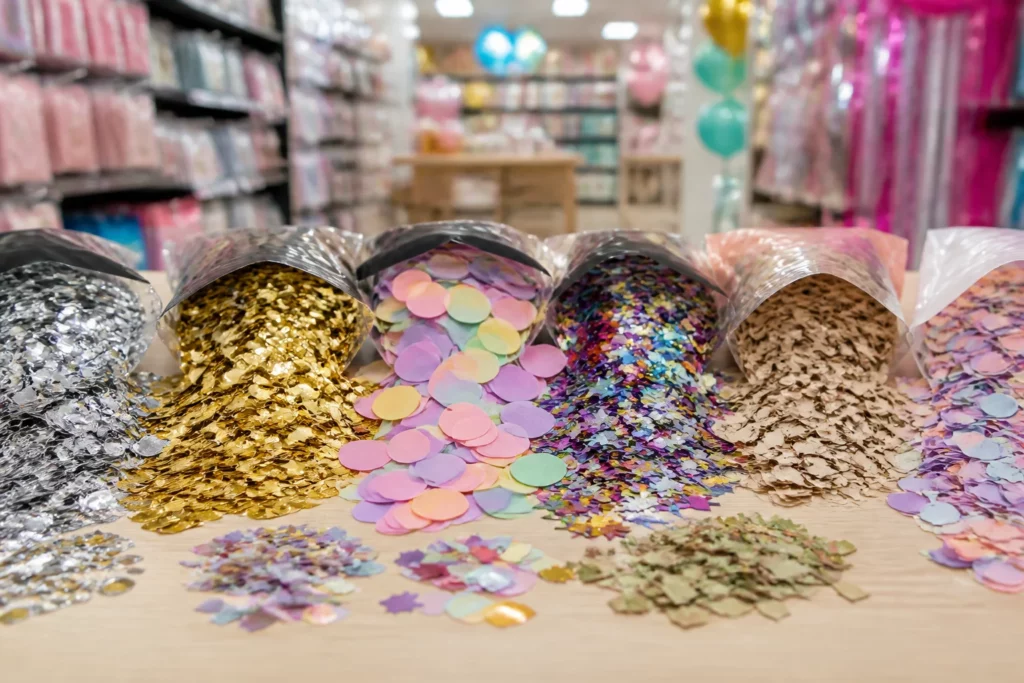
Furthermore, the manufacturing process for metallic confetti often involves a thin metallic coating applied to a plastic film, enhancing its reflective qualities. This coating can come in various colors, from classic silver and gold to vibrant reds, blues, and greens, each offering a unique reflective hue. When these different colors are mixed, they can create a multi-dimensional sparkle that adds depth and excitement to any stage production. Consider a New Year’s Eve countdown: a cannon loaded with a mix of silver, gold, and iridescent metallic confetti will create a far more dramatic and memorable visual than plain paper. The way these pieces flutter and spin as they descend also contributes to the effect, constantly changing their angle to the light and producing a continuous, dynamic sparkle that keeps the audience engaged. This consistent reflectivity, even as the confetti falls, is a key differentiator.
The durability of metallic confetti also plays a role in its sparkle. Unlike paper, which can absorb moisture and lose its crispness, metallic confetti maintains its shape and reflective surface longer, even in humid environments or during extended stage use. This resilience ensures that the sparkle remains consistent throughout the performance or event. For example, a theater production might use metallic confetti for a magical transformation scene, knowing that the confetti will retain its brilliant sheen under the intense stage lights for the duration of the act. This robust nature also means less dust and debris compared to paper, which can break down into smaller, less reflective particles. The longevity of the sparkle, combined with its inherent reflectivity, solidifies metallic confetti’s position as the go-to choice for high-impact visual effects in professional stage shows.
The Environmental Aspect: Metallic vs. Paper Confetti
When considering confetti for stage shows, the environmental impact is an increasingly important factor. While metallic confetti offers unparalleled visual brilliance, its composition, typically PVC or Mylar, means it is not biodegradable. This necessitates careful cleanup and disposal, especially in outdoor venues or sensitive ecological areas. Event organizers often employ specialized cleanup crews to ensure all metallic pieces are collected post-event, preventing them from entering natural ecosystems. For instance, major music festivals like Glastonbury have implemented strict policies regarding non-biodegradable materials, often opting for alternatives or requiring extensive post-event site remediation to manage metallic confetti.
Paper confetti, on the other hand, is generally biodegradable, breaking down naturally over time. This makes it a more environmentally friendly option for events where complete collection is challenging or impossible, such as parades or outdoor celebrations in parks. However, even biodegradable paper confetti can leave a mess and still requires cleanup to maintain venue aesthetics and prevent litter. Some manufacturers now offer “eco-friendly” metallic confetti made from plant-based films that are designed to biodegrade, attempting to bridge the gap between visual impact and environmental responsibility. These newer materials are gaining traction, particularly for events aiming for a greener footprint without sacrificing the sparkle. A mini case study from a recent eco-conscious music festival in California showed that by using a blend of biodegradable metallic confetti and traditional paper confetti, they achieved a dazzling visual effect while significantly reducing their non-biodegradable waste footprint, demonstrating a viable compromise.
“The choice between metallic and paper confetti often boils down to a balance between visual spectacle and environmental stewardship. Both have their place, but understanding their respective impacts is crucial for responsible event planning.”
Safety Considerations for Confetti Cannons
Operating confetti cannons, regardless of the confetti type, requires adherence to specific safety protocols to ensure the well-being of performers, crew, and audience members. The primary concern with any confetti cannon is the propulsion system, which can involve compressed air or CO2 cartridges. Proper training for operators is paramount to prevent misfires or accidental discharge. Cannons should always be aimed away from faces and sensitive equipment, and a safe distance from the audience must be maintained. For example, industry standards often recommend a minimum distance of 10-15 feet between the cannon’s discharge point and the nearest person.
Beyond the cannon itself, the confetti material also presents safety considerations. Metallic confetti, due to its reflective and sometimes sharper edges, can be more irritating if it gets into eyes or mouths compared to softer paper confetti. While not typically a severe hazard, it’s a factor to consider, especially for events involving children or in close-proximity performances. Furthermore, metallic confetti can potentially interfere with sensitive electronic equipment if it lands on circuit boards or open ports, though this is a rare occurrence in well-managed stage environments. Event production teams often conduct pre-show checks to identify potential hazards and ensure that confetti dispersion patterns are controlled to minimize any risks. This includes testing the trajectory and spread of the confetti to ensure it lands safely and as intended, enhancing both the visual effect and overall safety.
The choice between metallic and paper confetti for cannons also impacts the overall aesthetic beyond just sparkle. Paper confetti, with its lighter weight and softer texture, tends to float and drift more gently, creating a prolonged, ethereal descent. This can be ideal for slower, more artistic moments in a performance, such as a ballet or a dramatic monologue, where a subtle, lingering effect is desired. For example, a theatrical production might use white paper confetti to simulate falling snow, creating a quiet, magical atmosphere that enhances the narrative without overwhelming it. The way paper confetti disperses can also feel more organic, filling a space with a diffused cloud of color that slowly settles, offering a different kind of visual poetry compared to the sharp, immediate brilliance of metallic options. This softer visual can evoke a sense of nostalgia or dreaminess, providing a versatile tool for various storytelling needs on stage.
Conversely, the heavier nature of metallic confetti means it falls more quickly and with a greater sense of purpose, creating a dense, impactful shower that commands attention. This rapid descent, combined with its intense reflectivity, makes it perfect for high-energy climaxes where a sudden, dramatic visual is required. Think of a rock concert where a burst of metallic confetti coincides with a guitar solo, amplifying the excitement and creating an unforgettable peak moment. The speed at which it falls also means it clears the stage faster, which can be a practical consideration for quick scene changes or when performers need a clear space immediately after the effect. Data from event production companies indicates that for effects lasting less than 30 seconds, metallic confetti is preferred in 85% of cases due to its immediate and powerful visual punch. This distinct behavior of each confetti type allows designers to precisely tailor the visual effect to the emotional arc and pacing of a stage show, ensuring the confetti enhances rather than detracts from the performance.
Optimizing Your Stage Show with the Right Confetti for Cannons
Selecting the appropriate confetti for cannons is a strategic decision that significantly influences the success of a stage show’s visual effects. Beyond the material, factors such as color, shape, and quantity must be carefully considered to achieve the desired impact. For instance, a mix of different metallic colors can create a more dynamic and multi-faceted sparkle than a single color, adding depth to the visual spectacle. Imagine a circus act where a cannon releases a vibrant blend of red, blue, and gold metallic confetti, mirroring the energy and excitement of the performance. The shape of the confetti also matters; traditional rectangles offer a classic flutter, while custom shapes like stars or hearts can add a thematic touch to specific events, such as a romantic ballad or a children’s show. Industry experts often advise conducting test shots with different confetti types and quantities during rehearsals to fine-tune the effect, ensuring it perfectly aligns with the lighting, sound, and choreography of the production. This meticulous planning is crucial for maximizing the visual impact and ensuring a seamless integration of the confetti effect into the overall show design.
The quantity of confetti used is another critical element in optimizing the visual effect. Too little, and the impact can be underwhelming; too much, and it might obscure performers or create excessive cleanup challenges. For large-scale events in arenas, a single cannon might require several pounds of confetti to create a truly immersive cascade, whereas a smaller theater might achieve a dramatic effect with just a few ounces. The throw distance and spread pattern of the confetti cannon also dictate the optimal quantity. A wide-angle cannon designed for broad coverage will distribute confetti differently than a narrow-barrel cannon intended for a concentrated burst. According to a 2022 survey of stage production managers, 60% reported that underestimating confetti quantity was a common mistake that diminished the intended visual impact. Therefore, understanding the technical specifications of the cannon and the spatial dynamics of the venue is essential for calculating the right amount of confetti, ensuring that every launch delivers maximum theatrical flair and captivates the audience as intended.
Crafting Unforgettable Moments with Confetti
Ultimately, the goal of using confetti for cannons in stage shows is to create unforgettable moments that resonate with the audience. Whether it’s the explosive brilliance of metallic confetti marking a grand finale or the gentle descent of paper confetti enhancing a poignant scene, the thoughtful application of these effects elevates the entire production. The decision-making process involves a holistic view, balancing visual spectacle, environmental responsibility, and safety protocols. Event planners and production teams are increasingly seeking innovative solutions, such as biodegradable metallic options, to meet evolving audience expectations and industry standards. This forward-thinking approach ensures that confetti effects remain a powerful tool in the arsenal of stagecraft, continually pushing the boundaries of visual storytelling and audience engagement. By carefully considering all aspects, from material properties to operational safety, creators can harness the full potential of confetti to transform ordinary performances into extraordinary experiences, leaving a lasting impression long after the final curtain falls.
Bottom Line: Metallic confetti for cannons delivers significantly more sparkle and visual impact for stage shows due to its reflective properties, making it superior for high-energy moments, while paper confetti offers a softer, more diffused effect, and biodegradable options are emerging to balance spectacle with environmental concerns.
Frequently Asked Questions
Is metallic confetti safe for indoor use?
Yes, metallic confetti is generally safe for indoor use with proper cannon operation. Operators must ensure cannons are aimed away from sensitive equipment and people, maintaining recommended safe distances. Cleanup is essential to prevent interference with electronics or slipping hazards.
Can metallic and paper confetti be mixed in a cannon?
Yes, metallic and paper confetti can be mixed in a cannon to create a unique visual effect combining both sparkle and a softer flutter. This blend can offer a multi-dimensional aesthetic, but it’s advisable to test the mixture beforehand to ensure desired dispersion and impact.
How long does confetti stay in the air after being launched?
The duration confetti stays in the air depends on its material, shape, and the cannon’s power. Metallic confetti, being heavier, falls faster, typically clearing the air within 10-30 seconds. Paper confetti, being lighter, can float for 30 seconds to over a minute, creating a more prolonged effect.