Answer
Crinkle confetti paper is a specialized decorative material characterized by its unique zigzag or accordion-fold texture, designed to add volume, cushioning, and visual appeal to packaging, gift baskets, and event decorations. Unlike flat-cut shredded paper, the crinkled structure provides superior void fill, preventing items from…
TL;DR
- The distinctiveness of crinkle confetti paper lies primarily in its structural integrity and aesthetic versatility, setting it apart from other void fill options like traditional shredded paper or packing peanuts.
- The versatility of crinkle confetti paper extends its utility across a broad spectrum of industries, each leveraging its unique properties for specific benefits.
- Selecting the appropriate crinkle confetti paper involves considering several key factors, including material composition, color, shred size, and environmental impact, all of which influence its suitability for specific applications.
- Beyond the basic selection criteria, understanding how to strategically deploy crinkle confetti paper can significantly enhance its impact, transforming a simple filler into a powerful communication tool.
- Many varieties of crinkle confetti paper are made from recycled content and are themselves recyclable or compostable.
Crinkle Confetti Paper
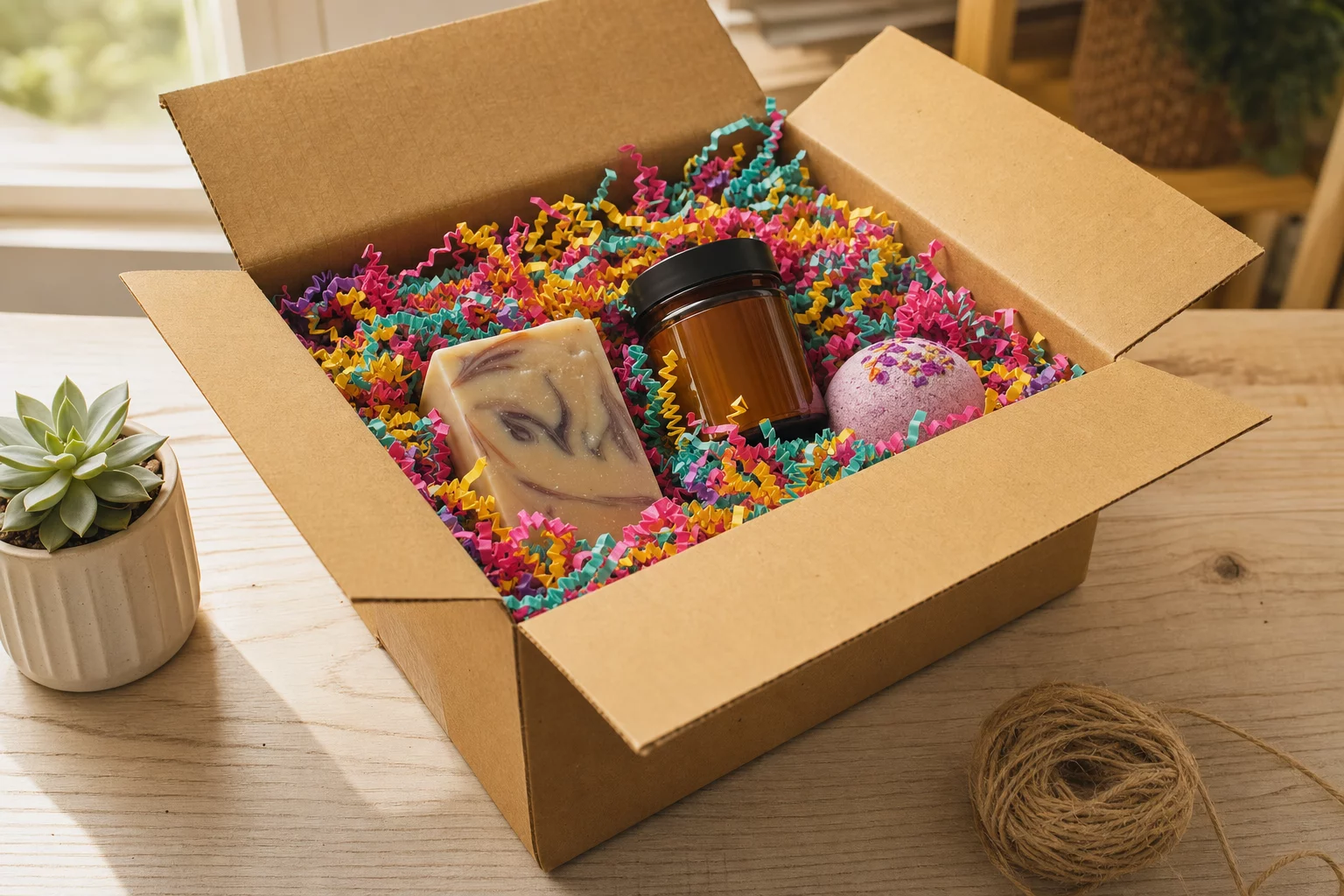
Crinkle confetti paper is a specialized decorative material characterized by its unique zigzag or accordion-fold texture, designed to add volume, cushioning, and visual appeal to packaging, gift baskets, and event decorations. Unlike flat-cut shredded paper, the crinkled structure provides superior void fill, preventing items from shifting during transit while simultaneously enhancing presentation. This material is typically made from paper, often recycled, and comes in a vast array of colors, from vibrant primary hues to subtle pastels and metallic finishes. Its primary function is to elevate the unboxing experience, offering both practical protection and an aesthetic flourish that signals care and attention to detail. For instance, a small business shipping artisanal soaps might use natural-toned crinkle paper to cushion their products, conveying an eco-friendly and handcrafted image, whereas a party planner might opt for bright, multi-colored crinkle paper to fill clear balloons, creating a festive and dynamic visual effect.
What Makes Crinkle Confetti Paper Unique for Packaging and Decor?
The distinctiveness of crinkle confetti paper lies primarily in its structural integrity and aesthetic versatility, setting it apart from other void fill options like traditional shredded paper or packing peanuts. Its accordion-like folds create a springy, resilient cushion that effectively absorbs shock and prevents items from colliding within a package. This is particularly beneficial for delicate or irregularly shaped products, where a flat material might offer insufficient support. For example, a gourmet food company packaging glass jars of preserves would find crinkle paper invaluable for securing their products, minimizing breakage during shipping. Furthermore, the crinkled texture adds a sophisticated, layered look that flat paper cannot replicate, transforming a simple box into an engaging presentation. Data from packaging industry surveys often indicates that consumers perceive products packaged with aesthetically pleasing void fill, such as crinkle paper, as higher quality and more thoughtfully presented, influencing their overall brand perception.
Beyond its protective qualities, crinkle confetti paper excels in its decorative applications, offering an unparalleled range of creative possibilities. Its ability to hold volume and maintain its shape makes it ideal for filling gift baskets, creating a lush bed for various items, or adding a festive touch to clear containers. Consider a florist assembling a Mother’s Day gift basket: they might use soft pink or lavender crinkle paper as a base, allowing small potted plants and artisanal chocolates to nestle securely and attractively. The material’s availability in virtually any color, including custom blends and metallic options, allows for precise alignment with brand aesthetics or event themes. This color versatility is a significant advantage over generic packing materials, enabling businesses and individuals to reinforce their visual identity or enhance the celebratory mood of an occasion without compromising on practical functionality.
The environmental aspect also contributes to the uniqueness of crinkle confetti paper, as many varieties are produced from recycled content and are themselves recyclable or biodegradable. This aligns with growing consumer demand for sustainable packaging solutions. A small e-commerce brand specializing in eco-friendly products, for instance, can confidently use recycled crinkle paper, knowing it reinforces their brand values and appeals to their target demographic. The manufacturing process typically involves cutting and then crimping paper sheets, which requires less energy compared to producing foam-based alternatives. This commitment to sustainability, combined with its superior cushioning and decorative appeal, positions crinkle confetti paper as a preferred choice for those seeking both practical utility and an elevated, environmentally conscious presentation.
Applications of Crinkle Confetti Paper Across Industries
The versatility of crinkle confetti paper extends its utility across a broad spectrum of industries, each leveraging its unique properties for specific benefits. In the retail sector, particularly for e-commerce and boutique shops, it serves as a crucial element in enhancing the unboxing experience. For instance, a luxury candle brand might use black or gold crinkle paper to cradle their products, instantly communicating sophistication and exclusivity. This attention to detail can significantly influence customer perception and encourage repeat purchases, as a memorable unboxing often translates to a positive brand association. Beyond aesthetics, it provides essential cushioning for fragile items like cosmetics, glassware, or electronics accessories, ensuring they arrive at their destination intact.
Event planning and floral design also heavily rely on crinkle confetti paper for its decorative and structural qualities. Wedding planners frequently incorporate it into centerpieces, gift bags for guests, or as a base for dessert displays, matching the paper’s color to the event’s theme. A common application involves using iridescent or metallic crinkle paper to add sparkle and volume to clear balloons or decorative vases, creating a dynamic visual effect that catches the light. Florists utilize it to fill gaps in gift boxes containing delicate arrangements or to provide a soft, colorful bed for potted plants, preventing movement and adding a polished finish. Its ability to maintain volume makes it superior to flat tissue paper for creating a lush, full appearance in these contexts.
Furthermore, the food and beverage industry finds practical applications for crinkle confetti paper, especially in gourmet gift baskets and specialty food packaging. Bakeries might use it to cushion delicate pastries or chocolates in presentation boxes, preventing them from shifting and maintaining their pristine appearance. Wineries or craft breweries often employ it to secure bottles in gift sets, offering both protection and an elevated presentation. The material’s food-safe properties (when specified by the manufacturer) make it suitable for direct contact with packaged food items, ensuring compliance with health and safety standards while still delivering an attractive and protective solution. This broad applicability underscores its value as a multi-functional material that addresses both practical and aesthetic needs across diverse commercial landscapes.
Choosing the Right Crinkle Confetti Paper for Your Needs
Selecting the appropriate crinkle confetti paper involves considering several key factors, including material composition, color, shred size, and environmental impact, all of which influence its suitability for specific applications. The most common material is paper, often recycled, offering a balance of cost-effectiveness and sustainability. However, specialized options like metallic-coated paper or even biodegradable plant-based fibers are available for niche requirements. For example, a company shipping high-end jewelry might opt for a metallic gold or silver crinkle paper to align with their brand’s luxurious image, whereas an organic food subscription box would likely choose natural-toned, recycled paper to reinforce its eco-conscious message.
Color and shred size play a significant role in both aesthetic appeal and functional performance. Crinkle paper comes in an extensive palette, allowing for precise brand matching or thematic coordination. A children’s toy store might use bright, multi-colored crinkle paper to evoke a sense of fun and playfulness, while a corporate gift service might prefer a more subdued, single-color option like navy or charcoal. Shred size, referring to the width of the individual paper strips, affects both cushioning capacity and visual texture. Finer shreds create a denser, more compact fill, ideal for very small or delicate items, while wider shreds offer a looser, more voluminous look, often preferred for larger gift baskets or decorative displays where maximum void fill is not the primary concern. A typical homeowner preparing a gift basket for a baby shower might choose a pastel-colored, medium-shred crinkle paper to create a soft, inviting bed for baby clothes and small toys.
Environmental considerations are increasingly important in the decision-making process. Many crinkle confetti papers are made from post-consumer recycled content and are themselves recyclable or compostable, aligning with sustainable business practices and consumer preferences. When choosing, it’s advisable to check for certifications or labels indicating recycled content percentage or biodegradability. This not only supports environmental stewardship but also enhances brand reputation, particularly for businesses targeting eco-conscious consumers. Understanding these variables allows for an informed choice that optimizes both the practical utility and the visual impact of crinkle confetti paper, ensuring it effectively meets the specific demands of packaging, presentation, or decoration.
The manufacturing process for crinkle confetti paper typically involves several stages, beginning with the sourcing of paper stock, often from recycled materials. This raw paper is then fed into specialized machinery that first cuts it into narrow strips. Following the cutting, these strips undergo a crimping or pleating process, where rollers or blades create the distinctive zigzag folds. This mechanical process is crucial for achieving the material’s characteristic volume and cushioning properties. For instance, a paper mill specializing in decorative fills might process tons of post-consumer waste paper daily, transforming it into various colors and textures of crinkle paper. Quality control checks are performed throughout the process to ensure consistent shred size, color vibrancy, and structural integrity, guaranteeing that the final product meets the high standards required for both protective packaging and aesthetic applications. This efficient production method, often utilizing sustainable practices, contributes to the material’s widespread availability and appeal across diverse markets.
Maximizing Impact with Thoughtful Crinkle Confetti Paper Choices
Beyond the basic selection criteria, understanding how to strategically deploy crinkle confetti paper can significantly enhance its impact, transforming a simple filler into a powerful communication tool. Consider the interplay of color psychology and brand messaging. A brand focused on luxury and sophistication might consistently use deep jewel tones or metallic crinkle paper, reinforcing its high-end image. Conversely, a children’s brand could leverage bright, primary colors to convey playfulness and energy. Data from consumer behavior studies often indicates that visual cues, such as packaging aesthetics, can influence purchasing decisions by up to 70%, highlighting the importance of deliberate choices. For example, a small online bakery selling artisanal cookies might choose a pastel pink crinkle paper for Valentine’s Day orders, creating an immediate emotional connection with the recipient and enhancing the perceived value of the gift. This thoughtful integration of color and texture elevates the unboxing experience from merely functional to genuinely memorable.
The strategic use of crinkle confetti paper also extends to seasonal and thematic applications, allowing businesses and individuals to adapt their presentation for specific occasions without overhauling their entire packaging strategy. During the holiday season, for instance, a gift shop might switch from their standard neutral-toned crinkle paper to festive reds, greens, or silvers, instantly imbuing their packages with a celebratory spirit. Similarly, for a baby shower, soft blues, pinks, or yellows can create a gentle and welcoming aesthetic. This adaptability is a key advantage, offering flexibility and freshness in presentation. A corporate gifting service, for example, might maintain a core brand color for most of the year but introduce a limited-edition gold or silver crinkle paper for year-end client appreciation gifts, adding a touch of prestige and exclusivity. This dynamic approach ensures that packaging remains relevant and engaging, reflecting current trends or specific event requirements while maintaining brand consistency where it matters most.
Furthermore, the combination of crinkle confetti paper with other packaging elements can create a multi-sensory experience that deepens customer engagement. Pairing it with custom tissue paper, branded ribbons, or even scented inserts can elevate the overall presentation. Imagine a spa product company using natural-toned crinkle paper alongside lavender-scented tissue paper and a small sprig of dried botanicals; this creates a cohesive and immersive unboxing that appeals to sight, touch, and smell, reinforcing the brand’s commitment to relaxation and well-being. This layered approach not only enhances aesthetic appeal but also communicates a higher level of care and attention to detail, which can significantly impact customer loyalty. A recent survey by the Packaging Association of America found that 61% of consumers are more likely to repeat a purchase from a brand that uses premium or thoughtful packaging, underscoring the tangible return on investment for such strategic choices.
Elevating Every Unboxing Experience
The journey of crinkle confetti paper from a simple void filler to a sophisticated design element highlights its multifaceted value. Its unique texture, combined with an expansive color palette and sustainable attributes, positions it as an indispensable material for anyone looking to enhance presentation while providing practical protection. Whether for a small artisanal business, a large e-commerce retailer, or an individual crafting a special gift, the thoughtful selection and application of crinkle paper can transform an ordinary package into an extraordinary experience. It’s a testament to how seemingly minor details can profoundly impact perception and satisfaction, making every unboxing an event to remember.
Bottom Line: Crinkle confetti paper is a versatile material offering superior cushioning and aesthetic appeal for packaging and decor, distinguished by its unique zigzag texture, wide color range, and often eco-friendly composition, making it ideal for enhancing presentation and protecting contents across various industries.
Frequently Asked Questions
Is crinkle confetti paper recyclable?
Many varieties of crinkle confetti paper are made from recycled content and are themselves recyclable or compostable. It is best to check the product’s specific labeling or manufacturer’s information to confirm its environmental disposal guidelines.
How does crinkle paper protect items during shipping?
The accordion-like folds of crinkle paper create a springy, resilient cushion that absorbs shock and prevents items from shifting or colliding within a package. This structure provides superior void fill compared to flat shredded paper, securing delicate or irregularly shaped products.
Can crinkle confetti paper be used with food items?
Yes, certain types of crinkle confetti paper are manufactured to be food-safe, making them suitable for direct contact with packaged food items in gift baskets or presentation boxes. Always verify that the specific product is certified food-safe by the manufacturer before use.
What is the difference between crinkle paper and shredded paper?
Crinkle paper features a distinct zigzag or accordion-fold texture, which provides superior volume, cushioning, and shock absorption. Shredded paper, in contrast, is typically flat-cut strips, offering less resilience and void fill compared to its crinkled counterpart.