Answer
Pink confetti paper is a versatile decorative element, typically made from thin, lightweight paper or metallic foil, cut into small shapes like circles, squares, or stars, and primarily used for celebratory events. Its primary function is to add a festive, visually appealing burst of color…
TL;DR
- Pink confetti paper comes in various forms, each suited for specific applications and aesthetic preferences.
- The effective use of pink confetti paper goes beyond simply tossing it into the air; strategic application can significantly enhance its visual impact and align with event themes.
- While the visual appeal of pink confetti paper is undeniable, practical considerations regarding cleanup and environmental impact are crucial for responsible event planning.
- Pink confetti paper, in its myriad forms, offers a simple yet profound way to elevate any celebration, transforming ordinary moments into extraordinary memories.
- Yes, but it depends on the type.
Pink Confetti Paper
Pink confetti paper is a versatile decorative element, typically made from thin, lightweight paper or metallic foil, cut into small shapes like circles, squares, or stars, and primarily used for celebratory events. Its primary function is to add a festive, visually appealing burst of color and texture to occasions such as birthday parties, baby showers, gender reveals, weddings, and anniversaries. The material’s light weight allows it to float gracefully when tossed, creating a dynamic and joyful atmosphere. While often associated with single-use decorative applications, its composition can vary, influencing its environmental impact and ease of cleanup. Understanding the different types and their appropriate uses ensures both maximum visual effect and practical consideration for event planning.
What Are the Different Types of Pink Confetti Paper?
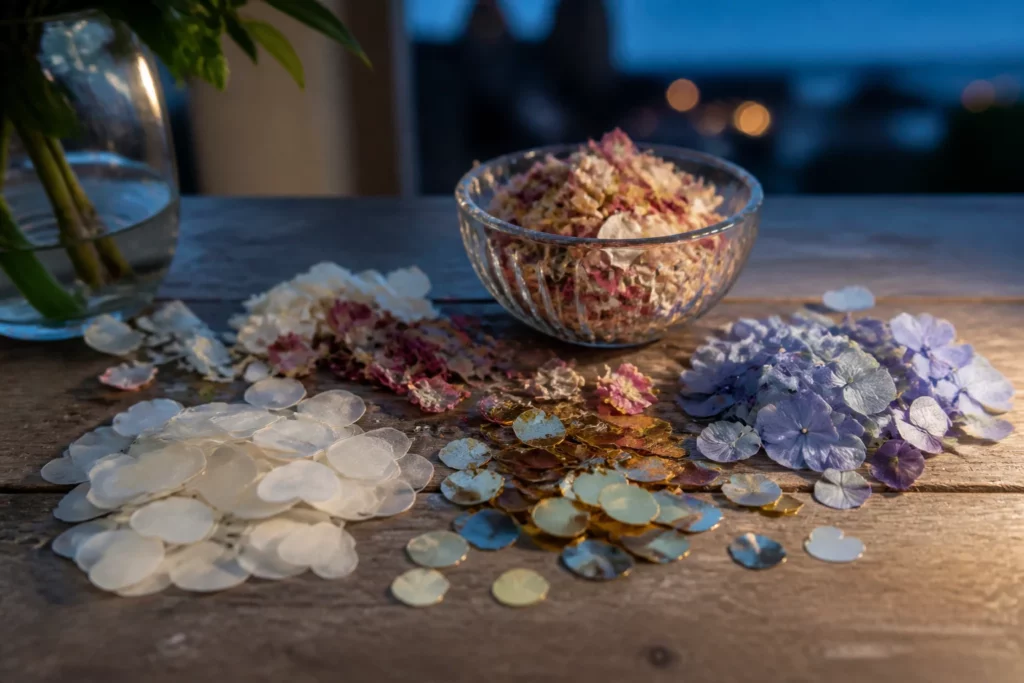
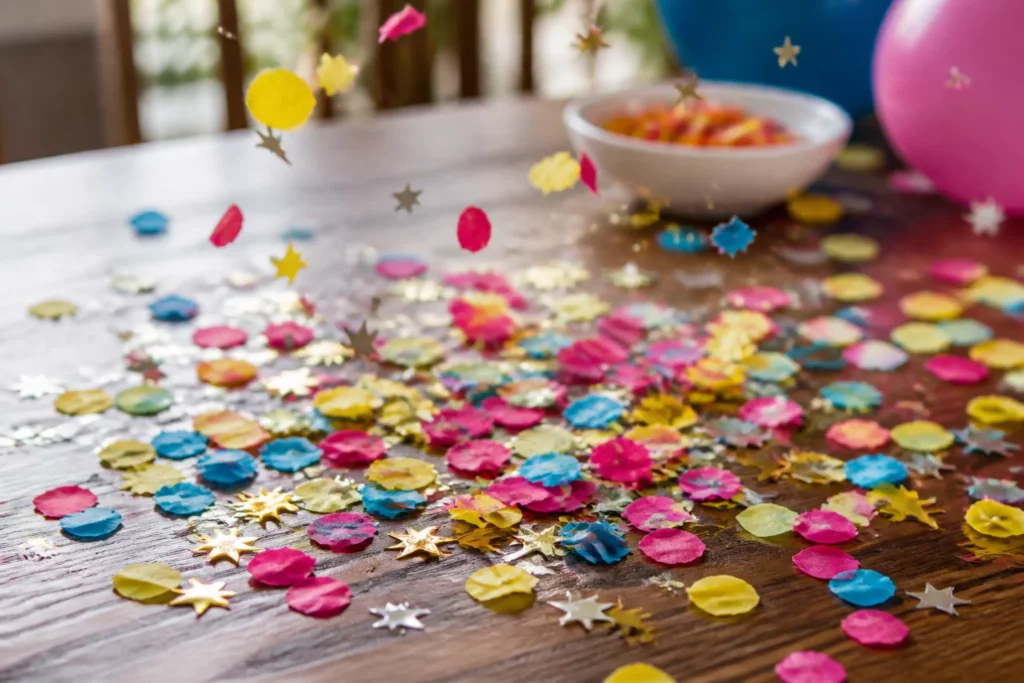
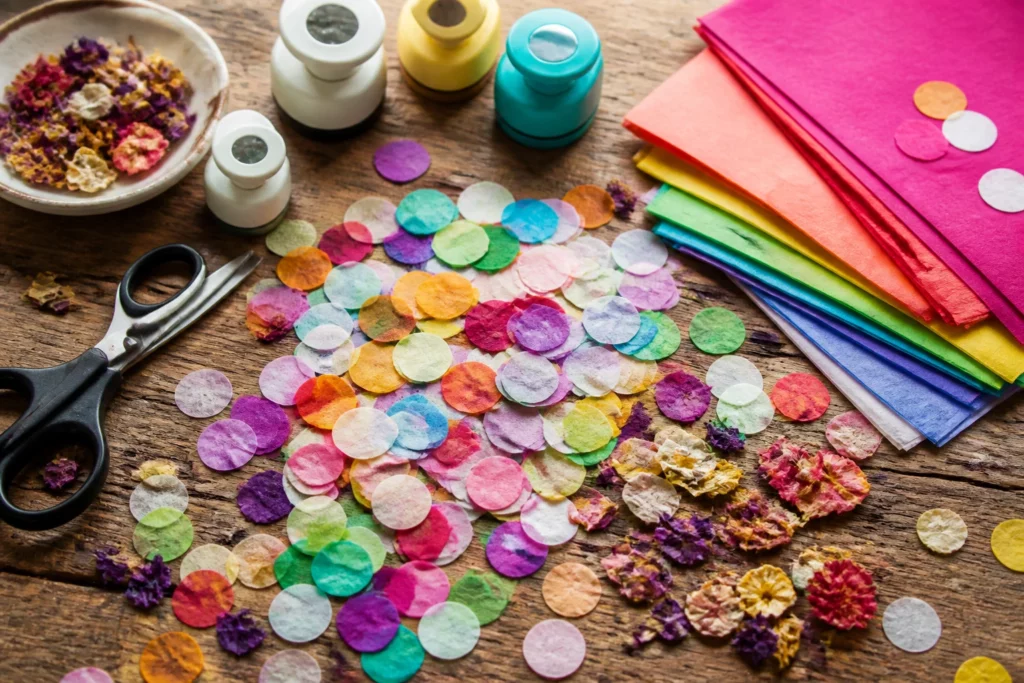
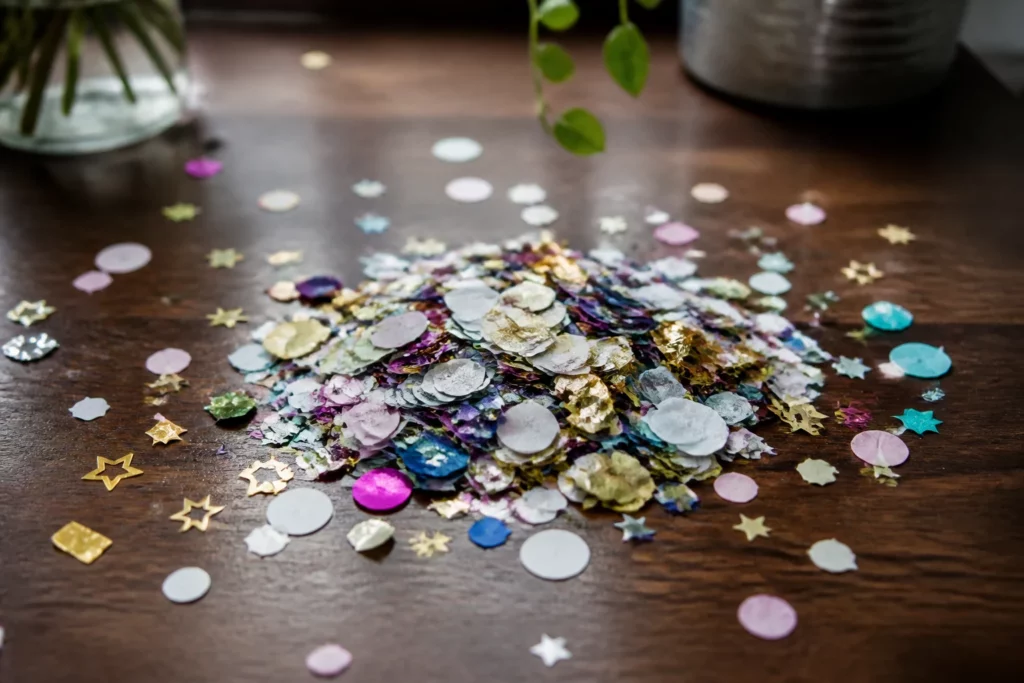
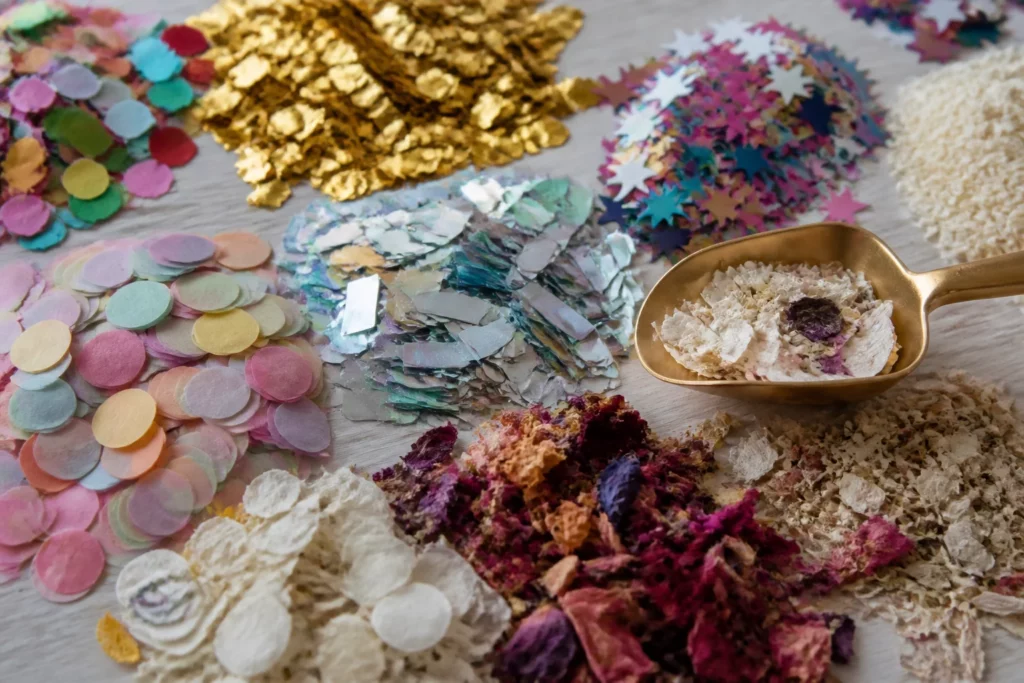
Pink confetti paper comes in various forms, each suited for specific applications and aesthetic preferences. The most common type is traditional paper confetti, often made from tissue paper or thin cardstock. This variant is biodegradable, making it a popular choice for outdoor events where environmental impact is a concern. For instance, many eco-conscious wedding planners opt for tissue paper confetti for send-offs, knowing it will naturally decompose. Another popular type is metallic foil confetti, which offers a shimmering, reflective quality that enhances visual spectacle, particularly under bright lights or camera flashes. This type is frequently seen at New Year’s Eve celebrations or glamorous parties, providing a dazzling effect as it catches the light. A third category includes specialty shapes, such as hearts, stars, or even custom-cut designs, which add a personalized touch to events like themed birthdays or corporate functions. For example, a baby shower might feature tiny pink stroller-shaped confetti, adding a unique detail that aligns with the event’s theme. Each type offers distinct advantages in terms of visual impact, material composition, and cleanup considerations, influencing its suitability for different celebratory contexts.
Beyond material and shape, the size of pink confetti paper also plays a significant role in its overall effect and application. Larger pieces, typically ranging from 1 to 2 inches, tend to float more slowly and are easier to clean up, making them ideal for indoor events or situations where a more controlled distribution is desired. For example, a corporate event might use larger, branded confetti to ensure easy collection and minimal disruption. Conversely, smaller confetti, often less than half an inch, creates a denser, more cloud-like effect when released, perfect for dramatic photo opportunities or large-scale celebrations where maximum visual impact is paramount. Consider a stadium-wide celebration where thousands of tiny pieces create a breathtaking cascade. Furthermore, some confetti is designed with specific coatings or treatments, such as flame-retardant options for venues with strict safety regulations, or water-soluble varieties that dissolve upon contact with moisture, simplifying cleanup for outdoor use. The choice between these variations depends heavily on the specific event requirements, including venue, desired aesthetic, and practical considerations like cleanup and safety. Industry data suggests that over 60% of event planners prioritize ease of cleanup when selecting confetti for large gatherings, highlighting the practical importance of these material and size distinctions.
The manufacturing process for pink confetti paper also contributes to its characteristics and quality. High-quality confetti is typically die-cut, ensuring uniform shapes and clean edges, which enhances its aesthetic appeal and prevents pieces from sticking together. This precision is crucial for confetti cannons, where consistent airflow is needed for an even distribution. Lower-quality confetti, often machine-shredded, may have irregular shapes and frayed edges, which can affect its float time and overall visual presentation. For instance, a professional event decorator would likely choose die-cut confetti for a high-profile client to ensure a polished look. Additionally, the dyes used to achieve the vibrant pink hue can vary. Environmentally friendly, non-toxic dyes are increasingly preferred, especially for products used around children or in outdoor settings where runoff might occur. A reputable manufacturer will often provide certifications for their dyes, ensuring they meet safety and environmental standards. For example, many European manufacturers adhere to strict REACH regulations for chemical use. Understanding these production nuances helps consumers make informed choices, balancing visual impact with safety and environmental responsibility, particularly when planning events that involve a diverse audience or sensitive locations.
How to Use Pink Confetti Paper Effectively
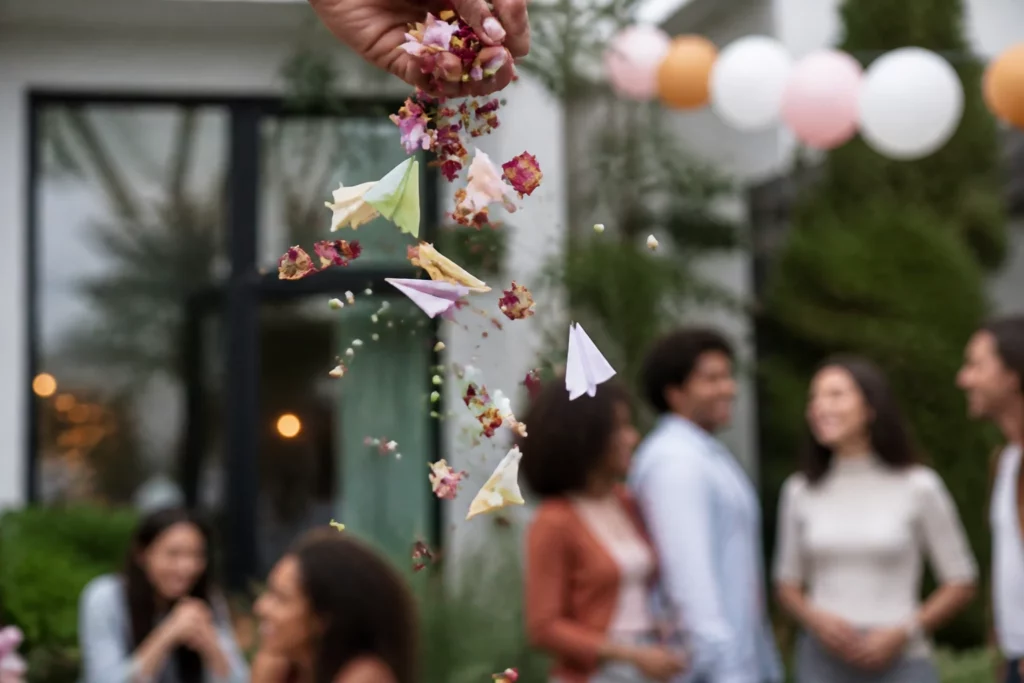
The effective use of pink confetti paper goes beyond simply tossing it into the air; strategic application can significantly enhance its visual impact and align with event themes. One common method is manual distribution, where guests or event staff scatter confetti by hand. This approach is ideal for intimate gatherings or specific moments, such as a grand entrance or a cake cutting, allowing for controlled placement and a personalized touch. For example, at a small baby shower, guests might sprinkle heart-shaped pink confetti over the gift table as a decorative accent, creating a delicate and charming display.
For larger-scale effects or dramatic reveals, specialized equipment like confetti cannons or blowers are often employed. Confetti cannons, which use compressed air or CO2 cartridges, can launch confetti dozens of feet into the air, creating a spectacular burst that is perfect for grand finales, sporting events, or concert celebrations. Imagine a gender reveal party where a cannon unleashes a vibrant cloud of pink confetti, signaling the arrival of a baby girl to a cheering crowd. Confetti blowers, on the other hand, provide a continuous stream of confetti, ideal for creating a sustained snowfall effect over a longer period, often seen at parades or large festivals. These tools ensure a wide and even distribution, maximizing the visual spectacle and creating memorable photo opportunities.
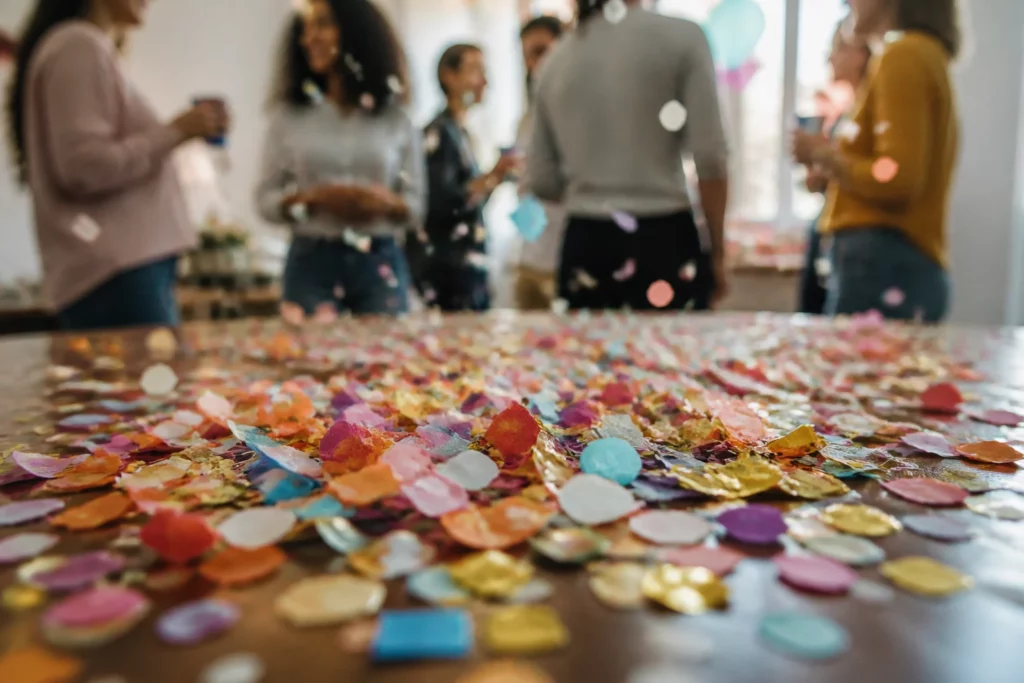
Beyond active distribution, pink confetti paper can also serve as a static decorative element. It is frequently used as table scatter, adding a festive touch to dining surfaces, dessert bars, or guest sign-in tables. A typical scenario might involve a wedding reception where metallic pink confetti is sprinkled around floral centerpieces, catching the light and adding sparkle to the decor. Confetti can also be incorporated into transparent balloons, creating a whimsical effect when the balloons are popped, or used as filler for clear gift boxes and invitations, providing a delightful surprise. The versatility of pink confetti paper allows for creative integration into various aspects of event design, transforming ordinary spaces into vibrant, celebratory environments.
Cleanup and Environmental Considerations for
While the visual appeal of pink confetti paper is undeniable, practical considerations regarding cleanup and environmental impact are crucial for responsible event planning. The ease of cleanup largely depends on the type, size, and quantity of confetti used, as well as the event venue. Larger pieces of confetti, particularly those made from paper or cardstock, are generally easier to collect manually or with standard cleaning equipment like vacuums or brooms. For indoor events, a thorough sweep and vacuuming are usually sufficient to remove most confetti, especially on hard surfaces. However, smaller, lighter pieces, particularly metallic foil confetti, can cling to fabrics, carpets, and even static-charged surfaces, requiring more meticulous effort.
For outdoor events, environmental impact becomes a primary concern. Biodegradable options, such as tissue paper or water-soluble confetti, are highly recommended to minimize ecological footprints. Tissue paper confetti will naturally break down over time, especially when exposed to moisture and sunlight, making it a preferred choice for garden parties, beach weddings, or park celebrations. Water-soluble confetti offers an even more convenient solution, dissolving completely upon contact with water, which can be particularly advantageous in areas where manual cleanup is challenging or impractical, such as near bodies of water or in large open fields. Many event organizers for outdoor festivals now exclusively mandate the use of biodegradable confetti to comply with local environmental regulations.
When non-biodegradable confetti, such as metallic foil, is used outdoors, a comprehensive cleanup plan is essential. This often involves deploying dedicated cleanup crews immediately after the event to collect every piece, preventing it from entering waterways or natural habitats. Some venues have strict policies against non-biodegradable confetti due to the potential for litter and harm to wildlife. For instance, many national parks and protected areas prohibit any non-natural materials, including confetti, to preserve their ecosystems. Event planners often factor in the cost of specialized cleanup services when opting for metallic confetti in outdoor settings, ensuring compliance and environmental responsibility. Understanding these distinctions allows for informed choices that balance celebratory aesthetics with ecological stewardship.
The choice between these options often hinges on the specific event’s scale, location, and the organizer’s commitment to sustainability. For instance, a large-scale music festival held in a natural reserve would almost certainly opt for water-soluble confetti, not only to comply with environmental regulations but also to align with the festival’s green initiatives, demonstrating a commitment to preserving the natural beauty of the venue. Conversely, an indoor corporate gala might prioritize the dazzling effect of metallic confetti, knowing that the controlled environment allows for a thorough and efficient cleanup by professional staff. Industry trends indicate a growing preference for eco-friendly confetti, with sales of biodegradable options increasing by an estimated 25% over the past five years, reflecting a broader shift towards sustainable event practices. This evolving landscape underscores the importance of considering both the immediate visual impact and the long-term environmental implications when selecting pink confetti paper for any celebration.
Embracing the Joyful Potential of
Pink confetti paper, in its myriad forms, offers a simple yet profound way to elevate any celebration, transforming ordinary moments into extraordinary memories. Its versatility, ranging from delicate tissue paper to shimmering metallic foil, and from tiny specks to large, impactful shapes, ensures there’s a perfect option for every occasion and aesthetic. Whether it’s the gentle cascade of biodegradable confetti at an outdoor wedding, symbolizing new beginnings, or the explosive burst of metallic confetti at a vibrant birthday bash, signaling pure exhilaration, the visual language of pink confetti is universally understood as one of joy and festivity. The careful consideration of its type, size, and distribution method allows event planners and individuals alike to craft bespoke experiences that resonate with their specific themes and desired atmospheres. This attention to detail not only maximizes the visual spectacle but also ensures that practical aspects, such as cleanup and environmental responsibility, are seamlessly integrated into the celebratory design.
Looking ahead, the innovation in pink confetti paper continues to evolve, driven by both aesthetic demands and environmental consciousness. Manufacturers are exploring new plant-based materials, advanced water-soluble formulations, and even edible options, pushing the boundaries of what confetti can be. Imagine a future where confetti not only adds visual delight but also contributes to soil enrichment or provides a harmless treat for wildlife. These advancements promise to make pink confetti an even more sustainable and versatile tool for celebration, further cementing its role as an indispensable element in event planning. As consumers become more environmentally aware, the demand for such innovative, eco-friendly solutions will undoubtedly grow, shaping the future of celebratory decor. This ongoing evolution ensures that pink confetti paper will remain a beloved and relevant component of festivities for years to come, continually adapting to meet the changing needs and values of a global audience.
Bottom Line: Pink confetti paper is a versatile celebratory element, available in various types, sizes, and materials, each offering distinct visual effects and cleanup considerations, making informed selection crucial for effective and responsible event planning.
Frequently Asked Questions
Is pink confetti paper safe for outdoor use?
Yes, but it depends on the type. Biodegradable options like tissue paper or water-soluble confetti are safe for outdoor use as they decompose naturally or dissolve, minimizing environmental impact. Metallic foil confetti is generally not recommended outdoors due to cleanup challenges and potential harm to wildlife.
How do confetti cannons work?
Confetti cannons typically use compressed air or a small CO2 cartridge to propel confetti high into the air. They are designed for single, dramatic bursts and are often used for grand reveals or climactic moments at events, creating a spectacular visual effect.
Can pink confetti paper be reused?
Generally, confetti paper is designed for single use due to its delicate nature and the effort required for collection and storage. While larger, sturdier pieces might theoretically be reused, it’s often impractical, and the visual effect is best achieved with fresh, untangled confetti.
What are the best ways to clean up confetti?
For indoor events, a vacuum cleaner is effective for most confetti, especially larger pieces. For outdoor events, biodegradable confetti will break down naturally. For non-biodegradable outdoor confetti, manual collection by dedicated cleanup crews is essential to prevent environmental litter.