AnswerCreating your own
diy confetti ideas offers a personalized and cost-effective way to add festive flair to any celebration, from birthdays and weddings to graduations and holiday parties. You can easily craft unique confetti using readily available materials such as paper, leaves, fabric scraps, and…
TL;DR
- When embarking on DIY confetti ideas, the choice of material significantly impacts the final look, feel, and environmental footprint of your festive toss.
- Once you've selected your materials, the next step in your DIY confetti journey involves choosing the right tools and techniques to transform them into festive pieces.
- Beyond the traditional toss, DIY confetti offers a myriad of creative applications to elevate your event's decor and guest experience.
- To truly elevate your event with DIY confetti, consider how to maximize its visual and interactive impact.
- Embracing DIY confetti ideas allows you to infuse your celebrations with unparalleled personal charm and creativity.
DIY Confetti Ideas
Creating your own DIY confetti ideas offers a personalized and cost-effective way to add festive flair to any celebration, from birthdays and weddings to graduations and holiday parties. You can easily craft unique confetti using readily available materials such as paper, leaves, fabric scraps, and even edible items, customizing colors, shapes, and textures to perfectly match your event’s theme. The process typically involves simple tools like scissors, paper punches, or shredders, making it an accessible project for all skill levels. For instance, a typical birthday party might benefit from bright, multi-colored paper confetti, while an eco-conscious wedding could feature biodegradable leaf confetti. The key is to select materials that are safe for your venue and guests, considering both aesthetic appeal and environmental impact, especially if the confetti will be used outdoors. As of 2024, the trend leans towards sustainable and unique options, moving beyond traditional plastic confetti.
What Materials Work Best for DIY Confetti? DIY confetti ideas
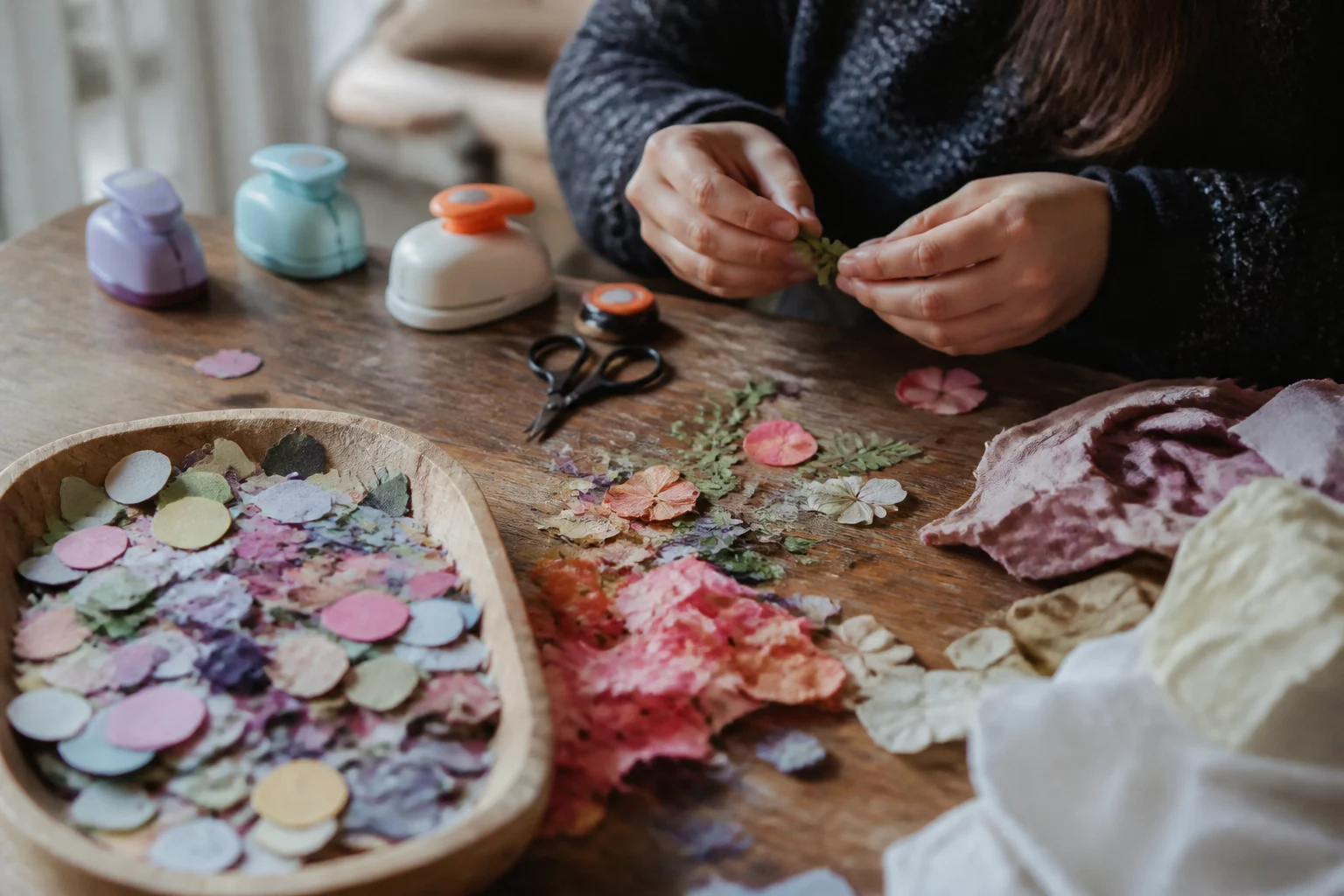
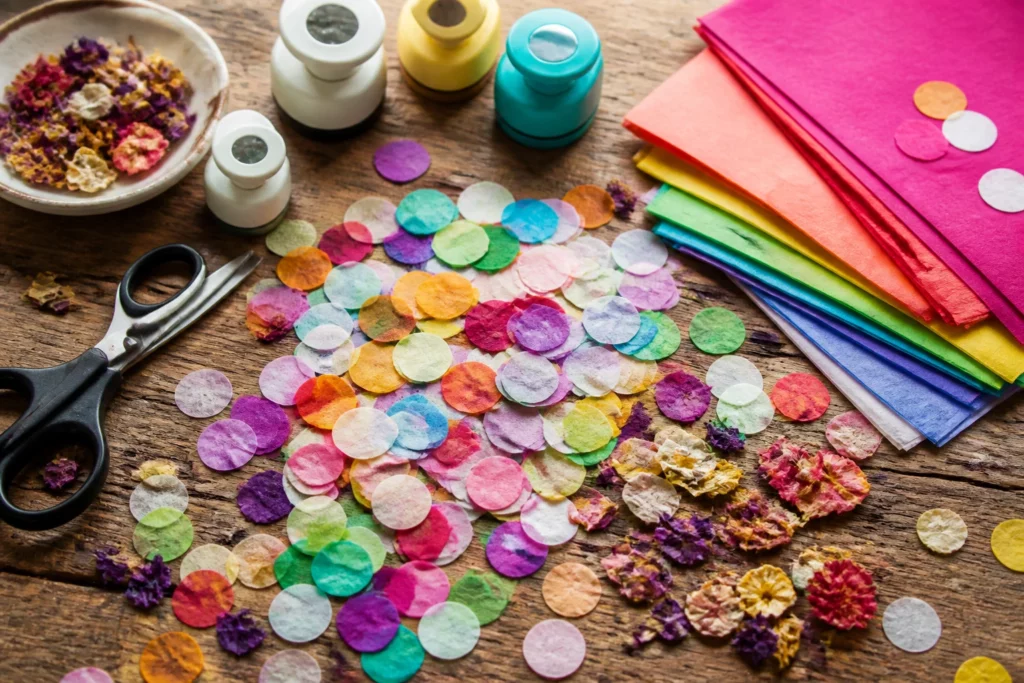
When embarking on DIY confetti ideas, the choice of material significantly impacts the final look, feel, and environmental footprint of your festive toss. Paper is perhaps the most common and versatile option, ranging from colorful construction paper and cardstock to recycled magazines, old maps, or even sheet music. For a vibrant effect, consider using tissue paper, which is lightweight and floats beautifully, creating a whimsical cascade. A typical 8.5×11 inch sheet of standard printer paper can yield hundreds of small confetti pieces, making it an economical choice. Beyond paper, natural elements like dried leaves, flower petals, or even small seeds offer a biodegradable and eco-friendly alternative, particularly suitable for outdoor events where cleanup might be challenging. For example, a fall-themed gathering could feature confetti made from autumn leaves punched into various shapes, providing a rustic and natural aesthetic that aligns with the season.
Fabric scraps also present an excellent opportunity for unique DIY confetti ideas, especially if you have remnants from sewing projects or old clothing. Materials like tulle, lace, or lightweight cotton can be cut into tiny squares, circles, or irregular shapes. Fabric confetti tends to fall slower than paper, creating a more dramatic and lingering effect. This option is particularly popular for baby showers or bridal events, where soft textures and pastel colors are often desired. For instance, a baby shower might use confetti made from pastel-colored flannel or soft cotton, cut into tiny onesies or star shapes. While fabric confetti requires a bit more effort to cut, its reusability and distinct texture can make it a worthwhile endeavor. In our experience, a small bag of fabric scraps, often available for a few dollars at craft stores, can produce enough confetti for a medium-sized event, offering both creativity and value.
For those looking for truly unique and even edible DIY confetti ideas, food-grade options can add an unexpected and delightful touch. Small sprinkles, edible glitter, or even tiny pieces of dried fruit can serve as confetti, especially for dessert tables or intimate gatherings. Imagine a child’s birthday party where the confetti is made from colorful breakfast cereal pieces, safe for little hands and even safer for accidental ingestion. Another creative option involves using a paper punch on thin, edible wafer paper, which can be flavored or colored. While edible confetti requires careful consideration of allergies and freshness, it offers a memorable and interactive element. For example, a wedding cake cutting ceremony could be enhanced with a light sprinkle of edible gold glitter or tiny sugar pearls, adding sparkle without the need for cleanup. This approach, while less common, highlights the boundless creativity possible with DIY confetti projects.
Tools and Techniques for Crafting Confetti
Once you’ve selected your materials, the next step in your DIY confetti journey involves choosing the right tools and techniques to transform them into festive pieces. The simplicity of the process is one of its main appeals, often requiring nothing more than basic household items. For paper-based confetti, a standard pair of sharp scissors can be used to cut strips or small squares, offering a rustic, hand-cut aesthetic. However, for greater efficiency and uniformity, paper punches are invaluable. These come in a vast array of shapes, from classic circles and stars to more intricate designs like hearts, butterflies, or even tiny musical notes, allowing for endless customization. A typical 1-inch circle punch can quickly produce hundreds of confetti pieces from a single sheet of paper, making large batches manageable.
For those aiming for a more professional or high-volume output, a paper shredder can be repurposed to create uniform strips of confetti, particularly effective with recycled paper or old documents. While shredders typically produce rectangular strips, some models offer cross-cut capabilities that result in smaller, more varied shapes. When working with natural materials like leaves or flower petals, small craft punches are ideal for creating clean, consistent shapes without tearing delicate edges. For instance, a leaf punch can transform autumn leaves into perfectly shaped mini leaves, enhancing a nature-themed event. Fabric scraps, due to their varying textures and thicknesses, often require sharp fabric scissors or rotary cutters for precise cuts. For very small or intricate fabric shapes, a die-cutting machine can be a significant time-saver, especially if you’re producing confetti for multiple events or a large gathering.
Creative Ways to Use DIY Confetti
Beyond the traditional toss, DIY confetti offers a myriad of creative applications to elevate your event’s decor and guest experience. One popular method is to incorporate confetti into invitations or greeting cards, adding a delightful surprise when opened. A small pinch of confetti tucked inside a wedding invitation, for example, can set a joyful tone before the event even begins. For table decorations, confetti can be scattered lightly across tabletops as a festive runner, or placed inside clear balloons for a whimsical effect. Imagine a baby shower where clear balloons filled with pastel fabric confetti adorn the room, creating a soft and celebratory atmosphere.
Confetti can also be used to fill small sachets or cones, which guests can then use for a grand toss during a celebratory moment, such as a wedding recessional or a graduation cap toss. This provides a controlled and organized way to distribute confetti, ensuring everyone participates in the fun. For a unique photo booth prop, confetti can be gently tossed into the air as guests pose, creating dynamic and memorable pictures. Furthermore, DIY confetti can be integrated into craft projects for children’s parties, allowing kids to decorate frames, cards, or even small canvases with colorful pieces. For instance, at a birthday party, children could use glue to create confetti collages, turning the confetti into an interactive activity rather than just a decorative element. The versatility of DIY confetti extends far beyond a simple toss, offering numerous opportunities to infuse personality and charm into any occasion.
The versatility of DIY confetti extends far beyond a simple toss, offering numerous opportunities to infuse personality and charm into any occasion.
Maximizing the Impact of Your DIY Confetti Creations
To truly elevate your event with DIY confetti, consider how to maximize its visual and interactive impact. One effective strategy is to coordinate your confetti’s colors and shapes with your event’s overall theme. For a summer garden party, for instance, you might opt for confetti made from pressed flower petals or green leaf shapes, creating a cohesive natural aesthetic. Conversely, a New Year’s Eve celebration could benefit from metallic paper confetti in gold, silver, and black, reflecting the festive and glamorous atmosphere. As of 2024, many event planners are focusing on immersive experiences, and confetti can play a significant role in this by engaging multiple senses. For example, scented confetti, made from dried herbs or potpourri, can add an aromatic dimension to your celebration, enhancing the ambiance beyond just visual appeal. This thoughtful approach ensures that your confetti isn’t just a decorative afterthought but an integral part of the event’s sensory experience.
Another way to enhance the impact of your DIY confetti is through creative presentation and distribution methods. Instead of simply scattering it, consider packaging confetti in small, personalized envelopes or clear cellophane bags for guests to take home as favors. This transforms the confetti from a fleeting moment of joy into a lasting memento. For a more dramatic effect, confetti cannons or poppers, which can be easily filled with your homemade creations, provide a sudden burst of color and excitement. These are particularly popular for grand reveals or celebratory climaxes, such as announcing a gender reveal or the cutting of a wedding cake. In our experience, a well-timed confetti burst can generate significant guest engagement and create stunning photo opportunities. For example, a typical graduation ceremony might feature custom-colored confetti launched as diplomas are awarded, creating a memorable visual spectacle that reinforces the celebratory mood. The key is to think beyond static decoration and consider how confetti can be actively integrated into the event’s flow.
Finally, consider the environmental implications of your confetti choices, especially if your event is outdoors. While biodegradable options like leaves and flower petals are ideal for open-air venues, even paper confetti can be managed responsibly. If using paper, opt for recycled or sustainably sourced paper, and consider designating specific areas for confetti use to facilitate easier cleanup. Many venues, particularly those with strict environmental policies, appreciate efforts to minimize waste. For example, a beach wedding might explicitly request only natural, water-soluble confetti to protect marine life. According to a 2023 survey on event sustainability trends, over 60% of event organizers prioritize eco-friendly materials, highlighting a growing awareness of environmental impact. By choosing materials wisely and planning for cleanup, your DIY confetti can be both beautiful and responsible, aligning with modern sustainability practices.
Planning for a Memorable Confetti Moment
To ensure your DIY confetti contributes to a truly memorable event, a bit of planning goes a long way. First, determine the quantity of confetti you’ll need. A general rule of thumb for a confetti toss is about one to two handfuls per guest, but this can vary based on the desired effect. For table scattering, a small bag can cover a significant area. Consider the size of your venue and the number of attendees; a large outdoor space will require more confetti for a noticeable impact than an intimate indoor gathering. For instance, a wedding with 100 guests planning a grand exit toss might need approximately 200-300 handfuls of confetti, which translates to a substantial amount of material. Preparing your confetti in advance, perhaps a week or two before the event, allows ample time for cutting, punching, and sorting, reducing last-minute stress. This foresight ensures that when the moment arrives, your confetti is ready to create a spectacular display.
Crafting Joyful Moments with Your Own Hands
Embracing DIY confetti ideas allows you to infuse your celebrations with unparalleled personal charm and creativity. From selecting sustainable materials to mastering various cutting techniques and discovering innovative ways to deploy your creations, the journey of making your own confetti is as rewarding as the festive outcome. It’s an opportunity to tailor every detail to your unique vision, ensuring that each sprinkle and shower of confetti tells a story and adds a distinctive touch to your special occasions. The satisfaction of seeing your handmade confetti bring smiles and capture beautiful memories is truly immeasurable, making the effort worthwhile for any event, big or small.
Bottom Line: DIY confetti offers a personalized, cost-effective, and eco-friendly way to enhance any celebration using readily available materials and simple tools, allowing for endless customization in color, shape, and texture to match any event theme.
Frequently Asked Questions
What are the most eco-friendly materials for DIY confetti?
The most eco-friendly materials for DIY confetti include dried leaves, flower petals, and biodegradable paper. These options naturally decompose, making them ideal for outdoor events where cleanup might be challenging or for venues with strict environmental policies.
Can I make confetti from fabric scraps?
Yes, fabric scraps like tulle, lace, or lightweight cotton are excellent for DIY confetti. They create a unique texture and fall slower than paper, offering a more dramatic visual effect. Fabric confetti is also reusable and can be cut into various shapes using sharp scissors or a die-cutting machine.
What tools are best for cutting DIY confetti?
For paper, standard paper punches in various shapes (circles, stars, hearts) are highly efficient. A paper shredder can create uniform strips. For natural materials like leaves, small craft punches work well. Fabric scraps often require sharp fabric scissors or a rotary cutter for precise cuts.