AnswerTo
choose confetti colors effectively, consider the event's theme, existing decor, and the desired mood or emotional impact. For formal events like weddings, classic choices often include white, ivory, gold, or silver, which evoke elegance and tradition.
TL;DR
- Several critical factors should guide your decision when you choose confetti colors for any event, ensuring the final effect is both stunning and appropriate.
- For weddings, classic choices include white, ivory, gold, or silver to evoke elegance and tradition.
- To choose confetti colors effectively, consider the event's theme, existing decor, and the desired mood or emotional impact.
- For formal events like weddings, classic choices often include white, ivory, gold, or silver, which evoke elegance and tradition.
- Children's parties benefit from vibrant, multi-colored mixes that convey joy and playfulness.
How To Choose Confetti Colors?
To choose confetti colors effectively, consider the event’s theme, existing decor, and the desired mood or emotional impact. For formal events like weddings, classic choices often include white, ivory, gold, or silver, which evoke elegance and tradition. Children’s parties benefit from vibrant, multi-colored mixes that convey joy and playfulness. Corporate events might align with brand colors for a cohesive look, while seasonal celebrations, such as a New Year’s Eve party, could feature metallic golds and silvers, or a Halloween gathering might use oranges, blacks, and purples. The key is to ensure the confetti complements rather than clashes with the overall aesthetic, enhancing the visual experience without overwhelming it. Think about the lighting conditions where the confetti will be used; metallics shimmer under direct light, while matte colors offer a softer, more diffused effect. Ultimately, the best approach to choose confetti colors involves harmonizing them with the event’s core identity and the specific atmosphere you aim to create.
What Factors Influence Your Choice of Confetti Colors? choose confetti colors
Several critical factors should guide your decision when you choose confetti colors for any event, ensuring the final effect is both stunning and appropriate. The primary consideration is the event’s theme or purpose. For instance, a baby shower typically leans towards pastels like light blue, pink, or yellow, symbolizing new beginnings and innocence. In contrast, a milestone birthday celebration for an adult might incorporate bolder, more sophisticated hues such as deep reds, royal blues, or even a monochromatic scheme of black and white for a chic, modern feel. The existing decor and venue also play a significant role; if the space already features strong color accents, your confetti choices should either complement those colors or provide a deliberate contrast that enhances the visual appeal. For example, a venue with exposed brick and industrial elements might benefit from metallic confetti to add a touch of glamour, while a garden party would be better served by natural, biodegradable confetti in earthy tones or bright floral shades. According to industry norms as of 2024, custom color mixes are increasingly popular, with over 60% of event planners opting for bespoke combinations to perfectly match their clients’ unique visions.
The desired mood or emotional impact is another crucial element when you choose confetti colors. Colors have a profound psychological effect, and leveraging this can significantly elevate the event experience. Bright, warm colors like red, orange, and yellow often evoke feelings of energy, excitement, and happiness, making them ideal for high-energy celebrations like dance parties or sporting events. Cooler tones such as blue, green, and purple tend to create a more serene, sophisticated, or even mysterious ambiance, suitable for elegant galas, art exhibitions, or intimate gatherings. Consider a scenario where a couple is celebrating their silver wedding anniversary; choosing silver and white confetti would not only align with the traditional gift but also convey a sense of enduring elegance and purity. Conversely, a vibrant mix of fuchsia, teal, and lime green would be perfect for a lively summer festival, instantly communicating fun and exuberance. Understanding these color associations allows you to intentionally craft the emotional landscape of your event through your confetti selections.
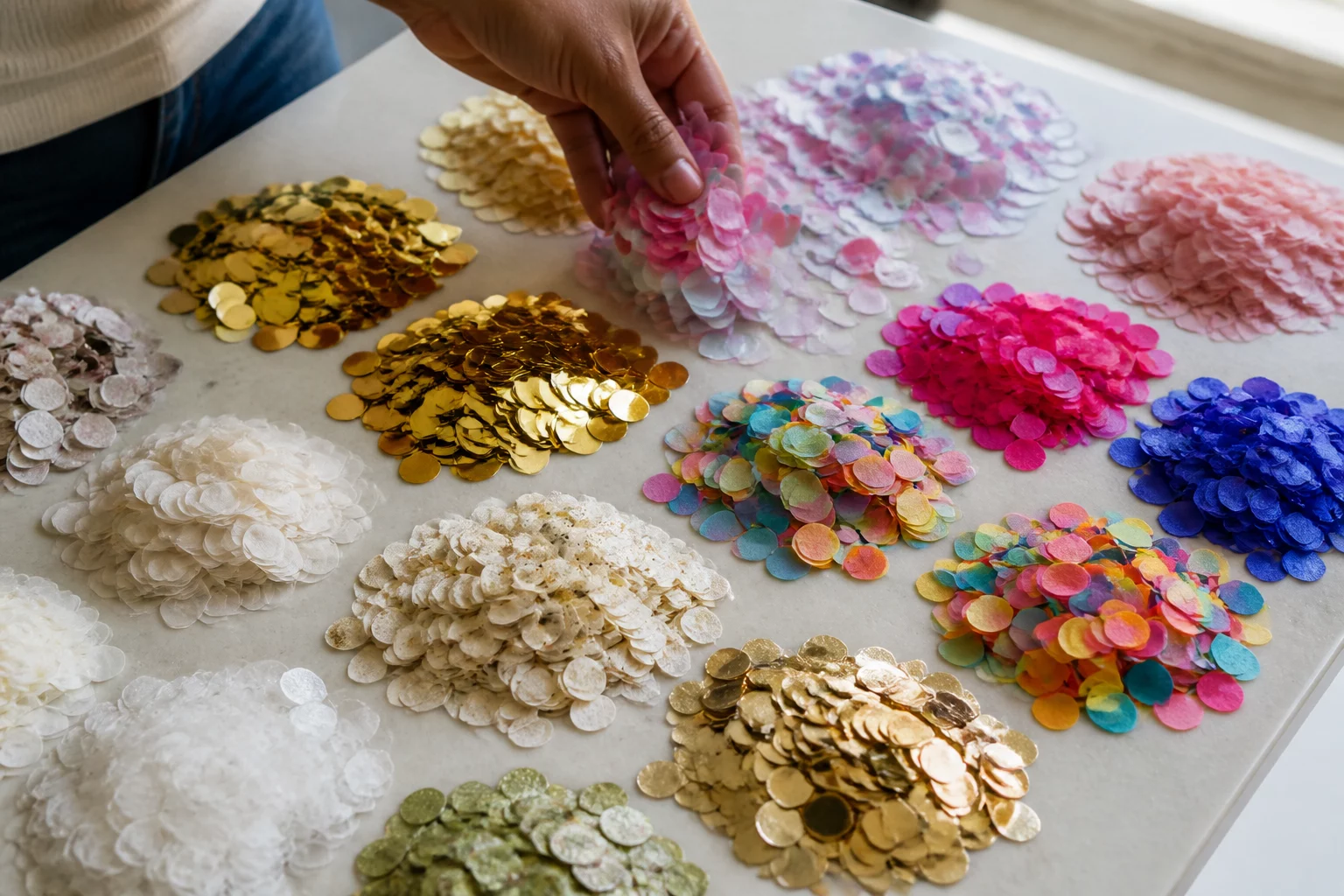
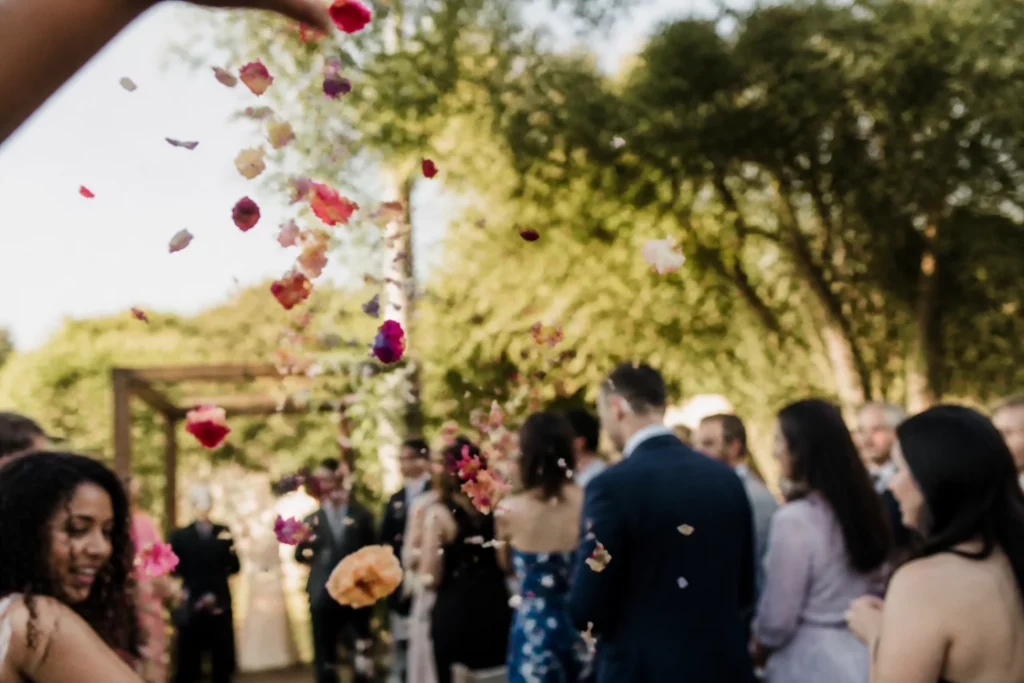
Practical considerations, such as the type of confetti material and its environmental impact, also influence how to choose confetti colors. Confetti is available in various materials, including paper, metallic foil, and biodegradable options made from rice paper or dried petals. Paper confetti offers a wide spectrum of matte colors and is generally more affordable, making it a versatile choice for many events. Metallic confetti, often made from PVC or Mylar, provides a dazzling shimmer and is excellent for creating a dramatic, celebratory effect, particularly under spotlights or camera flashes. However, metallic confetti is not biodegradable and requires careful cleanup. For outdoor events or those with an eco-conscious focus, biodegradable confetti is the preferred option, as it naturally breaks down without harming the environment. While the color palette for biodegradable options might be slightly more limited compared to paper or metallic, advancements in manufacturing mean that a respectable range of vibrant and subtle shades are available as of 2024. For example, a beach wedding would greatly benefit from biodegradable confetti in shades of blue, green, and sand, ensuring the celebration leaves no lasting trace on the natural surroundings.
Considering Lighting and Venue Acoustics
The interplay of lighting and the venue’s acoustics can significantly impact how confetti colors are perceived and experienced. Bright, direct lighting, such as spotlights or strong natural sunlight, will make metallic confetti sparkle intensely, creating a dynamic and highly visible effect. This is particularly effective for grand entrances, stage performances, or photo opportunities where a dazzling visual is desired. Conversely, in dimly lit environments, matte paper confetti in lighter shades can appear softer and more ethereal, contributing to a romantic or mysterious ambiance. For instance, a nighttime outdoor event with string lights might benefit from white or pastel paper confetti, which catches the ambient glow without being overly reflective.
Beyond visual impact, the acoustics of a venue can also subtly influence the choice of confetti. While not directly related to color, the sound of confetti falling can add to the overall sensory experience. Larger, heavier metallic confetti can produce a more distinct rustling sound as it descends, contributing to a sense of grandeur. Lighter paper confetti, especially smaller cuts, falls more silently, allowing other auditory elements of the event, such as music or speeches, to remain prominent. When planning for a concert hall or a venue with sensitive acoustics, opting for quieter, lighter confetti materials might be a thoughtful consideration to maintain the desired soundscape.
Seasonal and Cultural Relevance
Aligning confetti colors with seasonal changes or cultural traditions adds another layer of thoughtfulness to your event planning. Each season brings its own palette and mood. Spring events often call for fresh, vibrant colors like greens, yellows, and light blues, reflecting renewal and growth. Summer celebrations, on the other hand, can embrace bolder, sun-drenched hues such as fuchsia, turquoise, and orange, evoking warmth and energy. Autumn events lend themselves to rich, earthy tones like deep reds, burnt oranges, and golden yellows, mirroring the changing foliage. Winter gatherings frequently feature cool blues, silvers, and whites, reminiscent of snow and ice, or traditional reds and greens for holiday festivities.
Cultural events and holidays also offer clear guidance for confetti color selection. For example, a Diwali celebration might incorporate gold, orange, and red to symbolize prosperity and light, while a Chinese New Year event would prominently feature red and gold for good fortune and happiness. St. Patrick’s Day is synonymous with green, and Mardi Gras is characterized by purple, green, and gold. Understanding these cultural associations ensures that your confetti choices are not only aesthetically pleasing but also respectful and meaningful to the occasion. This careful consideration demonstrates a deeper understanding of the event’s significance, enhancing the overall experience for attendees.
The interplay of lighting and the venue’s acoustics can significantly impact how confetti colors are perceived and experienced. Bright, direct lighting, such as spotlights or strong natural sunlight, will make metallic confetti sparkle intensely, creating a dynamic and highly visible effect. This is particularly effective for grand entrances, stage performances, or photo opportunities where a dazzling visual is desired. Conversely, in dimly lit environments, matte paper confetti in lighter shades can appear softer and more ethereal, contributing to a romantic or mysterious ambiance. For instance, a nighttime outdoor event with string lights might benefit from white or pastel paper confetti, which catches the ambient glow without being overly reflective.
Beyond visual impact, the acoustics of a venue can also subtly influence the choice of confetti. While not directly related to color, the sound of confetti falling can add to the overall sensory experience. Larger, heavier metallic confetti can produce a more distinct rustling sound as it descends, contributing to a sense of grandeur. Lighter paper confetti, especially smaller cuts, falls more silently, allowing other auditory elements of the event, such as music or speeches, to remain prominent. When planning for a concert hall or a venue with sensitive acoustics, opting for quieter, lighter confetti materials might be a thoughtful consideration to maintain the desired soundscape.
Seasonal and Cultural Relevance
Aligning confetti colors with seasonal changes or cultural traditions adds another layer of thoughtfulness to your event planning. Each season brings its own palette and mood. Spring events often call for fresh, vibrant colors like greens, yellows, and light blues, reflecting renewal and growth. Summer celebrations, on the other hand, can embrace bolder, sun-drenched hues such as fuchsia, turquoise, and orange, evoking warmth and energy. Autumn events lend themselves to rich, earthy tones like deep reds, burnt oranges, and golden yellows, mirroring the changing foliage. Winter gatherings frequently feature cool blues, silvers, and whites, reminiscent of snow and ice, or traditional reds and greens for holiday festivities.
Cultural events and holidays also offer clear guidance for confetti color selection. For example, a Diwali celebration might incorporate gold, orange, and red to symbolize prosperity and light, while a Chinese New Year event would prominently feature red and gold for good fortune and happiness. St. Patrick’s Day is synonymous with green, and Mardi Gras is characterized by purple, green, and gold. Understanding these cultural associations ensures that your confetti choices are not only aesthetically pleasing but also respectful and meaningful to the occasion. This careful consideration demonstrates a deeper understanding of the event’s significance, enhancing the overall experience for attendees.
Crafting Unforgettable Moments with Color
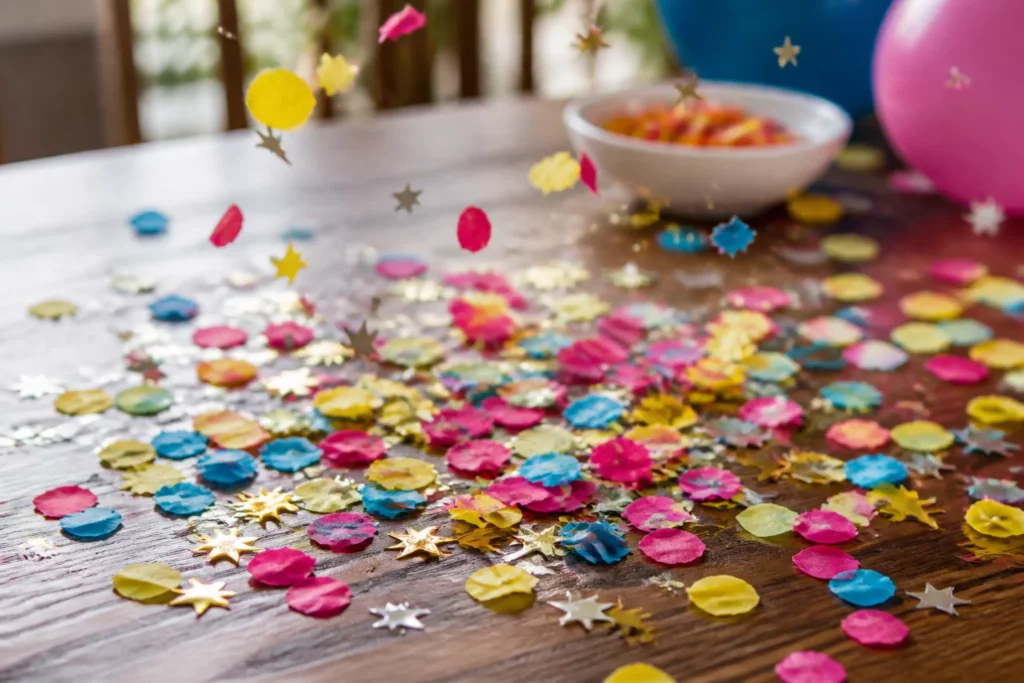
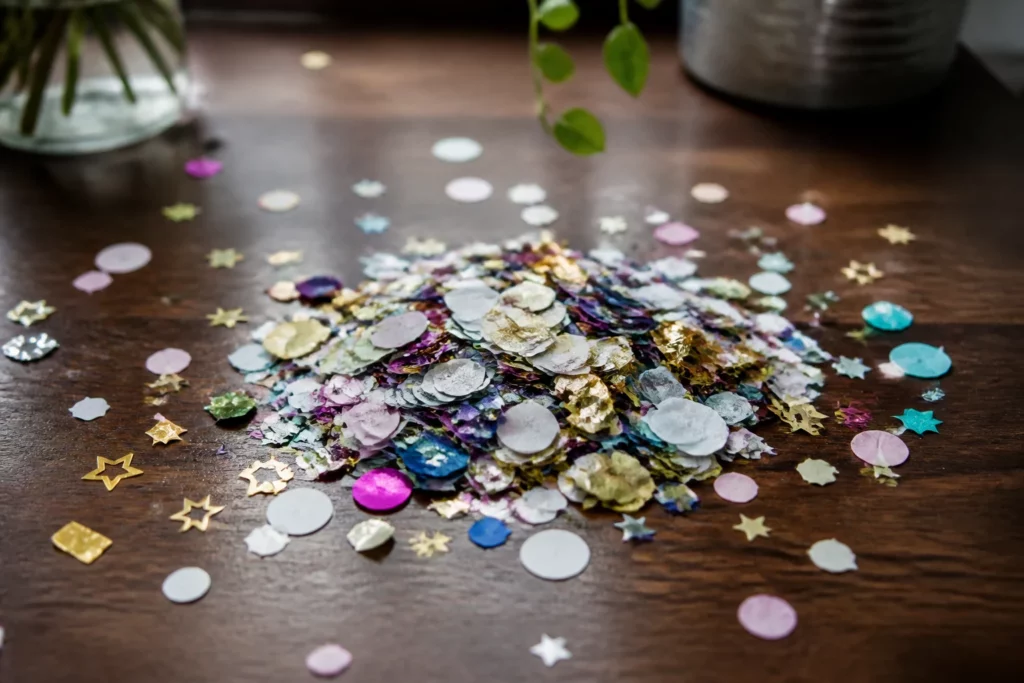
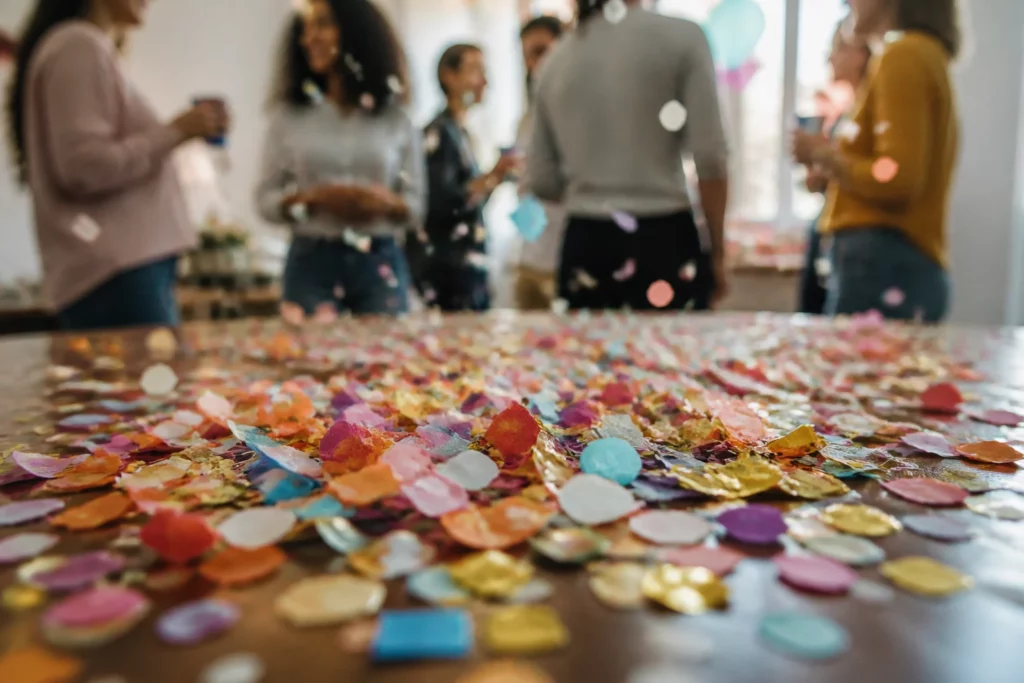
To truly elevate an event, consider how different confetti colors can be layered or mixed to create unique visual narratives. Instead of a single color, a thoughtful blend can add depth and complexity. For example, a graduation ceremony might use the school’s primary color mixed with gold or silver to signify achievement and prestige. For a gender reveal party, a mix of pink and blue confetti, released simultaneously, creates a moment of suspense and excitement before the reveal. The strategic combination of colors can also be used to transition between different moods within a single event, perhaps starting with softer tones for a cocktail hour and shifting to brighter, more energetic hues for the main celebration. According to event design trends in 2024, multi-textured confetti mixes, combining matte paper with metallic elements, are gaining popularity for their ability to create dynamic visual effects that engage the eye.
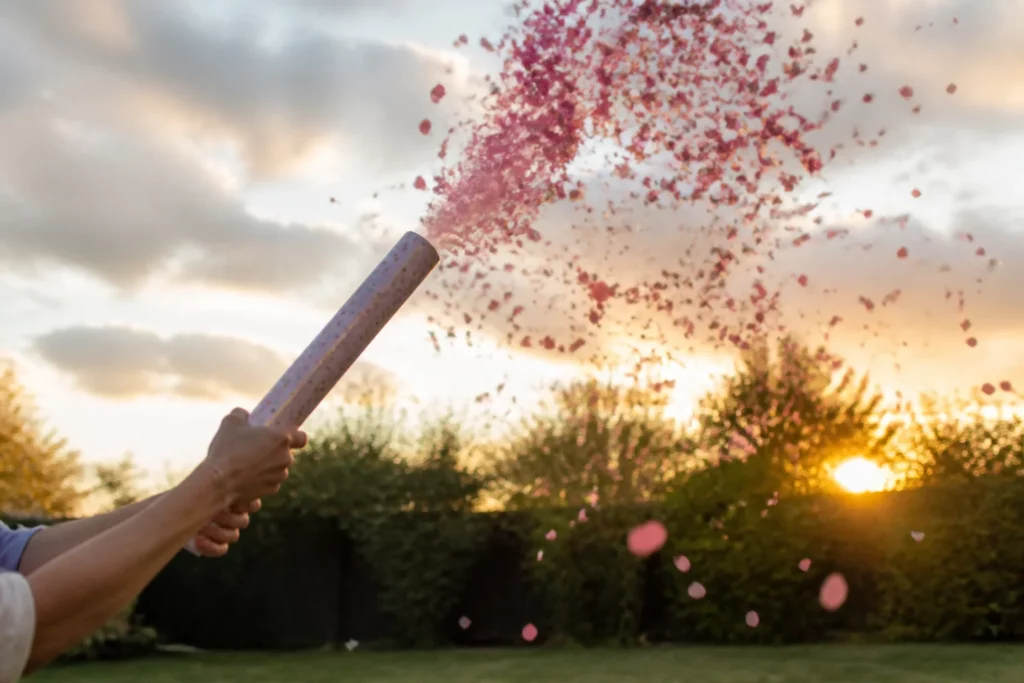
The size and shape of confetti pieces also play a role in how colors are perceived. Larger, bolder shapes like circles or squares in vibrant colors will make a more immediate and impactful statement, ideal for high-energy moments. Smaller, more delicate shapes, such as tiny hearts or stars, in softer colors can create a whimsical or romantic atmosphere. For instance, a proposal might feature small, shimmering gold heart confetti to symbolize love and preciousness. The way confetti falls and disperses is also influenced by its shape and weight, affecting the overall visual duration and spread of the chosen colors. A slow, gentle descent of lightweight, pastel confetti can create a dreamy, lingering effect, while a rapid burst of metallic streamers in bold colors delivers an instant, exhilarating visual punch.
Your Next Steps for Perfect Confetti Choices
When planning your next event, begin by defining its core purpose and the atmosphere you wish to cultivate. Gather inspiration from your existing decor, venue, and any specific themes or cultural elements. Experiment with color palettes, considering how different shades interact and the emotional responses they evoke. Don’t forget to factor in practical aspects like lighting and the desired cleanup effort. By systematically evaluating these elements, you can confidently select confetti colors that not only look beautiful but also deeply resonate with the spirit of your celebration.
Bottom Line: Choosing confetti colors effectively involves harmonizing them with the event’s theme, existing decor, desired mood, and practical considerations like material and lighting, ensuring a cohesive and impactful visual experience.
Frequently Asked Questions
What confetti colors are best for a wedding?
For weddings, classic choices include white, ivory, gold, or silver to evoke elegance and tradition. You can also incorporate colors from the wedding’s specific palette to ensure cohesion with the overall decor and theme, enhancing the romantic atmosphere.
Should confetti colors match the event’s brand?
Yes, for corporate events or brand activations, aligning confetti colors with brand colors creates a cohesive and professional look. This reinforces brand identity and ensures the visual elements of the event are consistent with the company’s image.
Absolutely. Biodegradable confetti, made from materials like rice paper or dried petals, is an excellent eco-conscious choice. While the color range might be slightly less extensive than traditional options, many vibrant and subtle shades are available that break down naturally.