AnswerEco-Friendly Confetti Options: Biodegradable vs. Standard for Outdoor Reveals
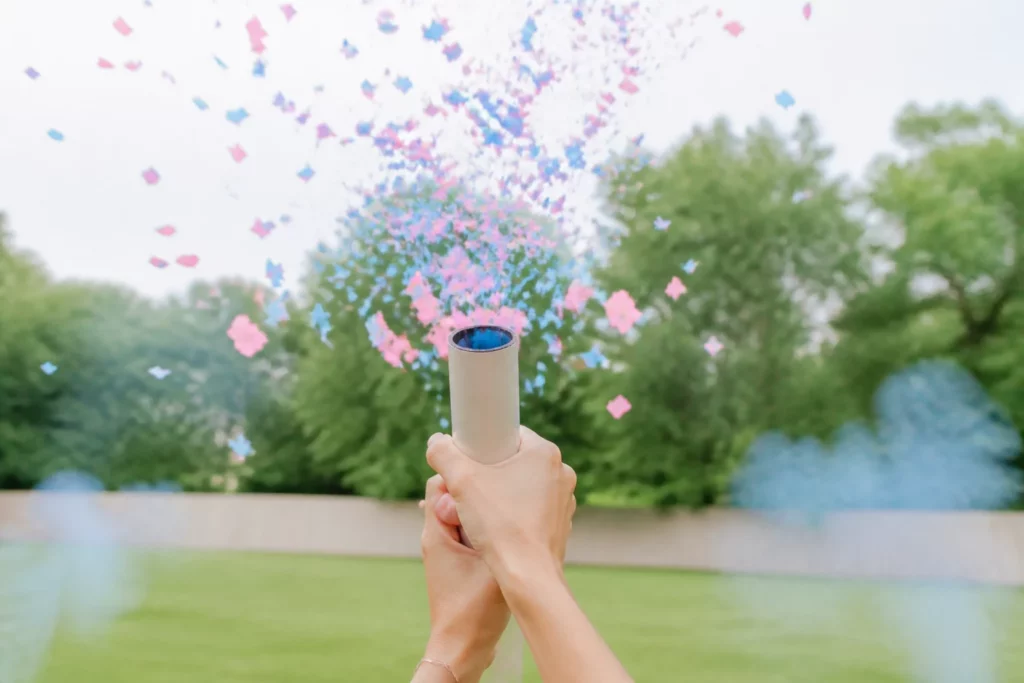
When planning an outdoor reveal, especially for a gender reveal, choosing between biodegradable and standard confetti for your
confetti cannon for gender reveal is crucial for environmental responsibility.
TL;DR
- Eco-Friendly Confetti Options: Biodegradable vs.
- Standard for Outdoor Reveals
When planning an outdoor reveal, especially for a gender reveal, choosing between biodegradable and standard confetti for your confetti cannon for gender reveal is crucial for environmental responsibility.
- Biodegradable confetti, typically made from rice paper, tissue paper, or water-soluble starch, breaks down naturally within days or weeks, leaving no lasting ecological footprint.
- In contrast, standard confetti, often made from PVC or metallic foils, can persist in the environment for years, posing risks to wildlife and contributing to litter.
- For outdoor events, particularly near natural areas or waterways, biodegradable options are overwhelmingly recommended to ensure a celebration that is both memorable and environmentally conscious.
Eco-Friendly Confetti Options: Biodegradable vs. Standard for Outdoor Reveals
When planning an outdoor reveal, especially for a gender reveal, choosing between biodegradable and standard confetti for your confetti cannon for gender reveal is crucial for environmental responsibility. Biodegradable confetti, typically made from rice paper, tissue paper, or water-soluble starch, breaks down naturally within days or weeks, leaving no lasting ecological footprint. In contrast, standard confetti, often made from PVC or metallic foils, can persist in the environment for years, posing risks to wildlife and contributing to litter. For outdoor events, particularly near natural areas or waterways, biodegradable options are overwhelmingly recommended to ensure a celebration that is both memorable and environmentally conscious. This choice aligns with growing awareness about sustainable practices and helps maintain the beauty of our shared outdoor spaces.
Understanding Biodegradable Materials
The composition of biodegradable confetti is key to its environmental benefits. Rice paper, a common material, is incredibly lightweight and dissolves rapidly upon contact with water, making it ideal for events where quick disappearance is desired, such as near lakes or rivers. Tissue paper, another popular choice, is typically made from wood pulp and, when untreated with non-biodegradable coatings, breaks down effectively in soil through microbial action. These materials are often dyed with food-grade colorants, ensuring that no harmful chemicals leach into the environment as they decompose. The natural breakdown process returns these organic materials to the earth, enriching the soil rather than polluting it.
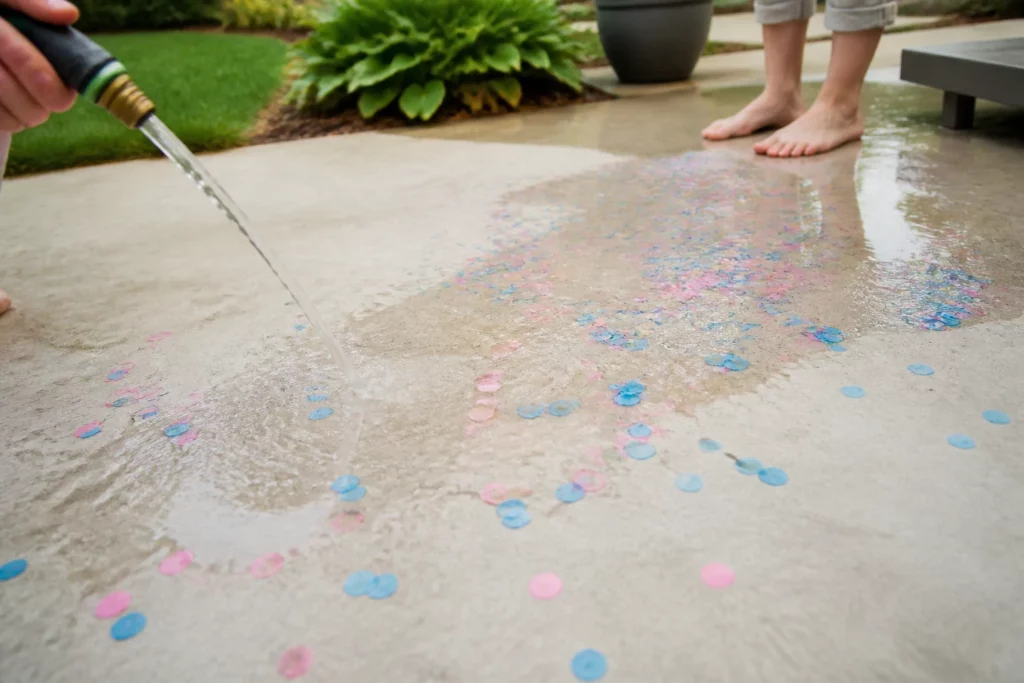
Water-soluble starch confetti offers another excellent option, particularly for situations where a very rapid disappearance is paramount. This type of confetti is designed to dissolve almost instantly when wet, leaving virtually no trace. Imagine a garden party where a sudden rain shower occurs; starch-based confetti would simply melt away, preventing any cleanup effort. This contrasts sharply with plastic confetti, which would remain scattered and require manual collection. The innovation in biodegradable materials continues to evolve, with manufacturers exploring new plant-based polymers that offer similar performance to traditional plastics but with complete biodegradability.
“Choosing biodegradable confetti isn’t just about avoiding litter; it’s about actively supporting ecosystems by ensuring that what goes up, comes down and returns to nature harmlessly.”
Impact of Standard Confetti on Ecosystems
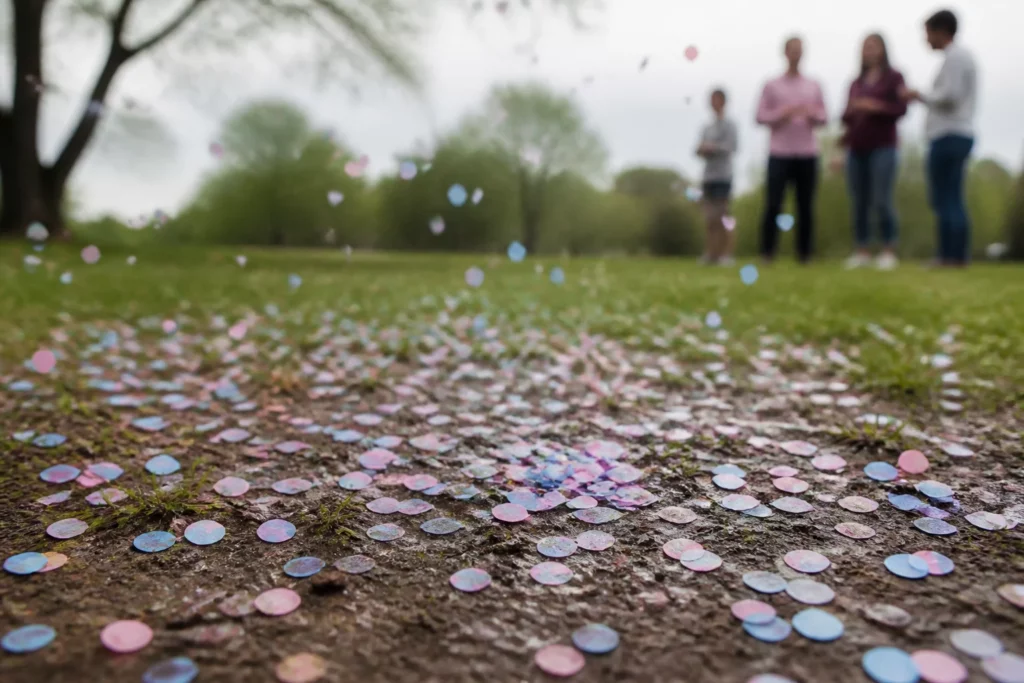
The environmental consequences of standard confetti, particularly those made from PVC or metallic foils, are far-reaching and often underestimated. PVC (polyvinyl chloride) is a type of plastic that does not biodegrade; instead, it slowly breaks down into microplastics, which can persist in the environment for hundreds of years. These microplastics are easily ingested by wildlife, from birds to marine life, leading to internal injuries, blockages, and starvation. A study conducted near a popular outdoor event venue found significant concentrations of microplastic confetti fragments in the soil and nearby water bodies months after events, highlighting the long-term persistence of these materials.
Metallic foil confetti, while visually striking, presents similar challenges. These foils are typically made from a thin layer of metal (often aluminum) bonded to plastic, rendering them non-biodegradable. When scattered outdoors, they can reflect sunlight, potentially confusing wildlife, and their sharp edges can pose physical hazards. Furthermore, the metallic components can leach heavy metals into the soil and water over time, contaminating ecosystems. Consider a scenario where a large quantity of metallic confetti is released near a bird sanctuary; the shiny pieces could attract curious birds, leading to ingestion and potential harm. The cumulative effect of numerous events using standard confetti can significantly degrade natural habitats, impacting biodiversity and ecological balance.
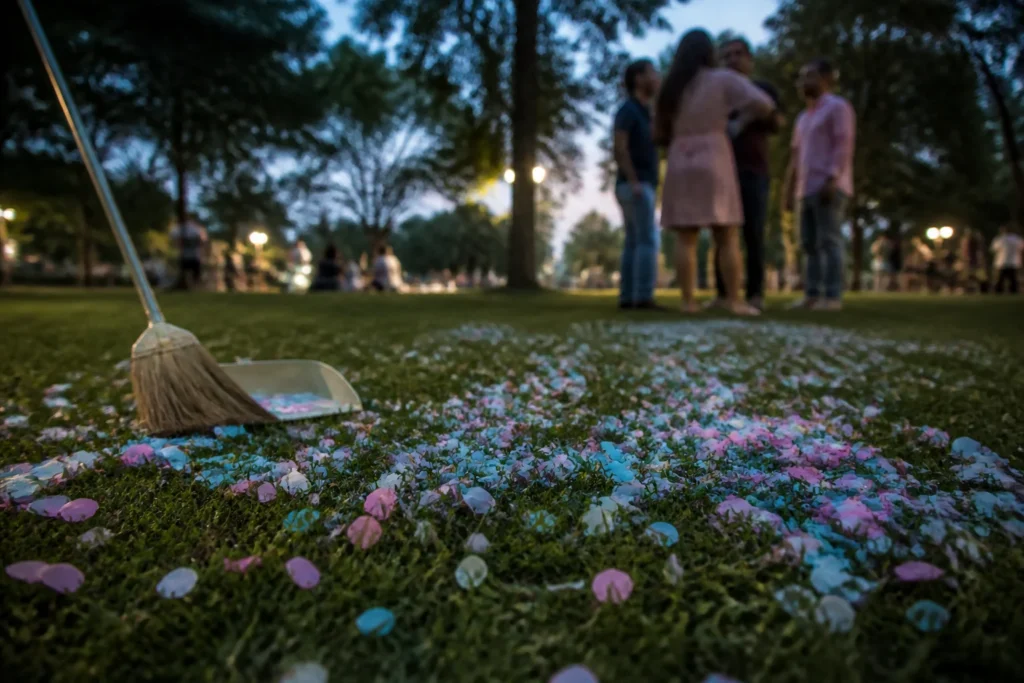
A mini case study from a coastal town in California illustrates this point vividly. After a series of beachside celebrations using standard confetti, local conservation groups reported an increase in plastic debris washing ashore, including countless confetti pieces. Volunteers spent hundreds of hours in cleanup efforts, yet the tiny fragments proved impossible to fully remove, embedding themselves in the sand and entering the ocean currents, posing a continuous threat to marine life.
The long-term implications extend beyond visible litter. Microplastics from standard confetti can infiltrate soil, altering its composition and affecting microbial communities essential for plant growth. This can lead to reduced soil fertility and impact agricultural yields or natural vegetation. For instance, a study in agricultural fields adjacent to a festival ground noted a measurable decrease in crop vitality in areas with higher concentrations of plastic confetti fragments, suggesting a direct link between plastic pollution and soil health degradation. Furthermore, these tiny plastic particles can absorb toxins from the environment, becoming vectors for harmful chemicals that can then enter the food chain when ingested by organisms. This bioaccumulation poses a significant threat to apex predators and, ultimately, to human health through the consumption of contaminated food sources. The seemingly innocuous act of releasing standard confetti can thus contribute to a complex web of environmental problems, underscoring the importance of choosing truly biodegradable alternatives for any outdoor celebration.
Making Responsible Choices for Your confetti cannon for gender reveal
Opting for biodegradable confetti for your confetti cannon for gender reveal is a straightforward yet impactful decision that aligns with environmental stewardship. When selecting products, look for clear labeling that specifies the material composition, such as “100% rice paper,” “water-soluble starch,” or “compostable tissue.” Be wary of terms like “eco-friendly” or “green” without specific material details, as these can sometimes be misleading. A truly responsible choice will explicitly state its biodegradability and often provide certifications from environmental organizations. For example, some manufacturers now offer confetti certified by organizations like the Biodegradable Products Institute (BPI), ensuring that the material meets rigorous standards for compostability. This level of transparency helps consumers make informed decisions, guaranteeing that their celebration contributes positively to the environment rather than detracting from it. The ease of cleanup is another practical benefit; biodegradable options often require no manual collection, especially in damp conditions, saving time and effort after your event.
Beyond the material itself, consider the packaging and dyes used in your confetti. Sustainable practices extend to minimizing plastic packaging and utilizing non-toxic, food-grade colorants. Many reputable suppliers of biodegradable confetti prioritize these aspects, offering products that are not only safe for the environment but also for human contact. For instance, a leading supplier of gender reveal products recently transitioned all their confetti cannon packaging to recycled cardboard, reducing their plastic waste by an estimated 70% annually. This holistic approach to sustainability ensures that every component of your celebration is considered. When planning a large-scale event, even small details like confetti can accumulate to have a significant environmental footprint. By consciously choosing products that are fully biodegradable and sustainably packaged, event organizers and individuals can set a positive example, encouraging others to adopt similar practices and fostering a culture of environmental responsibility within the community.
Planning for a Seamless, Eco-Conscious Celebration
To ensure your outdoor reveal is both spectacular and environmentally sound, a little planning goes a long way. First, confirm with your venue or local authorities if there are any specific regulations regarding confetti use, especially in parks, beaches, or protected natural areas. Many locations now explicitly require biodegradable options or prohibit confetti altogether to prevent pollution. For example, numerous national parks in the United States have strict “Leave No Trace” policies that would make standard confetti usage a violation. Second, consider the weather conditions on the day of your event. If rain is expected, water-soluble starch confetti might be the best choice for a rapid, no-trace disappearance. If it’s a dry, sunny day, rice paper or tissue paper confetti will still break down naturally over time. Finally, educate your guests about your choice of eco-friendly confetti. A brief mention on invitations or a small sign at the event can raise awareness and encourage others to think about sustainable practices in their own celebrations. This collective effort amplifies the positive impact, transforming a single event into a broader statement about environmental care.
Choosing biodegradable confetti isn’t just about avoiding litter; it’s about actively supporting ecosystems by ensuring that what goes up, comes down and returns to nature harmlessly.
Embracing a Greener Future for Celebrations
The shift towards biodegradable confetti for events like a confetti cannon for gender reveal represents a broader movement towards more sustainable celebrations. As consumer awareness grows, the demand for environmentally responsible products continues to rise, pushing manufacturers to innovate and provide better alternatives. This trend is not just about compliance with regulations but about a genuine desire to protect our planet for future generations. Imagine a world where every outdoor celebration leaves no lasting trace, where the joy of the moment doesn’t come at the expense of ecological health. This vision is entirely achievable through conscious choices, starting with seemingly small decisions like the type of confetti we use. By embracing biodegradable options, we contribute to a cleaner environment, protect wildlife, and promote a culture of respect for nature. This commitment ensures that our most cherished memories are not only beautiful but also responsible, reflecting a deep understanding of our interconnectedness with the natural world.
Bottom Line: For outdoor reveals, choosing biodegradable confetti over standard options is essential for environmental responsibility, as it prevents pollution, protects wildlife, and supports ecosystem health by naturally decomposing without leaving a lasting ecological footprint.
Frequently Asked Questions
What is biodegradable confetti made from?
Biodegradable confetti is typically crafted from natural materials such as rice paper, tissue paper (made from wood pulp), or water-soluble starch. These components are designed to break down naturally in the environment, often aided by moisture and microbial action, leaving no harmful residue.
How long does biodegradable confetti take to decompose?
The decomposition time for biodegradable confetti varies depending on the material and environmental conditions. Rice paper and water-soluble starch confetti can dissolve within minutes to hours when wet, while tissue paper confetti may take several days to a few weeks to fully break down in soil.
Can standard confetti harm animals?
Yes, standard confetti, especially plastic or metallic foil types, can pose significant risks to wildlife. Animals may ingest the pieces, leading to internal injuries, blockages, or starvation. The materials can also leach harmful chemicals into the environment, further impacting ecosystems.
Are there different types of biodegradable confetti for various conditions?
Absolutely. Water-soluble starch confetti is ideal for rapid disappearance, especially in wet conditions. Rice paper confetti is very lightweight and dissolves quickly with moisture. Tissue paper confetti is a good all-around option that breaks down effectively in soil over a slightly longer period.
Related Articles