AnswerFor event planners like myself, understanding the financial implications of every detail is paramount. When considering a
confetti cannon for an event, costs typically range from $20 for a small, handheld unit to over $1,000 for professional-grade, multi-shot machines requiring CO2 tanks and trained operators.
TL;DR
- Beyond the fundamental distinction between purchasing and renting, several nuanced factors contribute to the final price tag of a confetti cannon experience.
- Beyond the initial acquisition or rental fee, several operational costs and potential hidden fees can impact the total expenditure for a confetti cannon display.
- To ensure you get the most value from your confetti cannon expenditure, strategic planning and an understanding of available options are essential.
- The cheapest confetti cannons are typically manual twist-and-pop units, often costing under $30.
Confetti Cannon Pricing: A Breakdown of Costs for Different Event Scales and Types
For event planners like myself, understanding the financial implications of every detail is paramount. When considering a confetti cannon for an event, costs typically range from $20 for a small, handheld unit to over $1,000 for professional-grade, multi-shot machines requiring CO2 tanks and trained operators. This wide spectrum is influenced by factors such as the cannon’s size, power source (manual, electric, or CO2), the type and quantity of confetti, and whether you’re purchasing or renting. For instance, a simple push-pop cannon for a gender reveal might be under $30, while a large-scale concert effect involving multiple continuous-flow machines could easily exceed $500 per unit, not including confetti refills and operational labor. As an online retailer of confetti for events, we’ve observed these pricing trends consistently across various event types, from intimate weddings to major festivals, as of 2024.
Factors Influencing Confetti Cannon Costs
Beyond the fundamental distinction between purchasing and renting, several nuanced factors contribute to the final price tag of a confetti cannon experience. Understanding these elements allows for more precise budgeting and selection, ensuring the effect aligns perfectly with both the event’s aesthetic and financial parameters. The type of confetti itself, for instance, plays a significant role. Standard rectangular paper confetti is typically the most economical option. However, specialty confetti, such as metallic streamers, biodegradable rice paper, custom-cut shapes (like hearts or stars), or UV-reactive materials, will invariably increase the cost per pound. These specialized options offer unique visual effects but come with a premium due to their manufacturing process and material composition.
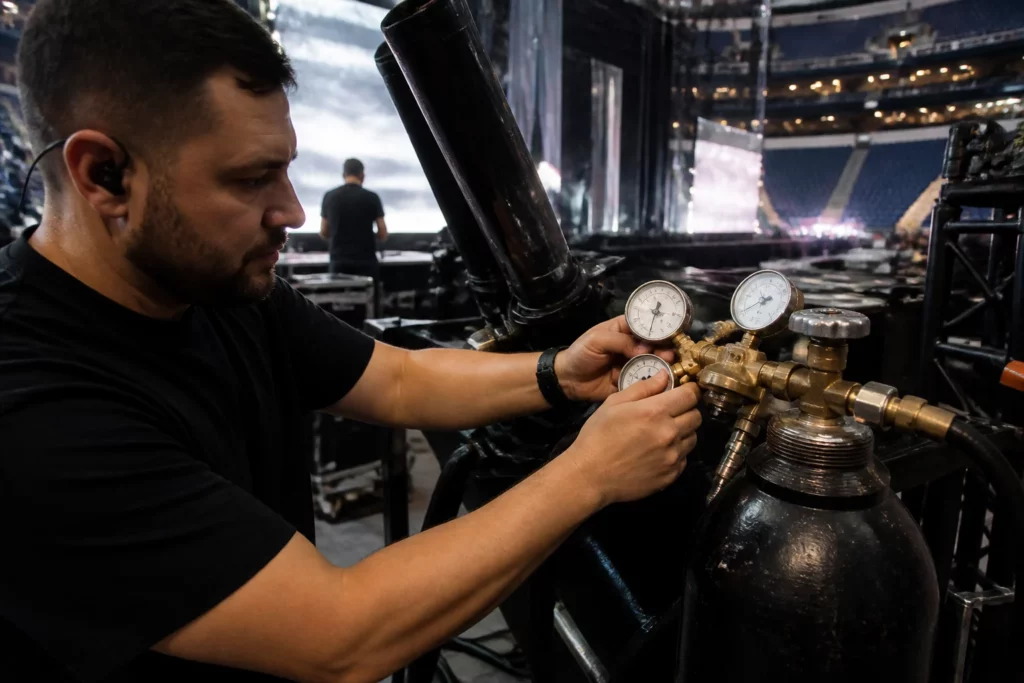
The power source and operational complexity also heavily influence pricing. Manual twist-and-pop cannons are the simplest and cheapest, requiring no external power. Electric cannons, often used for smaller, controlled bursts, necessitate access to a power outlet and might involve a trigger mechanism. The most powerful and visually impactful cannons, those capable of continuous flow or launching large volumes over significant distances, are typically CO2-powered. These require pressurized CO2 tanks, which incur rental or purchase costs, and often demand trained personnel for safe and effective operation. The need for specialized operators adds a labor cost that is absent with simpler, self-operated units, making them a consideration primarily for larger, professional productions.
While cost is a primary consideration, achieving spectacular effects also requires technical know-how. For those looking to elevate their displays, we also offer insights into Optimizing Confetti Cannon Performance: Advanced Tips for Professional Event Production.
Purchase Versus Rental Considerations
The decision to purchase or rent a confetti cannon hinges on the frequency of use and the specific requirements of an event. For a one-off occasion, such as a wedding reception or a milestone birthday, renting is almost always the more cost-effective solution. Rental packages often include the cannon, a specified amount of confetti, and sometimes even delivery and setup, particularly for larger, more complex systems. This eliminates the upfront capital expenditure of buying equipment that might only be used once. Rental prices for a mid-range electric cannon, for example, might range from $75 to $250 per event, depending on duration and included accessories.
Conversely, event professionals, venues that frequently host celebrations, or individuals planning multiple events over time might find purchasing more economical in the long run. A durable, reusable electric cannon could cost anywhere from $300 to $800, with CO2-powered units easily exceeding $1,000. While the initial investment is higher, subsequent uses only incur the cost of confetti refills and any necessary maintenance. When considering a purchase, it’s crucial to factor in storage space, potential maintenance, and the ongoing cost of consumables. For a typical event planner managing several events monthly, owning a versatile cannon could amortize its cost within a year, offering greater flexibility and control over event effects.
Operational Costs and Hidden Fees
Beyond the initial acquisition or rental fee, several operational costs and potential hidden fees can impact the total expenditure for a confetti cannon display. One significant factor is the cost of confetti refills. While some rental packages include an initial load, subsequent refills for continuous or multiple bursts will be an additional expense. Confetti is typically sold by the pound, with prices varying based on material and type, ranging from $8 to $30 per pound. For a large-scale event requiring several minutes of continuous confetti, hundreds of pounds might be needed, quickly accumulating costs.
Delivery, setup, and teardown fees are also common, especially for larger rental units or when specialized equipment like lifts is required. These services ensure the cannon is safely transported, correctly positioned, and properly operated, but they add to the overall budget. For instance, a professional setup for a CO2 cannon might include a technician’s time, transportation of the tank and cannon, and post-event cleanup, which can add hundreds of dollars to the base rental price. Furthermore, some rental agreements include a damage waiver or a security deposit, which, while often refundable, ties up funds temporarily. It is always prudent to clarify all potential charges upfront to avoid surprises.
The Impact of Confetti Type and Quantity
The choice of confetti material and the sheer volume required are critical determinants of overall cost. Standard paper confetti is the most budget-friendly, often available in bulk at lower prices. However, if an event calls for a specific aesthetic, such as shimmering metallic streamers for a gala or delicate biodegradable petals for an outdoor wedding, the cost per pound will increase significantly. Biodegradable options, while environmentally friendly, often carry a higher price tag due to specialized manufacturing processes and materials like rice paper or water-soluble starch.
The desired effect also dictates the quantity. A brief, dramatic burst for a photo opportunity might only require a few ounces, whereas a sustained “confetti shower” over a dance floor for several minutes could demand dozens of pounds. For example, a single continuous-flow cannon might consume 1-2 pounds of confetti per minute, meaning a 5-minute effect would require 5-10 pounds. When planning for multiple cannons or extended durations, these quantities multiply rapidly, making confetti itself a substantial line item in the budget. Always calculate the desired effect’s duration and intensity to estimate confetti consumption accurately.
Considering the environmental impact is also becoming a more prominent factor in confetti selection and, consequently, its cost. While traditional PVC metallic confetti offers a brilliant visual effect, its non-biodegradable nature has led many venues and event organizers to ban its use, especially for outdoor events. This shift has increased demand for eco-friendly alternatives, such as biodegradable paper, rice paper, or even water-soluble options. These materials, while often more expensive per pound than their plastic counterparts, align with sustainable event planning principles and avoid potential cleanup fines or environmental damage. For instance, a large-scale outdoor festival in 2024 might exclusively permit biodegradable confetti, which could add 15-25% to the confetti material cost compared to standard paper or metallic options, according to industry surveys.
The color and shape of confetti also contribute to its pricing. Standard rectangular or circular confetti in common colors (white, black, primary colors) is typically the most affordable. However, custom color mixes, specific pastel shades, or intricate custom shapes like butterflies, musical notes, or company logos, require specialized manufacturing processes. These bespoke options command a higher price due to the additional labor and setup involved in their production. A custom-shaped confetti order, for example, could increase the cost per pound by 50-100% compared to a standard cut, depending on the complexity of the design and the order volume. This customization allows for unique branding or thematic integration but comes with a corresponding premium, making it a consideration for events where brand identity or a highly specific aesthetic is paramount.
Maximizing Your Confetti Cannon Investment
To ensure you get the most value from your confetti cannon expenditure, strategic planning and an understanding of available options are essential. One effective approach is to consider multi-purpose cannons. Some professional-grade machines are designed to launch not only confetti but also streamers, T-shirts, or even small promotional items, offering versatility for different event segments or future uses if purchased. This adaptability can amortize the initial investment over a wider range of applications, making a higher upfront cost more justifiable for frequent users. For example, a venue that hosts both corporate product launches and celebratory events might invest in a cannon capable of launching both branded merchandise and festive confetti, effectively doubling its utility.
Another key strategy involves optimizing confetti consumption. Instead of continuous, long bursts, consider shorter, impactful bursts timed to peak moments, such as a grand entrance, a key announcement, or the climax of a performance. This conserves confetti and enhances the dramatic effect by making each release more significant. Additionally, exploring different confetti types for various effects can be cost-efficient. For instance, using a base of standard paper confetti for volume and then layering in smaller amounts of specialty metallic or custom-shaped confetti for sparkle or branding can achieve a high-impact visual without the prohibitive cost of using specialty materials exclusively. According to event production specialists, this layered approach can reduce overall confetti material costs by up to 30% while maintaining a premium aesthetic.
Planning for a Dazzling Display Without Breaking the Bank
Careful consideration of your event’s specific needs and budget constraints will guide you toward the most appropriate confetti cannon solution. For smaller, intimate gatherings, a few manual twist-and-pop cannons might suffice, offering a charming burst of color for under $100 total. For medium-sized events like corporate parties or school dances, renting an electric cannon with a few pounds of standard confetti could range from $150 to $400, including basic setup. Larger productions, such as concerts or major festivals, will inevitably incur higher costs due to the need for powerful CO2 cannons, substantial confetti quantities, and professional operators, potentially ranging from $500 to several thousand dollars per event. Always request a detailed quote that itemizes all costs, including delivery, setup, confetti refills, and any required labor, to avoid unexpected expenses. As one veteran event producer puts it, “The magic of confetti is in its timing and volume, not necessarily its price tag. Smart planning can deliver spectacular results on any budget.”
Bottom Line: Confetti cannon pricing varies significantly from under $30 for small handheld units to over $1,000 for professional CO2 systems, influenced by factors like power source, confetti type and quantity, and whether the unit is purchased or rented, with operational costs like refills and labor also impacting the total.
Frequently Asked Questions
What is the cheapest type of confetti cannon?
The cheapest confetti cannons are typically manual twist-and-pop units, often costing under $30. These are single-use devices that require no external power and are ideal for small, personal events like gender reveals or birthday parties.
Is it cheaper to buy or rent a confetti cannon?
For a single event, renting a confetti cannon is almost always more cost-effective, with prices ranging from $75 to $250 for mid-range electric units. Purchasing is more economical for frequent users or event professionals who plan to use the cannon multiple times over an extended period.
What factors increase the cost of confetti?
The cost of confetti increases with specialty materials like metallic streamers, biodegradable rice paper, custom shapes, or UV-reactive options. Standard rectangular paper confetti in common colors is the most economical choice.
Do CO2 confetti cannons require special operators?
Yes, CO2-powered confetti cannons, which are the most powerful and visually impactful, often require trained personnel for safe and effective operation. This adds a labor cost that is not present with simpler manual or electric units.
Related Articles