AnswerWhen facing the daunting task of cleaning up a large volume of
confetti cannon aftermath with limited time, the most effective strategy involves a combination of specialized equipment and systematic planning. For instance, after a major stadium event, a professional cleaning crew can clear a…
TL;DR
- Prioritize specialized equipment like leaf blowers and industrial vacuums for rapid bulk collection.
- The effectiveness of your confetti cleanup hinges significantly on the tools you employ.
- The material of the confetti and the surface it lands on dictate the most appropriate cleaning strategy.
- Even with the best equipment, an efficient confetti cleanup relies heavily on proper allocation of personnel and resources.
- Beyond the immediate cleanup, considering the long-term impact and future event planning can further streamline confetti management.
How to Clean Up Confetti After a Large Event When Time is Limited
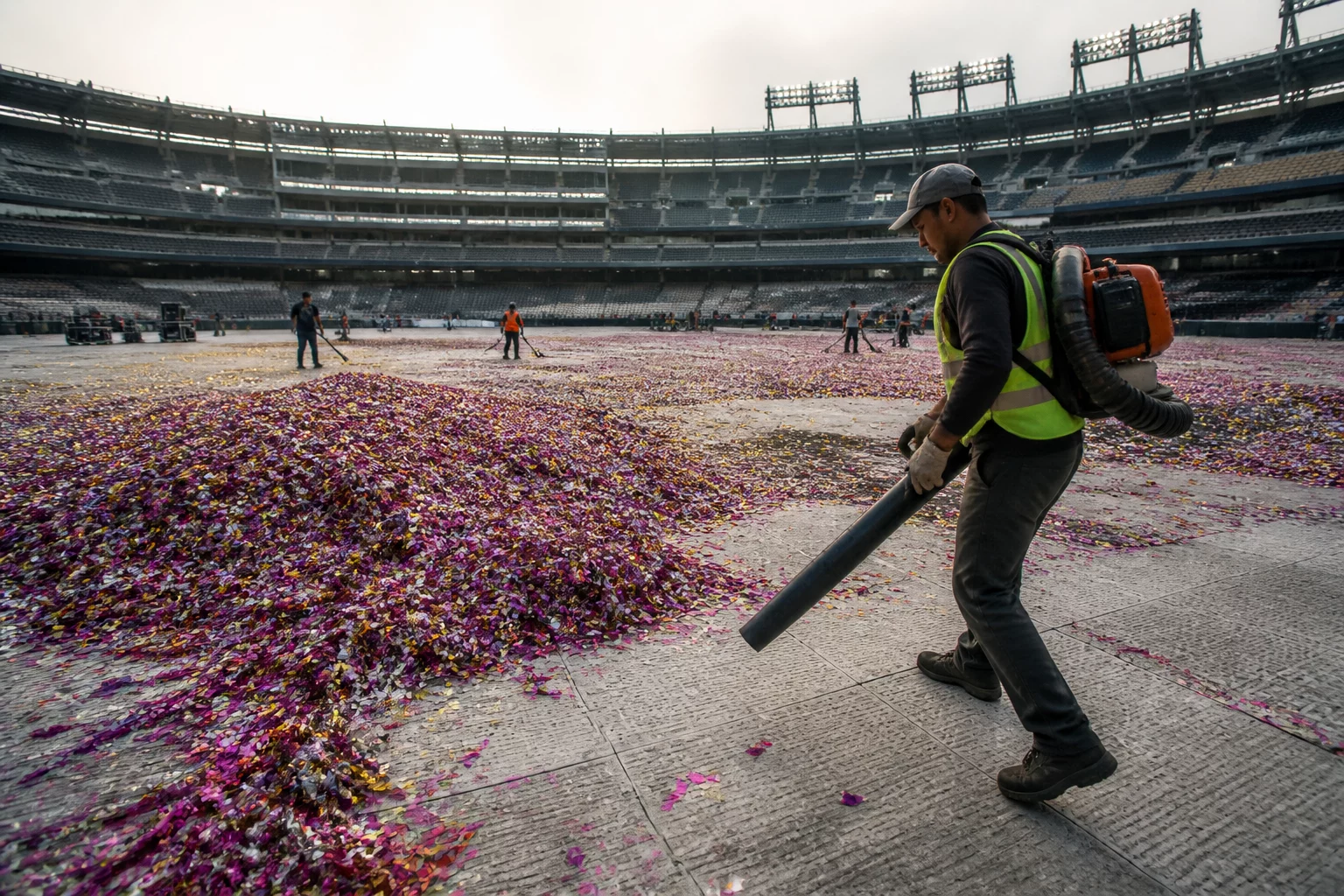
When facing the daunting task of cleaning up a large volume of confetti cannon aftermath with limited time, the most effective strategy involves a combination of specialized equipment and systematic planning. For instance, after a major stadium event, a professional cleaning crew can clear a 10,000 sq ft area of confetti in under two hours by deploying industrial leaf blowers, commercial-grade vacuums with wide nozzles, and electrostatic sprayers for smaller, stubborn pieces. This approach prioritizes rapid collection of the bulk material, followed by targeted removal of residual confetti, ensuring a swift and thorough cleanup even under tight deadlines. As an online retailer of confetti for events, we understand the importance of efficient post-event processes.
Key Insights
- Prioritize specialized equipment like leaf blowers and industrial vacuums for rapid bulk collection.
- Implement a systematic cleanup plan, dividing large areas into manageable zones.
- Utilize biodegradable confetti to simplify cleanup and minimize environmental impact.
- Consider the type of confetti and event surface when selecting cleaning methods.
- Allocate sufficient personnel and resources, even for seemingly quick tasks.
SELECTING THE RIGHT TOOLS FOR THE JOB
The effectiveness of your confetti cleanup hinges significantly on the tools you employ. For expansive outdoor areas, such as a festival ground or a large park, industrial-grade leaf blowers are indispensable. These powerful machines can quickly gather vast quantities of confetti into manageable piles, drastically reducing the initial collection time. Consider models with backpack designs for enhanced maneuverability and extended use, especially when covering several acres. For example, a commercial landscaping crew clearing a city square after a New Year’s Eve celebration might deploy a team of three individuals with 700 CFM (cubic feet per minute) leaf blowers, capable of sweeping confetti across hundreds of square feet per minute.
Following the initial sweep, commercial-grade vacuums become crucial for collecting the piled confetti and tackling residual pieces. Look for vacuums equipped with wide-mouth nozzles and strong suction power to efficiently pick up both large and small confetti fragments. For indoor venues with hard surfaces, such as convention centers or gymnasiums, a walk-behind floor sweeper with a vacuum attachment can be highly effective, simultaneously sweeping and collecting debris. In areas with intricate details or delicate surfaces, smaller handheld vacuums or even electrostatic dusters can be used to meticulously remove any remaining confetti without causing damage. The combination of these tools ensures a comprehensive cleanup, addressing both the bulk and the fine details of confetti removal.
Before cleanup, consider that proper deployment can minimize spread; learn more about Optimizing Confetti Cannon Performance: Advanced Tips for Professional Event Production to make your next event even smoother.
STRATEGIES FOR DIFFERENT CONFETTI TYPES AND SURFACES
The material of the confetti and the surface it lands on dictate the most appropriate cleaning strategy. Biodegradable confetti, often made from rice paper or corn starch, is an excellent choice for outdoor events as it naturally breaks down over time, minimizing environmental impact and simplifying cleanup. While it still requires collection for immediate aesthetic reasons, any missed pieces will eventually decompose. For instance, a vineyard hosting an outdoor wedding might opt for biodegradable confetti, knowing that any stray pieces will not harm the local ecosystem.
Metallic or plastic confetti, while visually striking, presents a greater cleanup challenge due to its non-biodegradable nature and tendency to cling to surfaces. On carpeted areas, the static cling of metallic confetti can make it particularly difficult to vacuum. In such cases, using a rubber broom or a lint roller can help dislodge and collect these stubborn pieces before vacuuming. For hard surfaces like concrete or tile, a combination of sweeping and wet mopping can be effective, especially if the confetti has been trodden into the ground. A typical indoor arena, after a concert featuring metallic confetti, might first use industrial sweepers, then follow up with a team using microfiber mops and a mild cleaning solution to pick up any remaining glitter or small fragments.
OPTIMIZING PERSONNEL AND RESOURCES
Even with the best equipment, an efficient confetti cleanup relies heavily on proper allocation of personnel and resources. For large-scale events, dividing the cleanup area into smaller, manageable zones and assigning dedicated teams to each zone can significantly improve efficiency. This systematic approach prevents overlap and ensures that no area is overlooked. For example, a stadium cleanup might designate separate teams for the field, stands, and concourse areas, each equipped with the appropriate tools for their specific zone.
Furthermore, providing clear instructions and adequate training to cleanup crews is paramount. This includes demonstrating the correct use of specialized equipment and outlining safety protocols. Ensuring that crews have access to sufficient waste receptacles, such as large industrial trash bags or bins, is also critical for continuous collection and disposal. A well-organized staging area for equipment and collected debris can streamline the process, allowing crews to quickly empty vacuums and reload supplies, thereby minimizing downtime and maximizing productivity during the limited cleanup window.
A well-executed cleanup plan also accounts for the disposal of collected confetti. Having designated waste stations that are easily accessible to cleanup crews minimizes travel time and keeps the operation flowing smoothly. For very large events, such as a major sporting championship that might generate hundreds of pounds of confetti, coordinating with waste management services for large dumpsters or specialized recycling options for biodegradable materials can be a critical step. For instance, a major city’s event management team might pre-arrange for several 30-yard roll-off dumpsters to be placed strategically around a festival site, ensuring that collected confetti and other event waste can be efficiently consolidated and removed. This foresight in logistics, from initial sweep to final disposal, is what truly distinguishes an efficient cleanup from a chaotic one, especially when operating under the pressure of a tight schedule.
Ensuring a Seamless Post-Event Transition
Beyond the immediate cleanup, considering the long-term impact and future event planning can further streamline confetti management. For event organizers, maintaining a detailed record of cleanup times, equipment used, and personnel deployed for each event provides valuable data for refining future strategies. This data-driven approach allows for continuous improvement, helping to predict resource needs more accurately and identify potential bottlenecks before they arise. For example, an annual music festival might analyze its cleanup data from the past three years to determine that deploying an additional five leaf blowers and increasing waste receptacle capacity by 20% would reduce post-event clearing time by an estimated 15% in the upcoming year, according to industry benchmarks for large-scale outdoor events. Such proactive planning transforms cleanup from a reactive chore into an integrated component of event success.
Furthermore, engaging with venues and local authorities regarding cleanup expectations and regulations can prevent unforeseen issues. Some venues may have specific rules about the types of confetti allowed or the methods of disposal, particularly concerning environmental impact. For instance, coastal cities often have strict ordinances against non-biodegradable confetti to protect marine life, requiring event planners to use only water-soluble or rice paper alternatives. Understanding these nuances upfront, as one veteran event planner puts it, “is not just about compliance; it’s about being a responsible partner and ensuring the longevity of your event’s relationship with the community and the venue.” This collaborative approach ensures that cleanup efforts align with broader environmental and operational standards, contributing to a smoother overall post-event transition.
Preparing for Future Confetti Celebrations
To truly master efficient confetti cleanup, consider a comprehensive checklist before your next event. This includes confirming the type of confetti (biodegradable, metallic, plastic), assessing the event surface (grass, carpet, concrete), and verifying equipment availability. A pre-event walkthrough with the cleanup crew to identify potential challenges, such as intricate architectural details or high-traffic areas where confetti might be heavily compacted, can save significant time during the actual cleanup. For example, if a historic ballroom is the venue, the cleanup team might plan to use specialized soft-bristle brushes and handheld vacuums around delicate fixtures, rather than relying solely on industrial blowers. This level of detailed preparation, informed by past experiences and a clear understanding of the venue’s unique characteristics, ensures that every confetti celebration, no matter how grand, can be followed by an equally impressive and swift cleanup, minimizing disruption and maximizing satisfaction for all involved parties.
Bottom Line: Efficient confetti cleanup after a large event with limited time requires strategic planning, the right specialized equipment, and optimized personnel deployment to rapidly collect bulk material and meticulously remove residual pieces.
Frequently Asked Questions
What is the most effective tool for large-scale confetti cleanup outdoors?
Industrial-grade leaf blowers are highly effective for outdoor confetti cleanup. They can quickly gather vast quantities of confetti into manageable piles, significantly reducing the initial collection time across expansive areas like festival grounds or parks.
How does confetti type affect cleanup methods?
Biodegradable confetti simplifies cleanup as it naturally decomposes. Metallic or plastic confetti, however, can cling to surfaces due to static, requiring tools like rubber brooms or lint rollers before vacuuming, especially on carpets.
What role does systematic planning play in efficient confetti cleanup?
Systematic planning involves dividing large areas into manageable zones and assigning dedicated teams. This approach prevents overlap, ensures thorough coverage, and optimizes the use of personnel and equipment, leading to a faster and more organized cleanup.