AnswerFinding the
best confetti for weddings involves considering several factors, including material, biodegradability, color, and launch method. For eco-conscious couples, biodegradable options like natural flower petals, rice paper, or dried leaves are highly recommended, as they minimize environmental impact and are often accepted by venues…
TL;DR
- When selecting the ideal confetti for a wedding, understanding the different types available is paramount, as each offers unique aesthetic and practical considerations.
- Selecting confetti that aligns with your wedding venue's policies is just as important as personal preference.
- The method by which confetti is launched significantly impacts the visual effect, the amount of confetti needed, and the overall guest experience.
- Creating a truly memorable confetti moment involves more than just selecting the right type and launch method; it requires thoughtful planning and coordination.
- While most biodegradable confetti is designed to break down naturally, it's crucial to verify certifications.
Where to Buy Best Confetti For Weddings
Finding the best confetti for weddings involves considering several factors, including material, biodegradability, color, and launch method. For eco-conscious couples, biodegradable options like natural flower petals, rice paper, or dried leaves are highly recommended, as they minimize environmental impact and are often accepted by venues that prohibit synthetic alternatives. Reputable online retailers specializing in wedding supplies, craft stores with a dedicated party section, and even local florists for natural options are excellent starting points. As of 2024, the market offers a wide array of choices, from traditional paper confetti to innovative, dissolvable varieties, ensuring every couple can find something that aligns with their wedding theme and values. Prioritizing quality and checking venue regulations are crucial steps to ensure a memorable and hassle-free confetti moment.
What Types of Confetti Are Best for Weddings? best confetti for weddings
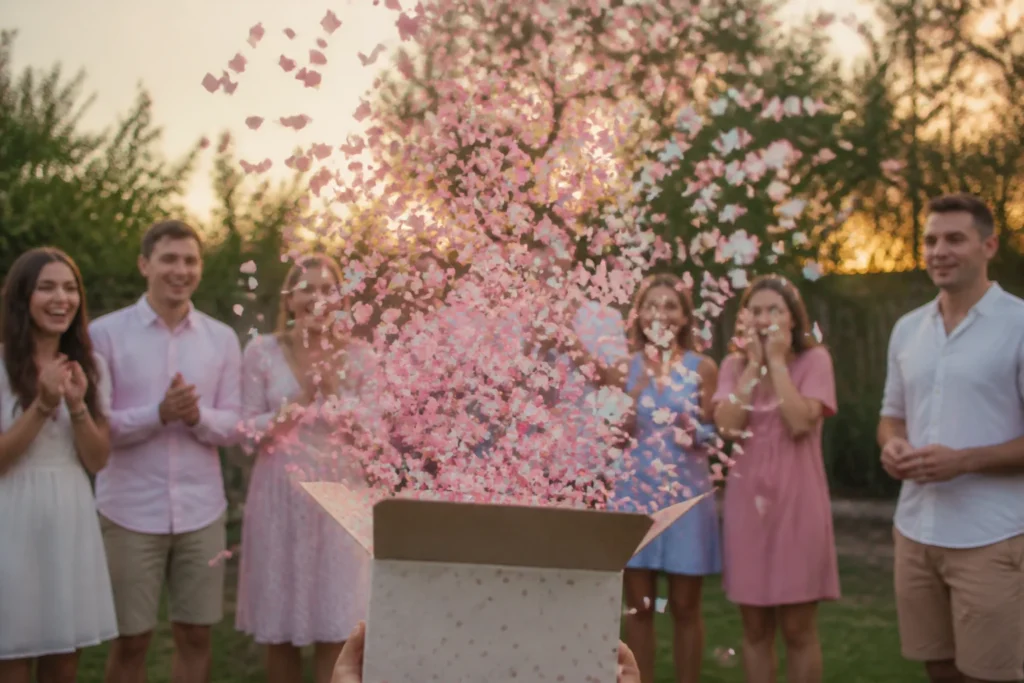
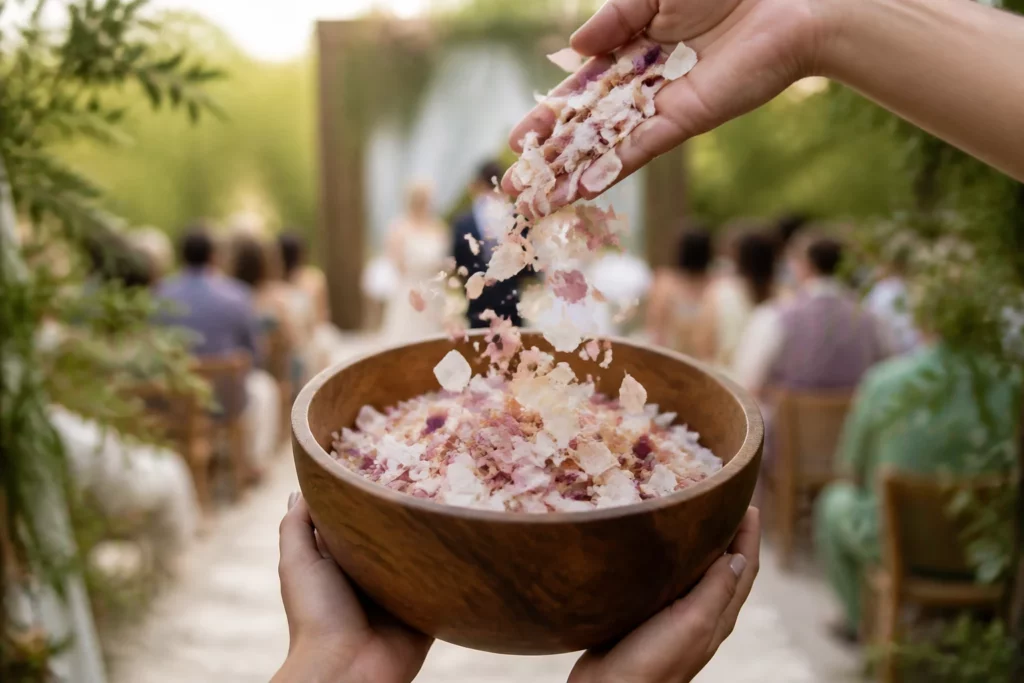
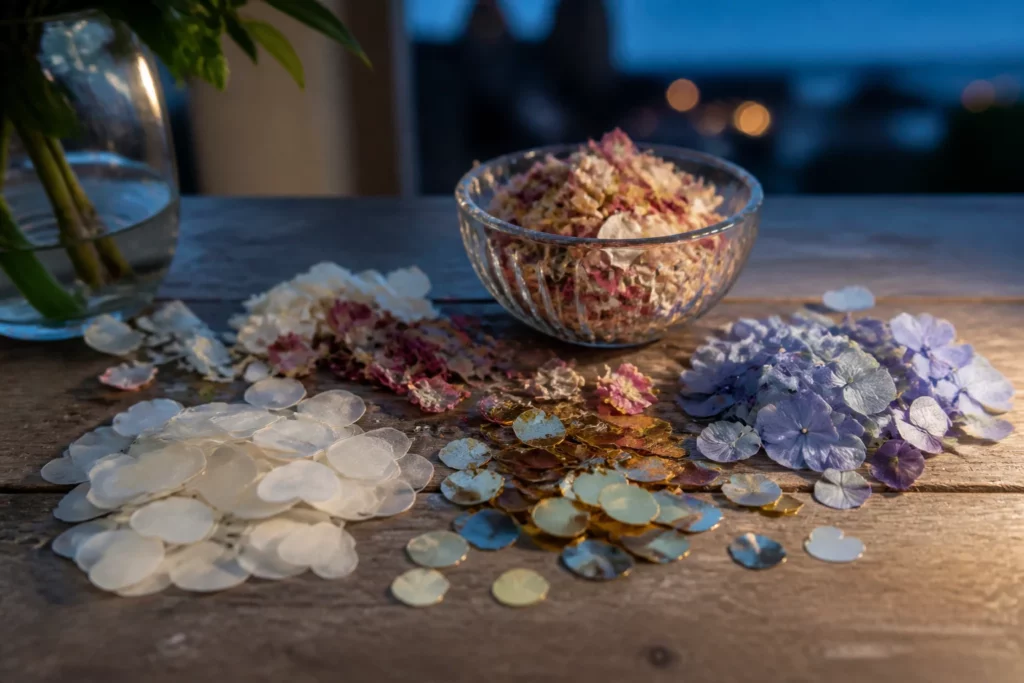
When selecting the ideal confetti for a wedding, understanding the different types available is paramount, as each offers unique aesthetic and practical considerations. Natural confetti, such as dried flower petals, lavender, or even birdseed, remains a top choice for its organic beauty and environmental friendliness. These options are often preferred by venues with strict clean-up policies, as they decompose naturally and leave no lasting residue. For instance, a typical outdoor garden wedding might benefit greatly from rose petals, which add a romantic visual without harming the delicate ecosystem. According to industry surveys from 2023, natural confetti accounted for over 60% of wedding confetti sales, highlighting a growing trend towards sustainable celebrations. Couples should always verify with their venue if natural confetti is permitted, as some still prefer a completely “leave no trace” approach.
Beyond natural options, biodegradable paper confetti provides a vibrant and versatile alternative. Made from materials like rice paper or tissue paper, these varieties break down quickly after exposure to moisture, making them a responsible choice for both indoor and outdoor events. They come in an extensive range of colors and shapes, allowing for highly customized visual effects that can perfectly match a wedding’s color scheme. For example, a couple planning a vibrant summer wedding might opt for a mix of bright yellow, orange, and pink biodegradable paper confetti to create a joyful, celebratory burst. While generally eco-friendly, it is important to ensure that any biodegradable paper confetti purchased is certified as such, as some products may contain non-biodegradable dyes or coatings. The ease of clean-up for these types of confetti is a significant advantage, often requiring less effort than synthetic alternatives.
For those seeking a truly unique and memorable confetti experience, specialty options like dissolvable confetti or even edible varieties are emerging. Dissolvable confetti, often made from starch-based materials, completely disappears upon contact with water, leaving absolutely no trace. This is an excellent choice for venues with very strict clean-up rules or for events near water bodies where environmental impact is a major concern. Edible confetti, typically made from wafer paper or sugar, offers a whimsical touch, especially for dessert tables or as a garnish for celebratory drinks. While less common for the main confetti toss, these options demonstrate the innovation within the wedding supply market. A small, intimate reception might use edible confetti to decorate individual dessert plates, adding a personalized and delightful surprise for guests. These specialized types, while sometimes pricier, offer unparalleled peace of mind regarding environmental responsibility and guest experience.
How to Choose the Right Confetti for Your Wedding Venue
Selecting confetti that aligns with your wedding venue’s policies is just as important as personal preference. Many venues, particularly historic estates, national parks, or eco-resorts, have stringent rules regarding what can be tossed. These regulations are primarily in place to protect the environment, preserve the property, and minimize clean-up efforts. Before making any confetti purchases, couples should always consult their venue coordinator or review their contract for specific guidelines. Failure to do so could result in additional cleaning fees or, worse, a last-minute scramble to find an approved alternative.
For example, a grand ballroom in a city hotel might permit almost any type of confetti, including metallic or plastic varieties, due to its controlled indoor environment and professional cleaning staff. However, an outdoor vineyard wedding in California, known for its commitment to sustainability, would almost certainly restrict anything other than natural, biodegradable options like dried flower petals or rice paper confetti. Some venues might even specify the size of the confetti particles to prevent them from clogging drains or becoming difficult to remove from intricate landscaping. Understanding these nuances early in the planning process can save considerable stress and ensure a smooth, celebratory confetti toss.
Considering Venue-Specific Restrictions
Venue restrictions often extend beyond just biodegradability. Some locations might prohibit confetti altogether, regardless of its composition, opting instead for alternatives like bubbles, ribbon wands, or sparklers. This is particularly common in sensitive ecological areas or venues with very delicate flooring or antique furnishings. It’s also worth noting that some venues have preferred vendors for confetti or specific brands they trust to meet their standards. In such cases, inquiring about these recommendations can streamline the selection process and guarantee compliance.
A practical approach involves asking your venue coordinator direct questions such as: “Are there any restrictions on confetti types?” “Do you have a list of approved biodegradable confetti options?” or “Are there any areas where confetti is strictly prohibited?” Documenting these responses, perhaps in an email, provides a clear record and avoids misunderstandings later on. For a typical outdoor wedding at a botanical garden, for instance, the venue might only allow fresh or dried petals from specific non-invasive plant species, to prevent the introduction of foreign seeds or chemicals into their ecosystem. This level of detail underscores the importance of thorough communication with your chosen location.
Confetti Launch Methods and Considerations
The method by which confetti is launched significantly impacts the visual effect, the amount of confetti needed, and the overall guest experience. While a traditional hand toss remains popular, various tools and techniques can enhance the moment, from simple cones to sophisticated cannons. Each method has its own set of considerations regarding safety, clean-up, and the type of confetti best suited for it.
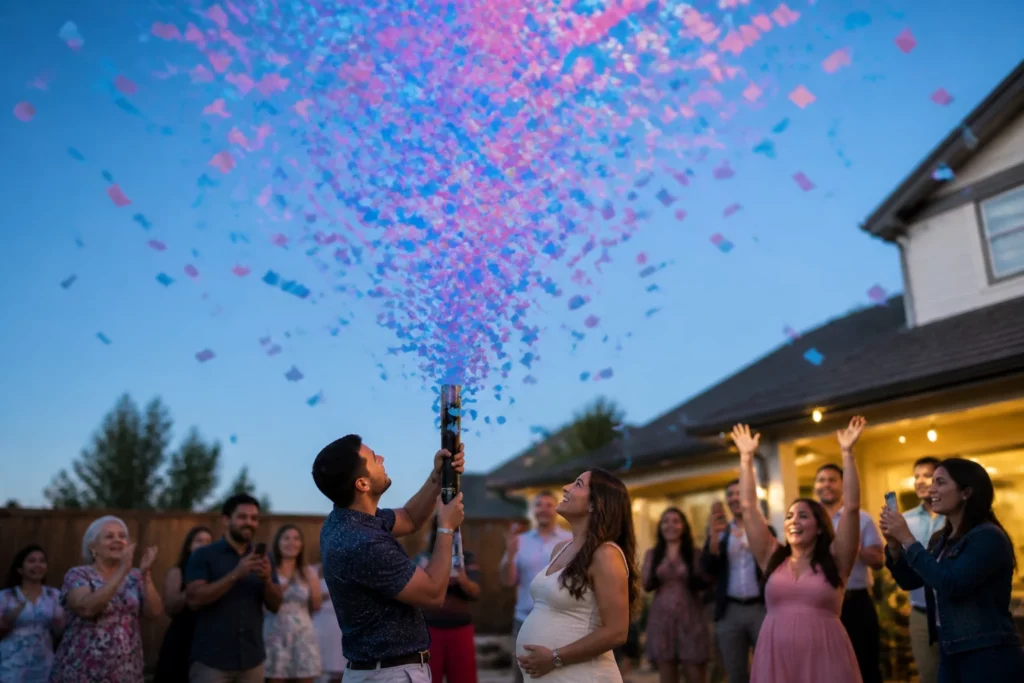
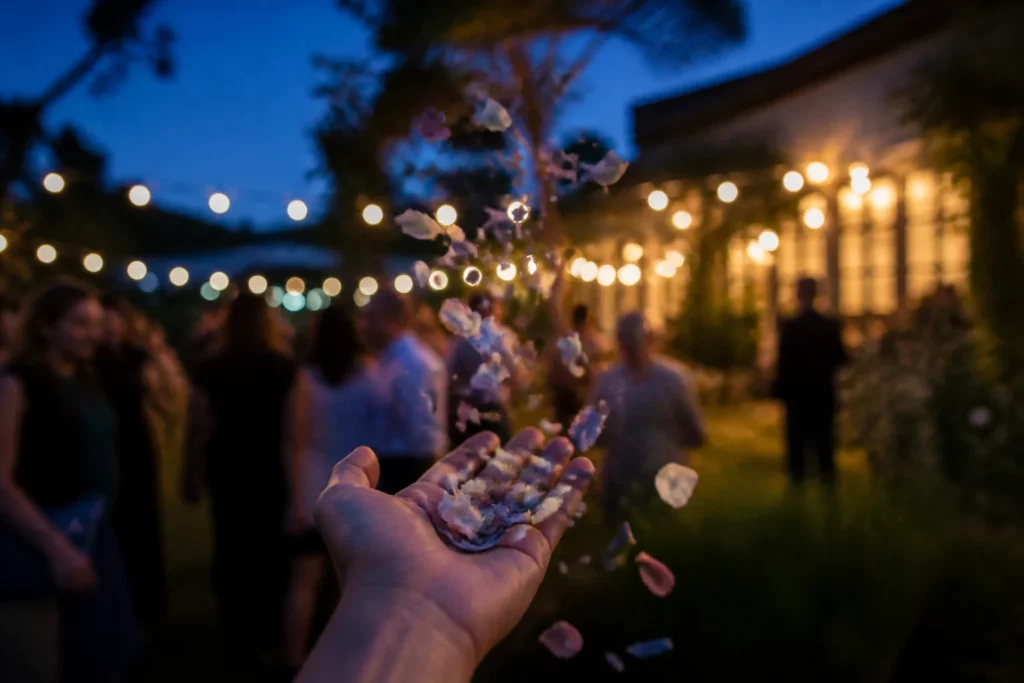
For a classic, intimate feel, guests can be provided with small cones or pouches filled with confetti for a synchronized hand toss. This method works beautifully with lighter, smaller confetti types like dried petals or fine paper confetti, creating a gentle, fluttering cascade. It also allows for a more controlled distribution, often resulting in less widespread clean-up. However, for a truly dramatic and impactful moment, especially for larger wedding parties or grand exits, mechanical launchers or cannons are often employed. These devices can propel confetti much higher and wider, creating a breathtaking visual spectacle that photographs exceptionally well.
Manual vs. Mechanical Launchers
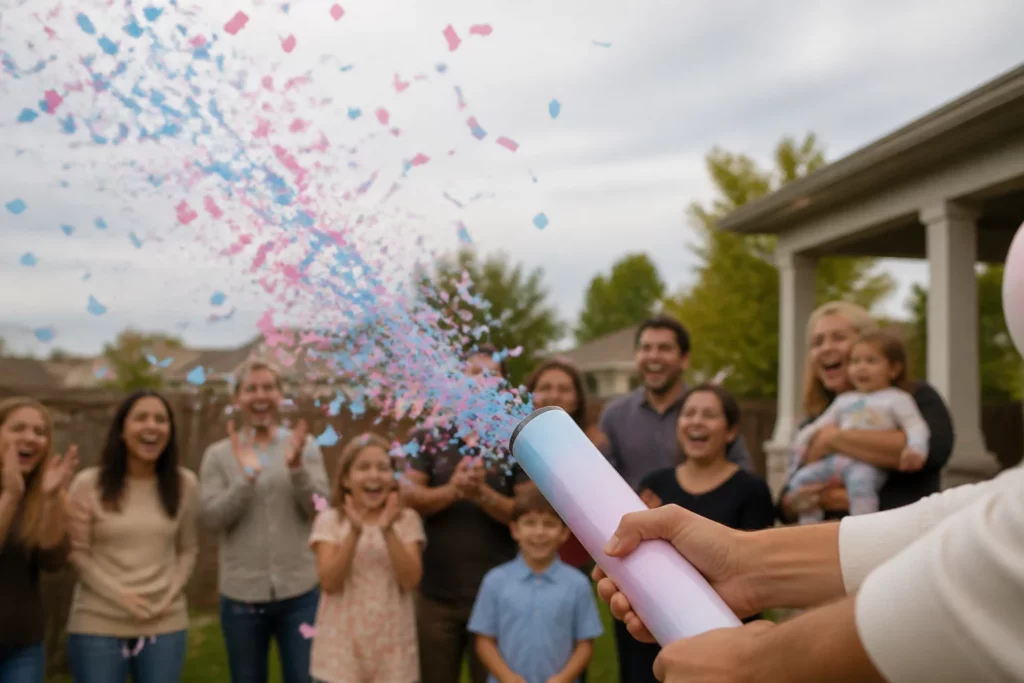
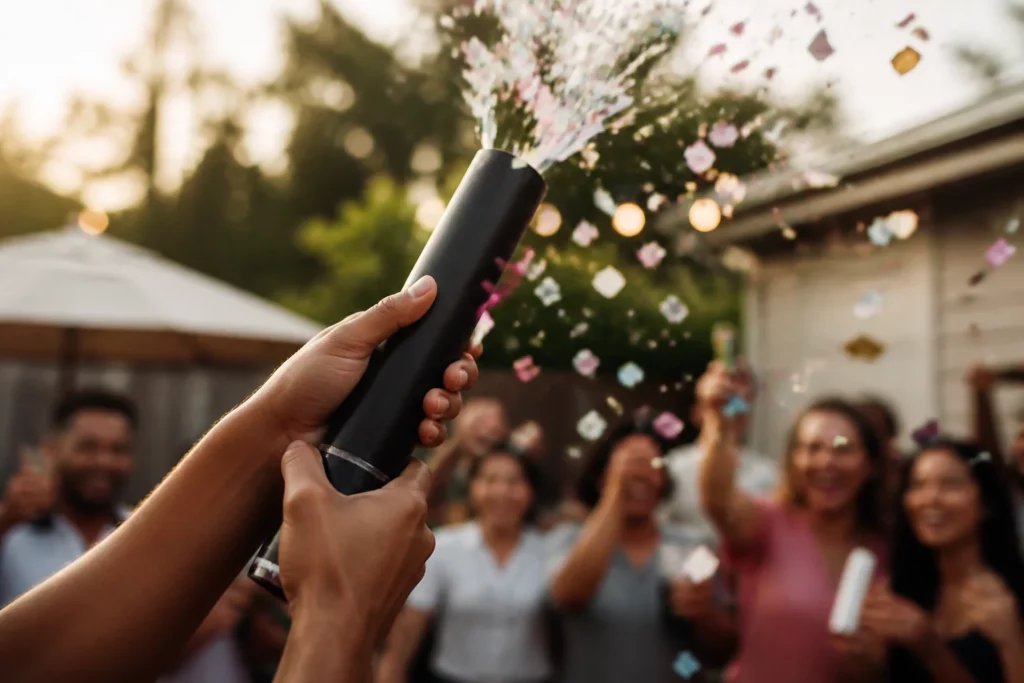
Manual launchers, such as twist-action confetti cannons, are single-use devices that use compressed air to propel confetti. They are widely available and relatively easy for guests to operate, making them a popular choice for adding an element of surprise and excitement. These typically work best with lighter paper or metallic confetti, as heavier materials may not achieve the desired height or spread. When using manual cannons, it’s crucial to instruct guests on proper usage, emphasizing that they should be pointed upwards and away from faces to ensure safety.
For a truly professional and grand display, electric or CO2-powered confetti cannons can be rented or operated by a professional. These systems can launch a much larger volume of confetti over a greater distance and duration, creating a truly immersive experience. They are often used for grand entrances, first dances, or send-offs. Such powerful launchers are ideal for larger, more robust confetti types, including larger paper shapes or even streamers, which can withstand the force of propulsion. However, these require careful planning, often involving a technician, and are typically reserved for venues that can accommodate their power requirements and have ample space for the confetti to disperse without causing issues.
The choice of launch method also influences the amount of confetti required. A hand toss typically uses less confetti per guest, while a cannon can consume a significant volume to achieve its dramatic effect. For instance, a small wedding with 50 guests might only need a few pounds of dried petals for a hand toss, whereas a large event with 200 guests and multiple professional cannons could easily require 10-15 pounds of specialized paper confetti to create a truly impactful moment. Budget considerations often play a role here, as professional cannon rentals and the associated confetti can be a more substantial investment than simply purchasing bulk bags for guests to toss. Ultimately, the best launch method balances the desired visual impact with practical considerations like venue rules, budget, and the overall guest experience, ensuring the confetti moment is both stunning and manageable.
Crafting Your Perfect Confetti Moment
Creating a truly memorable confetti moment involves more than just selecting the right type and launch method; it requires thoughtful planning and coordination. The timing of the confetti toss is crucial, often occurring during the grand exit, the first dance, or immediately after the ceremony. Coordinating with your photographer and videographer is paramount to ensure they are ready to capture the magic. A well-timed toss, perhaps as the couple shares a kiss or walks hand-in-hand, can result in breathtaking photographs that become cherished memories. According to a 2024 survey of wedding photographers, confetti tosses are among the top five most requested photo opportunities, underscoring their visual appeal.
Consider the backdrop for your confetti moment. An open sky provides a natural canvas for confetti to drift gracefully, while an indoor setting might benefit from strategic lighting to enhance the effect. For example, an evening reception might use uplighting to illuminate falling metallic confetti, creating a shimmering, almost ethereal glow. The color palette of your confetti should also complement your wedding theme and decor. While a vibrant mix can be joyful, a monochromatic scheme of white or ivory confetti can evoke elegance and sophistication. As one veteran wedding planner puts it, “The confetti toss isn’t just about the confetti itself; it’s about the entire scene you create around it – the lighting, the backdrop, and the joyous expressions of the couple and their guests.” This holistic approach ensures the moment is not just seen, but truly felt.
Beyond the visual, think about the sensory experience. Natural confetti like lavender or rose petals can add a subtle, pleasant fragrance to the air, enhancing the romantic atmosphere. The sound of guests cheering as confetti rains down contributes to the celebratory mood. It’s also wise to have a designated person, perhaps a wedding planner or a trusted friend, to manage the distribution and timing of the confetti. This ensures a coordinated effort, preventing a scattered or underwhelming toss. For instance, if using hand-tossed confetti, having someone guide guests on when and how to toss can make a significant difference in the overall effect. This attention to detail, from the visual to the logistical, transforms a simple tradition into an unforgettable highlight of your wedding day.
Ensuring a Seamless Confetti Experience
To guarantee a smooth and enjoyable confetti experience, proactive communication and preparation are key. Confirming all details with your venue, photographer, and any confetti suppliers well in advance will prevent last-minute hitches. This includes clarifying clean-up responsibilities, especially for outdoor venues where natural elements might be involved. Some venues might offer clean-up services as part of their package, while others might expect the couple or their chosen vendors to handle it. For example, a beach wedding venue might require all confetti to be completely removed from the sand by a specific time to protect marine life, necessitating a dedicated clean-up crew or a very quick-dissolving confetti type.
It’s also beneficial to have a contingency plan. What if unexpected rain threatens your outdoor confetti toss? Having an alternative indoor location or a different celebratory element, like a bubble machine, can save the day. For instance, a couple planning an outdoor confetti exit might have a backup plan to use smaller, handheld confetti poppers inside the reception hall if weather conditions become unfavorable. Furthermore, consider the comfort of your guests. While a dramatic confetti shower is beautiful, ensure it doesn’t interfere with their ability to see or move freely. Providing clear instructions to guests, perhaps through a small sign or a quick announcement, can help manage expectations and ensure everyone participates safely and enthusiastically in the celebration.
Finally, remember that the confetti toss is a moment of pure joy and celebration. While planning is essential, don’t let it overshadow the spontaneity and fun. Embrace the moment, let loose, and enjoy the beautiful chaos of confetti filling the air. The memories created during this brief, magical interlude will be cherished for years to come. In 2024, couples are increasingly seeking personalized touches that reflect their unique love story, and a thoughtfully executed confetti toss is a perfect way to add that distinctive flair. By focusing on both the practicalities and the emotional impact, you can ensure your confetti moment is everything you dreamed it would be.
Bottom Line: The best confetti for weddings balances aesthetic appeal with venue regulations and environmental responsibility, with natural and certified biodegradable options being the most versatile and widely accepted choices for a memorable and hassle-free celebration.
Frequently Asked Questions
Is all biodegradable confetti safe for the environment?
While most biodegradable confetti is designed to break down naturally, it’s crucial to verify certifications. Some products may contain non-biodegradable dyes or coatings. Always check product descriptions for explicit environmental safety claims and certifications to ensure minimal impact.
Can I use metallic confetti at my wedding?
Metallic confetti is generally only permitted in indoor venues with professional cleaning services. Most outdoor or eco-conscious venues prohibit it due to its non-biodegradable nature and difficulty in clean-up. Always check with your specific venue before purchasing metallic options.
How much confetti do I need for my wedding?
The amount of confetti needed depends on the number of guests and the launch method. For a hand toss, estimate about one small handful per guest. For cannons or a more dramatic effect, you’ll need significantly more, often several pounds, depending on the desired coverage and duration.
Related Articles