Answer
The best
types of confetti for weddings are biodegradable options such as rice paper, real flower petals, and dried leaves, as they offer an eco-friendly and visually stunning effect without harming the environment or leaving a mess. Rice paper confetti, for instance, dissolves on contact…
TL;DR
- When planning a wedding, the choice of confetti can significantly impact both the aesthetic and environmental footprint of your celebration.
- Venue restrictions are a primary consideration when selecting wedding confetti.
- Confetti isn’t limited to the traditional exit toss; there are numerous creative ways to integrate it throughout your wedding day, adding unexpected pops of color and joy.
- Achieving that iconic, picture-perfect confetti moment requires more than just selecting the right type of confetti; it demands careful planning and execution.
- No, not all confetti is biodegradable.
What Are The Best Types Of Confetti For Weddings?
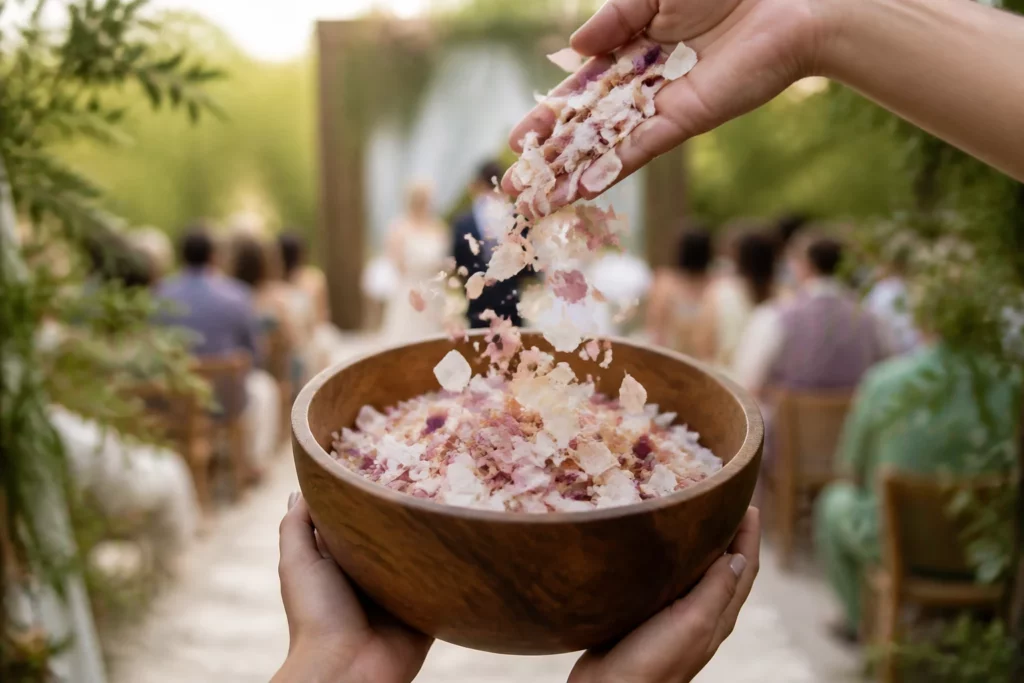
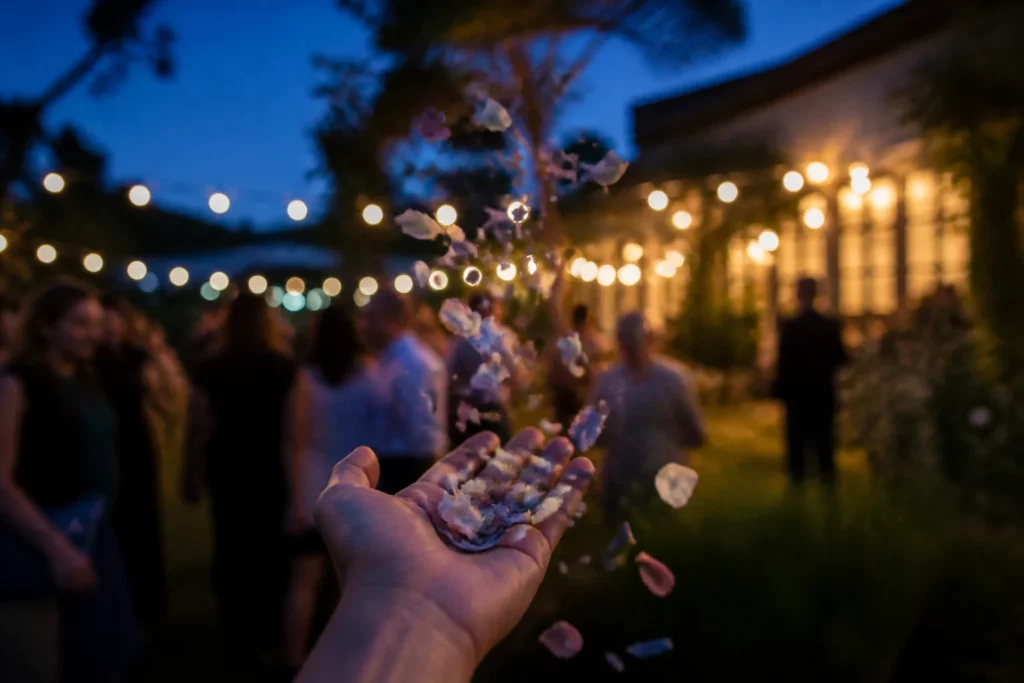
The best types of confetti for weddings are biodegradable options such as rice paper, real flower petals, and dried leaves, as they offer an eco-friendly and visually stunning effect without harming the environment or leaving a mess. Rice paper confetti, for instance, dissolves on contact with water, making it ideal for outdoor venues where cleanup is a concern. Natural flower petals, ranging from delicate rose petals to vibrant delphiniums, provide a romantic and fragrant touch, often preferred for their organic beauty and soft landing. Dried leaves, particularly smaller, colorful varieties, offer a rustic and sustainable alternative, especially fitting for autumn weddings. These choices ensure that the celebratory moment is memorable and beautiful, aligning with increasing preferences for sustainable event planning as of 2024, where venues often mandate biodegradable materials to protect local ecosystems and reduce waste.
Understanding the Different types of confetti for weddings
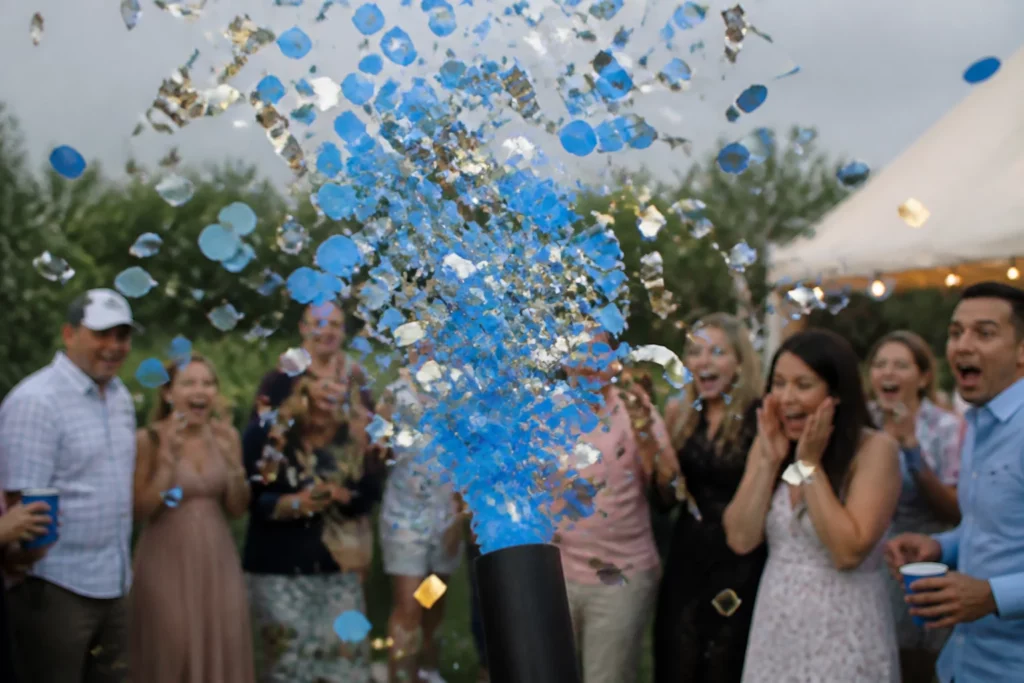
When planning a wedding, the choice of confetti can significantly impact both the aesthetic and environmental footprint of your celebration. Beyond the traditional paper options, a diverse range of materials is available, each offering unique characteristics in terms of appearance, fall rate, and biodegradability. For example, metallic confetti, while visually striking with its reflective shimmer, is typically made from plastic and is not biodegradable, posing a challenge for cleanup and environmental impact. In contrast, freeze-dried rose petals offer a luxurious feel and are completely natural, breaking down harmlessly into the soil. Understanding these distinctions is crucial for couples who want to create a magical moment while also being mindful of their venue’s policies and their personal values regarding sustainability. Many venues, especially those with gardens or historical grounds, now explicitly prohibit non-biodegradable confetti to preserve their landscapes and reduce maintenance efforts, a trend that has gained considerable traction over the last five years.
The decision often comes down to balancing visual appeal with practical considerations. For instance, larger confetti pieces, such as those cut from broad leaves or larger paper shapes, tend to fall slower, creating a more dramatic, lingering effect for photographs. Smaller, lighter options like tiny rice paper squares or delicate flower petals, on the other hand, create a dense, snow-like shower. Consider the wind conditions if your ceremony is outdoors; lightweight confetti can be carried away quickly, potentially reducing its visual impact or scattering it over a wider area. Furthermore, the color palette of your confetti should complement your wedding theme. A vibrant mix can add a playful pop, while monochromatic shades can enhance an elegant or minimalist aesthetic. In our experience, couples often underestimate the sheer volume of confetti needed to achieve a truly impactful shower, typically requiring several handfuls per guest for a truly memorable moment.
Choosing Confetti Based on Venue Restrictions and Environmental Impact
Venue restrictions are a primary consideration when selecting wedding confetti. Many venues, particularly those with historical significance, manicured gardens, or located near natural bodies of water, have strict policies against non-biodegradable materials. These policies are not merely aesthetic preferences; they are often in place to protect delicate ecosystems, prevent litter, and reduce the labor required for cleanup. For instance, a vineyard wedding venue in Napa Valley might prohibit anything that could contaminate the soil or harm local wildlife, making natural petals or rice paper the only permissible options. Conversely, an indoor ballroom venue might be more lenient, though still preferring easily cleanable materials.
The environmental impact extends beyond immediate cleanup. Non-biodegradable confetti, such as plastic or metallic foil, can persist in the environment for hundreds of years, breaking down into microplastics that pollute soil and water. This can harm birds and other animals who might ingest it, mistaking it for food. Biodegradable alternatives, on the other hand, decompose naturally, returning to the earth without leaving a lasting footprint. Rice paper, for example, dissolves completely with moisture, while real flower petals and dried leaves simply compost. This aligns with a broader movement towards sustainable event planning, where couples actively seek ways to minimize their wedding’s ecological footprint, reflecting a growing environmental consciousness among consumers and event professionals alike.
Practical Considerations for Confetti Distribution and Cleanup
Beyond the type of confetti, how it is distributed and subsequently cleaned up are practical aspects that warrant attention. For a grand exit or a celebratory toss, guests typically receive small cones, bags, or baskets filled with confetti. The method of distribution can influence the overall effect; a coordinated toss from all guests simultaneously creates a dramatic visual, while individual handfuls can lead to a more scattered, prolonged shower. It’s advisable to designate a few individuals or a wedding planner to manage the distribution to ensure everyone participates effectively and at the right moment. This coordination is particularly important for capturing those iconic confetti photographs.
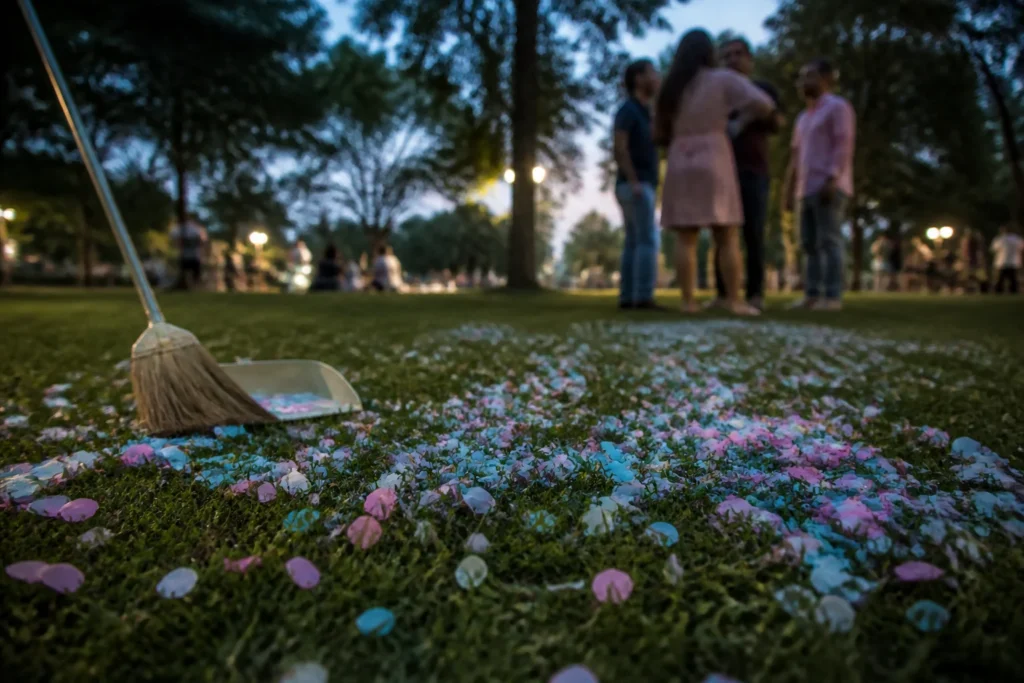
Cleanup, while often handled by venue staff, can be significantly eased by choosing the right confetti. Biodegradable options simplify the process immensely. For outdoor settings, natural petals or leaves can often be left to decompose, or easily raked away. Rice paper confetti, especially if there’s a chance of rain or dew, may simply disappear. Non-biodegradable confetti, however, requires meticulous sweeping, vacuuming, or even hand-picking, which can incur additional cleaning fees from the venue. A typical scenario for an outdoor wedding with 100 guests might involve 5-10 hours of cleanup for non-biodegradable confetti, whereas biodegradable options could reduce this to less than an hour, or even zero, depending on the material and weather conditions.
Creative Ways to Incorporate Confetti into Your Wedding
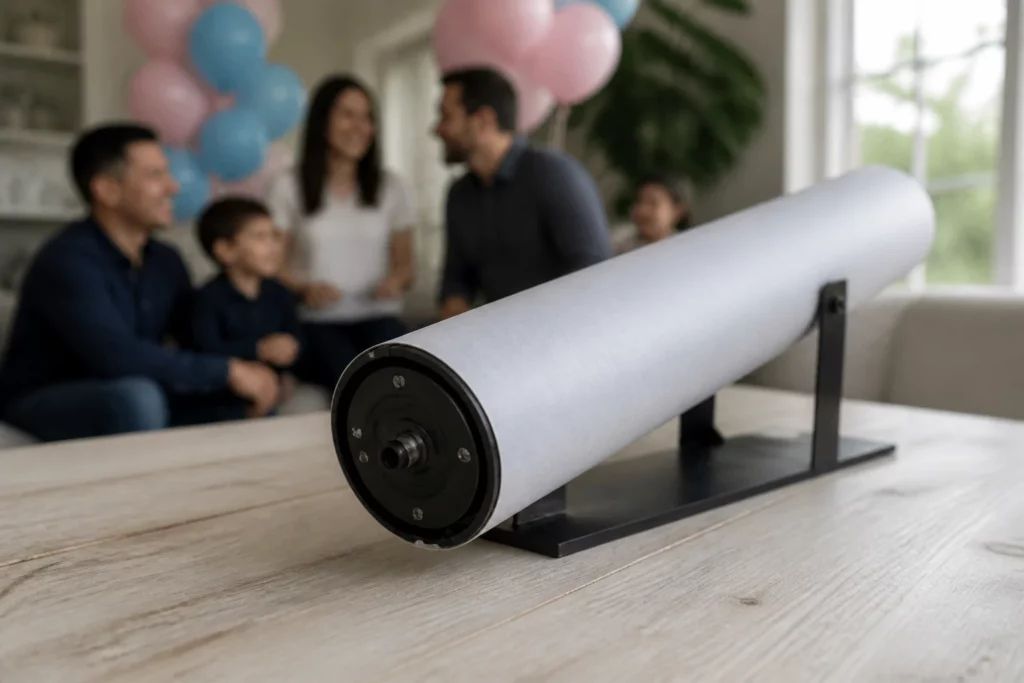
Confetti isn’t limited to the traditional exit toss; there are numerous creative ways to integrate it throughout your wedding day, adding unexpected pops of color and joy. Consider a confetti shower during your first dance, released from cannons or dropped from above, creating a magical, dreamlike atmosphere. This can be particularly effective indoors, where controlled conditions allow for a more precise and impactful display. Another idea is to use confetti as a decorative element, sprinkling it lightly on reception tables around centerpieces, or along the aisle for a whimsical touch. For these decorative uses, larger, more visually striking pieces like dried citrus slices or pressed flowers can add unique texture and aroma.
For a more interactive experience, provide guests with small packets of confetti to open at a specific moment, such as after the pronouncement of marriage or during a celebratory toast. This engages everyone in the festivities and creates a shared, memorable moment. Some couples even opt for “confetti bars” where guests can mix and match different types and colors of biodegradable confetti to create their personalized blend, adding a fun, customizable element to the reception. This approach not only provides entertainment but also ensures that the confetti used aligns with the couple’s aesthetic and environmental preferences, making the celebration truly unique and personal.
This personalized approach not only provides entertainment but also ensures that the confetti used aligns with the couple’s aesthetic and environmental preferences, making the celebration truly unique and personal. The visual impact of a well-timed confetti release can transform a moment from memorable to iconic, providing stunning photo opportunities that will be cherished for years. For example, a couple celebrating their wedding at a historic estate in Virginia might opt for a mix of dried lavender and rose petals, reflecting the garden’s natural beauty and adding a subtle, romantic fragrance to their first dance. This thoughtful integration elevates the confetti from a simple prop to an integral part of the wedding’s narrative and sensory experience, enhancing the overall ambiance and creating lasting impressions for both the couple and their guests.
Planning for a Picture-Perfect Confetti Moment
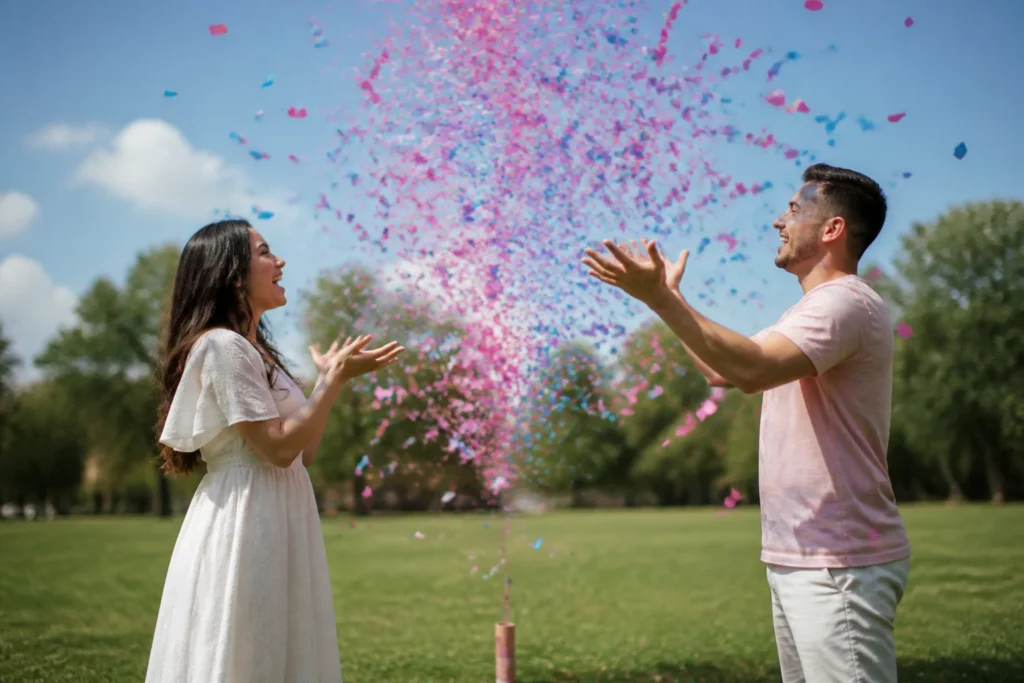
Achieving that iconic, picture-perfect confetti moment requires more than just selecting the right type of confetti; it demands careful planning and execution. Timing is paramount. The most visually stunning photos often capture confetti at its peak, usually a few seconds after the initial toss. This means coordinating with your photographer and potentially your wedding planner to ensure everyone is ready. For instance, if you’re planning a grand exit from the ceremony, instruct guests to hold their confetti until the photographer gives a signal, or until you’ve taken a few steps. This prevents premature tossing and ensures a concentrated, impactful shower. In our experience, providing clear instructions to guests, either verbally or through small printed cards with the confetti packets, significantly improves the outcome. A common mistake is to distribute confetti too early, leading to guests tossing it haphazardly before the key moment, diluting the visual effect.
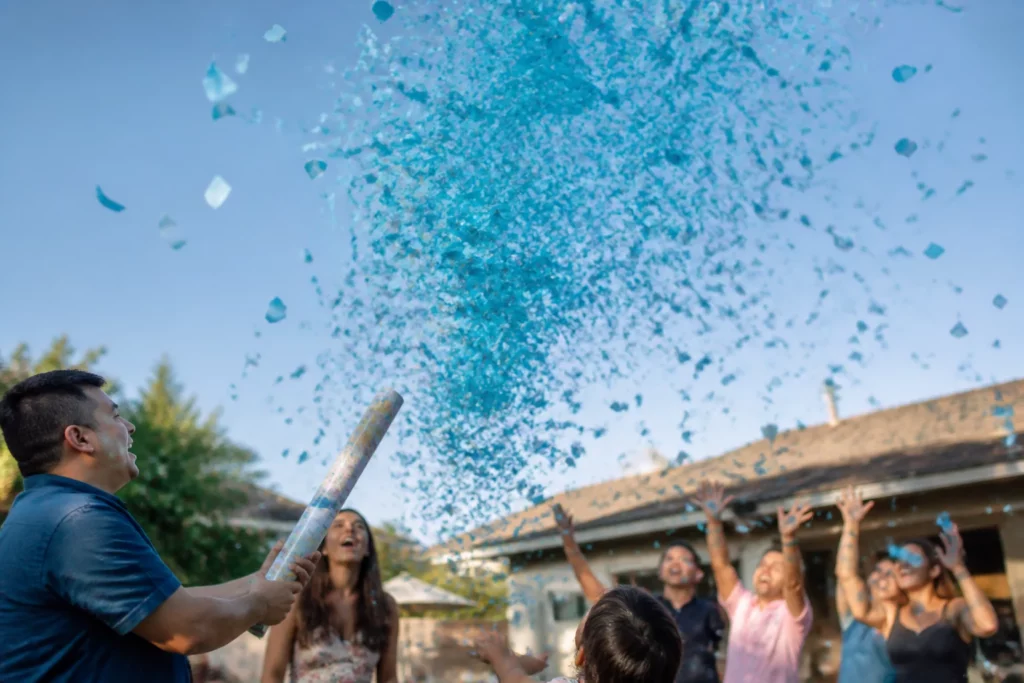
The quantity of confetti is another critical factor often underestimated. To create a truly dense, celebratory shower that looks impressive in photographs, you generally need more confetti than you might initially think. A good rule of thumb is to provide at least one to two large handfuls per guest, or approximately 10-15 grams of confetti per person. For a wedding with 100 guests, this could mean needing 1 to 1.5 kilograms of confetti. For a more dramatic effect, such as a confetti cannon release during a first dance, the volume would be significantly higher, often requiring specialized equipment and professional coordination. Consider the backdrop as well; lighter confetti against a dark background, or vice-versa, will create a more striking contrast. For example, white rice paper confetti against a dark green garden hedge will pop more than against a bright, overcast sky. As of 2024, many professional wedding photographers even offer specific guidance on confetti types and quantities to ensure the best possible shots, highlighting the importance of this detail in modern wedding aesthetics.
Finally, consider the logistics of confetti distribution and collection. While biodegradable options greatly simplify cleanup, ensuring a smooth process on the day itself is still important. If guests are tossing confetti, ensure there are designated areas for distribution and clear instructions on where and when to toss. For more elaborate displays, such as confetti drops or cannons, coordinate closely with your venue and any hired entertainment specialists. For example, an indoor venue might require specific types of confetti that won’t stain floors or interfere with ventilation systems, and a professional operator would ensure safe and effective deployment. Post-event, even with biodegradable confetti, a quick sweep or rake can help maintain the venue’s pristine condition, especially if the material is larger, like dried leaves. This attention to detail, from timing to quantity and logistics, ensures that your confetti moment is not only beautiful but also seamlessly integrated into your wedding day.
Crafting Your Unforgettable Confetti Experience
The journey to selecting the perfect confetti for your wedding is an opportunity to infuse your celebration with personal style and environmental responsibility. By understanding the nuances of different materials, considering venue policies, and planning for distribution and cleanup, you can create a truly magical and memorable moment. Whether you envision a delicate shower of rose petals or a vibrant burst of rice paper, the choices available today allow for both stunning aesthetics and a clear conscience. The key is to approach this decision with the same thoughtfulness you apply to other aspects of your wedding, ensuring every detail contributes to your dream day.
Bottom Line: The best types of confetti for weddings are biodegradable options like rice paper, real flower petals, and dried leaves, offering eco-friendly beauty that aligns with venue restrictions and simplifies cleanup while creating stunning visual effects.
Frequently Asked Questions
Is all confetti biodegradable?
No, not all confetti is biodegradable. Traditional metallic or plastic confetti is not biodegradable and can persist in the environment for hundreds of years. Biodegradable options include rice paper, real flower petals, and dried leaves, which decompose naturally.
How much confetti do I need for a wedding?
For a noticeable visual effect, plan for approximately one to two large handfuls or 10-15 grams of confetti per guest. For a wedding with 100 guests, this typically translates to 1 to 1.5 kilograms of confetti to ensure a dense, impactful shower.
Can I use confetti indoors?
Yes, confetti can be used indoors, but venue restrictions and cleanup considerations are crucial. Biodegradable options are generally preferred, and for dramatic effects like confetti cannons, professional coordination is often recommended to ensure safety and proper deployment.
What are the most eco-friendly confetti options?
The most eco-friendly confetti options are natural materials that decompose harmlessly. These include rice paper, which dissolves with water; real flower petals (fresh or freeze-dried); and dried leaves, all of which return to the earth without leaving a lasting environmental footprint.
Related Articles