AnswerTo effectively
clean up confetti, the most efficient methods depend on the type of confetti, the surface it landed on, and the quantity. For small, lightweight paper confetti on hard surfaces, a vacuum cleaner with a brush attachment is often the quickest solution, followed by…
TL;DR
- Proactive preparation can significantly reduce the effort required for post-event confetti cleanup.
- The material composition of confetti dictates the most effective cleanup strategy.
- Different surfaces require tailored approaches to confetti removal to prevent damage and ensure thoroughness.
- Achieving a truly spotless finish after a confetti event often involves a multi-stage approach, moving from bulk removal to fine detailing.
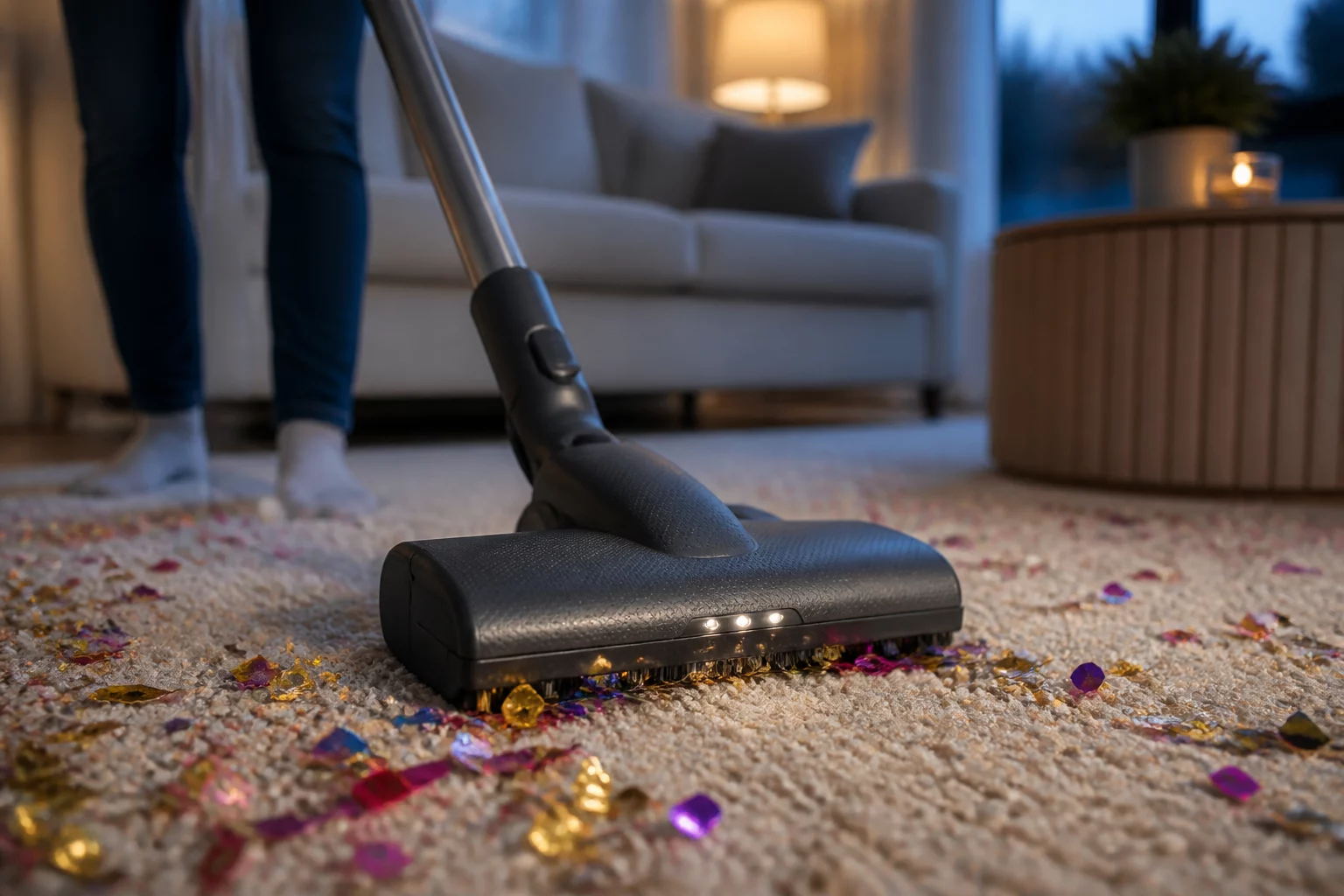
- For carpet, a powerful vacuum cleaner with strong suction is essential.
How To Clean Up Confetti?
To effectively clean up confetti, the most efficient methods depend on the type of confetti, the surface it landed on, and the quantity. For small, lightweight paper confetti on hard surfaces, a vacuum cleaner with a brush attachment is often the quickest solution, followed by a damp cloth for any lingering dust. On carpets, a powerful vacuum cleaner is essential, potentially requiring multiple passes. Biodegradable or water-soluble confetti can be swept or vacuumed, and then dissolved with water, making it ideal for outdoor events. For large-scale cleanups, such as after a parade or major event, leaf blowers can be highly effective outdoors, while industrial vacuums are best for large indoor areas. Specialized tools like lint rollers or masking tape are excellent for picking up stubborn pieces from fabric or delicate surfaces. The key is to assess the situation and choose the method that minimizes effort while ensuring a thorough cleanup, preventing confetti from becoming a persistent nuisance.
PREPARING FOR CONFETTI CLEANUP
Proactive preparation can significantly reduce the effort required for post-event confetti cleanup. Before distributing confetti, consider the environment and the type of confetti being used. For instance, if an event is held outdoors on a grassy area, opting for biodegradable or water-soluble confetti is a wise choice, as it will naturally break down or dissolve with rain or a light watering, minimizing manual labor. Indoors, especially on delicate flooring or intricate rugs, choosing larger confetti pieces can make vacuuming or sweeping more efficient, as smaller, finer pieces tend to embed themselves more deeply.
Another crucial aspect of preparation involves having the right tools readily available. For a small home party, a handheld vacuum, a dustpan and brush, and a roll of masking tape might suffice. For larger venues, ensuring access to industrial-grade vacuums, leaf blowers, or even pressure washers (for outdoor, water-soluble confetti) can be a game-changer. Thinking ahead about waste disposal is also important; having designated bins or bags specifically for confetti collection can streamline the process and prevent it from mixing with other refuse, making recycling or composting easier if applicable.
TACKLING DIFFERENT CONFETTI TYPES
The material composition of confetti dictates the most effective cleanup strategy. Traditional paper confetti, while festive, can be particularly clingy due to static electricity. On hard floors like wood or tile, a dry mop followed by a vacuum cleaner with a HEPA filter can capture most pieces. For static-prone paper confetti on carpet, a dryer sheet rubbed over the affected area before vacuuming can help neutralize the static charge, making the vacuum more effective. Alternatively, a slightly damp cloth can pick up individual pieces, though this method is more labor-intensive for large quantities.
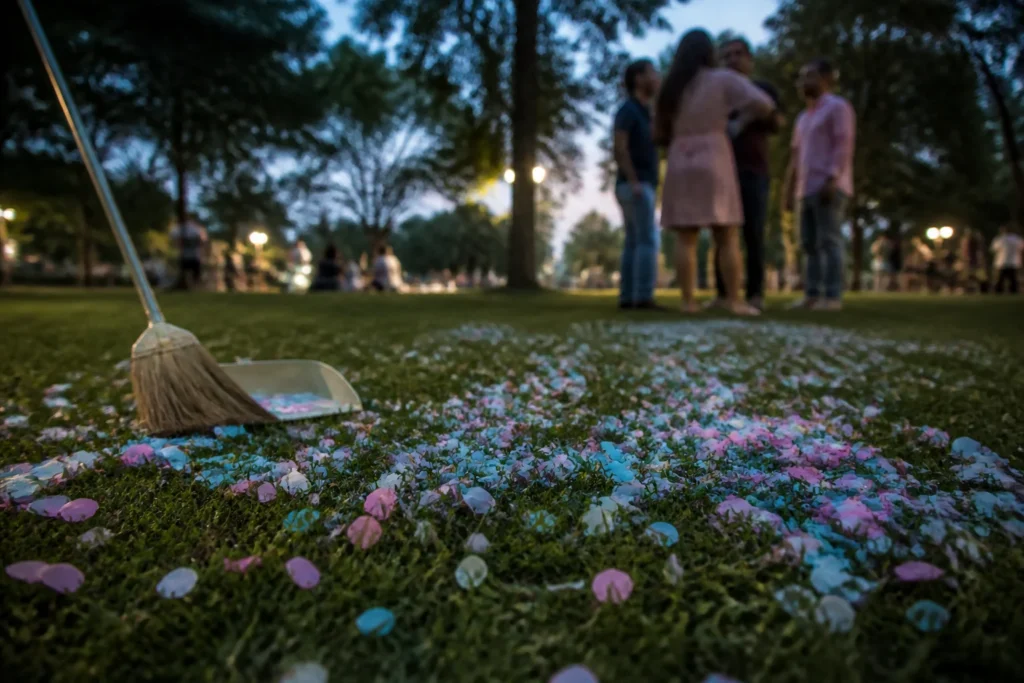
Metallic or plastic confetti presents a different challenge. These materials are often heavier and less prone to static cling but can be more difficult to pick up with standard brooms, especially on uneven surfaces. A powerful vacuum cleaner is usually the best bet for these types, particularly models designed for workshop or industrial use that can handle heavier debris without clogging. For outdoor events, metallic confetti can be particularly problematic if it enters storm drains, so careful containment and immediate cleanup are paramount. Biodegradable confetti, often made from rice paper, cornstarch, or flower petals, is designed for minimal environmental impact. After sweeping or vacuuming the bulk, any remaining pieces can often be left to decompose naturally, or dissolved with a light spray of water, making it ideal for gardens or parks.
CLEANING CONFETTI FROM SPECIFIC SURFACES
Different surfaces require tailored approaches to confetti removal to prevent damage and ensure thoroughness. On delicate fabrics like upholstery or drapes, harsh scrubbing or powerful vacuums can cause damage. Instead, a lint roller or a piece of masking tape gently pressed and lifted repeatedly is highly effective for picking up individual pieces without harming the material. For more embedded confetti in fabric, a soft-bristled brush can help dislodge pieces before using a lint roller.
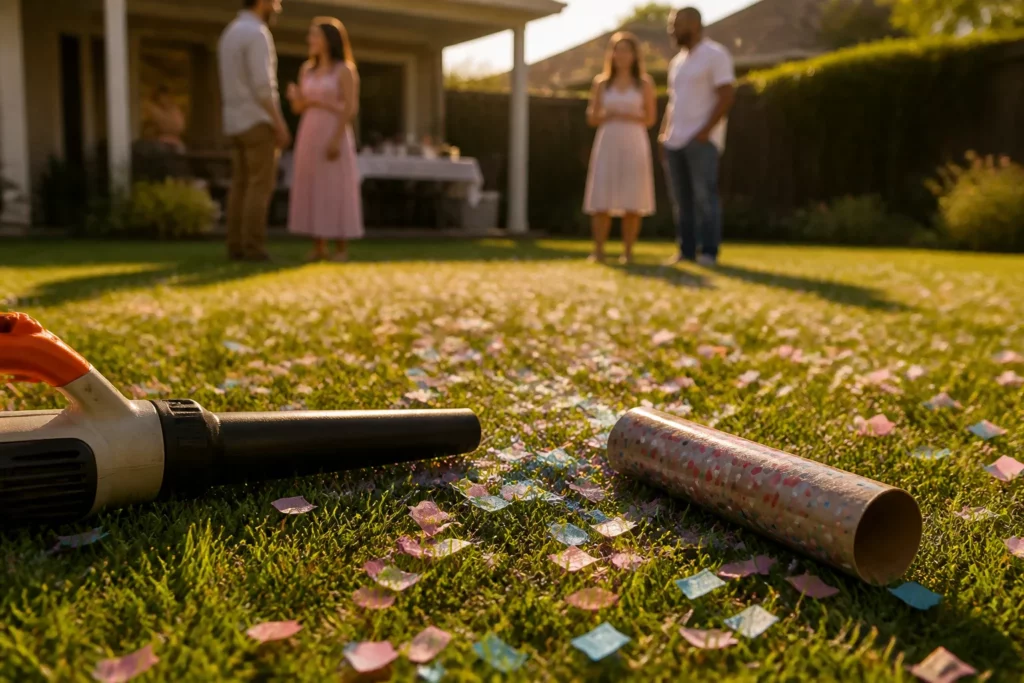
Outdoor surfaces such as concrete patios or asphalt driveways can be efficiently cleaned with a leaf blower for dry confetti. For wet or sticky confetti, a pressure washer can be used, provided the surface can withstand the force. When dealing with grass or natural ground, especially after a large event, a rake can gather larger pieces, followed by a leaf blower on a low setting to collect smaller fragments. For water-soluble confetti, a simple garden hose can often wash away the remnants, allowing them to dissolve into the soil without harm. Always consider the surface material’s durability and potential for scratching or water damage before applying any cleaning method.
When confetti lands on electronics, such as keyboards, speakers, or intricate camera equipment, extreme caution is necessary. Using a can of compressed air can dislodge pieces from crevices, but it’s crucial to hold the can upright to prevent propellant from spraying onto sensitive components. For screens or delicate lenses, a microfiber cloth is best, gently wiping away pieces without scratching. Avoid using liquids near electronics, as even a damp cloth can cause irreparable damage. For deeply embedded confetti in keyboards, a specialized keyboard cleaning gel or putty can be pressed onto the keys to lift out debris without disassembly. According to tech repair specialists, improper cleaning of electronics is a leading cause of device failure, emphasizing the need for gentle, non-invasive methods.
For vehicles, confetti cleanup requires attention to both interior and exterior surfaces. On car exteriors, especially after a parade, a gentle rinse with a hose can remove most dry confetti. For pieces stuck to the paint, particularly after rain or if they’ve been there for a while, a car wash soap and soft sponge are recommended to avoid scratching the finish. Avoid harsh brushes or high-pressure washers directly on delicate areas. Inside the car, a portable car vacuum with various attachments is ideal for seats, floor mats, and dashboard crevices. For stubborn pieces on fabric upholstery, a lint roller can be surprisingly effective. As one automotive detailing expert notes, “confetti, especially metallic types, can leave tiny scratches if not removed carefully, so always prioritize gentle methods.”
Ensuring a Spotless Finish and Preventing Future Messes
Achieving a truly spotless finish after a confetti event often involves a multi-stage approach, moving from bulk removal to fine detailing. After the primary cleanup methods have been employed, a final pass with a slightly damp microfiber cloth on hard surfaces can pick up any residual dust or tiny fragments that might have been missed. For carpets, a final vacuuming with a fresh bag or emptied canister ensures maximum suction and prevents redistribution of fine particles. It’s also beneficial to check less obvious areas, such as window sills, baseboards, and under furniture, where confetti can easily accumulate unnoticed. This meticulous attention to detail is what separates a good cleanup from an exceptional one, ensuring no lingering reminders of the celebration.
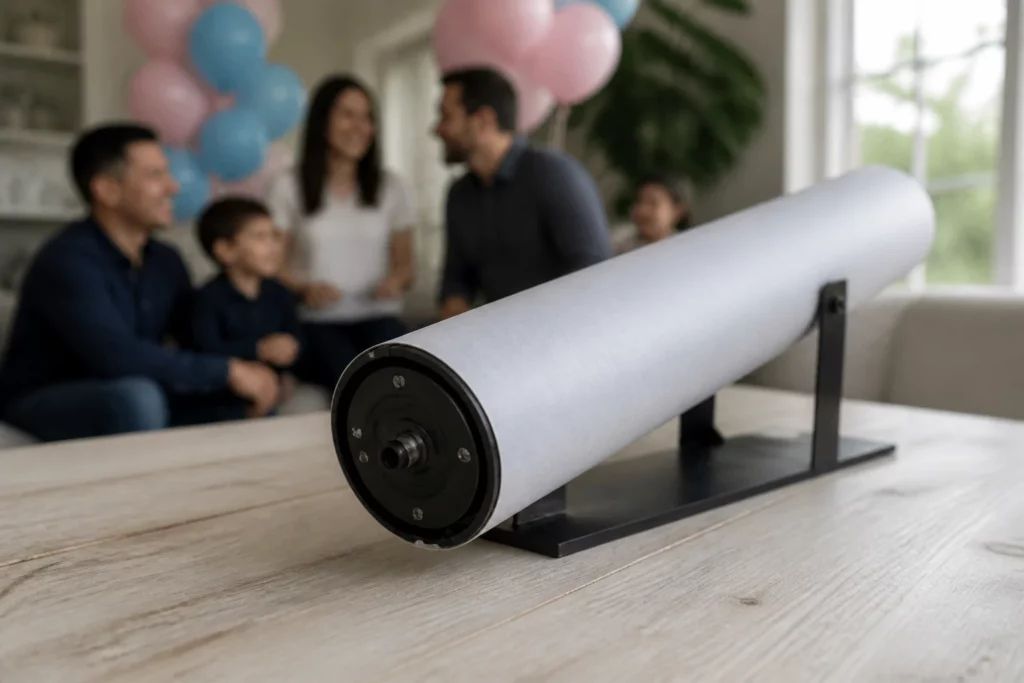
Preventing future confetti messes begins with thoughtful planning and material selection. As of 2024, there’s a growing trend towards eco-friendly confetti options, which not only simplify cleanup but also reduce environmental impact. Opting for larger, heavier confetti pieces can significantly reduce scattering and embedding, making subsequent vacuuming or sweeping much more efficient. For outdoor events, biodegradable confetti made from materials like rice paper or flower petals is a game-changer, as it can often be left to decompose naturally or dissolved with water, eliminating the need for extensive manual cleanup. Some event planners even suggest using confetti cannons that launch confetti into designated, easily cleanable zones, rather than allowing it to disperse indiscriminately across an entire venue.
Another proactive measure involves creating containment zones or using temporary barriers. For indoor events, laying down large tarps or plastic sheeting in high-confetti areas can catch the majority of the pieces, allowing for a quick roll-up and disposal. Similarly, for outdoor events, setting up temporary fencing or designating specific “confetti zones” can help limit the spread. Educating guests about responsible confetti use, perhaps with signage or announcements, can also contribute to a cleaner environment. For instance, encouraging guests to keep confetti within certain boundaries or to use it over easily cleanable surfaces can drastically reduce the post-event workload. Industry surveys indicate that events incorporating these preventative strategies typically reduce cleanup time by 30-50% compared to those without any pre-planning.
Your Next Steps for a Sparkling Space
Now that you’re equipped with comprehensive strategies for confetti cleanup, consider your next event. Evaluate the type of confetti you plan to use, the venue, and the surfaces involved. Gather your tools in advance, whether it’s a powerful vacuum, a leaf blower, or a simple lint roller. Implement preventative measures like containment zones or choosing biodegradable options. A little foresight goes a long way in transforming a daunting cleanup task into a manageable one, leaving you more time to enjoy the memories of your celebration rather than stressing over the aftermath.
Bottom Line: Effectively cleaning up confetti requires assessing the confetti type, surface, and quantity to choose the most appropriate tools and methods, with proactive preparation significantly reducing post-event effort.
Frequently Asked Questions
What is the best way to clean up confetti from carpet?
For carpet, a powerful vacuum cleaner with strong suction is essential. For static-prone paper confetti, rubbing a dryer sheet over the area before vacuuming can help neutralize static and improve pickup efficiency.
How do you remove confetti from delicate fabrics?
On delicate fabrics like upholstery or drapes, use a lint roller or masking tape. Gently press and lift the tape or roller repeatedly to pick up individual pieces without damaging the material.
Can biodegradable confetti be left outdoors?
Yes, biodegradable confetti, often made from rice paper or flower petals, is designed to decompose naturally or dissolve with water. It can typically be left outdoors to break down over time, especially in gardens or grassy areas.
What tools are best for large outdoor confetti cleanups?
For large outdoor cleanups, leaf blowers are highly effective for dry confetti on hard surfaces like concrete. For water-soluble confetti, a pressure washer or garden hose can dissolve and wash away remnants.