Answereco-friendly confetti options provide a sustainable and biodegradable alternative to traditional plastic or metallic confetti, ensuring celebrations leave no lasting environmental impact. These options typically break down naturally within days or weeks, depending on the material and environmental conditions, unlike conventional confetti which can persist…
TL;DR
- For confetti to be genuinely eco-friendly, it must meet several key criteria, primarily focusing on its biodegradability and the absence of harmful chemicals or microplastics.
- The array of materials available for eco-friendly confetti is diverse, each offering distinct advantages in terms of aesthetics, decomposition rate, and suitability for different event types.
- Selecting the appropriate eco-friendly confetti involves considering several factors, including the event's location, theme, and the desired visual effect.
- Moving beyond the materials themselves, the broader adoption of eco-friendly confetti options signifies a cultural shift towards more conscious consumption and celebration.
- Most eco-friendly confetti is suitable for various locations, but it's crucial to check local regulations and venue policies.
Eco-friendly Confetti Options
Eco-friendly confetti options provide a sustainable and biodegradable alternative to traditional plastic or metallic confetti, ensuring celebrations leave no lasting environmental impact. These options typically break down naturally within days or weeks, depending on the material and environmental conditions, unlike conventional confetti which can persist for hundreds of years. Common choices include dried flower petals, leaves, birdseed, rice paper, and even plantable seed paper, each offering unique aesthetic and ecological benefits. For instance, a wedding venue might opt for lavender petals for their fragrance and rapid decomposition, while a public event could use rice paper confetti, which dissolves quickly with moisture. The shift towards these materials is driven by increasing environmental awareness and regulations, with many event planners and venues now prioritizing materials that align with ‘leave no trace’ principles, according to recent industry surveys as of 2024.
What Makes Confetti Truly Eco-Friendly? eco-friendly confetti options
For confetti to be genuinely eco-friendly, it must meet several key criteria, primarily focusing on its biodegradability and the absence of harmful chemicals or microplastics. The material should decompose naturally and quickly, returning to the earth without leaving behind synthetic residues. This means avoiding plastics, even those labeled “biodegradable” if they require specific industrial composting conditions not readily available in natural environments. Furthermore, the dyes used should be non-toxic and water-soluble, ensuring they do not contaminate soil or water systems. For example, confetti made from dyed wood pulp might be considered eco-friendly if the dyes are vegetable-based and the pulp is sourced from sustainably managed forests, as advised by environmental certification bodies. A truly sustainable option also considers the entire lifecycle, from sourcing raw materials to manufacturing and disposal, minimizing carbon footprint and waste at every stage.
The impact of non-eco-friendly confetti can be significant, particularly in natural settings. Traditional plastic confetti, often made from PVC or PET, breaks down into microplastics that pollute oceans, harm wildlife, and enter the food chain. A study published in 2023 highlighted that microplastic pollution from single-use celebratory items contributes substantially to environmental degradation in coastal areas. In contrast, materials like dried leaves or flower petals offer a completely natural solution. These options not only decompose rapidly but can also enrich the soil, acting as natural compost. When choosing eco-friendly confetti, it’s crucial to verify claims of biodegradability and compostability, often by looking for certifications from reputable environmental organizations. Without such verification, products labeled “green” or “natural” might still contain hidden synthetic components or harmful dyes that undermine their environmental claims.
Beyond the material itself, the method of production and packaging also plays a role in the overall eco-friendliness of confetti. Sustainable confetti producers often use recycled or recyclable packaging, minimize water and energy consumption during manufacturing, and source materials locally to reduce transportation emissions. For instance, a company specializing in seed paper confetti might use solar power in its production facility and package its products in compostable bags made from corn starch. This holistic approach ensures that the product is not just biodegradable at the end of its life but also produced with minimal environmental impact throughout its creation. Consumers should look for transparency from manufacturers regarding their sourcing, production processes, and waste management practices to make informed choices that truly support environmental sustainability.
Types of Eco-Friendly Confetti Materials
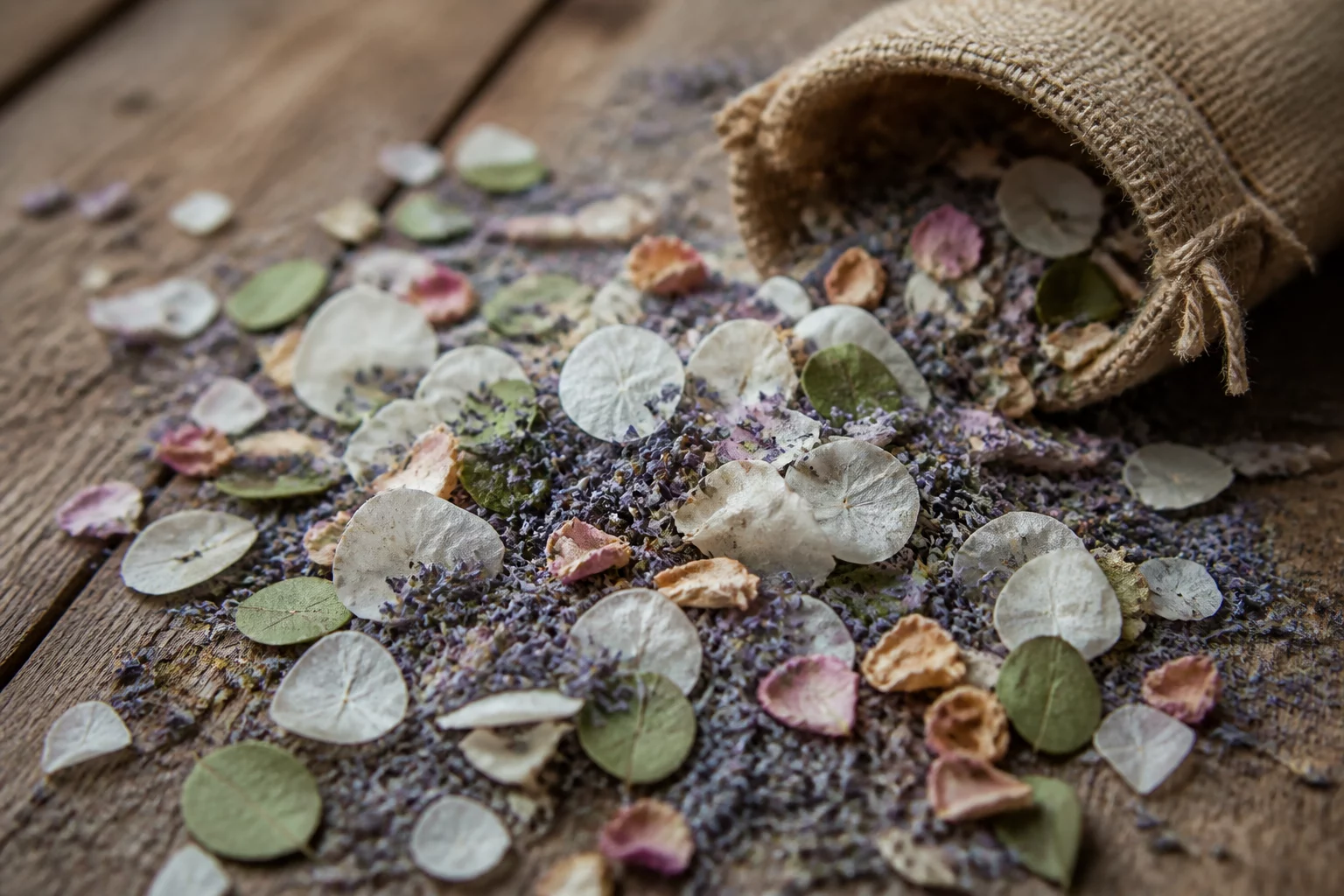
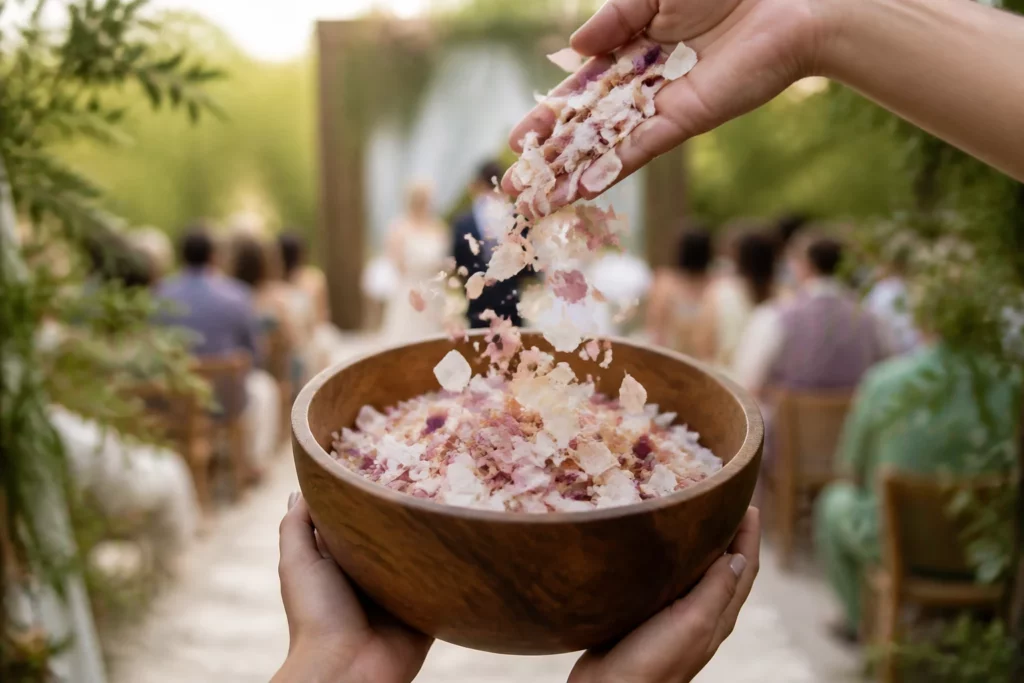
The array of materials available for eco-friendly confetti is diverse, each offering distinct advantages in terms of aesthetics, decomposition rate, and suitability for different event types. Understanding these options helps in making an informed choice that aligns with both environmental goals and celebratory needs. For instance, natural flower petals, such as rose, lavender, or delphinium, are a popular choice due to their vibrant colors, natural fragrances, and rapid biodegradability. They are ideal for outdoor weddings or garden parties where their organic nature blends seamlessly with the surroundings. These petals typically decompose within a few days, enriching the soil as they break down.
Another excellent option is rice paper confetti, which is incredibly lightweight and dissolves almost instantly upon contact with water, making it perfect for events where quick disappearance is paramount, such as near bodies of water or in urban settings where cleanup might be challenging. Seed paper confetti takes eco-friendliness a step further by embedding wildflower or herb seeds within the paper. After the celebration, when the confetti is left on the ground or planted, it can sprout new life, leaving a positive ecological footprint. This type is particularly meaningful for events focused on growth and new beginnings, like baby showers or anniversaries.
Dried leaves, often punched into various shapes, provide a rustic and autumnal feel. They are completely natural, readily available, and decompose at a similar rate to flower petals. Birdseed confetti, while not visually as striking as petals, offers a practical solution for outdoor events, as it provides a treat for local wildlife and leaves no waste behind. However, it’s important to ensure the birdseed used is appropriate for local bird species and free from harmful additives. Each of these materials presents a unique way to celebrate responsibly, demonstrating that joy and environmental stewardship can go hand-in-hand.
Choosing the Right Eco-Friendly Confetti for Your Event
Selecting the appropriate eco-friendly confetti involves considering several factors, including the event’s location, theme, and the desired visual effect. For outdoor venues, especially those with sensitive ecosystems like parks or beaches, materials that decompose quickly and naturally are paramount. Dried flower petals or leaves are excellent choices here, as they integrate back into the natural environment without intervention. For example, a beach wedding might benefit from white or pastel flower petals that mimic seafoam and quickly break down with the tide or wind, leaving no trace.
Indoor events or venues with strict cleanup policies might favor options like rice paper confetti, which can be easily swept or vacuumed, and any remnants will dissolve with minimal moisture. Consider a corporate event held in a rented hall; rice paper confetti ensures a quick and clean departure, aligning with venue requirements. The aesthetic appeal is also a significant consideration. For a whimsical, colorful celebration, a mix of vibrant flower petals might be ideal. For a more understated or rustic theme, natural-toned dried leaves or even wood shavings (from untreated, sustainably sourced wood) could be more fitting.
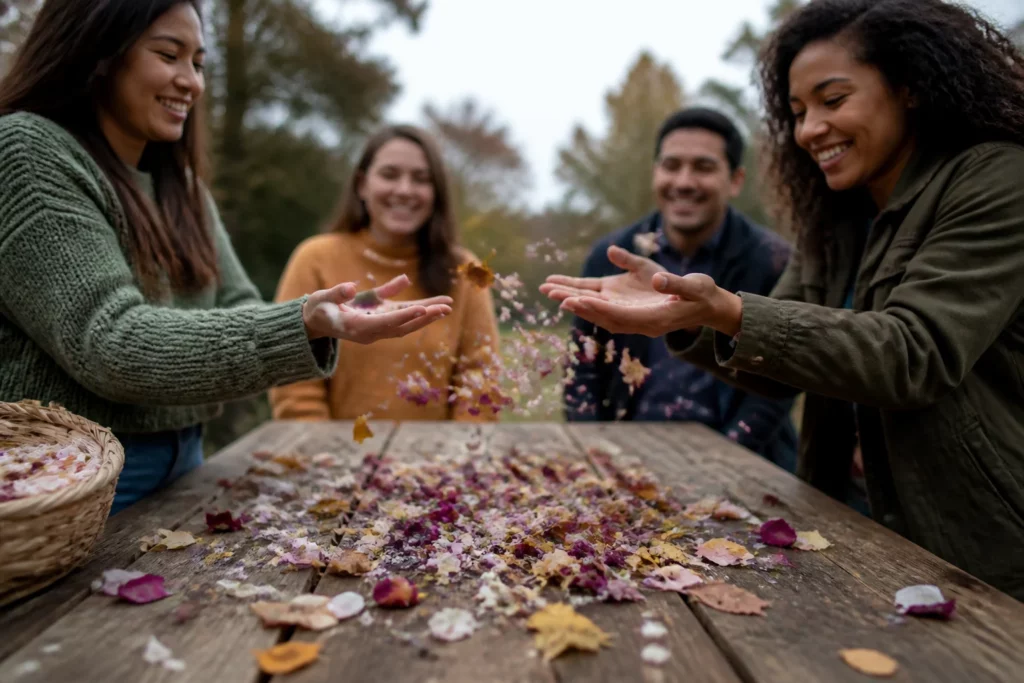
Furthermore, the “leave no trace” principle should guide your decision. This means not only choosing biodegradable materials but also considering the quantity used and the method of dispersal. Overwhelming an area with even eco-friendly confetti can still create a temporary visual impact that might be undesirable. A typical scenario might involve a small garden party where guests are given small handfuls of lavender petals to toss, ensuring a beautiful effect without excessive accumulation. Always verify any local regulations or venue-specific rules regarding confetti use, as some locations may have restrictions even on eco-friendly options to maintain pristine conditions.
The choice of confetti also impacts the event’s overall environmental footprint. For instance, a large-scale festival might opt for a combination of rice paper and dried flower petals, ensuring that the vast quantities dispersed will not overwhelm local ecosystems. According to a 2023 report by the Event Greening Alliance, over 60% of event organizers now prioritize biodegradable materials for all decorative elements, including confetti, reflecting a significant industry shift towards sustainability. This trend underscores the importance of not just selecting eco-friendly materials, but also integrating them thoughtfully into the event’s design and execution to minimize any potential negative impact. Ultimately, responsible confetti use is about balancing celebratory joy with ecological mindfulness, ensuring that the memories created are as clean and green as the materials chosen.
Embracing Sustainable Celebrations with Eco-Friendly Confetti
Moving beyond the materials themselves, the broader adoption of eco-friendly confetti options signifies a cultural shift towards more conscious consumption and celebration. This movement is not merely about avoiding plastic, but about actively choosing products that contribute positively to the environment. For example, a community fair might host a “seed bomb” confetti toss, where participants throw confetti embedded with native wildflower seeds, effectively participating in local reforestation efforts while celebrating. This transforms a simple act of celebration into a tangible environmental benefit, aligning with the growing public desire for events that are both enjoyable and responsible. The increasing availability and affordability of these sustainable alternatives, driven by consumer demand and technological advancements in biodegradable materials, make it easier than ever for individuals and organizations to make greener choices.
The long-term benefits of choosing eco-friendly confetti extend beyond immediate environmental protection. By normalizing the use of biodegradable materials, we contribute to a broader educational effort, raising awareness about the impact of our choices and encouraging sustainable practices in other areas of life. Consider a school graduation ceremony where students toss plantable seed paper confetti; this act not only avoids pollution but also instills a valuable lesson about environmental stewardship in the next generation. Industry experts, such as those at the Green Event Institute, emphasize that such visible commitments to sustainability can inspire attendees and stakeholders to adopt similar practices, creating a ripple effect that amplifies positive environmental outcomes. This holistic view of celebration, where every element is considered for its ecological impact, represents a significant step forward in our collective journey towards a more sustainable future.
Your Next Steps Towards a Greener Celebration
To ensure your next event is as eco-conscious as possible, begin by researching local regulations regarding confetti use, as some areas may have specific guidelines even for biodegradable options. Next, identify the primary characteristics you need from your confetti: rapid dissolution for sensitive areas, visual impact for photos, or a positive ecological contribution like seed paper. Finally, seek out suppliers who are transparent about their sourcing and manufacturing processes, ideally those with certifications from environmental bodies. This diligent approach guarantees that your celebration leaves only happy memories, not environmental harm.
Bottom Line: Eco-friendly confetti options provide a sustainable and biodegradable alternative to traditional confetti, ensuring celebrations leave no lasting environmental impact by decomposing naturally and quickly without harmful residues.
Frequently Asked Questions
Can eco-friendly confetti be used anywhere?
Most eco-friendly confetti is suitable for various locations, but it’s crucial to check local regulations and venue policies. Some sensitive natural areas or indoor venues might have specific restrictions even for biodegradable options to maintain cleanliness or protect ecosystems.
How quickly does eco-friendly confetti decompose?
Decomposition rates vary by material. Dried flower petals and leaves typically break down within days to a few weeks. Rice paper confetti dissolves almost instantly upon contact with water, while seed paper will decompose and sprout over a longer period.
Are the dyes used in colored eco-friendly confetti safe?
Truly eco-friendly confetti uses non-toxic, water-soluble, and often vegetable-based dyes that do not contaminate soil or water. Always verify product claims and look for certifications to ensure the dyes are environmentally safe.
Does eco-friendly confetti attract pests or wildlife?
Materials like birdseed confetti are designed to be consumed by wildlife, leaving no waste. Other options like flower petals or rice paper are generally not attractive to pests and decompose naturally without causing issues.
Related Articles