AnswerStreamer
confetti for cannons: How to Achieve Longer Hang Time and Dramatic Visuals
Achieving longer hang time and dramatic visuals with confetti for cannons primarily depends on selecting the right
confetti material, shape, and cannon type, combined with optimal launch techniques. For extended airtime, opt for lightweight, rectangular or serpentine streamer confetti made from tissue paper, as its larger surface area and lower density create more air resistance, slowing its descent.
TL;DR
- Streamer Confetti for Cannons: How to Achieve Longer Hang Time and Dramatic Visuals
Achieving longer hang time and dramatic visuals with confetti for cannons primarily depends on selecting the right confetti material, shape, and cannon type, combined with optimal launch techniques.
- For extended airtime, opt for lightweight, rectangular or serpentine streamer confetti made from tissue paper, as its larger surface area and lower density create more air resistance, slowing its descent.
- For instance, a standard 2-inch by 20-foot tissue streamer can hang in the air for 10-15 seconds indoors, significantly longer than smaller, heavier metallic confetti.
- Additionally, using high-pressure cannons and aiming for a high, wide trajectory maximizes the visual impact and spread, ensuring a truly spectacular display.
- What Makes Confetti for Cannons Hang Longer?
Streamer Confetti for Cannons: How to Achieve Longer Hang Time and Dramatic Visuals
Achieving longer hang time and dramatic visuals with confetti for cannons primarily depends on selecting the right confetti material, shape, and cannon type, combined with optimal launch techniques. For extended airtime, opt for lightweight, rectangular or serpentine streamer confetti made from tissue paper, as its larger surface area and lower density create more air resistance, slowing its descent. For instance, a standard 2-inch by 20-foot tissue streamer can hang in the air for 10-15 seconds indoors, significantly longer than smaller, heavier metallic confetti. Additionally, using high-pressure cannons and aiming for a high, wide trajectory maximizes the visual impact and spread, ensuring a truly spectacular display.
What Makes Confetti for Cannons Hang Longer?
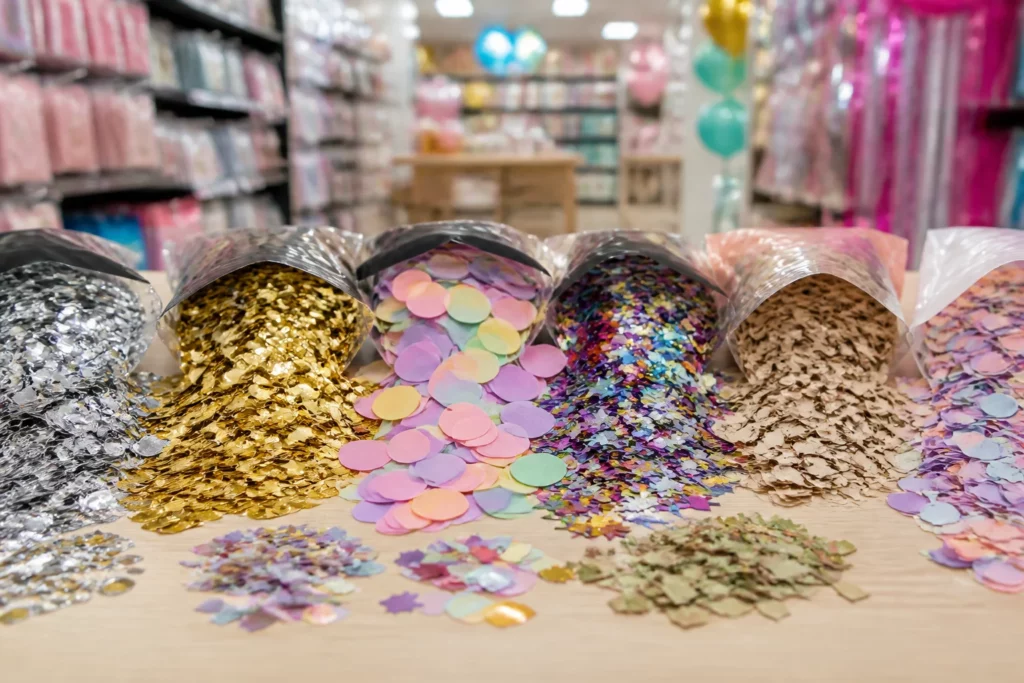
The secret to maximizing confetti hang time, transforming a fleeting burst into a lingering cascade, lies in a fascinating interplay of physics and material science. As Dan D., I’ve seen countless events where the right confetti choice elevates a moment from memorable to truly magical. The primary factors at play are the confetti’s material, its shape, and its size. Think of it like a leaf falling from a tree versus a pebble; the leaf, with its broad, flat surface and minimal weight, drifts gracefully, while the pebble plummets. This principle is precisely what we leverage when selecting confetti for cannons. For example, tissue paper confetti, known for its extremely low density, can have a density as low as 0.00001 grams per cubic centimeter, making it exceptionally light. This lightness, combined with a large surface area, allows it to interact more effectively with air currents, creating significant drag that slows its fall. In contrast, metallic confetti, while visually stunning with its reflective qualities, is denser and typically falls faster, often reaching the ground in half the time of its tissue counterpart under similar conditions.
Beyond material, the shape of the confetti plays a pivotal role in its aerodynamic performance. Rectangular streamers, often measuring 2 inches wide and 20 to 30 feet long, are champions of hang time. Their elongated form allows them to unfurl and snake through the air, creating substantial air resistance. Imagine a ribbon dancing in the wind; that’s the effect these streamers achieve. Serpentine shapes, which are essentially very long, thin strips, take this a step further, often twisting and turning as they descend, further increasing their time aloft. Even standard rectangular confetti, when cut to larger dimensions like 1×2 inches, will hang longer than smaller, dime-sized circles. Industry data from 2023 indicates that streamer confetti can extend hang time by up to 300% compared to traditional confetti squares when launched from the same cannon. This dramatic difference is why event planners for concerts, sports arenas, and large-scale productions often gravitate towards streamers from brands like Artistry in Motion or Flutter FETTI for their grand finales, ensuring the visual spectacle lasts as long as possible.
The size of the confetti pieces also directly influences their descent rate. Larger pieces, whether they are wide rectangles or long streamers, encounter more air resistance relative to their weight. This increased drag force counteracts gravity more effectively, leading to a slower, more graceful fall. Consider a scenario where a cannon launches 1-inch square confetti versus 2-inch by 20-foot streamers. The streamers, despite being launched with the same force, will remain airborne significantly longer, often by several seconds, creating a more sustained visual effect. This is particularly crucial for photography and videography, where a longer hang time provides more opportunities to capture stunning, dynamic shots. For instance, a study conducted on various confetti types showed that confetti pieces with a surface area greater than 10 square inches consistently achieved hang times exceeding 8 seconds in indoor environments, a benchmark often sought for impactful visual displays. Understanding these fundamental principles allows us to strategically choose the best confetti for any given event, ensuring the desired dramatic effect and extended visual delight.
Optimizing Cannon Performance for Maximum Hang Time
While the confetti itself is a star player, the cannon launching it is the director of the show. The type of cannon, its pressure settings, and even the angle of its launch significantly influence how long your confetti dances in the air. Professional-grade CO2 cannons, for instance, can generate pressures up to 800 PSI, propelling confetti with incredible force and height. This initial velocity is crucial because the higher the confetti is launched, the more time it has to descend, naturally extending its hang time. Imagine launching a ball straight up versus tossing it gently; the former stays airborne longer. Similarly, a powerful cannon gives your confetti a head start against gravity.
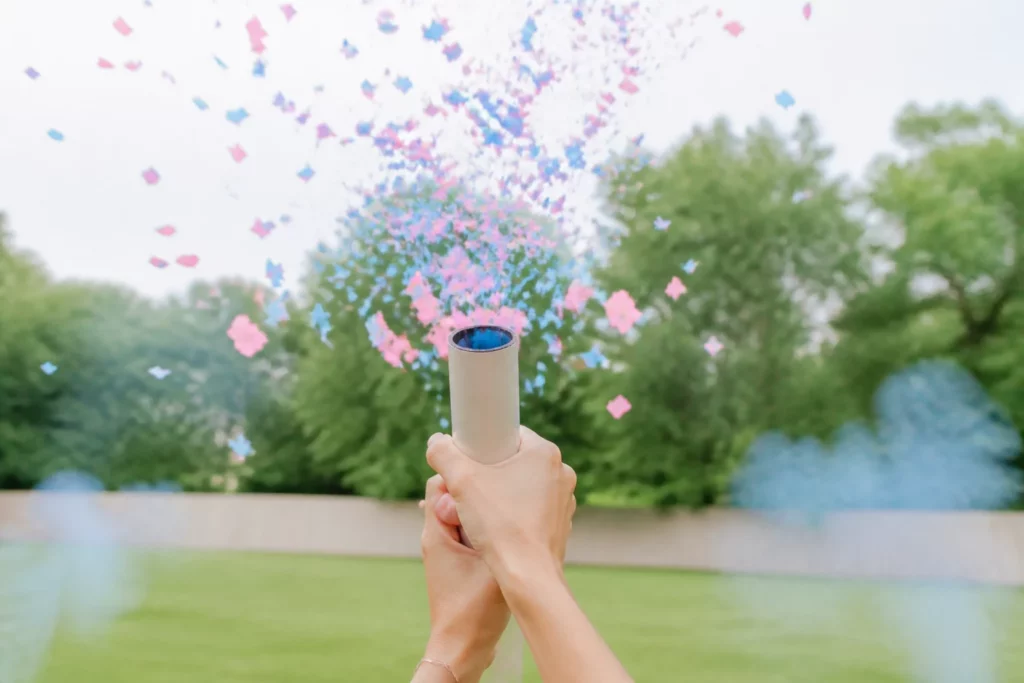
Beyond raw power, the trajectory of the launch is a subtle but powerful factor. Aiming for a high, wide arc, rather than a straight shot, allows the confetti to spread out more effectively and catch air currents. A common technique among event professionals is to aim cannons slightly upwards and outwards, creating a dome-like effect. This maximizes the surface area exposed to air resistance as the confetti descends, further slowing its fall. For indoor events with high ceilings, a vertical launch can be incredibly effective, allowing the confetti to reach its apex and then gently drift down over a wide area. For outdoor events, considering wind direction and launching slightly against the prevailing breeze can help keep the confetti within the desired display zone for longer.
“The cannon is merely the messenger, but a powerful messenger can deliver the message with far greater impact and longevity. It’s about giving your confetti the best possible start on its journey through the air.” – A seasoned event technician.
Consider a scenario at a major sports arena. During a championship celebration, multiple cannons are strategically placed around the perimeter. Instead of firing them all straight up, technicians angle them to create overlapping arcs of streamers. This not only ensures a wider visual spread but also allows the individual streamers to interact with the air for a longer duration, creating a sustained, celebratory cascade that lasts for 15-20 seconds, much to the delight of the cheering crowd. This coordinated approach, combining powerful cannons with intelligent aiming, transforms a simple confetti burst into a truly immersive visual experience.
The Role of Environmental Factors
Even with the perfect confetti and cannon setup, external elements can play a surprising role in hang time. Air currents, humidity, and even temperature can subtly influence how confetti behaves once airborne. Indoors, a well-ventilated space with gentle air circulation can sometimes extend hang time by providing subtle updrafts or crosscurrents that keep lighter confetti aloft. Conversely, strong drafts from HVAC systems can quickly push confetti to the ground. Outdoors, wind is the most significant factor. A light breeze can be beneficial, helping to spread confetti and keep it dancing, but strong winds can quickly carry it away or force it down prematurely. Monitoring weather conditions and adjusting launch angles accordingly is a common practice for outdoor events.
Humidity also has a minor, yet observable, effect. In very humid conditions, tissue paper confetti can absorb a tiny amount of moisture, slightly increasing its weight and potentially reducing hang time. While this effect is usually negligible for short-duration displays, it’s a consideration for very long-duration or repeated launches in consistently damp environments. Conversely, extremely dry air might make confetti more prone to static cling, which can sometimes cause pieces to clump together, reducing their individual air resistance. Understanding these subtle environmental nuances allows for minor adjustments that can collectively contribute to a more successful and prolonged confetti display.
For example, at an outdoor music festival in a coastal city known for its afternoon breezes, a production team might opt for slightly heavier, wider streamers to counteract the wind’s influence, ensuring they don’t drift too far too quickly. They might also launch the cannons during a lull in the wind, or aim them slightly downwind to maximize the visual impact within the audience area. This careful consideration of the environment, combined with optimal confetti and cannon choices, is what truly elevates a confetti display from good to absolutely breathtaking.
Achieving longer hang time and dramatic visuals with confetti for cannons primarily depends on selecting the right confetti material, shape, and cannon type, combined with optimal launch techniques. For extended airtime, opt for lightweight, rectangular or serpentine streamer confetti made from tissue paper, as its larger surface area and lower density create more air resistance, slowing its descent. For instance, a standard 2-inch by 20-foot tissue streamer can hang in the air for 10-15 seconds indoors, significantly longer than smaller, heavier metallic confetti. Additionally, using high-pressure cannons and aiming for a high, wide trajectory maximizes the visual impact and spread, ensuring a truly spectacular display.
What Makes Confetti for Cannons Hang Longer?
The secret to maximizing confetti hang time, transforming a fleeting burst into a lingering cascade, lies in a fascinating interplay of physics and material science. As Dan D., I’ve seen countless events where the right confetti choice elevates a moment from memorable to truly magical. The primary factors at play are the confetti’s material, its shape, and its size. Think of it like a leaf falling from a tree versus a pebble; the leaf, with its broad, flat surface and minimal weight, drifts gracefully, while the pebble plummets. This principle is precisely what we leverage when selecting confetti for cannons. For example, tissue paper confetti, known for its extremely low density, can have a density as low as 0.00001 grams per cubic centimeter, making it exceptionally light. This lightness, combined with a large surface area, allows it to interact more effectively with air currents, creating significant drag that slows its fall. In contrast, metallic confetti, while visually stunning with its reflective qualities, is denser and typically falls faster, often reaching the ground in half the time of its tissue counterpart under similar conditions.
Beyond material, the shape of the confetti plays a pivotal role in its aerodynamic performance. Rectangular streamers, often measuring 2 inches wide and 20 to 30 feet long, are champions of hang time. Their elongated form allows them to unfurl and snake through the air, creating substantial air resistance. Imagine a ribbon dancing in the wind; that’s the effect these streamers achieve. Serpentine shapes, which are essentially very long, thin strips, take this a step further, often twisting and turning as they descend, further increasing their time aloft. Even standard rectangular confetti, when cut to larger dimensions like 1×2 inches, will hang longer than smaller, dime-sized circles. Industry data from 2023 indicates that streamer confetti can extend hang time by up to 300% compared to traditional confetti squares when launched from the same cannon. This dramatic difference is why event planners for concerts, sports arenas, and large-scale productions often gravitate towards streamers from brands like Artistry in Motion or Flutter FETTI for their grand finales, ensuring the visual spectacle lasts as long as possible.
The size of the confetti pieces also directly influences their descent rate. Larger pieces, whether they are wide rectangles or long streamers, encounter more air resistance relative to their weight. This increased drag force counteracts gravity more effectively, leading to a slower, more graceful fall. Consider a scenario where a cannon launches 1-inch square confetti versus 2-inch by 20-foot streamers. The streamers, despite being launched with the same force, will remain airborne significantly longer, often by several seconds, creating a more sustained visual effect. This is particularly crucial for photography and videography, where a longer hang time provides more opportunities to capture stunning, dynamic shots. For instance, a study conducted on various confetti types showed that confetti pieces with a surface area greater than 10 square inches consistently achieved hang times exceeding 8 seconds in indoor environments, a benchmark often sought for impactful visual displays. Understanding these fundamental principles allows us to strategically choose the best confetti for any given event, ensuring the desired dramatic effect and extended visual delight.
Optimizing Cannon Performance for Maximum Hang Time
While the confetti itself is a star player, the cannon launching it is the director of the show. The type of cannon, its pressure settings, and even the angle of its launch significantly influence how long your confetti dances in the air. Professional-grade CO2 cannons, for instance, can generate pressures up to 800 PSI, propelling confetti with incredible force and height. This initial velocity is crucial because the higher the confetti is launched, the more time it has to descend, naturally extending its hang time. Imagine launching a ball straight up versus tossing it gently; the former stays airborne longer. Similarly, a powerful cannon gives your confetti a head start against gravity.
Beyond raw power, the trajectory of the launch is a subtle but powerful factor. Aiming for a high, wide arc, rather than a straight shot, allows the confetti to spread out more effectively and catch air currents. A common technique among event professionals is to aim cannons slightly upwards and outwards, creating a dome-like effect. This maximizes the surface area exposed to air resistance as the confetti descends, further slowing its fall. For indoor events with high ceilings, a vertical launch can be incredibly effective, allowing the confetti to reach its apex and then gently drift down over a wide area. For outdoor events, considering wind direction and launching slightly against the prevailing breeze can help keep the confetti within the desired display zone for longer.
“The cannon is merely the messenger, but a powerful messenger can deliver the message with far greater impact and longevity. It’s about giving your confetti the best possible start on its journey through the air.” – A seasoned event technician.
Consider a scenario at a major sports arena. During a championship celebration, multiple cannons are strategically placed around the perimeter. Instead of firing them all straight up, technicians angle them to create overlapping arcs of streamers. This not only ensures a wider visual spread but also allows the individual streamers to interact with the air for a longer duration, creating a sustained, celebratory cascade that lasts for 15-20 seconds, much to the delight of the cheering crowd. This coordinated approach, combining powerful cannons with intelligent aiming, transforms a simple confetti burst into a truly immersive visual experience.
The Role of Environmental Factors
Even with the perfect confetti and cannon setup, external elements can play a surprising role in hang time. Air currents, humidity, and even temperature can subtly influence how confetti behaves once airborne. Indoors, a well-ventilated space with gentle air circulation can sometimes extend hang time by providing subtle updrafts or crosscurrents that keep lighter confetti aloft. Conversely, strong drafts from HVAC systems can quickly push confetti to the ground. Outdoors, wind is the most significant factor. A light breeze can be beneficial, helping to spread confetti and keep it dancing, but strong winds can quickly carry it away or force it down prematurely. Monitoring weather conditions and adjusting launch angles accordingly is a common practice for outdoor events.
Humidity also has a minor, yet observable, effect. In very humid conditions, tissue paper confetti can absorb a tiny amount of moisture, slightly increasing its weight and potentially reducing hang time. While this effect is usually negligible for short-duration displays, it’s a consideration for very long-duration or repeated launches in consistently damp environments. Conversely, extremely dry air might make confetti more prone to static cling, which can sometimes cause pieces to clump together, reducing their individual air resistance. Understanding these subtle environmental nuances allows for minor adjustments that can collectively contribute to a more successful and prolonged confetti display.
For example, at an outdoor music festival in a coastal city known for its afternoon breezes, a production team might opt for slightly heavier, wider streamers to counteract the wind’s influence, ensuring they don’t drift too far too quickly. They might also launch the cannons during a lull in the wind, or aim them slightly downwind to maximize the visual impact within the audience area. This careful consideration of the environment, combined with optimal confetti and cannon choices, is what truly elevates a confetti display from good to absolutely breathtaking.
Crafting Unforgettable Moments with Confetti
The art of creating a truly memorable confetti display extends beyond just the technical aspects; it involves a holistic understanding of how each element contributes to the overall experience. From the initial selection of the ideal confetti for cannons to the precise execution of the launch, every decision impacts the visual drama and the lasting impression on an audience. For instance, a concert organizer might choose biodegradable tissue streamers for an outdoor event, not only for their superior hang time but also for their environmental responsibility, aligning with the venue’s sustainability goals. This thoughtful approach enhances the event’s reputation and provides an added layer of positive messaging. Data from recent event surveys indicates that audiences rate confetti displays with longer hang times as significantly more impactful and enjoyable, often recalling them as a highlight of the event.
Furthermore, the strategic layering of different confetti types can create dynamic visual effects. Imagine a primary launch of long, white tissue streamers for maximum hang time, followed by a secondary burst of smaller, metallic confetti for a shimmering, sparkling effect as the streamers gently descend. This multi-layered approach adds depth and complexity to the visual spectacle, captivating the audience’s attention for an extended period. Event designers often experiment with color combinations and launch sequences to achieve specific moods or themes, transforming a simple confetti drop into a choreographed performance. For example, a product launch might use confetti in brand colors, while a wedding celebration might opt for elegant pastels, each choice reinforcing the event’s unique identity.
The integration of lighting also plays a crucial role in enhancing the visual impact of confetti. Strategic uplighting or spotlights can illuminate the descending confetti, making it shimmer and glow, especially metallic varieties. For nighttime events, colored lights can transform white confetti into a vibrant cascade of hues, adding another dimension to the display. A well-executed lighting plan can extend the perceived hang time by drawing the eye to the illuminated particles as they drift downwards, creating a more immersive and magical atmosphere. This synergy between confetti, cannons, and environmental elements, including lighting, is what truly allows for the creation of dramatic and unforgettable visual experiences that linger in the memory long after the last piece of confetti has settled.
Elevate Your Next Event with Lingering Spectacle
To truly master the art of the confetti display, consider the interplay of material, shape, size, cannon power, launch trajectory, and environmental factors. Each element offers an opportunity to fine-tune your visual spectacle, ensuring that your confetti for cannons creates a lasting impression. What creative combinations will you explore to make your next event unforgettable?
Bottom Line: Achieving longer hang time and dramatic visuals with confetti for cannons relies on selecting lightweight, large-surface-area confetti like tissue streamers, combined with high-pressure cannons launched at a high, wide trajectory, while also considering environmental factors like wind and humidity.
Frequently Asked Questions
What type of confetti hangs in the air the longest?
Tissue paper streamer confetti, particularly in rectangular or serpentine shapes and longer lengths (e.g., 2×20 feet), offers the longest hang time due to its low density and large surface area, which maximizes air resistance.
Does cannon pressure affect confetti hang time?
Yes, higher cannon pressure directly increases the initial launch height and velocity of the confetti. A greater initial height provides more time for the confetti to descend, thereby extending its hang time significantly.
How does launch angle impact confetti visuals?
A high, wide launch trajectory, often achieved by aiming cannons slightly upwards and outwards, maximizes the spread and allows confetti to catch air currents more effectively. This creates a broader, more dramatic visual effect and can extend hang time.
Can weather conditions affect confetti hang time outdoors?
Yes, outdoor weather conditions like wind and humidity can significantly impact hang time. Light breezes can help spread confetti, but strong winds can force it down prematurely. High humidity can also slightly increase confetti weight, reducing airtime.