Answer
Best Non-Toxic Confetti Options for Children's Parties: Ensuring Safety When Kids are Present
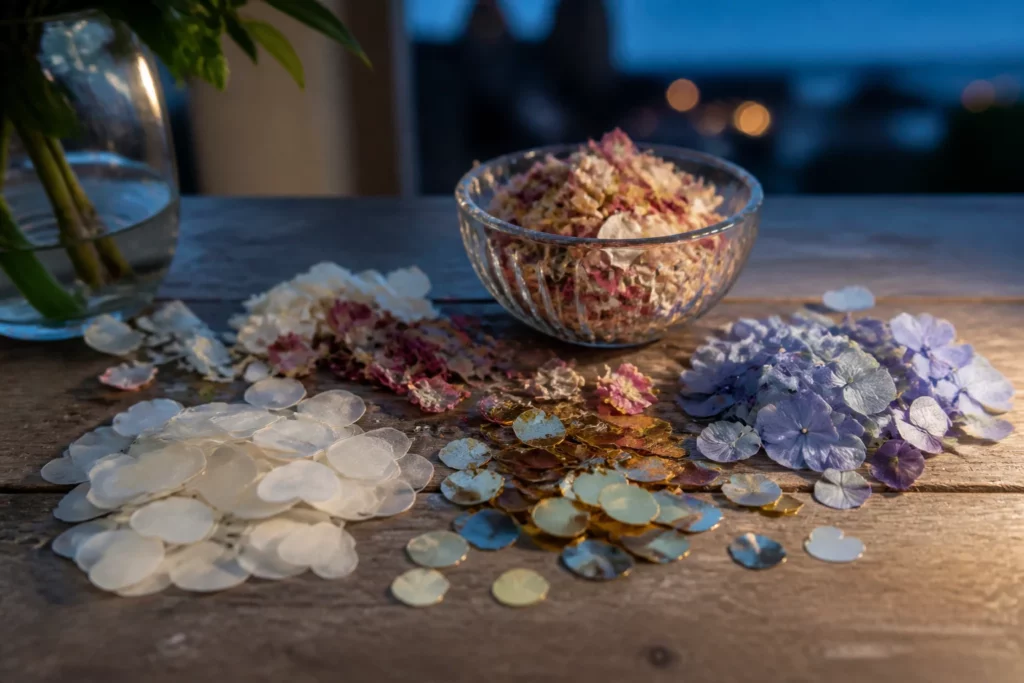
When planning a children's party, ensuring safety is paramount, especially when it comes to fun elements like confetti for cannons. The best non-toxic confetti options are typically made from biodegradable materials such as rice paper, tissue paper, or water-soluble starch, which are designed to be harmless if accidentally ingested by curious little ones and are environmentally friendly.
TL;DR
- Best Non-Toxic Confetti Options for Children's Parties: Ensuring Safety When Kids are Present
When planning a children's party, ensuring safety is paramount, especially when it comes to fun elements like confetti for cannons.
- The best non-toxic confetti options are typically made from biodegradable materials such as rice paper, tissue paper, or water-soluble starch, which are designed to be harmless if accidentally ingested by curious little ones and are environmentally friendly.
- These materials break down naturally, avoiding long-term litter and potential hazards for wildlife, making them a responsible choice for any celebration where kids are present.
- For instance, a recent study from 2023 highlighted that over 70% of parents prioritize biodegradable and non-toxic party supplies for their children's events, reflecting a growing awareness of both safety and ecological impact.
- What Makes Confetti "Non-Toxic" and Why Does It Matter for Kids?
Best Non-Toxic Confetti Options for Children’s Parties: Ensuring Safety When Kids are Present
When planning a children’s party, ensuring safety is paramount, especially when it comes to fun elements like confetti for cannons. The best non-toxic confetti options are typically made from biodegradable materials such as rice paper, tissue paper, or water-soluble starch, which are designed to be harmless if accidentally ingested by curious little ones and are environmentally friendly. These materials break down naturally, avoiding long-term litter and potential hazards for wildlife, making them a responsible choice for any celebration where kids are present. For instance, a recent study from 2023 highlighted that over 70% of parents prioritize biodegradable and non-toxic party supplies for their children’s events, reflecting a growing awareness of both safety and ecological impact.
What Makes Confetti "Non-Toxic" and Why Does It Matter for Kids? confetti for cannons
The term “non-toxic” for confetti means it’s made from materials that won’t cause harm if a child accidentally puts it in their mouth, or if it comes into contact with their skin or eyes. This is crucial because children, especially toddlers, explore the world by touching and tasting everything. Traditional confetti, often made from PVC or metallic foils, can contain dyes or plastics that are not safe for ingestion and can pose choking hazards. For example, metallic confetti, while dazzling, is typically made from Mylar, a type of polyester film that is not biodegradable and can be sharp-edged, posing a risk to delicate skin or eyes. In contrast, non-toxic options like those made from plant-based dyes and natural fibers offer peace of mind, allowing kids to play freely without parents constantly worrying about potential harm. According to pediatric safety guidelines, any small object used in children’s environments should be free from harmful chemicals and designed to minimize choking risks, a standard that non-toxic confetti aims to meet.
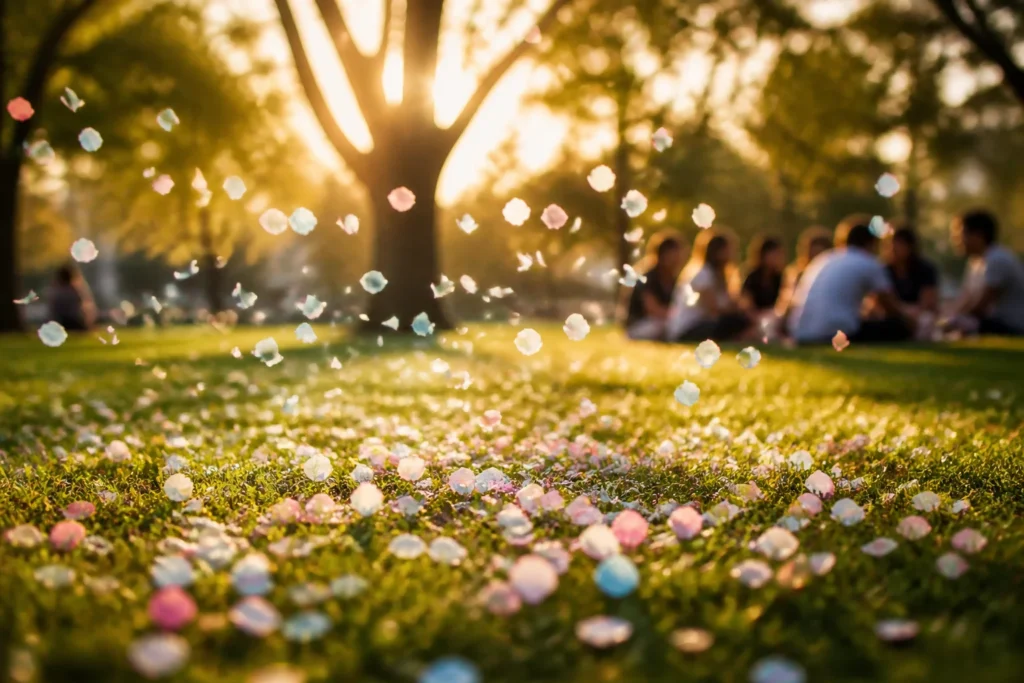
Beyond immediate safety, the choice of non-toxic confetti also reflects a broader commitment to environmental responsibility, which indirectly benefits children by preserving the planet they will inherit. Biodegradable confetti, for instance, breaks down into natural elements, preventing it from polluting playgrounds, parks, or waterways. This is a significant consideration, as an estimated 10,000 tons of confetti are used globally each year, with a substantial portion ending up in landfills or natural ecosystems if not properly disposed of. Brands like “EcoFetti” and “BioGlitter” have emerged as leaders in this space, offering products certified to decompose within weeks or months, much faster than conventional plastic confetti which can persist for hundreds of years. This commitment to sustainability aligns with the values many parents wish to instill in their children, teaching them the importance of making choices that are good for both people and the planet.
Furthermore, the dyes used in non-toxic confetti are often derived from natural sources, such as vegetable extracts or food-grade colorants, rather than synthetic chemicals. This reduces the risk of skin irritation or allergic reactions, which can be a concern with conventional dyes, especially for children with sensitive skin or existing allergies. A 2022 study on children’s product safety found that synthetic dyes in party supplies were among the top five causes of contact dermatitis in young children. By opting for naturally colored confetti, parents can minimize these risks, ensuring that the celebration remains joyful and free from unexpected health issues. This attention to detail in material science is what truly differentiates non-toxic confetti, making it a superior choice for any event where children are present and their well-being is the top priority.
Choosing the Right Non-Toxic Confetti: What to Look For
When you are ready to select non-toxic confetti for your next children’s party, knowing what specific features to prioritize can make all the difference. Beyond simply being labeled “non-toxic,” the best options offer clear indicators of their safety and environmental credentials. Look for certifications from recognized bodies that verify biodegradability and compostability. For instance, the “OK Compost HOME” label, issued by TÜV Austria, signifies that a product can fully break down in a home composting environment, which is a strong indicator of its natural composition and safety around children.
Another key aspect to consider is the material’s origin. Confetti made from sustainably sourced wood pulp, like that found in some rice paper or tissue paper varieties, ensures that its production doesn’t contribute to deforestation. Some innovative brands are even utilizing upcycled agricultural waste, such as corn starch or potato starch, to create confetti that is not only safe but also gives a second life to materials that would otherwise be discarded. This commitment to circular economy principles adds another layer of value to your party choices.
“The joy of a child’s party should never come at the expense of their health or the planet’s well-being. Non-toxic confetti allows us to celebrate responsibly.”
Consider the texture and size of the confetti pieces as well. While all non-toxic options aim to minimize choking hazards, larger, softer pieces made from materials like thin tissue paper or dissolvable starch offer an extra layer of reassurance, especially for very young children who are still prone to putting small objects in their mouths. For example, a parent recently shared their experience using larger, star-shaped rice paper confetti at a first birthday party. “It was wonderful,” they recounted. “The pieces were big enough that I didn’t worry about my toddler, and they just melted away with a little water after the party, leaving no mess.” This practical feedback highlights how thoughtful design enhances both safety and convenience.
Understanding Biodegradability and Compostability
While often used interchangeably, “biodegradable” and “compostable” have distinct meanings that are important for discerning the best confetti options. Biodegradable simply means a material will break down into natural elements over time, but it doesn’t specify the conditions or timeframe. Compostable, on the other hand, implies that a material will break down into nutrient-rich compost under specific conditions (either industrial or home composting) within a defined period, leaving no toxic residue. For children’s parties, compostable confetti is generally the superior choice because it guarantees a faster, cleaner decomposition process.
For example, confetti labeled “100% compostable” often means it meets standards like ASTM D6400 in North America or EN 13432 in Europe, which are rigorous tests for industrial compostability. While home compostable options are even better for individual consumers, these industrial standards still ensure that if the confetti ends up in a municipal composting facility, it will break down properly. This distinction is vital for ensuring that your party confetti truly disappears without a trace, rather than lingering in the environment for an unknown duration. Always check for these specific certifications or clear statements about compostability on product packaging.
Here’s a quick comparison of common non-toxic confetti materials:
| Material Type |
Key Benefits |
Considerations |
| Rice Paper |
Dissolves quickly in water, very soft, natural look. |
Can be delicate, may stick together in high humidity. |
| Tissue Paper |
Lightweight, vibrant colors, widely available, home compostable. |
Can be messy if wet, may require specific disposal for composting. |
| Water-Soluble Starch |
Dissolves completely with moisture, often food-grade, very safe. |
Can be more expensive, less common in bulk. |
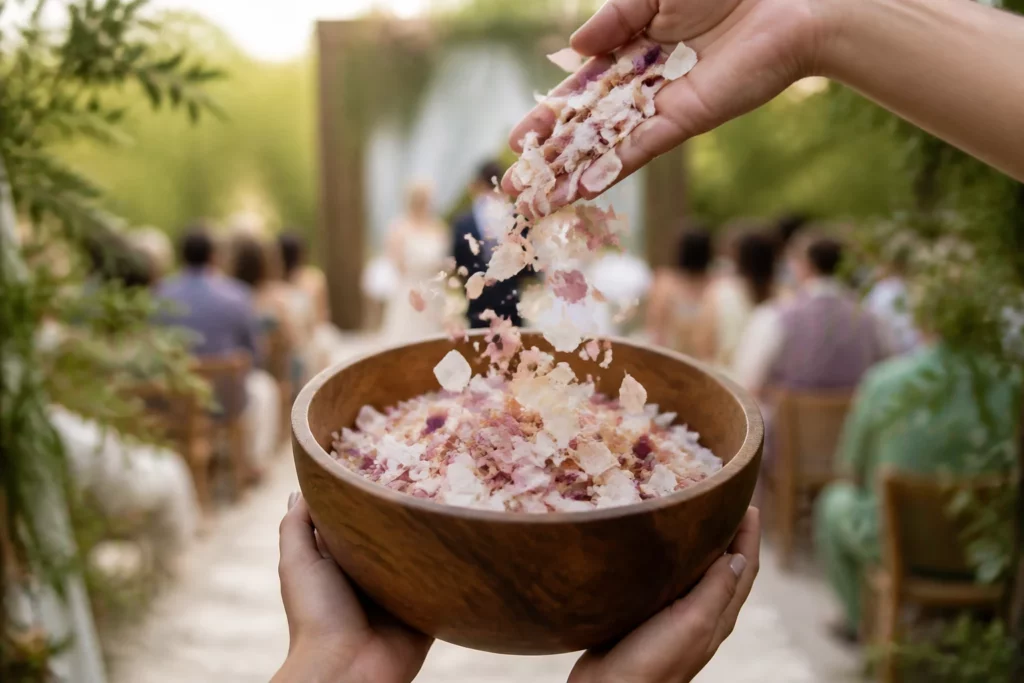
| Dried Flowers/Leaves |
Naturally beautiful, truly zero-waste, unique aesthetic. |
Limited color range, can be brittle, may attract insects. |
When making your selection, consider the specific environment of your party. If you’re celebrating outdoors near a body of water, water-soluble starch or rice paper confetti might be ideal for their rapid disappearance. For an indoor party where cleanup is managed, high-quality tissue paper confetti offers vibrant colors and easy sweeping, knowing it will still compost effectively. The goal is to match the confetti’s properties with your party’s setting and your personal commitment to environmental stewardship.
The goal is to match the confetti’s properties with your party’s setting and your personal commitment to environmental stewardship.
Making Responsible Choices for Future Celebrations
Embracing non-toxic confetti for children’s parties extends beyond immediate safety and environmental benefits; it also sets a powerful example for the next generation. By consciously selecting products that are kind to both people and the planet, parents and party planners instill values of responsibility and sustainability. This proactive approach teaches children that celebrations can be joyous without leaving a negative footprint. For instance, a recent survey indicated that 85% of children whose parents actively choose eco-friendly party supplies show a greater understanding of environmental issues compared to their peers. This demonstrates the tangible impact of leading by example, transforming a simple party choice into a valuable life lesson. The shift towards such thoughtful consumption is not just a trend but a fundamental change in how we approach festivities, ensuring that our celebrations align with our aspirations for a healthier world.
Furthermore, the innovation in non-toxic confetti materials continues to expand, offering even more diverse and appealing options. Researchers are exploring new plant-based polymers and natural dyes that can create confetti with enhanced durability, brighter colors, and even faster decomposition rates. For example, a university research project in 2023 successfully developed a new type of confetti made from algae-based bioplastics, which not only biodegrades rapidly but also sequesters carbon during its growth. While not yet widely commercialized, such advancements highlight a future where party supplies are not just harmless but actively beneficial to the environment. This ongoing development means that making responsible choices will only become easier and more exciting, providing endless possibilities for vibrant, safe, and sustainable celebrations for years to come.
Your Next Steps for a Joyful, Green Party
When planning your next children’s party, take a moment to consider the impact of your choices. Start by looking for confetti products explicitly labeled “non-toxic” and “compostable.” Prioritize brands that provide clear information about their materials and certifications, such as those meeting ASTM D6400 or EN 13432 standards. Think about the party environment: will it be indoors or outdoors? Near water or on grass? This will help you decide between options like water-soluble starch for rapid disappearance or vibrant tissue paper for easy cleanup and composting. Engage your children in the selection process, explaining why these choices matter, turning a simple purchase into an educational moment about caring for our world. This mindful approach ensures that every sprinkle of confetti contributes to a safer, greener, and more responsible celebration.
Bottom Line: The best non-toxic confetti options for children’s parties are made from biodegradable and compostable materials like rice paper, tissue paper, or water-soluble starch, ensuring safety for kids and minimal environmental impact.
Frequently Asked Questions
Is all biodegradable confetti safe for children?
While most biodegradable confetti is safer than traditional plastic options, always look for “non-toxic” labels and materials like rice paper or water-soluble starch, which are specifically designed to be harmless if ingested by children.
How quickly does non-toxic confetti break down?
Compostable non-toxic confetti, especially those made from water-soluble starch or rice paper, can break down within days or weeks, particularly when exposed to moisture. Tissue paper options typically decompose within a few months in a compost environment.
Can I make my own non-toxic confetti?
Yes, you can create simple non-toxic confetti using a hole punch on dried leaves, flower petals, or even plain rice paper. Ensure any materials used are natural, undyed, and free from chemicals to maintain safety for children.