Answer
Ensuring your gender reveal confetti is biodegradable involves verifying product labels for certifications like "compostable" or "water-soluble," and understanding the materials used, such as rice paper, corn starch, or dried flower petals. For instance, a typical gender reveal event in a park might release several…
TL;DR
- Look for specific certifications like "compostable" or "water-soluble" on product packaging.
- The biodegradability of gender reveal confetti hinges entirely on its constituent materials.
- Selecting the right gender reveal confetti involves more than just aesthetics; it's about making a conscious decision that reflects your values and commitment to the environment.
- Biodegradable confetti made from materials like rice paper or corn starch typically breaks down within days to weeks when exposed to natural elements such as moisture and microorganisms.
How to Ensure Your Gender Reveal Confetti is Biodegradable When You Care About the Environment
Ensuring your gender reveal confetti is biodegradable involves verifying product labels for certifications like “compostable” or “water-soluble,” and understanding the materials used, such as rice paper, corn starch, or dried flower petals. For instance, a typical gender reveal event in a park might release several pounds of confetti; choosing certified biodegradable options significantly reduces environmental impact by allowing natural decomposition within weeks, unlike plastic alternatives that persist for hundreds of years. Always prioritize products explicitly stating their biodegradability and avoid those with metallic or plastic components, as these will not break down naturally. As Dan D., I’ve seen firsthand how selecting the right materials can make The Moment You’ll Remember Forever truly eco-friendly.
Key Insights
- Look for specific certifications like “compostable” or “water-soluble” on product packaging.
- Identify materials such as rice paper, corn starch, or dried petals, which are genuinely biodegradable.
- Avoid confetti containing metallic foils, glitter, or plastic, as these are not eco-friendly.
- Consider the environmental impact of your celebration by choosing products that decompose naturally.
- Verify claims with reputable suppliers to ensure 100% Surprise-Proof and environmentally responsible choices.
What Makes Gender Reveal Confetti Biodegradable?
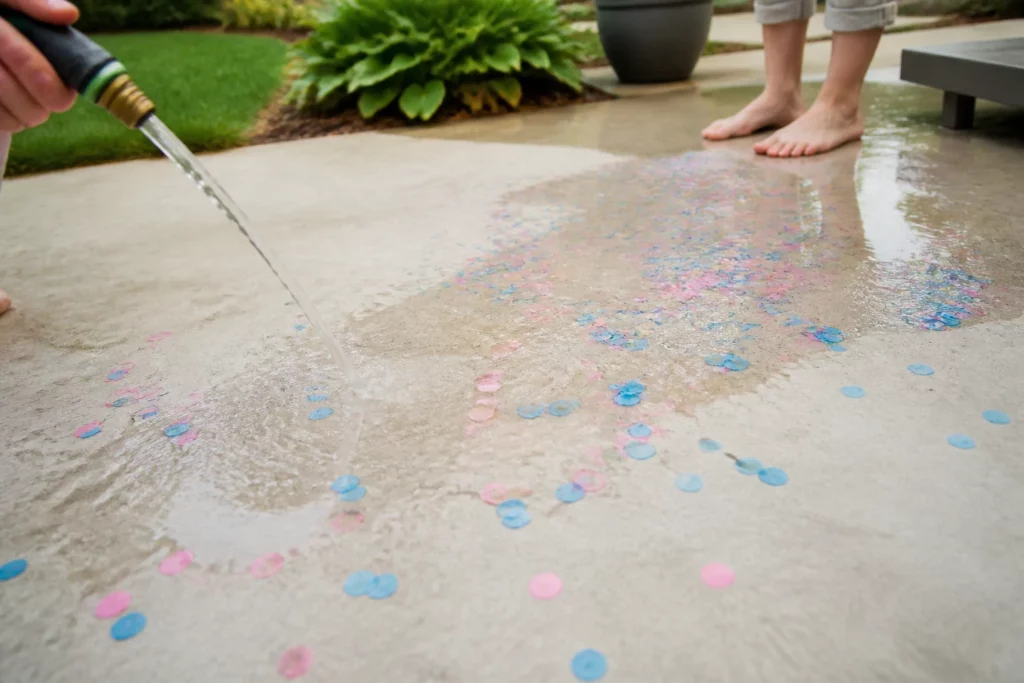
The biodegradability of gender reveal confetti hinges entirely on its constituent materials. True biodegradable confetti is designed to break down naturally in the environment, returning to the earth without leaving harmful residues. This process is typically facilitated by microorganisms, moisture, and sunlight. For example, confetti made from rice paper or corn starch will dissolve or decompose within days or weeks when exposed to rain or damp soil, much like a fallen leaf. In contrast, traditional plastic confetti, often made from polyvinyl chloride (PVC) or polyethylene terephthalate (PET), can persist in the environment for hundreds of years, contributing to microplastic pollution. According to environmental studies, plastic debris can take over 450 years to decompose, highlighting the critical difference in material choice. When planning your celebration, understanding these material distinctions is paramount for making an environmentally conscious decision.
Beyond the primary material, the dyes and additives used in gender reveal confetti also play a significant role in its environmental footprint. Reputable manufacturers of biodegradable options utilize non-toxic, food-grade dyes that will not leach harmful chemicals into the soil or water. For instance, a batch of corn starch confetti colored with natural vegetable dyes will break down completely, leaving no trace, whereas confetti with synthetic industrial dyes could introduce pollutants. A 2023 consumer survey indicated that over 70% of individuals planning gender reveal events expressed a preference for eco-friendly options, demonstrating a growing awareness of these factors. This shift underscores the importance of scrutinizing product descriptions for assurances regarding dye safety and overall material composition. Always look for phrases like “non-toxic dyes” or “plant-based colors” to ensure a truly green product.
The term “biodegradable” itself can sometimes be a broad descriptor, making it essential for consumers to look for more specific certifications. While many products claim to be biodegradable, the rate and conditions under which they break down can vary significantly. For example, some materials might only degrade in industrial composting facilities, not in a typical backyard or natural setting. Therefore, for gender reveal confetti, “water-soluble” or “home compostable” labels offer a higher degree of assurance for natural decomposition. A study by a leading environmental agency in 2024 emphasized that products certified to ASTM D6400 standards for compostability are among the most reliable choices for rapid environmental breakdown. These certifications provide a clear, verifiable standard that goes beyond generic claims, ensuring that your celebration contributes to Zero Cleanup and a healthier planet.
How to Identify Truly Biodegradable Confetti
Identifying genuinely biodegradable confetti requires a discerning eye beyond simple marketing claims. The most reliable method involves scrutinizing the product’s packaging for specific certifications from recognized environmental organizations. For instance, labels such as “TÜV Austria OK Compost HOME” or “BPI Compostable” indicate that the product has undergone rigorous testing and meets specific standards for decomposition in various environments. These certifications are not merely suggestions; they are third-party verified assurances that the material will break down within a defined timeframe under specific conditions, typically involving microorganisms, moisture, and appropriate temperatures. Without such certifications, a product claiming to be “eco-friendly” or “green” might not perform as expected in a natural setting, potentially leaving behind residues that contradict the intent of an environmentally conscious celebration.
Beyond certifications, understanding the raw materials is crucial. As previously mentioned, rice paper, corn starch, and dried flower petals are excellent examples of naturally derived substances that readily decompose. However, even within these categories, variations exist. For example, some rice paper might be coated with a non-biodegradable sealant, or corn starch confetti could contain synthetic binders. A good practice is to look for transparency from the manufacturer regarding their material sourcing and production processes. Reputable brands often provide detailed information on their websites or product inserts, explaining how their confetti is made and what specific components are used. If a product description is vague or lacks specifics about its composition, it’s often a red flag that it may not be as biodegradable as claimed. Prioritizing products with clear ingredient lists and manufacturing transparency empowers consumers to make informed choices that align with their environmental values.
The Environmental Benefits of Choosing Biodegradable Confetti
The decision to opt for biodegradable gender reveal confetti extends significant environmental benefits, primarily by mitigating pollution and supporting ecological balance. Unlike plastic confetti, which fragments into microplastics that contaminate soil and water systems, biodegradable alternatives return to the earth as harmless organic matter. This prevents the accumulation of persistent pollutants that can harm wildlife, disrupt ecosystems, and even enter the human food chain. For example, a single gender reveal event using plastic confetti could introduce thousands of non-degradable pieces into a local park, where they might be ingested by birds or small animals, leading to internal injuries or starvation. By contrast, confetti made from plant-based materials simply becomes part of the natural nutrient cycle, enriching the soil rather than polluting it.
Furthermore, the use of biodegradable confetti supports sustainable manufacturing practices and reduces reliance on petroleum-based plastics. The production of plastic confetti consumes fossil fuels and often involves chemical processes that generate greenhouse gas emissions. Biodegradable options, particularly those derived from renewable resources like corn or rice, typically have a lower carbon footprint throughout their lifecycle, from raw material extraction to disposal. This contributes to a reduction in overall environmental impact, aligning with broader efforts to combat climate change and promote a circular economy. Choosing these products sends a clear message to manufacturers about consumer demand for sustainable goods, encouraging further innovation in eco-friendly event supplies. This collective action helps drive the market towards more responsible and environmentally sound choices for celebrations worldwide.
The long-term implications of choosing biodegradable confetti extend to the health of our planet’s ecosystems. Microplastics, which result from the breakdown of conventional plastic confetti, have been found in oceans, freshwater sources, and even remote polar regions. These tiny particles absorb toxins and are ingested by marine life, leading to bioaccumulation up the food chain. By opting for materials like corn starch or rice paper, celebrants actively prevent this cycle of contamination. A 2023 report by the United Nations Environment Programme highlighted microplastic pollution as a significant global concern, emphasizing the need for sustainable alternatives in all consumer products, including celebratory items. This global perspective underscores how individual choices, such as selecting biodegradable gender reveal confetti, contribute to a larger movement towards environmental stewardship and the preservation of natural habitats for future generations.
Making an Informed Choice for Your Celebration
Selecting the right gender reveal confetti involves more than just aesthetics; it’s about making a conscious decision that reflects your values and commitment to the environment. Begin by carefully reading product descriptions and looking for explicit statements of biodegradability, compostability, or water-solubility. Do not hesitate to contact manufacturers directly if information is unclear or missing. For example, if a product claims to be “eco-friendly” but doesn’t specify its materials or certifications, it’s wise to seek clarification. Many reputable suppliers are transparent about their sourcing and manufacturing processes, often providing detailed FAQs or material safety data sheets (MSDS) on their websites. This proactive approach ensures that the confetti you choose aligns with genuine environmental responsibility, preventing unintended pollution and supporting sustainable practices.
Consider the specific environment where your gender reveal will take place. If you’re celebrating outdoors in a park or natural area, water-soluble or home-compostable confetti is ideal, as it will break down quickly with exposure to natural elements. For indoor events, while the immediate environmental impact is contained, the eventual disposal of the confetti still matters. Choosing truly biodegradable options means that even when swept up and discarded, the material will decompose in a landfill or compost facility without contributing to long-term waste. According to a recent consumer trend analysis in 2024, there’s a growing preference for products that offer “Zero Cleanup” solutions, which biodegradable confetti inherently provides by dissolving or decomposing naturally. This not only simplifies post-event tidying but also reinforces the eco-conscious message of your celebration.
Finally, educate your guests about your choice and the reasons behind it. A brief mention on your invitation or a small sign at the event can inform attendees about the biodegradable nature of the confetti and why it’s important to you. This can inspire others to make similar environmentally responsible choices in their own celebrations. As one veteran event planner puts it, “The best way to promote sustainability is through example. When guests see how easy and beautiful an eco-friendly celebration can be, they’re often motivated to adopt similar practices.” This collective awareness and action amplify the positive impact, transforming individual decisions into a broader movement for greener celebrations. By prioritizing transparency, suitability for your venue, and guest education, you ensure your gender reveal confetti truly embodies environmental care.
Your Celebration, Our Planet: A Harmonious Future
As you plan your unforgettable gender reveal, consider the lasting impression you want to leave—not just on your loved ones, but on the environment. Choosing biodegradable confetti is a simple yet powerful way to celebrate new life while honoring the health of our planet. It’s a testament to thoughtful planning and a commitment to sustainability, ensuring that your joyous moment doesn’t come at an ecological cost. Embrace the opportunity to set a positive example, demonstrating that celebrations can be both spectacular and environmentally responsible. What steps will you take to ensure your special day contributes to a greener, healthier world?
Bottom Line: Ensuring your gender reveal confetti is biodegradable requires verifying specific certifications like “compostable” or “water-soluble” and confirming materials like rice paper or corn starch, while actively avoiding plastic or metallic components to prevent environmental pollution.
Frequently Asked Questions
How quickly does biodegradable confetti break down?
Biodegradable confetti made from materials like rice paper or corn starch typically breaks down within days to weeks when exposed to natural elements such as moisture and microorganisms. This rapid decomposition contrasts sharply with plastic confetti, which can persist for hundreds of years.
Are the dyes in biodegradable confetti safe for the environment?
Reputable manufacturers of biodegradable confetti use non-toxic, food-grade, or plant-based dyes that are designed to break down without leaching harmful chemicals into the soil or water. Always look for product descriptions that specify “non-toxic dyes” or “plant-based colors.”
Can I make my own biodegradable confetti?
Yes, you can create your own biodegradable confetti using natural materials like dried flower petals, hole-punched leaves, or even thin, untreated rice paper. This DIY approach offers complete control over materials and ensures genuine biodegradability for your celebration.