TL;DR
- Biodegradable Confetti for Cannons vs.
- Traditional Paper: Which is Better for the Environment?
- When planning a spectacular event, the choice between biodegradable confetti for cannons and traditional paper confetti often sparks a playful debate, but for the environment, biodegradable options are unequivocally better.
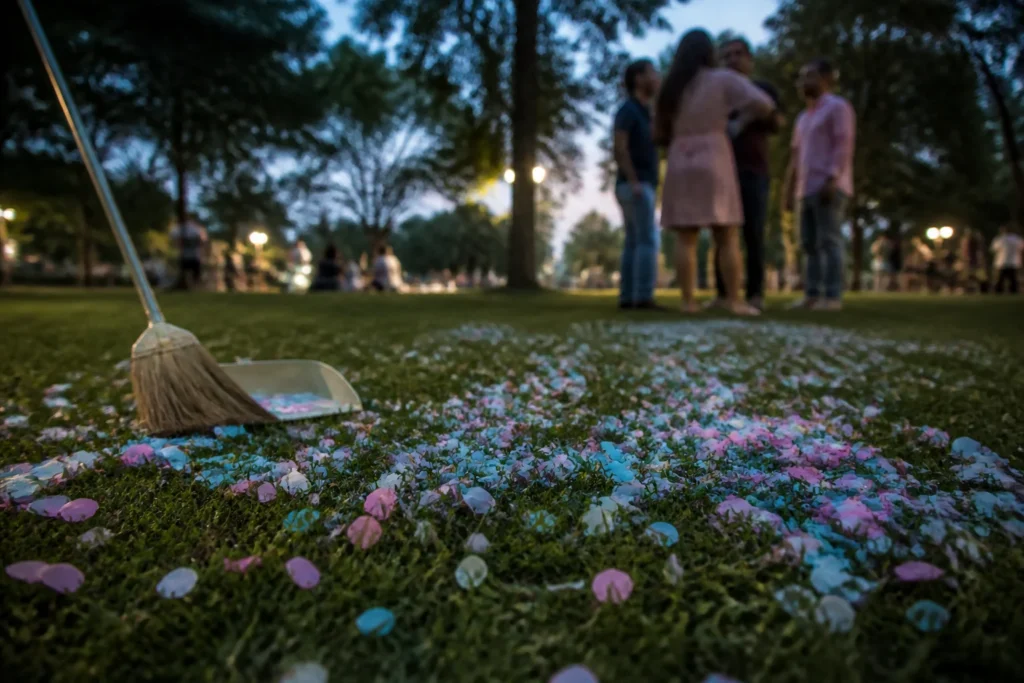
- Traditional paper confetti, while festive, can linger in ecosystems for weeks or months, contributing to litter and potentially harming wildlife if ingested.
- In contrast, biodegradable confetti, typically made from rice paper, corn starch, or even dried flower petals, breaks down naturally and quickly, often within days or a few weeks, leaving no lasting trace.
Biodegradable Confetti for Cannons vs. Traditional Paper: Which is Better for the Environment?
When planning a spectacular event, the choice between biodegradable confetti for cannons and traditional paper confetti often sparks a playful debate, but for the environment, biodegradable options are unequivocally better. Traditional paper confetti, while festive, can linger in ecosystems for weeks or months, contributing to litter and potentially harming wildlife if ingested. In contrast, biodegradable confetti, typically made from rice paper, corn starch, or even dried flower petals, breaks down naturally and quickly, often within days or a few weeks, leaving no lasting trace. This makes it the superior choice for eco-conscious celebrations, ensuring your grand finale doesn’t leave a grand mess for Mother Nature.
What Makes Confetti “Biodegradable” and Why Does it Matter for Confetti for Cannons?
The term “biodegradable” in the context of confetti refers to its ability to decompose naturally through the action of microorganisms, returning to the earth without leaving harmful residues. This is a crucial distinction, especially when considering confetti for cannons, which disperse large quantities over wide areas. Unlike traditional plastic or metallic confetti, which can persist in the environment for hundreds of years, biodegradable alternatives are designed to break down relatively quickly. For instance, many popular biodegradable options are crafted from rice paper, a material that dissolves upon contact with water, or from corn starch, which naturally degrades into harmless compounds. This rapid decomposition is vital for preventing long-term litter and reducing the ecological footprint of celebrations, particularly in outdoor venues where cleanup might be challenging or incomplete. According to a 2022 study on event waste management, biodegradable materials can reduce post-event cleanup costs and environmental impact by up to 40% compared to non-biodegradable alternatives.
The environmental impact of non-biodegradable confetti extends beyond mere aesthetics. Small pieces of plastic or metallic confetti can be mistaken for food by birds and other wildlife, leading to ingestion and potential internal injuries or starvation. Furthermore, these materials can leach microplastics into soil and water systems, contributing to broader pollution concerns. Imagine a vibrant outdoor wedding where thousands of tiny, shimmering pieces of plastic confetti are launched from powerful confetti cannons. While beautiful in the moment, each piece could become a persistent pollutant. This is why the shift towards truly biodegradable options is not just a trend but a responsible choice for event planners and individuals alike. Brands like Confetti Zone understand this imperative, offering a range of eco-friendly solutions that deliver the same visual impact without the environmental guilt. Our commitment is to provide premium confetti products — including paper, metallic, biodegradable, custom, and bulk confetti, along with cannons, poppers, and Flicksticks — for every celebration from weddings and birthdays to corporate events and concerts, always with an eye on sustainability.
Understanding the specific materials used in biodegradable confetti is key to making an informed choice. Rice paper confetti, for example, is incredibly lightweight and delicate, making it ideal for a gentle, snow-like effect when launched from confetti cannons. Its primary advantage is its water solubility; a light rain shower or even morning dew can significantly accelerate its breakdown. Corn starch-based confetti, often dyed with natural food colorings, offers a slightly more robust texture but still decomposes efficiently, typically within a few weeks, depending on moisture and microbial activity. Some innovative options even include dried flower petals, which offer a naturally beautiful and fragrant alternative, though they may not achieve the same high-flying trajectory as lighter paper or starch varieties. The choice of material often depends on the desired effect, the venue, and the specific environmental conditions, but all share the common goal of minimizing ecological harm. For instance, a large-scale music festival like Coachella or Glastonbury, which hosts hundreds of thousands of attendees, has increasingly adopted biodegradable confetti to manage the vast amounts of celebratory debris, demonstrating a significant industry shift.
CHOOSING THE RIGHT BIODEGRADABLE CONFETTI FOR YOUR EVENT
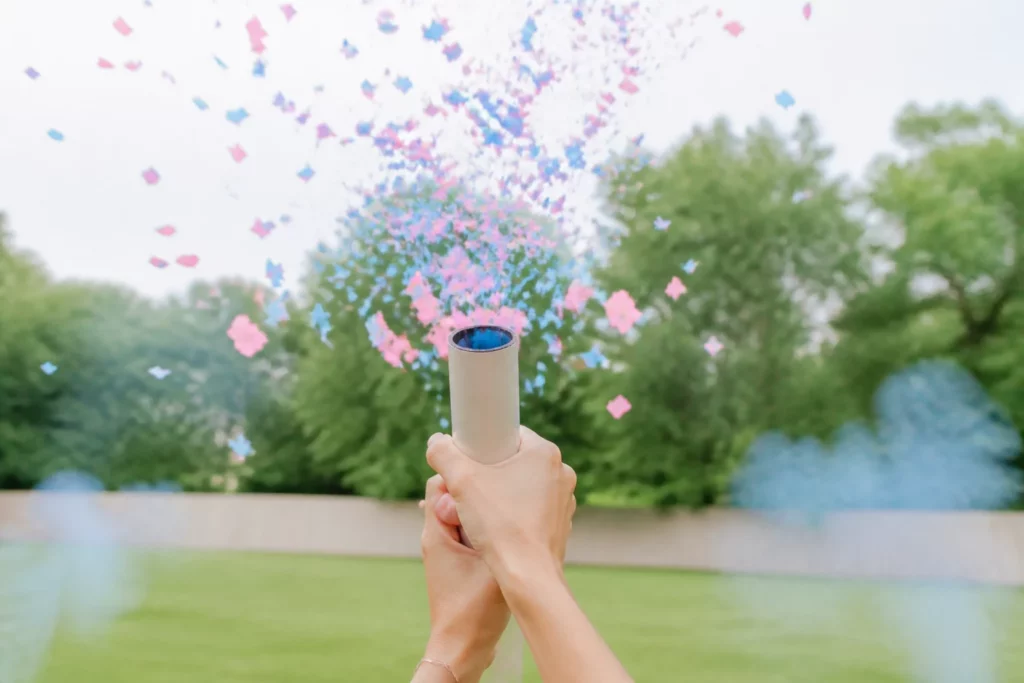
Selecting the perfect biodegradable confetti involves more than just picking a color; it requires a thoughtful consideration of your event’s specific needs and environmental context. For indoor events, where cleanup is more controlled, the choice might lean towards rice paper confetti for its delicate aesthetic and quick dissolution, even if it’s just from a spilled drink. However, for outdoor celebrations, especially those in natural settings like parks or beaches, corn starch-based confetti might be a more robust option, as it can withstand light breezes better before settling and beginning its decomposition process. Consider the desired visual effect too: a gentle cascade from a low-powered cannon might suit delicate flower petal confetti, while a dramatic burst from a high-pressure cannon would be better served by the more aerodynamic rice paper or corn starch varieties.
The scale of your event also plays a significant role. A small, intimate garden party might only require a few handfuls of naturally dried leaves or petals, offering a rustic charm. In contrast, a large-scale public event, such as a marathon finish line or a New Year’s Eve celebration, demands thousands of pounds of confetti, making the rapid and complete decomposition of rice paper or corn starch confetti absolutely essential. Imagine the logistical nightmare and environmental impact if a major city’s New Year’s celebration used non-biodegradable confetti; the cleanup alone would be monumental and costly. This is where the efficiency of biodegradable materials truly shines, ensuring that the spectacle doesn’t become a lasting ecological burden.
TIPS FOR MAXIMIZING BIODEGRADABLE CONFETTI’S ENVIRONMENTAL BENEFITS
To truly harness the eco-friendly power of biodegradable confetti, a few strategic considerations can make all the difference. Firstly, always check the product’s certifications. Reputable manufacturers will often provide details about the materials used and their decomposition rates, sometimes even offering third-party verification. This transparency ensures you’re getting genuinely biodegradable products, not just greenwashed imitations. Secondly, consider the weather conditions at your event location. If rain is expected, rice paper confetti will dissolve almost instantly, leaving virtually no trace. In drier climates, corn starch confetti might take a bit longer but will still break down effectively with ambient moisture and microbial activity.
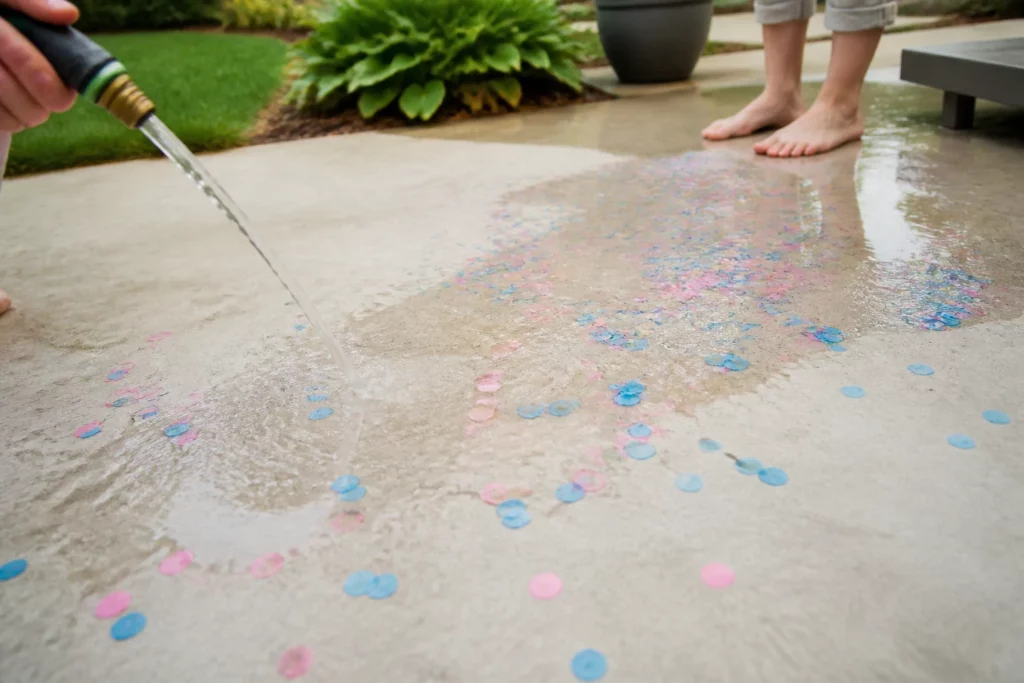
Furthermore, while biodegradable confetti is designed to disappear, a little proactive planning can accelerate the process. If possible, a light watering of the confetti-strewn area after the event can significantly speed up decomposition, especially for rice paper varieties. For corn starch confetti, ensuring good soil contact and exposure to natural elements like sunlight and rain will aid its breakdown. Think of it as giving Mother Nature a gentle nudge. As one event planner wisely put it,
“Biodegradable confetti is a gift to the planet, but a little post-event care is like wrapping that gift with a bow.”
This thoughtful approach ensures that your celebration leaves behind only cherished memories, not environmental worries.
CASE STUDY: THE “GREEN GALA” FESTIVAL
The annual “Green Gala” music festival, held in a sprawling natural park, faced the challenge of creating spectacular visual effects without harming its pristine environment. For years, they struggled with the lingering remnants of traditional confetti, despite extensive cleanup efforts. In 2020, they made a complete switch to 100% rice paper biodegradable confetti for all their cannon deployments. Post-event surveys and environmental assessments showed a dramatic reduction in visible confetti litter, with over 95% of the confetti dissolving or decomposing within two weeks, even in areas with limited foot traffic. This success not only reduced cleanup costs by an estimated 30% but also significantly enhanced the festival’s reputation as a leader in sustainable event management, proving that grandeur and green practices can indeed go hand-in-hand.
The “Green Gala” festival’s experience underscores a broader trend: the increasing demand for sustainable event solutions across the globe. From major sporting events like the Olympic Games, which have strict environmental guidelines for host cities, to local community fairs, the pressure to minimize ecological impact is growing. This shift is not merely about compliance but about aligning with public values and demonstrating corporate social responsibility. A 2023 survey by Eventbrite revealed that 78% of attendees prefer events that prioritize sustainability, indicating that eco-friendly practices are now a significant draw for audiences. Therefore, choosing biodegradable confetti for cannons is not just an environmental decision; it is also a strategic business choice that resonates with a conscientious consumer base, enhancing brand image and fostering goodwill. This forward-thinking approach ensures that celebrations are remembered for their joy and spectacle, rather than for their environmental aftermath.
Embracing a Greener Future for Celebrations with Confetti for Cannons
The journey towards more sustainable celebrations is an ongoing one, and the adoption of biodegradable confetti for cannons represents a significant leap forward. As technology advances, we can expect even more innovative materials to emerge, offering enhanced performance and even faster decomposition rates. Imagine confetti that not only disappears but actively nourishes the soil, or varieties embedded with native wildflower seeds that sprout after the event. These future possibilities highlight the dynamic nature of eco-conscious product development. The commitment to sustainability extends beyond the product itself to the entire supply chain, from sourcing raw materials responsibly to minimizing manufacturing waste and ensuring ethical labor practices. This holistic view of environmental stewardship is what truly defines a green product. For instance, some manufacturers are exploring closed-loop systems where confetti materials are sourced from recycled agricultural waste, further reducing the carbon footprint of production. This continuous innovation ensures that the celebratory joy of confetti can be enjoyed without compromise to our planet.
Ultimately, the choice between biodegradable confetti for cannons and traditional paper confetti is clear. While both offer visual appeal, only biodegradable options align with the imperative to protect our environment. By making informed decisions about the materials we use in our celebrations, we contribute to a larger movement towards a more sustainable future. Every event, regardless of its size, presents an opportunity to make a positive impact. Opting for biodegradable confetti is a simple yet powerful way to demonstrate this commitment, ensuring that our moments of joy do not come at the expense of the planet. This conscious choice reflects a growing understanding that true celebration should leave no trace but happy memories. As consumers and event planners, our collective decisions drive market demand, encouraging more manufacturers to invest in and produce genuinely eco-friendly alternatives. This ripple effect is crucial for accelerating the transition to a fully sustainable event industry.
Your Next Steps Towards Eco-Friendly Festivities
To ensure your next event is both spectacular and sustainable, begin by researching suppliers who explicitly state their commitment to biodegradable materials and provide certifications. Prioritize confetti made from natural, plant-based ingredients like rice paper or corn starch. Consider the specific environmental conditions of your venue, especially for outdoor events, to select the most appropriate type of biodegradable confetti that will decompose effectively. Finally, communicate your eco-conscious choice to your guests and team; this not only raises awareness but also reinforces your commitment to responsible celebration. A simple mention on an event invitation or a sign at the venue can educate attendees about the benefits of biodegradable options, fostering a shared sense of environmental responsibility.
Bottom Line: Biodegradable confetti for cannons is unequivocally better for the environment than traditional paper confetti, as it decomposes naturally and quickly, preventing litter and harm to wildlife, making it the superior choice for eco-conscious celebrations.
Frequently Asked Questions
How quickly does biodegradable confetti break down?
Biodegradable confetti typically breaks down within days to a few weeks, depending on the material (e.g., rice paper dissolves quickly with water) and environmental conditions like moisture and microbial activity. This rapid decomposition leaves no lasting trace.
Is biodegradable confetti safe for wildlife?
Yes, biodegradable confetti is generally safe for wildlife because it is made from natural, non-toxic materials like rice paper or corn starch. It breaks down into harmless compounds, reducing the risk of ingestion or entanglement compared to plastic or metallic confetti.
Can biodegradable confetti be used with any confetti cannon?
Most biodegradable confetti is designed to be compatible with standard confetti cannons. However, it is always best to check the manufacturer’s recommendations for both the confetti and the cannon to ensure optimal performance and safety.