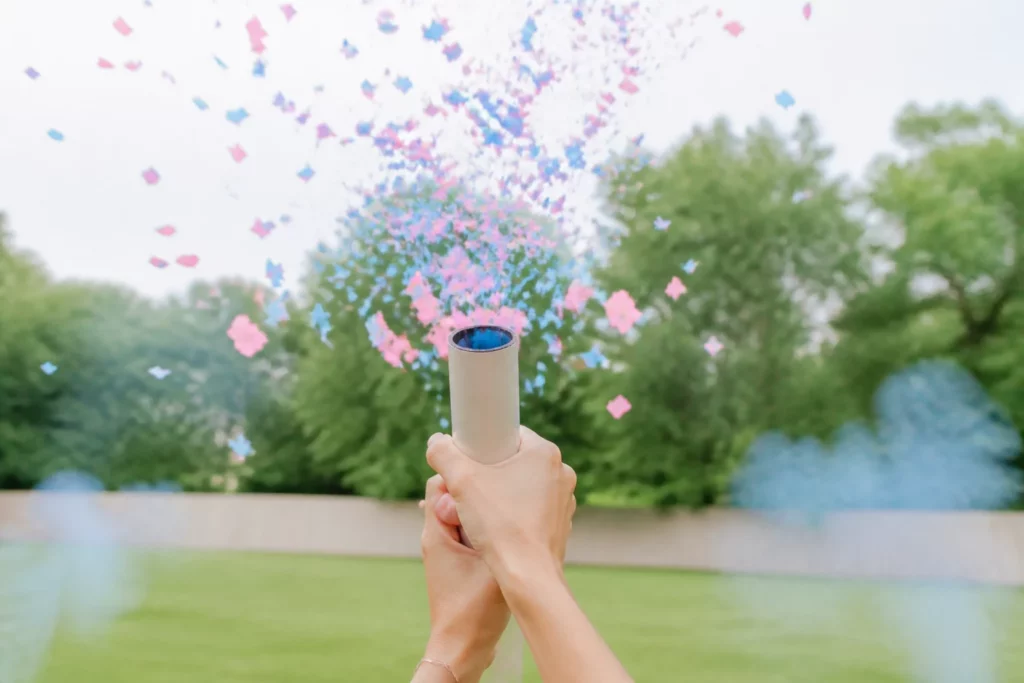
AnswerConfetti Popper Disposal: Environmentally Responsible Practices
Confetti poppers bring joy to celebrations, but what happens after the burst? Disposing of party poppers confetti responsibly is crucial for minimizing environmental impact.
TL;DR
- Confetti Popper Disposal: Environmentally Responsible Practices
Confetti poppers bring joy to celebrations, but what happens after the burst?
- Disposing of party poppers confetti responsibly is crucial for minimizing environmental impact.
- This guide explores eco-friendly disposal methods, material breakdowns, and tips for making your celebrations both fun and sustainable.
- Let's dive into how we can keep the party going without harming our planet.
- Understanding Party Poppers Confetti Composition
Party poppers, those delightful noisemakers filled with colorful confetti, are a staple at celebrations ranging from birthday parties to New Year's Eve gatherings.
Confetti Popper Disposal: Environmentally Responsible Practices
Confetti poppers bring joy to celebrations, but what happens after the burst? Disposing of party poppers confetti responsibly is crucial for minimizing environmental impact. This guide explores eco-friendly disposal methods, material breakdowns, and tips for making your celebrations both fun and sustainable. Let’s dive into how we can keep the party going without harming our planet.
Understanding Party Poppers Confetti Composition
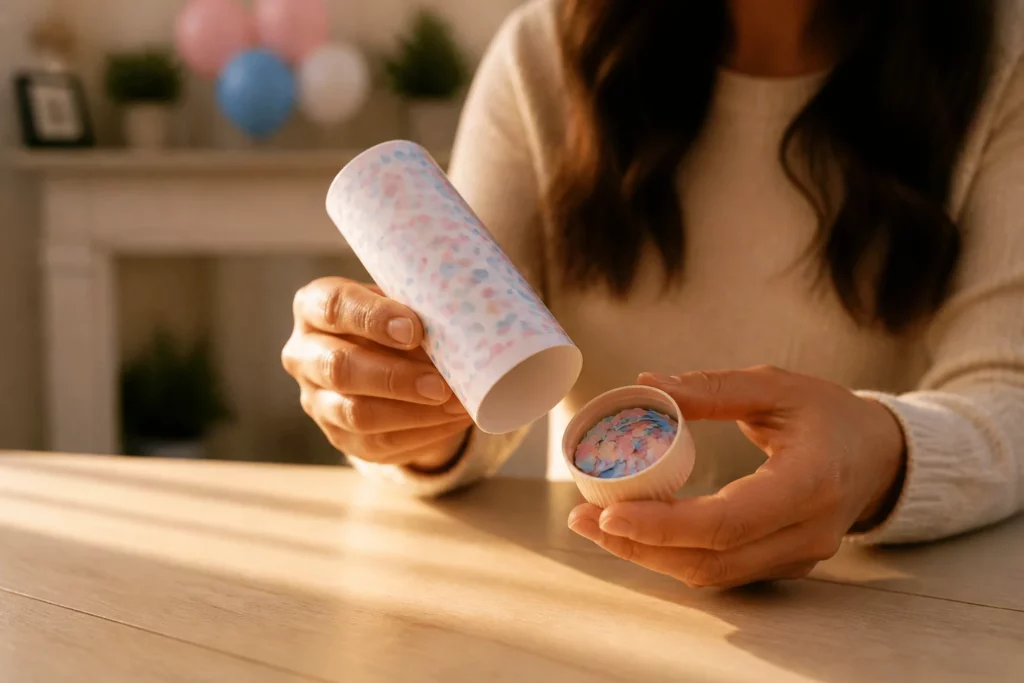
Party poppers, those delightful noisemakers filled with colorful confetti, are a staple at celebrations ranging from birthday parties to New Year’s Eve gatherings. However, before we can discuss responsible disposal, it’s essential to understand what exactly constitutes party poppers confetti. The confetti itself is often made from paper, plastic, or a combination of both. Paper confetti can be biodegradable, depending on the type of paper and any coatings applied. Plastic confetti, on the other hand, poses a greater environmental challenge due to its persistence in the environment. The popper mechanism typically involves a cardboard tube, a spring or compressed air, and a sealing cap. Each of these components requires different disposal considerations. For instance, the cardboard tube can often be recycled, while the plastic cap may need to be disposed of separately.
The environmental impact of party poppers confetti extends beyond just the materials themselves. The manufacturing process requires energy and resources, and the transportation of these products contributes to carbon emissions. Furthermore, the widespread use of single-use party poppers generates a significant amount of waste, particularly after large-scale events. Consider a city-wide New Year’s Eve celebration where thousands of party poppers are used. The resulting confetti litter can overwhelm waste management systems and contribute to pollution in parks, streets, and waterways. Therefore, understanding the composition of party poppers confetti is the first step towards making informed decisions about disposal and choosing more sustainable alternatives.
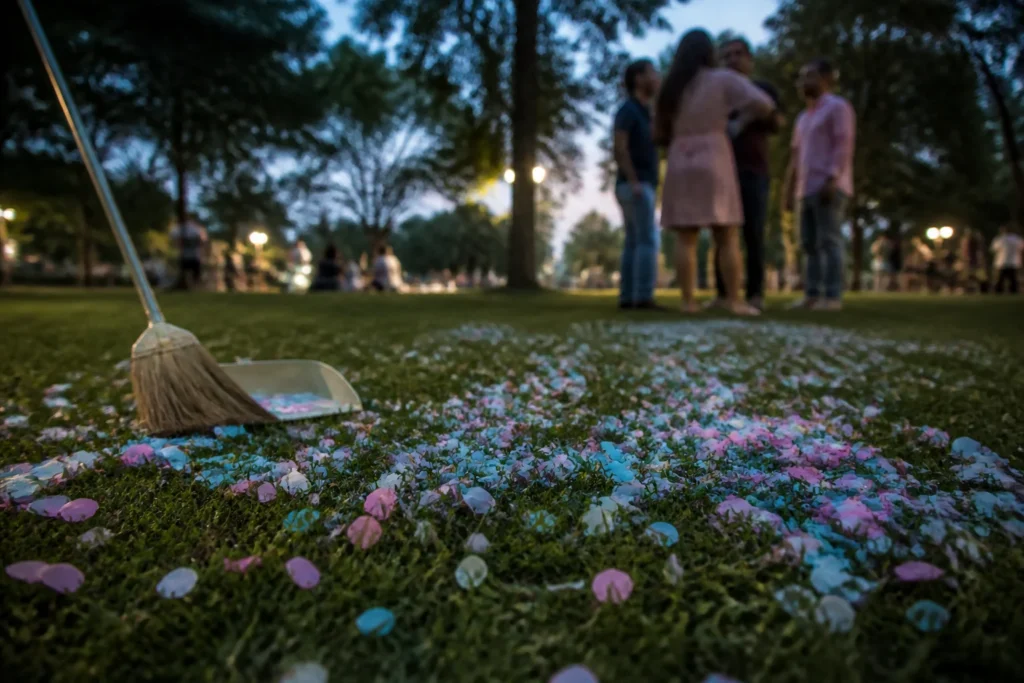
To illustrate the scale of the issue, consider the following: a typical party popper contains around 0.5 ounces of confetti. If 1,000 party poppers are used at an event, that’s over 30 pounds of confetti scattered around. While paper confetti might seem harmless, it can still take time to decompose, especially if it’s mixed with non-biodegradable materials or scattered in areas where decomposition is slow, such as dry environments or compacted soil. Plastic confetti, of course, can persist for decades or even centuries, breaking down into microplastics that can contaminate ecosystems and potentially enter the food chain. This is why responsible disposal practices are so important.
Eco-Friendly Disposal Methods for Party Poppers Confetti
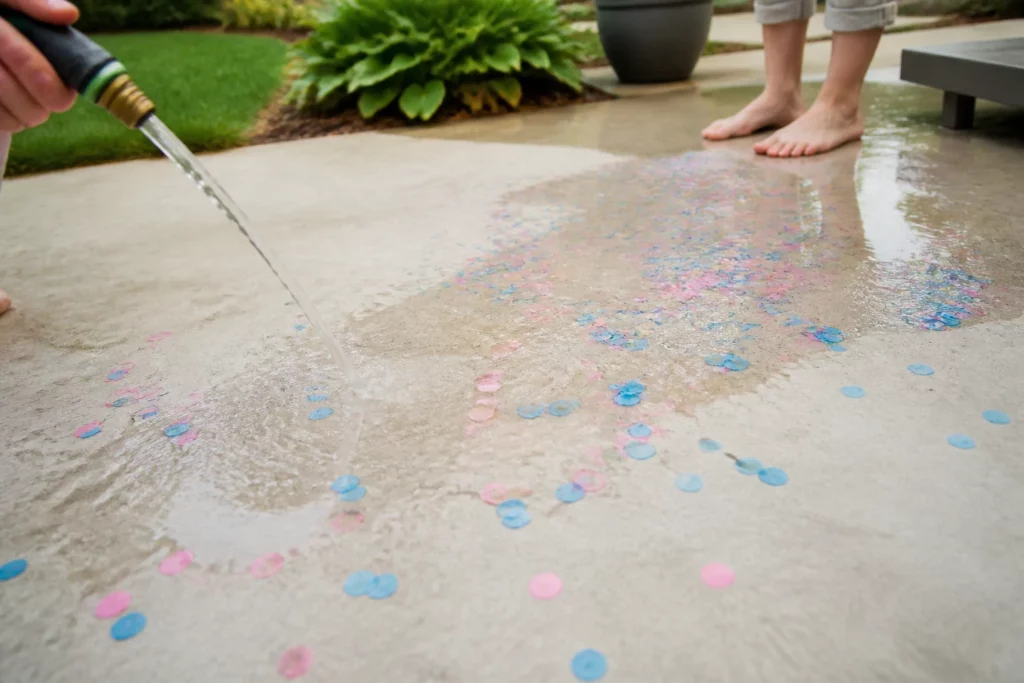
When it comes to disposing of party poppers confetti, several eco-friendly methods can minimize your environmental impact. The most straightforward approach is to collect the confetti after the celebration and sort it based on material. Separate paper confetti from plastic confetti and dispose of each accordingly. Paper confetti can often be composted or recycled, depending on local regulations and the type of paper used. Check with your local waste management authority for specific guidelines on paper recycling and composting. Plastic confetti, unfortunately, is more challenging to recycle due to its small size and the potential for contamination. However, some specialized recycling facilities may accept certain types of plastic confetti.
Composting paper confetti is an excellent way to divert waste from landfills and create nutrient-rich soil for your garden. Before composting, ensure that the confetti is made from uncoated paper and does not contain any glitter or metallic elements, as these can be harmful to the composting process. You can add the paper confetti to your compost bin along with other organic materials such as leaves, grass clippings, and food scraps. Turn the compost regularly to ensure proper aeration and decomposition. Within a few months, the paper confetti will break down into a valuable soil amendment that can be used to nourish your plants. This simple act can significantly reduce the amount of waste sent to landfills and contribute to a more sustainable lifestyle.
Another innovative approach to dealing with party poppers confetti is to repurpose it for arts and crafts projects. Instead of throwing away the colorful pieces, consider using them to create collages, greeting cards, or other decorative items. This not only reduces waste but also provides a fun and creative activity for both children and adults. For example, you could glue the confetti onto a piece of cardboard to create a unique piece of art, or use it to embellish handmade cards for birthdays or holidays. The possibilities are endless, and repurposing confetti can be a rewarding way to give these materials a second life. This approach aligns with the principles of a circular economy, where materials are kept in use for as long as possible, reducing the need for new resources and minimizing waste.
“We hosted a large birthday party for my daughter, and the amount of confetti from the party poppers was overwhelming. Instead of throwing it all away, we decided to get creative. We collected the paper confetti and used it to make a giant collage of her favorite cartoon characters. It was a fun activity for the kids, and we ended up with a beautiful piece of art that we could display in her room. It felt good to know that we were reducing waste and creating something unique at the same time.” – Sarah M., Parent and DIY Enthusiast
Sustainable Alternatives to Traditional Party Poppers
While responsible disposal is essential, the most effective way to minimize the environmental impact of party poppers is to choose sustainable alternatives. Several eco-friendly options are available that can provide the same festive fun without the waste. These alternatives often utilize biodegradable materials, reusable components, or innovative designs that reduce the overall environmental footprint.
One popular alternative is confetti made from dried leaves or flower petals. These natural materials are completely biodegradable and can add a unique and beautiful touch to any celebration. You can easily create your own leaf confetti by collecting fallen leaves, drying them, and punching out small shapes using a craft punch. Similarly, flower petals can be dried and used as a colorful and fragrant confetti alternative. These options not only reduce waste but also connect your celebration to the natural world.
Another sustainable option is to use reusable confetti poppers. These poppers are designed to be refilled with biodegradable confetti, reducing the need for single-use products. They typically consist of a durable container and a mechanism that can be used repeatedly. You can purchase pre-made reusable confetti poppers or even create your own using recycled materials. By investing in reusable options, you can significantly reduce the amount of waste generated by your celebrations over time.
Consider using bubble machines as an alternative to confetti poppers. Bubbles offer a whimsical and visually appealing effect without any of the waste associated with confetti. Bubble machines are readily available and can be used both indoors and outdoors. They are also a great option for events with children, as they provide a fun and interactive experience. Choose a high-quality bubble solution that is non-toxic and environmentally friendly to further minimize your impact.
Seed paper confetti is another innovative and eco-friendly alternative. This type of confetti is embedded with wildflower seeds, allowing you to plant the confetti after the celebration and grow a beautiful garden. Seed paper confetti is made from biodegradable paper and natural dyes, ensuring that it will decompose naturally and enrich the soil. This option not only reduces waste but also provides a positive environmental impact by promoting biodiversity and supporting pollinators.
“I switched to using seed paper confetti at my wedding, and it was a huge hit! Guests loved the idea of planting the confetti and growing wildflowers. It was a beautiful and meaningful way to celebrate our special day while also giving back to the environment.” – Emily R., Bride and Environmental Advocate
DIY Confetti and Party Decorations
Creating your own confetti and party decorations is a fantastic way to reduce waste and personalize your celebrations. By using readily available materials and a little creativity, you can craft unique and eco-friendly decorations that reflect your personal style. This approach not only minimizes your environmental impact but also adds a special touch to your events.
One simple DIY confetti option is to use a hole punch to create confetti from fallen leaves. Gather colorful leaves from your yard or a local park, dry them thoroughly, and use a hole punch to create small, round confetti pieces. This is a great way to repurpose natural materials and create a unique and biodegradable confetti alternative. You can also use different sized hole punches to create a variety of confetti shapes and sizes.
Another creative DIY confetti idea is to use dried herbs and spices. Grind dried herbs such as lavender, rosemary, or thyme into small pieces and use them as a fragrant and biodegradable confetti alternative. You can also use spices such as cinnamon or cloves to add a warm and inviting scent to your celebration. Be sure to test the herbs and spices on a small area first to ensure that they do not stain clothing or surfaces.
For party decorations, consider using recycled materials such as cardboard boxes, paper bags, and glass jars. Cardboard boxes can be transformed into banners, signs, or even piñatas. Paper bags can be used to create lanterns or garlands. Glass jars can be decorated and used as vases or candle holders. By repurposing these materials, you can reduce waste and create unique and personalized decorations for your event.
Fabric scraps can also be used to create colorful and festive decorations. Cut fabric scraps into strips and tie them onto a string to create a garland, or use them to create fabric flowers or banners. You can also use fabric scraps to wrap gifts or create reusable gift bags. By using fabric scraps, you can reduce textile waste and add a touch of color and texture to your decorations.
To further reduce waste, avoid using balloons, which are a significant source of pollution. Instead, opt for reusable fabric banners, paper lanterns, or natural decorations such as flowers and branches. These options are not only more environmentally friendly but also add a touch of elegance and sophistication to your event.
Here’s a short numbered list of steps to make leaf confetti:
- Collect fallen leaves in various colors and sizes.
- Dry the leaves completely by pressing them between heavy books for a few days.
- Use a hole punch or scissors to create small confetti shapes.
- Store the confetti in a dry container until ready to use.
Working with Event Planners and Venues
When planning a celebration, it’s essential to communicate your sustainability goals to your event planner and venue. By working together, you can ensure that your event is both fun and environmentally responsible. Discuss your preferences for eco-friendly decorations, sustainable catering options, and responsible waste management practices.
Ask your event planner about their experience with sustainable events and their knowledge of eco-friendly vendors. Inquire about their policies on waste reduction, recycling, and composting. Choose an event planner who is committed to sustainability and has a proven track record of organizing environmentally responsible events.
When selecting a venue, consider its sustainability practices. Does the venue have a recycling program? Do they use energy-efficient lighting and appliances? Do they offer sustainable catering options? Choose a venue that is committed to reducing its environmental impact and has implemented sustainable practices throughout its operations.
Request that your event planner and venue use biodegradable or compostable tableware, such as plates, cups, and cutlery. Avoid using single-use plastic items, which are a major source of pollution. If reusable tableware is not an option, choose items made from sustainable materials such as bamboo or sugarcane.
Work with your caterer to create a sustainable menu that features locally sourced, seasonal ingredients. Reduce food waste by ordering only what you need and donating any leftovers to a local food bank or shelter. Encourage your guests to bring their own reusable water bottles and coffee cups to further reduce waste.
Ensure that your event has clearly marked recycling and composting bins to encourage guests to dispose of waste properly. Provide signage that explains what items can be recycled or composted. Consider hiring a waste management company to handle the sorting and disposal of waste after the event.
To help with decision making, here’s a comparison table of confetti options:
| Confetti Type |
Material |
Biodegradable? |
Environmental Impact |
Cost |
| Paper Confetti |
Paper |
Yes (if uncoated) |
Low to Moderate |
Low |
| Plastic Confetti |
Plastic |
No |
High |
Low |
| Leaf Confetti |
Dried Leaves |
Yes |
Very Low |
Free |
| Seed Paper Confetti |
Biodegradable Paper with Seeds |
Yes |
Positive (Promotes Plant Growth) |
Moderate to High |
| Reusable Confetti |
Various (Reusable Container) |
Confetti Varies |
Low (If Refilled with Biodegradable Confetti) |
Moderate |
Understanding Party Poppers Confetti Composition
The environmental impact of party poppers confetti is directly linked to its composition. While the festive burst of color brings joy to celebrations, the materials used to create confetti can have lasting consequences for the planet. Traditional confetti often consists of paper or plastic, each with its own set of environmental concerns. Paper confetti, while seemingly biodegradable, can still contribute to deforestation if not sourced from sustainable forests. The production of paper also requires significant amounts of water and energy, adding to its overall environmental footprint. Furthermore, some paper confetti is coated with dyes or glitter, which can hinder its decomposition and introduce harmful chemicals into the environment. Plastic confetti, on the other hand, poses a more significant threat due to its persistence in the environment. Plastics can take hundreds of years to decompose, breaking down into microplastics that contaminate soil, water, and air. These microplastics can then be ingested by wildlife, potentially entering the food chain and causing harm to ecosystems. Therefore, understanding the specific materials used in party poppers confetti is crucial for making informed decisions about disposal and choosing more sustainable alternatives.
To further illustrate the impact, consider the lifecycle of a single piece of plastic confetti. It starts with the extraction of fossil fuels, which are used to create the plastic polymer. The polymer is then processed into thin sheets, cut into confetti shapes, and packaged into party poppers. After a brief moment of celebration, the confetti is scattered and often ends up in landfills or the environment. There, it can persist for decades, slowly breaking down into smaller and smaller pieces. These microplastics can then be transported by wind and water, spreading contamination far beyond the initial celebration site. The environmental impact of plastic confetti extends beyond its physical presence. The production and disposal of plastics also contribute to greenhouse gas emissions, exacerbating climate change. Therefore, reducing our reliance on plastic confetti is essential for protecting the environment and mitigating the effects of climate change.
The type of dyes used in confetti also plays a significant role in its environmental impact. Synthetic dyes, often used to create vibrant colors, can contain heavy metals and other harmful chemicals that can leach into the soil and water. These chemicals can contaminate ecosystems and pose risks to human health. Natural dyes, on the other hand, are derived from plant or mineral sources and are generally considered to be more environmentally friendly. However, even natural dyes can have an impact if they are not sourced sustainably or if they require significant amounts of water or energy to produce. Therefore, it’s important to consider the source and production methods of dyes when evaluating the environmental impact of confetti. Choosing confetti made with natural, sustainably sourced dyes is a more responsible option.
Making Celebrations Greener
Beyond choosing sustainable confetti alternatives, there are several other ways to make your celebrations more environmentally friendly. One simple step is to reduce the overall amount of decorations you use. Instead of covering every surface with disposable decorations, focus on a few key pieces that can be reused or recycled. For example, you could create a reusable fabric banner that can be used for multiple celebrations, or use potted plants as centerpieces that can be taken home and enjoyed after the event. Another way to reduce waste is to avoid using single-use plastic items such as straws, cups, and plates. Instead, opt for reusable or compostable alternatives. You can also encourage your guests to bring their own reusable water bottles and coffee cups.
Food waste is another significant contributor to the environmental impact of celebrations. To reduce food waste, plan your menu carefully and order only what you need. Encourage your guests to take home leftovers, or donate any excess food to a local food bank or shelter. You can also compost any food scraps that are not eaten. When choosing catering services, look for companies that prioritize sustainability and use locally sourced, seasonal ingredients. These caterers are more likely to have sustainable practices in place, such as reducing food waste, using eco-friendly packaging, and supporting local farmers. By making conscious choices about food and decorations, you can significantly reduce the environmental impact of your celebrations.
Transportation is another factor to consider when planning a sustainable celebration. Encourage your guests to carpool, bike, or use public transportation to get to the event. If possible, choose a venue that is easily accessible by public transportation. You can also offer incentives for guests who choose sustainable transportation options, such as a discount on admission or a small gift. For example, providing a designated bike parking area can encourage guests to cycle to the event. If guests are traveling from out of town, encourage them to choose eco-friendly accommodations, such as hotels that have implemented sustainable practices. By considering transportation options, you can reduce the carbon footprint of your celebration and promote sustainable travel habits.
Case Study: A Zero-Waste Wedding
One couple, inspired by the principles of sustainability, decided to host a zero-waste wedding. They carefully planned every aspect of their celebration to minimize its environmental impact. They chose a venue that was committed to sustainability and used locally sourced, seasonal ingredients for their catering. They avoided using single-use plastic items and instead opted for reusable or compostable alternatives. They created decorations from recycled materials and encouraged guests to carpool or use public transportation. As a result of their efforts, they were able to significantly reduce the amount of waste generated by their wedding and create a celebration that was both beautiful and environmentally responsible.
“We wanted our wedding to reflect our values and commitment to sustainability,” said the bride. “It took a lot of planning and effort, but it was worth it to know that we were celebrating our love in a way that was respectful of the planet.”
Elevate Your Party: Eco-Friendly Fun Awaits!
Ready to throw a party that’s both unforgettable and kind to the Earth? Here’s your checklist for a celebration that shines:
* **Confetti Check:** Ditch the plastic! Opt for leaf, seed paper, or other biodegradable confetti.
* **Decoration Decisions:** Embrace reusable banners, fabric garlands, and natural elements like flowers and branches.
* **Tableware Tactics:** Say no to single-use plastics. Choose compostable plates, cups, and cutlery, or go reusable.
* **Food Focus:** Plan your menu wisely to minimize waste. Source local, seasonal ingredients and compost scraps.
* **Transportation Thoughts:** Encourage carpooling, biking, or public transport.
**Objection Handling:**
* **”Eco-friendly options are too expensive.”** DIY decorations and leaf confetti are budget-friendly! Plus, reusable items save money in the long run.
* **”It’s too much effort to plan a sustainable party.”** Start small! Choose one or two eco-friendly swaps and build from there.
* **”My guests won’t care about sustainability.”** Lead by example! Your choices can inspire others to make a difference.
**Pricing Factors (for reusable poppers):**
* **Material:** Plastic poppers are cheaper, but metal or wood are more durable and sustainable. ($5-$20 range)
* **Design:** Simple designs are more affordable, while elaborate ones cost more.
* **Quantity:** Buying in bulk can lower the price per popper.
**Next Step:** Browse local party supply stores or online retailers for biodegradable confetti and reusable poppers. Start planning your eco-friendly celebration today!
In summary, the journey toward environmentally responsible celebrations begins with understanding the composition of party poppers confetti and embracing sustainable alternatives. By making conscious choices about decorations, tableware, food, and transportation, we can minimize our environmental impact and create celebrations that are both fun and respectful of the planet.
What small change can you make today to ensure your next celebration is a little greener?
Q: Can I recycle party poppers themselves?
A: It depends on the materials. Empty the confetti and check the popper’s casing. Cardboard tubes are often recyclable, but plastic components may not be accepted in all recycling programs.
Q: Are there any safety concerns with using leaf confetti?
A: Ensure the leaves are dry to prevent staining. Avoid using leaves from poisonous plants.
Q: Where can I buy seed paper confetti?
A: Many online retailers and specialty paper stores offer seed paper confetti in various shapes and colors.