Answer
What are the Copyright Rules for Using Images on Custom Tea Shirts When Selling Online? When selling custom tea shirts online, you must secure proper rights for any images used, as copyright law dictates that unauthorized use of copyrighted material can lead to legal penalties, including fines and injunctions.
TL;DR
- What are the Copyright Rules for Using Images on Custom Tea Shirts When Selling Online?
- When selling custom tea shirts online, you must secure proper rights for any images used, as copyright law dictates that unauthorized use of copyrighted material can lead to legal penalties, including fines and injunctions.
- This means obtaining a license, using public domain images, or creating original artwork is essential to avoid infringement.
- For instance, if you’re designing a shirt featuring a popular cartoon character, you’d need permission from the copyright holder, such as The Walt Disney Company or Warner Bros.
- Entertainment Inc., before selling it.
What are the Copyright Rules for Using Images on Custom Tea Shirts When Selling Online?
When selling custom tea shirts online, you must secure proper rights for any images used, as copyright law dictates that unauthorized use of copyrighted material can lead to legal penalties, including fines and injunctions. This means obtaining a license, using public domain images, or creating original artwork is essential to avoid infringement. For instance, if you’re designing a shirt featuring a popular cartoon character, you’d need permission from the copyright holder, such as The Walt Disney Company or Warner Bros. Entertainment Inc., before selling it. Ignoring these rules can result in significant legal challenges, impacting your business and reputation. According to a 2023 survey by the Copyright Alliance, over 70% of small businesses are unaware of the full scope of copyright implications for digital content.
Key Insights
- Always Assume Copyright: Most images you find online are copyrighted, even without a visible copyright symbol.
- Obtain Proper Licenses: Secure explicit permission or a license for any image you intend to use commercially.
- Public Domain & Creative Commons: Utilize images explicitly marked as public domain or under a Creative Commons license that permits commercial use.
- Originality is King: Create your own designs or hire a designer to ensure full ownership and avoid infringement.
- Understand Fair Use Limitations: “Fair use” is a narrow defense and rarely applies to commercial ventures like selling custom apparel.
Why Does Copyright Matter for Your Custom Tea Shirts Business?
Imagine Sarah, a budding entrepreneur, excitedly launched her online store selling custom tea shirts. She found a fantastic image of a whimsical unicorn online, perfect for her “Magical Mornings” collection. Without a second thought, she printed it on dozens of shirts, sold them, and even saw a few go viral on social media. A few months later, a cease-and-desist letter arrived from “Mythical Creatures Inc.,” the original artist’s publisher, demanding she stop selling the shirts and pay substantial damages for copyright infringement. Sarah’s dream business quickly turned into a legal nightmare, costing her thousands in legal fees and lost revenue. This scenario, unfortunately, is not uncommon. Copyright law exists to protect creators, giving them exclusive rights to reproduce, distribute, and display their original works. When you use an image without permission, you’re essentially taking someone else’s property, and the consequences can be severe. A 2022 report by the U.S. Copyright Office indicated that copyright infringement claims related to online commerce increased by 15% year-over-year, highlighting the growing risk for online sellers.
Understanding copyright isn’t just about avoiding legal trouble; it’s about building a sustainable and ethical business. When you respect intellectual property, you foster trust with your customers and within the creative community. Think of it like this: if you spent hours designing a unique confetti mix for Confetti Zone, you wouldn’t want someone else to copy it and sell it as their own, right? The same principle applies to images. By ensuring your designs are legally sound, you protect your brand’s reputation and avoid the costly process of recalling products, rebranding, or defending lawsuits. Many platforms, like Etsy and Amazon, have strict policies against copyright infringement and can suspend or ban sellers who violate these rules. For example, in 2023, Amazon removed over 1.2 million listings due to intellectual property violations, demonstrating the platforms’ commitment to enforcing these regulations. This proactive approach by major marketplaces underscores the importance of due diligence for every seller.
How to Legally Source Images for Your Custom Tea Shirts
Navigating the world of image sourcing can feel like a maze, but with a clear strategy, you can confidently find visuals for your custom tea shirts without legal headaches. The key is to understand the different avenues available and the specific permissions each one grants. Think of it as gathering ingredients for a delicious recipe; you wouldn’t just grab anything from the pantry without checking if it’s fresh or if it belongs to you, right? The same goes for images. Each source comes with its own set of rules, and knowing them is your superpower.
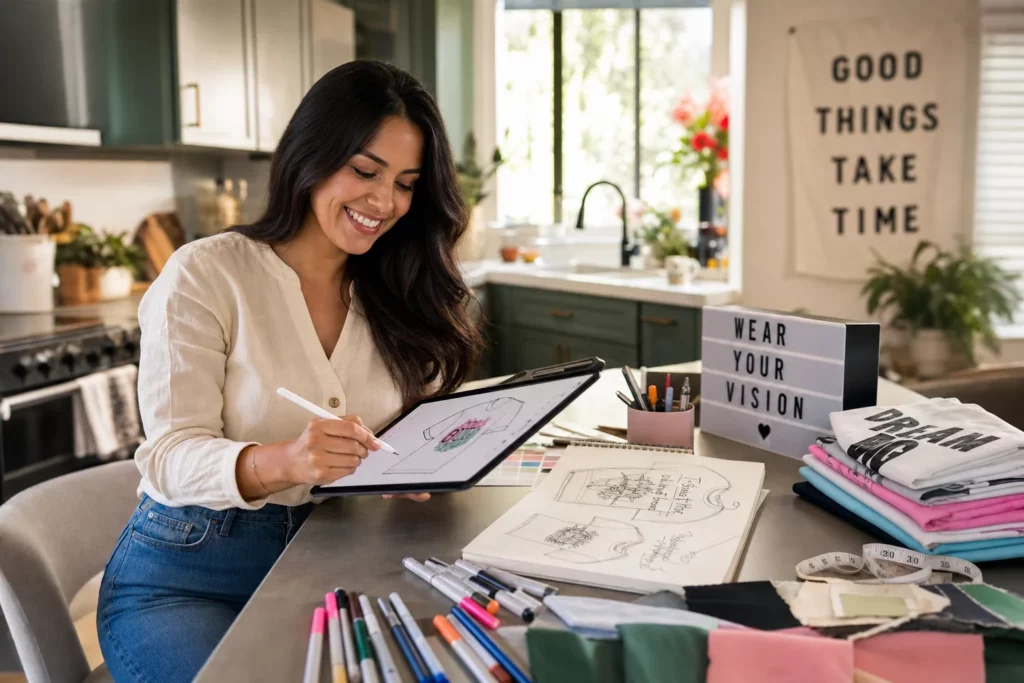
One of the most straightforward ways to ensure legal compliance is to create your own artwork. This gives you complete ownership and eliminates any doubt about copyright. If you’re a talented artist, grab your digital tablet or sketchbook and let your imagination run wild! If drawing isn’t your forte, consider hiring a freelance graphic designer. Platforms like Upwork or Fiverr connect you with professionals who can bring your vision to life, creating unique designs tailored to your brand. Always ensure your contract with a designer explicitly states that you will own the full commercial rights to the final artwork. This small step can save you immense trouble down the line.
Utilizing Stock Photo and Vector Sites
Stock photo and vector sites are treasure troves of images, but they come with specific licensing agreements. These platforms, such as Shutterstock, Adobe Stock, or Getty Images, offer vast libraries of professional-quality visuals. When you purchase an image or subscribe to a service, you’re typically buying a license to use that image, not outright ownership. It’s crucial to read the fine print of each license. Most standard licenses permit commercial use, but there might be limitations on print runs, specific types of products, or even modifications. For example, a standard license might allow you to print an image on 500 tea shirts, but if you plan to print 50,000, you might need an extended or enhanced license.
Always double-check the licensing terms for each image you intend to use commercially. A quick read can prevent a costly mistake.
Another excellent option is to explore sites offering Creative Commons (CC) licensed images. Creative Commons is a non-profit organization that provides free, easy-to-use copyright licenses. Not all CC licenses are created equal, especially for commercial use. Look specifically for licenses that include “CC BY” (Attribution) or “CC BY-SA” (Attribution-ShareAlike) and explicitly state “commercial use allowed.” Websites like Unsplash, Pexels, and Pixabay offer many images under licenses that permit commercial use without attribution, making them incredibly convenient for entrepreneurs. However, even with these, it’s a good practice to give credit where credit is due, perhaps on your website’s “About Us” page or in a blog post.
The Public Domain: A Free-for-All (with a Catch)
Images in the public domain are free for anyone to use for any purpose, including commercial ventures, without permission or attribution. This sounds fantastic, right? The catch is knowing for sure if an image truly is in the public domain. Generally, works enter the public domain when their copyright expires, which in the United States is typically 70 years after the creator’s death. Government works, like those produced by NASA or the Library of Congress, are often in the public domain from their inception. Websites like Wikimedia Commons or the Public Domain Review are excellent resources for finding such images.
However, be wary of simply assuming an image is in the public domain just because it’s old or you found it on a random website. A photograph of an old painting might be in the public domain, but the photograph itself could be a new copyrighted work. For instance, if you find a beautiful vintage botanical illustration from the 1800s, the original illustration is likely in the public domain. But if a modern photographer took a high-resolution photo of that illustration and then edited it, that specific photograph could be copyrighted by the photographer. Always verify the source and the specific public domain status to avoid any unintended infringement. A little detective work here can save you a lot of future stress.
Consider the case of “Retro Threads,” an online store specializing in vintage-inspired apparel. The owner, Mark, wanted to use classic 1950s advertisements on his tea shirts. Instead of just grabbing images from Google, he meticulously researched each ad’s copyright status, often finding original scans from government archives or university libraries that explicitly stated public domain status. This careful approach allowed him to build a unique collection without ever facing a legal challenge, solidifying his brand’s reputation for authenticity and ethical sourcing.
Understanding these nuances is vital for anyone creating custom tea shirts. It ensures that your creative endeavors are not only inspiring but also legally sound, protecting your business from unforeseen challenges. The digital age has made image access ubiquitous, but it has also amplified the need for vigilance regarding intellectual property rights. By diligently verifying sources and understanding licensing agreements, you transform potential legal pitfalls into opportunities for sustainable growth and a strong brand identity.
Building a Resilient Brand Through Ethical Image Practices for Custom Tea Shirts
In the competitive landscape of online retail, a brand’s reputation is its most valuable asset. For businesses selling custom tea shirts, ethical image practices are not just about avoiding lawsuits; they are fundamental to building a resilient and trustworthy brand. Consumers today are increasingly conscious of ethical sourcing, fair trade, and intellectual property respect. A brand that demonstrates a commitment to these values often garners greater loyalty and positive word-of-mouth. Consider the example of “EcoPrint Tees,” a company that exclusively uses original artwork from local artists, with clear contracts ensuring artists retain moral rights while granting EcoPrint commercial usage. This approach has not only differentiated them in the market but also fostered a strong community of artists and customers who appreciate their integrity. According to a 2023 NielsenIQ report, 66% of global consumers are willing to pay more for sustainable and ethically sourced products, underscoring the market demand for responsible business practices.
Beyond customer perception, adhering to copyright rules strengthens your operational foundation. Imagine the logistical nightmare of having to pull thousands of custom tea shirts from your inventory because of an infringement claim. This could involve not only financial losses from unsold goods but also the cost of reprinting, redesigning, and potentially facing penalties from marketplaces like Shopify or Etsy. These platforms often have automated systems to detect and flag potential copyright violations, leading to swift action against sellers. For instance, in 2022, Etsy reported removing over 1.5 million items due to intellectual property infringement, a clear indicator of their proactive enforcement. Such disruptions can severely impact cash flow, divert resources from growth initiatives, and damage supplier relationships. By proactively ensuring all images are legally sourced, you safeguard your business from these costly and time-consuming setbacks, allowing you to focus on innovation and customer satisfaction.
Furthermore, ethical image practices contribute to a healthier creative ecosystem. When creators’ rights are respected, it encourages more artists to produce original work, knowing their efforts will be protected and fairly compensated. This, in turn, enriches the pool of available high-quality content for everyone, including businesses like yours. Conversely, widespread infringement can discourage artists, leading to a decline in original content and a proliferation of uninspired, copied designs. By choosing to license properly, commission original art, or utilize genuinely public domain works, you become a part of the solution, supporting the very creativity that fuels your custom tea shirts business. This commitment to intellectual property rights is a long-term investment in your brand’s integrity and the broader creative economy, fostering an environment where innovation thrives and everyone benefits.
“Respecting intellectual property is not merely a legal obligation; it is a strategic imperative for any business aiming for long-term success and a positive brand legacy in the digital age.”
Securing Your Creative Future
As you embark on your journey of creating and selling custom tea shirts, remember that every image choice carries legal implications. Proactive diligence in understanding copyright law and diligently sourcing your visuals will not only protect your business from legal challenges but also elevate your brand’s reputation. By embracing ethical practices, you build a foundation of trust with your customers and contribute positively to the creative community. This approach transforms potential risks into opportunities for sustainable growth and innovation, ensuring your unique designs can shine without legal shadows.
Bottom Line: When selling custom tea shirts online, always secure proper rights for images through licensing, public domain verification, or original creation to avoid severe legal penalties and protect your business’s reputation and sustainability.
Frequently Asked Questions
Can I use an image if I only make minor changes to it?
No, making minor changes to a copyrighted image typically does not grant you new rights or exempt you from infringement. The original creator still holds the copyright, and substantial similarity can still lead to legal action. Always obtain proper permission or use legally sourced images.
What happens if I accidentally use a copyrighted image?
Accidental use can still lead to legal consequences, including cease-and-desist letters, demands for damages, and potential lawsuits. Ignorance of copyright law is not a defense. It is crucial to conduct due diligence for every image used to avoid such situations.
Are images found on Google Images safe to use for commercial purposes?
No, images found through a general Google Images search are almost certainly copyrighted and not safe for commercial use without explicit permission or a license. Google Images is a search engine, not a source of free-to-use content. Always verify the original source and its licensing terms.
Do I need a lawyer to understand image copyright for my business?
While not always necessary for basic understanding, consulting an intellectual property lawyer is highly recommended if you have complex image usage questions, are dealing with a potential infringement claim, or want to ensure robust legal protection for your custom tea shirts business.