AnswerThe Ultimate Guide to Biodegradable Confetti for Eco-Conscious Events: What to Choose When Sustainability Matters
Planning a spectacular event often involves a grand finale, and for many, that means a dazzling burst of
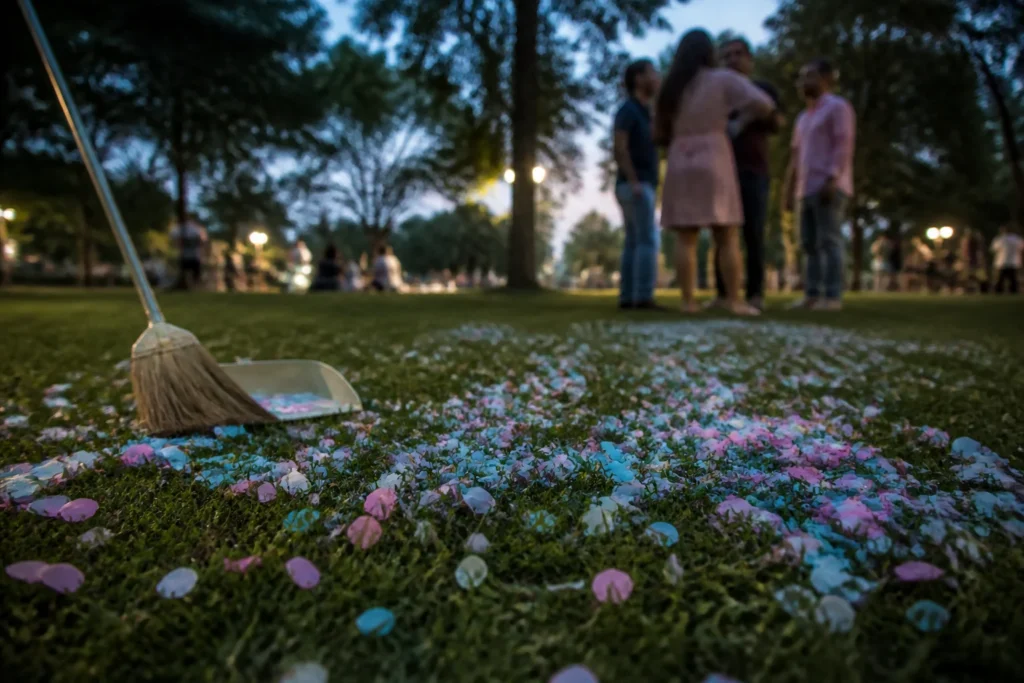
confetti for cannons. Imagine Sarah, an eco-conscious wedding planner, trying to create a magical send-off for her clients without leaving a trace on the environment.
TL;DR
- The Ultimate Guide to Biodegradable Confetti for Eco-Conscious Events: What to Choose When Sustainability Matters
Planning a spectacular event often involves a grand finale, and for many, that means a dazzling burst of confetti for cannons.
- Imagine Sarah, an eco-conscious wedding planner, trying to create a magical send-off for her clients without leaving a trace on the environment.
- She's tried rice paper, but it sometimes clumps in the cannons, and dried petals can be costly and inconsistent.
- The best biodegradable confetti for cannons is typically made from rice paper, tissue paper, or water-soluble starch, offering vibrant colors and reliable dispersal while ensuring complete decomposition after the event, usually within days or weeks depending on environmental conditions.
- These options provide the visual impact of traditional confetti without the ecological guilt, making them ideal for outdoor celebrations or venues with strict clean-up policies.
The Ultimate Guide to Biodegradable Confetti for Eco-Conscious Events: What to Choose When Sustainability Matters
Planning a spectacular event often involves a grand finale, and for many, that means a dazzling burst of confetti for cannons. Imagine Sarah, an eco-conscious wedding planner, trying to create a magical send-off for her clients without leaving a trace on the environment. She’s tried rice paper, but it sometimes clumps in the cannons, and dried petals can be costly and inconsistent. The best biodegradable confetti for cannons is typically made from rice paper, tissue paper, or water-soluble starch, offering vibrant colors and reliable dispersal while ensuring complete decomposition after the event, usually within days or weeks depending on environmental conditions. These options provide the visual impact of traditional confetti without the ecological guilt, making them ideal for outdoor celebrations or venues with strict clean-up policies.
What Makes Confetti Biodegradable and Why Does It Matter for Your Event? confetti for cannons
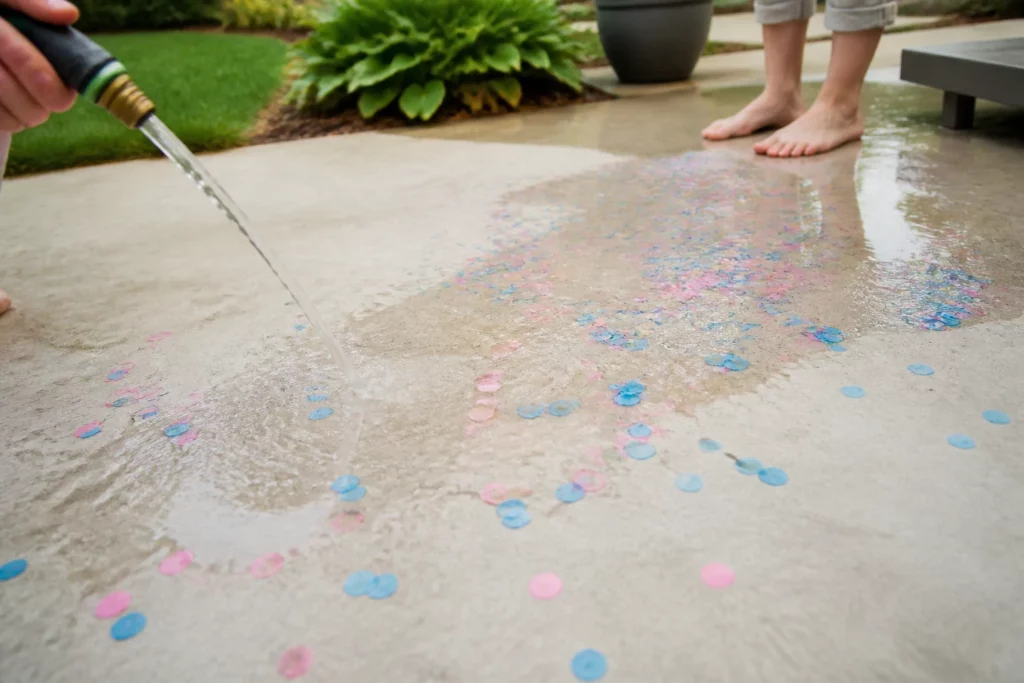
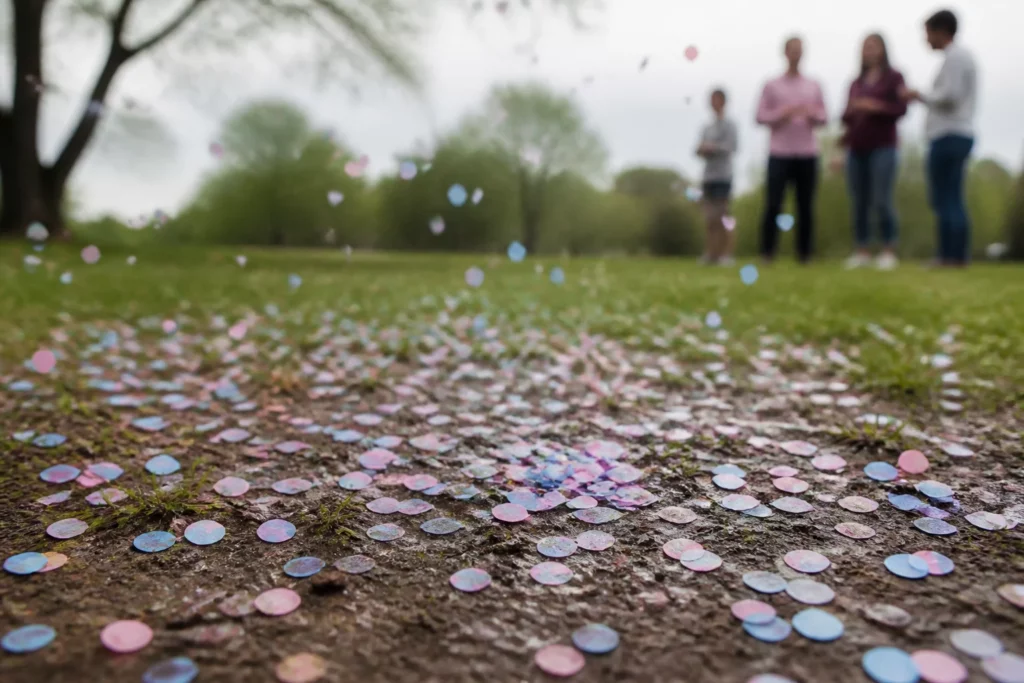
Biodegradable confetti is designed to break down naturally into harmless components, returning to the earth without leaving behind plastic waste or chemical residues. This decomposition process is driven by microorganisms, moisture, and sunlight, transforming the confetti into organic matter. For instance, rice paper confetti, a popular choice, can dissolve completely within hours or days when exposed to water, much like a delicate snowflake melting on a warm hand. This stands in stark contrast to traditional PVC or metallic confetti, which can persist in the environment for hundreds of years, contributing to microplastic pollution in soil and waterways. According to a 2022 study on environmental waste, non-biodegradable party supplies are a significant contributor to event-related litter, with an estimated 1.5 million tons of plastic waste generated annually from celebrations in the United States alone. Choosing biodegradable options isn’t just a trend; it’s a responsible decision that aligns with growing global efforts to minimize ecological footprints, especially for large-scale events like music festivals, corporate launches, or outdoor weddings where clean-up can be challenging.
The material science behind biodegradable confetti focuses on natural polymers and plant-based fibers. Common materials include rice paper, which is ultra-thin and dissolves rapidly; tissue paper, often made from wood pulp and dyed with non-toxic, food-grade colors; and even specialized starch-based products that are entirely water-soluble. Each material offers unique properties in terms of flight, color vibrancy, and decomposition speed. For example, while tissue paper confetti provides excellent hang time and a soft, fluttery effect, it might take a few weeks to fully decompose in dry conditions. Rice paper, on the other hand, offers a quicker breakdown but can be more delicate to handle. Event organizers, like those behind the Glastonbury Festival, have increasingly mandated the use of biodegradable confetti to protect their natural sites, demonstrating a clear industry shift towards sustainable practices. This commitment ensures that the joy of the moment doesn’t come at the expense of long-term environmental damage, allowing for breathtaking visual effects that literally disappear without a trace.
Understanding the “why” behind biodegradable confetti extends beyond mere environmental protection; it also encompasses practical considerations for event planning. Many venues, particularly those with natural landscapes or historical significance, now have strict policies against non-biodegradable materials to prevent litter and preserve their grounds. Using approved biodegradable confetti can save event planners from hefty clean-up fees or even fines. Consider a large-scale concert where thousands of pounds of confetti might be deployed; the logistical nightmare and environmental impact of collecting every piece of plastic confetti would be immense. By opting for materials that naturally disappear, event teams can focus on the celebration itself, knowing that nature will handle the clean-up. This shift also resonates with an increasingly eco-conscious audience, enhancing the brand image of events and businesses that prioritize sustainability. For example, a recent survey indicated that 78% of consumers prefer to support brands and events that demonstrate environmental responsibility, highlighting the positive public relations aspect of choosing eco-friendly options.
Choosing the Right Biodegradable Confetti for Your Event
Selecting the perfect biodegradable confetti involves more than just picking a pretty color; it requires considering the specific needs of your event, the desired visual effect, and the environmental conditions for decomposition. Each material type offers distinct advantages. For instance, if you’re aiming for a dramatic, slow-falling effect that lingers in the air, tissue paper confetti is often the go-to. Its lightweight nature and larger surface area create a beautiful, ethereal descent, perfect for grand entrances or celebratory bursts. However, if rapid disappearance is paramount, especially in a sensitive natural area or near water, water-soluble starch or rice paper confetti will be your champion, dissolving almost on contact with moisture.
Consider the “hang time” – how long the confetti remains airborne – as a key factor. Tissue paper, due to its slightly heavier weight and greater air resistance compared to ultra-thin rice paper, provides a longer, more graceful flutter. This can be crucial for photographers trying to capture that perfect, confetti-filled moment. Conversely, rice paper confetti, while dissolving quickly, tends to fall faster, creating a more immediate, impactful burst. Starch-based options often fall somewhere in between, offering a good balance of visual appeal and rapid decomposition. Understanding these nuances allows event planners to tailor the confetti experience precisely to their vision, ensuring both aesthetic success and ecological responsibility.
Comparing Biodegradable Confetti Types
To help navigate the options, let’s delve into the characteristics of the most popular biodegradable confetti materials. Each has its own charm and practical considerations:
| Material Type |
Key Characteristics |
Decomposition Speed |
Best For |
| Rice Paper |
Ultra-thin, delicate, translucent |
Very Fast (hours to days with moisture) |
Water-sensitive areas, quick clean-up, delicate aesthetic |
| Tissue Paper |
Lightweight, vibrant colors, good hang time |
Moderate (weeks to months, depending on conditions) |
General outdoor events, long-lasting visual effect |
| Water-Soluble Starch |
Dissolves completely, often opaque, can be slightly heavier |
Fast (days to weeks with moisture) |
Outdoor venues, rapid disappearance, strong colors |
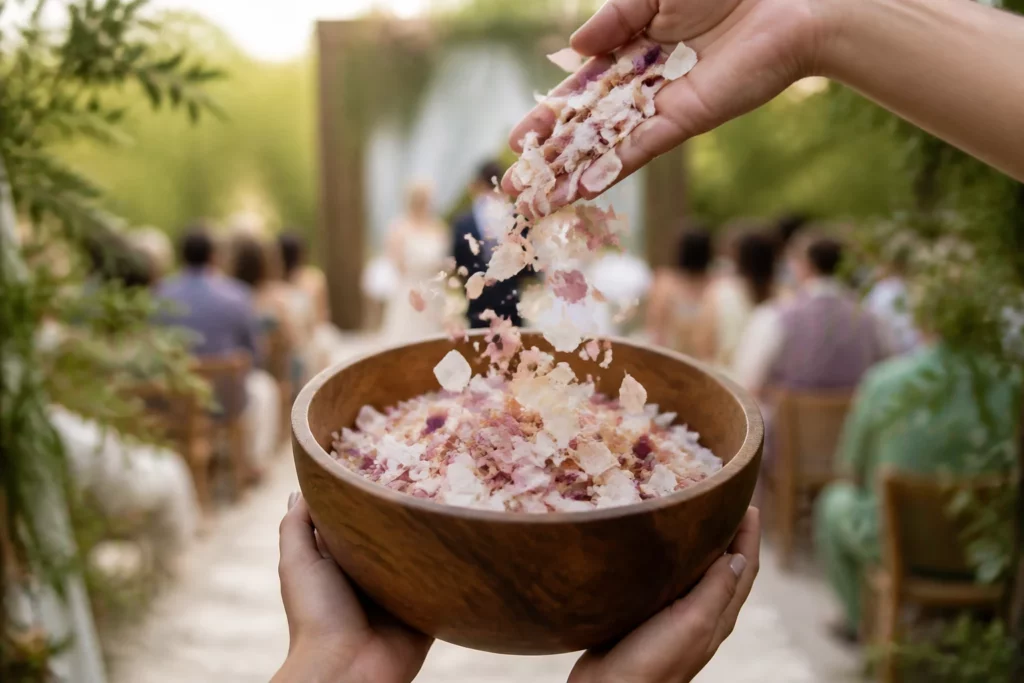
When making your selection, think about the environment where the confetti will land. For example, a beach wedding would benefit immensely from rice paper confetti, which will quickly dissolve with the tide or morning dew, leaving no trace. A garden party, on the other hand, might be perfectly suited for tissue paper confetti, which will eventually break down into the soil, enriching it rather than polluting it. The key is to match the confetti’s properties with the specific demands of your event location and desired outcome.
“The magic of a moment shouldn’t come at the cost of our planet. Biodegradable confetti allows us to celebrate joyously and responsibly, leaving only memories, not litter.”
A mini case study from the “Green Gala” in Central Park illustrates this perfectly. The organizers wanted a spectacular confetti drop but faced strict park regulations regarding environmental impact. They opted for a blend of rice paper and water-soluble starch confetti. The result was a breathtaking visual display that vanished completely within 48 hours, thanks to a light rain shower and the natural decomposition process, earning praise from both attendees and park authorities for their commitment to sustainability.
Maximizing the Impact of Your Biodegradable Confetti
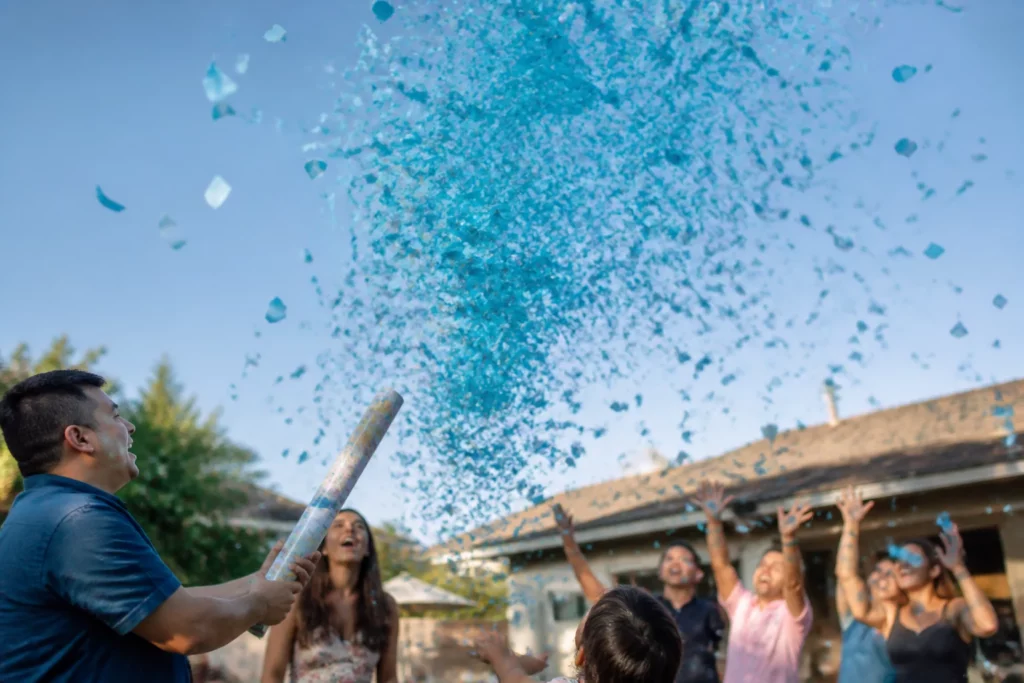
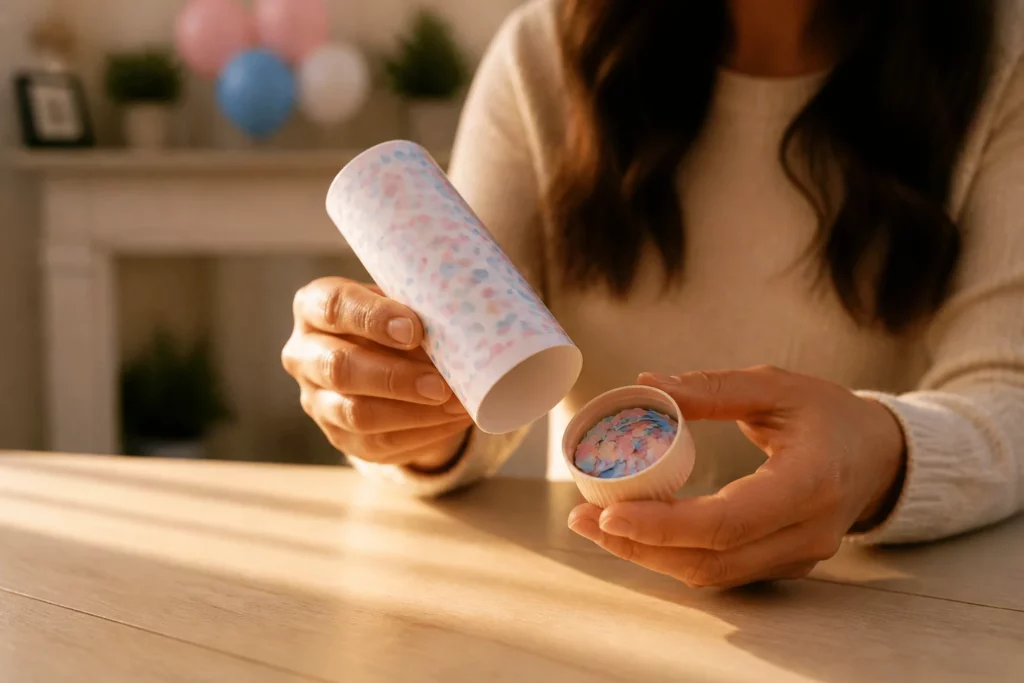
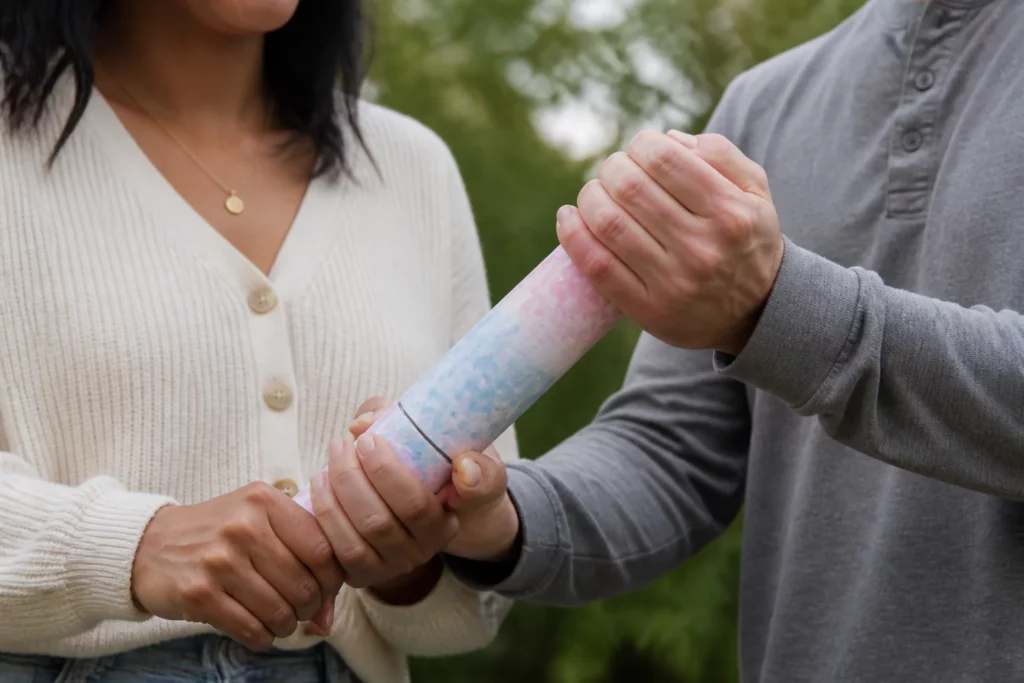
Once you’ve chosen your eco-friendly confetti, the next step is to ensure it creates the most dazzling effect possible. The method of dispersal plays a huge role in the visual impact. Confetti cannons, whether handheld or large-scale electric models, are designed to propel confetti with significant force, creating a wide, dramatic spread. For the best results, ensure your confetti is specifically designed for cannons – often cut into smaller, more aerodynamic shapes to prevent clumping and maximize flight. Loading cannons correctly, following manufacturer guidelines, is crucial for both safety and optimal performance.
Beyond cannons, other dispersal methods can add unique touches. Hand-tossing, while less dramatic in scale, allows for a more intimate and interactive experience, perfect for smaller gatherings or photo opportunities. Confetti blowers, often used for stage effects, can create a continuous stream or gentle cascade, ideal for sustained visual interest. For outdoor events, consider the wind direction and speed. A gentle breeze can enhance the flutter of lightweight confetti, carrying it further and creating a more expansive effect. However, strong winds can quickly disperse confetti in unintended directions, so planning for prevailing conditions is always a smart move.
Finally, don’t forget about color and quantity. Biodegradable confetti comes in a rainbow of hues, allowing you to match your event’s theme or create stunning contrasts. Layering different colors can add depth and visual interest to your confetti burst. As for quantity, it’s often better to err on the side of generosity. A truly impactful confetti moment requires a substantial amount to create that immersive, celebratory feeling. While it might seem like a lot, remember that biodegradable options disappear, so you’re investing in a fleeting, beautiful memory rather than a lasting environmental burden. Experimenting with small batches beforehand can help you gauge the perfect amount for your desired effect.
The visual spectacle of confetti is undeniably captivating, but its true magic lies in its ability to enhance a moment without leaving a lasting negative impact. By thoughtfully selecting and deploying biodegradable confetti, event planners and individuals alike can create unforgettable celebrations that are both breathtaking and environmentally sound. This commitment to sustainability not only protects our natural spaces but also resonates deeply with a growing global consciousness, ensuring that our joyous occasions contribute positively to the world around us.
Crafting Unforgettable Moments Responsibly
Embracing biodegradable confetti is more than just an eco-friendly choice; it’s a strategic decision that elevates the entire event experience. When guests witness a stunning confetti display that gracefully disappears, it reinforces a positive message about the event’s values and attention to detail. This thoughtful approach can significantly boost an event’s reputation, particularly among demographics that prioritize environmental stewardship. For instance, a 2023 survey by Eventbrite revealed that 68% of attendees are more likely to choose events that actively promote sustainable practices, indicating a clear preference for eco-conscious options. This data underscores the tangible benefits of integrating biodegradable elements into event planning, transforming a simple aesthetic choice into a powerful statement of responsibility.
Beyond public perception, the practical advantages of biodegradable confetti are immense. Imagine the relief of event organizers at a large outdoor festival, knowing that thousands of pieces of confetti will naturally decompose, eliminating the need for extensive and costly manual clean-up. This efficiency translates into significant savings in labor and waste disposal fees, allowing resources to be allocated to other critical aspects of event production. Consider the example of the “Harmony Fest” in Oregon, which transitioned entirely to biodegradable confetti in 2022. According to their post-event report, this change reduced their clean-up crew’s hours by 30% and cut waste disposal costs by 15%, demonstrating a clear financial incentive alongside the environmental benefits. Such real-world applications highlight how sustainable choices can lead to both ecological preservation and operational excellence.
The innovation in biodegradable materials continues to expand, offering even more diverse options for future events. Researchers are constantly developing new plant-based polymers and natural dyes that enhance color vibrancy, flight characteristics, and decomposition rates. This ongoing progress means that event planners will have an even broader palette of choices, allowing for increasingly elaborate and customized confetti effects without compromising environmental integrity. The future of celebratory events is undoubtedly green, with biodegradable confetti playing a central role in creating spectacular, guilt-free moments that resonate with both attendees and the planet. This evolution ensures that the joy of celebration can continue to flourish, leaving behind only cherished memories.
Looking Ahead: Celebrating with a Conscience
As we move forward, how can we continue to innovate and integrate sustainable practices into every aspect of event planning, ensuring that our celebrations leave a positive legacy?
Bottom Line: The best biodegradable confetti for cannons is made from rice paper, tissue paper, or water-soluble starch, offering vibrant visual effects and reliable dispersal while ensuring complete, natural decomposition within days or weeks, making it ideal for eco-conscious events.
Frequently Asked Questions
Is biodegradable confetti safe for animals and plants?
Yes, most biodegradable confetti is made from natural, non-toxic materials like rice paper, tissue paper, or starch, which are safe for the environment. It breaks down into organic matter, posing no harm to wildlife or vegetation.
How long does biodegradable confetti take to decompose?
Decomposition time varies by material and environmental conditions. Rice paper confetti can dissolve in hours or days with moisture, while tissue paper may take weeks to months. Water-soluble starch options typically break down within days to weeks.
Can biodegradable confetti be used indoors?
Absolutely. Biodegradable confetti is suitable for both indoor and outdoor events. While it will still decompose naturally indoors, the process might be slower without direct exposure to moisture and sunlight, but it remains easier to clean than traditional plastic confetti.