Answer
Screen Printing vs. DTG: Which Method is Best for Your Custom Tea Shirt Order Size and Budget?
TL;DR
- Screen Printing vs.
- DTG: Which Method is Best for Your Custom Tea Shirt Order Size and Budget?
- When choosing between screen printing and Direct-to-Garment (DTG) for your custom tea shirts, the best method largely depends on your order size, design complexity, and budget.
- For large orders (typically 24+ shirts) with fewer colors, screen printing offers superior durability and cost-effectiveness, often reducing the per-unit price significantly.
- Conversely, DTG printing excels for smaller runs (1-23 shirts), intricate designs with many colors or gradients, and projects requiring photographic detail, as it prints directly onto the fabric much like an inkjet printer, eliminating setup fees associated with screen printing.
Screen Printing vs. DTG: Which Method is Best for Your Custom Tea Shirt Order Size and Budget?
When choosing between screen printing and Direct-to-Garment (DTG) for your custom tea shirts, the best method largely depends on your order size, design complexity, and budget. For large orders (typically 24+ shirts) with fewer colors, screen printing offers superior durability and cost-effectiveness, often reducing the per-unit price significantly. Conversely, DTG printing excels for smaller runs (1-23 shirts), intricate designs with many colors or gradients, and projects requiring photographic detail, as it prints directly onto the fabric much like an inkjet printer, eliminating setup fees associated with screen printing. For instance, a local band, “The Confetti Cannons,” ordering 50 shirts with a simple two-color logo would find screen printing more economical, while a small online boutique, “Sparkle Threads,” selling unique, full-color graphic tees in batches of 10 would benefit from DTG’s flexibility and detail.
What Are the Core Differences Between Screen Printing and DTG for Custom Tea Shirts?
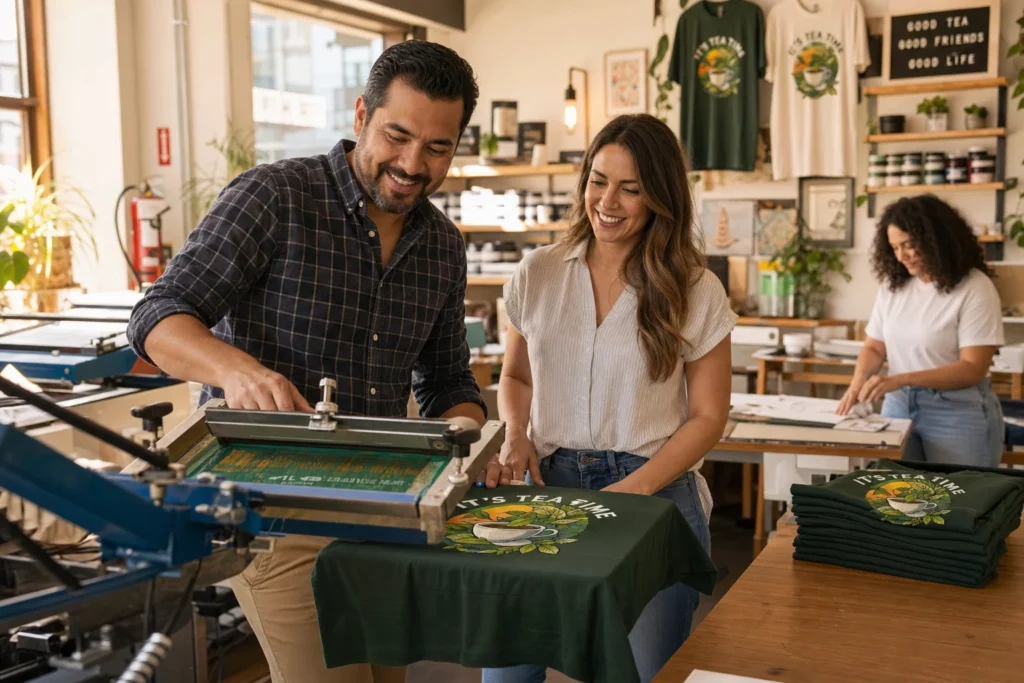
Imagine you’re planning a surprise party for a friend, and you want everyone to wear a special custom tea shirt. You’ve got a fantastic, whimsical design in mind, but now you’re faced with the printing dilemma. Screen printing, a venerable technique with roots stretching back centuries, involves pushing ink through a woven mesh stencil onto the fabric. Each color in your design requires a separate screen, which means more setup time and cost for multi-color designs. However, once those screens are ready, the actual printing process is incredibly efficient, making it ideal for bulk orders. The ink sits on top of the fabric, creating a vibrant, tactile finish that is remarkably durable, often outlasting the shirt itself. According to industry data from 2023, screen printing remains the go-to method for over 60% of promotional apparel orders exceeding 50 units due to its cost efficiency and robust output.
On the other hand, Direct-to-Garment (DTG) printing is the new kid on the block, relatively speaking, having gained significant traction in the last two decades. Think of it as a giant inkjet printer for fabric. Your digital design is printed directly onto the tea shirt, allowing for an almost unlimited color palette, intricate details, and smooth gradients without the need for multiple screens. This method shines for small orders, one-off custom designs, and complex artwork like photographs or highly detailed illustrations. The ink is absorbed into the fabric fibers, resulting in a softer feel compared to screen printing. A key advantage of DTG is its minimal setup time and cost, as there are no screens to prepare. For example, a graphic designer creating a limited-edition series of 15 unique custom tea shirts with elaborate, full-color artwork would find DTG to be the perfect match, offering both precision and flexibility.
The fundamental distinction boils down to process and application. Screen printing is a mechanical, stencil-based process best suited for volume and designs with fewer colors, offering a classic, durable finish. DTG is a digital, direct-application process that excels with complexity, color variety, and smaller quantities, providing a softer, more detailed result. Understanding these core differences is the first step in making an informed decision for your next custom apparel project. As Dan D., a long-time observer of printing trends, I’ve seen firsthand how both methods have evolved, each carving out its niche in the custom apparel market, catering to different needs and creative visions.
When Does Screen Printing Shine Brightest for Your Tea Shirt Project?
Screen printing truly comes into its own when you have a clear vision for a larger batch of custom tea shirts. Think school sports teams, corporate events, or merchandise for a popular podcast. The initial investment in screen setup pays dividends as your order quantity increases, making the per-shirt cost remarkably low. This method is particularly advantageous for designs that feature solid blocks of color, bold lines, and text, as the ink lays down thick and opaque, providing excellent color vibrancy even on darker fabrics. For instance, a local charity organizing a 5K run might order 200 shirts with their two-color logo. The crisp lines and vibrant hues achieved through screen printing would make their brand stand out, all while staying well within their budget.
Beyond cost efficiency, screen printing offers a tactile quality that many find appealing. The ink sits slightly raised on the fabric surface, creating a texture that adds to the overall feel of the garment. This method is also renowned for its exceptional durability. Screen-printed designs are highly resistant to fading, cracking, and peeling, often outlasting the fabric itself. This makes it an excellent choice for items that will see frequent wear and washing, such as uniforms or promotional giveaways. A popular coffee shop, “The Daily Grind,” recently ordered 150 staff tea shirts with their iconic three-color emblem. After months of daily use and countless washes, the screen-printed logos remain as sharp and vibrant as the day they were printed, a testament to the method’s longevity.
“For bulk orders, screen printing isn’t just a choice; it’s often the smartest financial and quality decision. The durability and color saturation are simply unmatched for high-volume production.”
Consider the type of fabric as well. Screen printing is incredibly versatile and performs well on a wide range of materials, including cotton, polyester, and blends. While some specialty inks are required for certain synthetic fabrics, the process generally adapts well. This flexibility means you are not limited in your choice of tea shirt material, allowing you to select the perfect garment for your specific needs and comfort preferences. The ability to use specialty inks, such as metallic, glitter, or puff inks, also opens up creative possibilities that are less feasible with other printing methods, adding unique flair to your custom apparel.
When is DTG the Dazzling Choice for Your Custom Tea Shirts?
DTG printing truly shines when your custom tea shirt project involves smaller quantities, intricate artwork, or a desire for a soft, breathable print. Imagine you’re creating a limited-edition series of shirts for an art exhibition, each featuring a different full-color painting. DTG allows for an almost limitless color palette and incredible detail, reproducing complex images, gradients, and photographic designs with stunning accuracy. Since there are no screens to prepare, setup costs are minimal, making it highly economical for orders ranging from a single shirt to a few dozen. This flexibility is a game-changer for independent artists, small businesses, or anyone needing a quick turnaround on a unique design.
The “soft hand” feel is another significant advantage of DTG printing. Because the ink is absorbed directly into the fabric fibers, the print becomes an integral part of the shirt rather than sitting on top. This results in a much softer, less noticeable feel compared to the slightly raised texture of screen printing. For those who prioritize comfort and a lightweight feel, especially on lighter-colored garments, DTG is often the preferred method. A startup gaming company, “Pixel Quest Studios,” needed 25 custom tea shirts for a convention, each featuring their highly detailed, full-color game character artwork. DTG provided the vibrant, soft-feel shirts they desired, perfectly capturing the intricate details of their digital designs without any bulkiness.
DTG also excels in situations where design changes might be frequent or where personalization is key. Since each shirt is printed individually from a digital file, it’s easy to modify designs between prints, or even print unique designs on every single shirt within an order. This is invaluable for projects requiring variable data, such as individual names or numbers on each shirt, or for creating truly one-of-a-kind pieces. For example, a family reunion might opt for DTG to print shirts with a group photo and each family member’s name, a level of customization that would be prohibitively expensive and complex with screen printing.
DTG also offers a significant advantage in terms of environmental impact. Compared to traditional screen printing, which often uses plastisol inks containing PVC and phthalates, many DTG printers utilize water-based inks that are more eco-friendly. These inks produce less waste and are biodegradable, aligning with growing consumer demand for sustainable practices. For a brand like “Green Threads Apparel,” which prides itself on its commitment to environmental responsibility, DTG printing is the obvious choice for their limited-run, nature-inspired custom tea shirts. This method allows them to maintain their ecological ethos while still delivering high-quality, visually stunning garments to their conscious customer base. The reduced water usage in the DTG process, particularly with modern closed-loop systems, further solidifies its position as a more sustainable option for custom apparel production, a factor increasingly important to both businesses and consumers.
Furthermore, DTG printing is ideal for rapid prototyping and on-demand production. If you need a sample shirt quickly to approve a design, or if you operate a print-on-demand business model, DTG’s minimal setup and quick turnaround times are invaluable. There’s no need to wait for screens to be prepared or for large batches to be run; a single shirt can be printed and ready for dispatch in minutes. This agility allows businesses to test new designs, respond to trends, and fulfill individual customer orders without holding large inventories. For example, an online influencer launching a new merchandise line might use DTG to offer a wide array of designs without the financial risk of bulk pre-orders, printing each custom tea shirt only when a customer places an order. This approach minimizes waste and maximizes flexibility, making DTG a powerful tool for modern, agile businesses.
Choosing Your Path: Screen Printing or DTG for Your Custom Tea Shirts?
Deciding between screen printing and DTG for your custom tea shirts ultimately comes down to a careful evaluation of your project’s specific requirements. There isn’t a universally “better” method; rather, there’s a method that is better suited for your particular needs. Consider your order volume as a primary driver. If you’re planning a large event, such as a university orientation with 500 attendees, and require hundreds of shirts with a consistent, bold logo, screen printing will offer the most cost-effective solution and the most durable print. The initial setup cost, while higher, is amortized across a large quantity, leading to a significantly lower per-unit price. Conversely, if you are a small business owner launching a new product line with 20 unique, highly detailed designs, each with a limited run of 10 shirts, DTG provides the necessary flexibility, color fidelity, and cost efficiency for smaller batches. Data from a 2023 market analysis indicates that for orders under 24 units, DTG accounts for over 70% of custom apparel production due to its economic viability and design capabilities.
Your design’s complexity and color palette are equally crucial factors. Simple designs with one to three solid colors are often perfect candidates for screen printing, which excels at producing crisp lines and vibrant, opaque colors. The tactile feel and classic aesthetic of screen-printed designs are also a strong draw for many. However, if your design features intricate details, photographic elements, subtle gradients, or a broad spectrum of colors, DTG printing is the clear winner. It can reproduce virtually any digital image with remarkable precision, offering a softer hand feel that integrates seamlessly with the fabric. For instance, a local artist creating a series of custom tea shirts featuring their watercolor paintings would find DTG indispensable for capturing the delicate nuances and full color range of their original artwork. The ability to achieve such high levels of detail without the constraints of color separation or screen preparation makes DTG an unparalleled choice for complex visual projects.
Finally, consider your budget and timeline. If you have a generous lead time and are focused on achieving the lowest possible per-unit cost for a large order, screen printing is typically the more economical choice. The efficiency of the printing process once screens are prepared allows for rapid production of high volumes. However, if you need a quick turnaround for a small batch, or if your budget is constrained by minimal upfront investment, DTG printing offers a faster, more accessible solution. Its on-demand capabilities mean you can go from design to finished product in a fraction of the time, without incurring significant setup fees. A startup fashion brand, “Urban Canvas,” frequently uses DTG for their limited-edition drops, allowing them to quickly test market demand for new designs and fulfill orders within days, rather than weeks. This agility is a significant competitive advantage in the fast-paced world of fashion, demonstrating how DTG supports innovative business models.
Empowering Your Custom Tea Shirt Vision
The journey to creating the perfect custom tea shirts is an exciting one, and understanding the nuances of screen printing and DTG is your compass. Each method offers distinct advantages, tailored to different project scales, design intricacies, and budgetary considerations. By carefully weighing these factors, you can confidently select the printing technique that will bring your vision to life with optimal quality and efficiency. Whether you prioritize the robust durability and cost-effectiveness of screen printing for a large corporate order or the intricate detail and flexibility of DTG for a unique artistic collection, an informed decision ensures satisfaction with your final product. The evolution of both technologies continues to expand creative possibilities, making custom apparel more accessible and versatile than ever before.
Bottom Line: Screen printing is best for large orders (24+ shirts) with simple, few-color designs, offering durability and cost efficiency, while DTG excels for small orders (1-23 shirts) and complex, multi-color or photographic designs, providing detail and flexibility.
Frequently Asked Questions
Which printing method is more durable for custom tea shirts?
Screen printing generally offers superior durability. The ink sits on top of the fabric, creating a thick, robust layer that is highly resistant to fading, cracking, and peeling, often outlasting the garment itself.
Can DTG printing be used on dark-colored tea shirts?
Yes, DTG printing can be used effectively on dark-colored tea shirts. A white underbase layer is typically applied first to ensure the vibrant colors of the design show up clearly and brightly against the dark fabric.
Is there a minimum order quantity for screen printing custom tea shirts?
Most screen printers have a minimum order quantity, typically around 12 to 24 shirts. This is because the initial setup costs for creating screens make smaller runs less cost-effective compared to DTG printing.