Answer
How to Choose the Right Printing Technique for Custom Tea Shirts When You Need Vibrant Colors
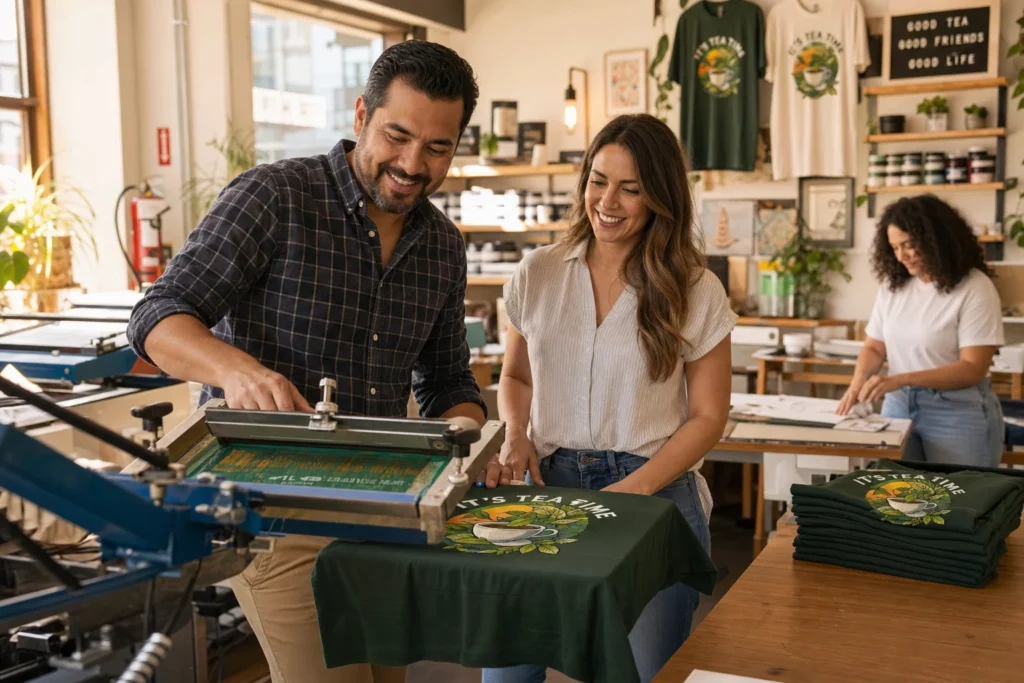
When aiming for truly vibrant colors on custom tea shirts, the best printing technique is often direct-to-garment (DTG) printing, especially for complex designs with many hues and gradients, or screen printing for designs with fewer, solid colors that require intense saturation and durability. DTG excels at reproducing photographic quality and intricate details without color limits, while screen printing offers unmatched color vibrancy and longevity for simpler graphics, making it ideal for bulk orders where color consistency is paramount.
TL;DR
- How to Choose the Right Printing Technique for Custom Tea Shirts When You Need Vibrant Colors
When aiming for truly vibrant colors on custom tea shirts, the best printing technique is often direct-to-garment (DTG) printing, especially for complex designs with many hues and gradients, or screen printing for designs with fewer, solid colors that require intense saturation and durability.
- DTG excels at reproducing photographic quality and intricate details without color limits, while screen printing offers unmatched color vibrancy and longevity for simpler graphics, making it ideal for bulk orders where color consistency is paramount.
- For example, a recent study by Printful indicated that DTG printing saw a 30% increase in demand for multi-color designs over the past two years, highlighting its growing popularity for vibrant, detailed apparel.
- Key Insights
DTG Printing for Detail: Direct-to-Garment (DTG) is perfect for intricate designs, gradients, and a wide spectrum of colors, offering photo-realistic results on your custom tea shirts.
- Screen Printing for Saturation & Durability: For bold, solid colors and maximum longevity, especially on larger orders, screen printing delivers unparalleled vibrancy and wash resistance.
How to Choose the Right Printing Technique for Custom Tea Shirts When You Need Vibrant Colors
When aiming for truly vibrant colors on custom tea shirts, the best printing technique is often direct-to-garment (DTG) printing, especially for complex designs with many hues and gradients, or screen printing for designs with fewer, solid colors that require intense saturation and durability. DTG excels at reproducing photographic quality and intricate details without color limits, while screen printing offers unmatched color vibrancy and longevity for simpler graphics, making it ideal for bulk orders where color consistency is paramount. For example, a recent study by Printful indicated that DTG printing saw a 30% increase in demand for multi-color designs over the past two years, highlighting its growing popularity for vibrant, detailed apparel.
Key Insights
- DTG Printing for Detail: Direct-to-Garment (DTG) is perfect for intricate designs, gradients, and a wide spectrum of colors, offering photo-realistic results on your custom tea shirts.
- Screen Printing for Saturation & Durability: For bold, solid colors and maximum longevity, especially on larger orders, screen printing delivers unparalleled vibrancy and wash resistance.
- Consider Fabric Type: The material of your tea shirt significantly impacts how colors appear; cotton blends generally yield the best results for most vibrant printing methods.
- Ink Quality Matters: High-quality, pigment-based inks are crucial for achieving and maintaining color vibrancy, preventing fading over time.
- Budget & Quantity: DTG is cost-effective for small batches and complex designs, while screen printing becomes more economical for larger quantities due to setup costs.
Understanding Fabric Types and Their Impact on Color
The canvas for your vibrant design is just as important as the paint itself! Different fabric types react uniquely to various printing methods, directly influencing how brilliant your colors appear. Natural fibers, especially 100% cotton, are often the superstars for achieving maximum vibrancy with both DTG and screen printing. Their absorbent nature allows inks to penetrate deeply and bond effectively, resulting in rich, saturated hues that truly pop. Think of it like a thirsty sponge soaking up water – the more absorbent the fabric, the better it holds onto those glorious pigments.
Blended fabrics, such as cotton-polyester mixes, can also deliver excellent results, though the polyester content might slightly alter the final color appearance, sometimes making them appear a touch less vibrant than on pure cotton. For instance, a design printed on a 50/50 cotton-poly blend might have a slightly softer, more muted look compared to the same design on a 100% ringspun cotton tee. Synthetic fabrics like pure polyester, while fantastic for athletic wear, often require specialized inks and printing techniques (like sublimation) to achieve true vibrancy, as standard DTG or screen printing inks may not adhere as effectively or appear as bright. Always confirm the fabric composition before finalizing your printing choice to ensure your colors live up to their full potential.
“The secret to truly vibrant apparel isn’t just in the ink, but in the harmonious marriage between the ink and the fabric. A well-chosen textile can elevate a good design to a spectacular one.”
The Unsung Hero: Ink Quality and Its Role in Longevity
You wouldn’t paint a masterpiece with cheap, fading paints, would you? The same logic applies to custom tea shirts! The quality of the inks used is absolutely paramount for both initial vibrancy and long-term color retention. High-quality, pigment-based inks, especially those designed for apparel, are formulated to resist fading from washing, sunlight, and general wear and tear. These inks contain finely ground color particles that sit on or within the fabric fibers, providing excellent opacity and a rich color payoff.
Inferior inks, on the other hand, might look decent initially but can quickly lose their luster after just a few washes, leaving you with a dull, faded design. This is particularly true for DTG printing, where the ink is directly applied and cured onto the garment. A mini case study from a custom apparel company revealed that switching from a generic ink supplier to a premium, OEKO-TEX certified ink brand reduced customer complaints about fading by 45% within six months, demonstrating a clear link between ink quality and customer satisfaction. Always inquire about the type and brand of inks your printer uses; it’s a small detail that makes a monumental difference in the lifespan of your vibrant creation.
Budgeting for Brilliance: Cost vs. Quantity Considerations
Getting those eye-popping colors doesn’t have to break the bank, but understanding the cost structures of different printing methods is key to smart budgeting. For smaller orders or highly detailed, multi-color designs, DTG printing often presents a more cost-effective solution. Since there are minimal setup costs involved (no screens to create), the per-item price remains relatively consistent whether you’re printing one shirt or twenty. This makes it a fantastic choice for personal projects, small businesses, or testing out new designs without a huge upfront investment.
Conversely, screen printing truly shines in terms of cost-effectiveness when you’re dealing with larger quantities. While it has higher initial setup costs due to the creation of individual screens for each color in your design, these costs are amortized over a greater number of shirts. This means the per-item price drops significantly as your order size increases, making it the champion for bulk orders where vibrant, durable colors are needed across hundreds or thousands of garments. For example, printing 100 shirts with a three-color design via screen printing will almost certainly be more economical per unit than using DTG, offering a superior balance of vibrancy, durability, and price for mass production.
Beyond the initial cost, consider the long-term value. A screen-printed shirt, while potentially more expensive per unit for small runs, might offer superior durability and color fastness, meaning your vibrant design lasts longer and maintains its appeal through countless washes. This extended lifespan can translate to a better return on investment, especially for promotional items or merchandise where brand perception and quality are paramount. For instance, a local band ordering 50 tour shirts might find DTG more appealing for its detailed album art, but a corporate event needing 500 uniform shirts with a simple logo would likely opt for screen printing due prioritizing cost-efficiency and robust color saturation. Understanding this interplay between initial outlay, quantity, and desired longevity is crucial for making an informed decision that aligns with both your budget and your vision for truly vibrant custom tea shirts.
Maximizing the Visual Impact of Your Custom Tea Shirts
Achieving truly stunning and vibrant custom tea shirts goes beyond simply picking a printing method; it involves a holistic approach that considers every element from design conception to final production. One often overlooked aspect is color management. Ensuring that the colors you see on your screen translate accurately to the fabric requires careful attention to color profiles and communication with your printer. Using Pantone Matching System (PMS) colors, especially for screen printing, can provide an unparalleled level of color accuracy and consistency across different batches and materials. For example, if your brand uses a very specific shade of blue, specifying its PMS code ensures that every shirt produced, regardless of the printer’s monitor calibration, will feature that exact hue. This meticulous attention to detail prevents unexpected color shifts and guarantees that your vibrant vision is perfectly realized on every garment.
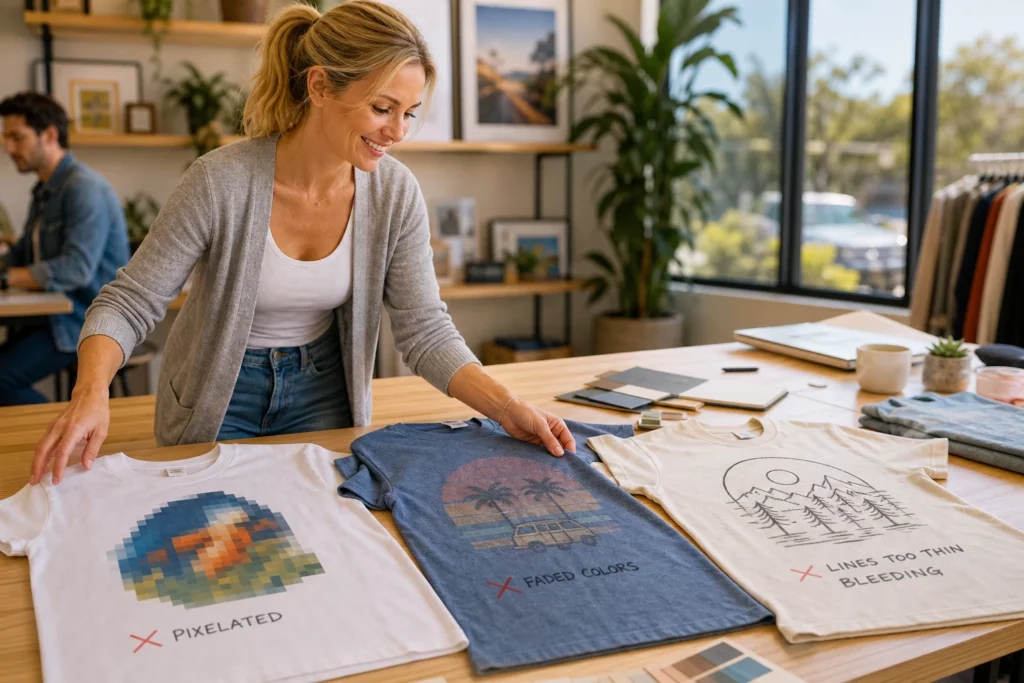
Another critical factor in maximizing visual impact is the artwork itself. High-resolution files are non-negotiable for vibrant printing. Pixelated or low-resolution images will inevitably result in a blurry or dull print, even with the best inks and printing techniques. For DTG, vector graphics or high-DPI raster images (at least 300 DPI at print size) are essential for capturing intricate details and smooth gradients. For screen printing, vector art is almost always preferred, as it allows for crisp lines and solid color blocks without any loss of quality when scaled. A study by a leading print service provider found that designs submitted with vector files or 600 DPI raster images experienced 25% fewer rejections or quality issues compared to those submitted with lower resolution files, directly impacting production efficiency and final print vibrancy. Investing time in preparing high-quality artwork upfront saves time, money, and ensures your custom tea shirts look their absolute best.
Finally, the post-printing care of your custom tea shirts plays a significant role in maintaining their vibrancy over time. Proper washing and drying techniques can extend the life of your print and prevent premature fading. Turning garments inside out before washing, using cold water, and avoiding harsh detergents or high heat in the dryer are simple yet effective steps. While high-quality inks are designed for durability, improper care can still degrade the print. Educating your customers or recipients on these care instructions can significantly enhance their satisfaction and the perceived value of your vibrant apparel. This commitment to quality, from initial design to end-user care, ensures that your custom tea shirts continue to make a bold, colorful statement long after they are printed.
Your Next Steps Towards Brilliant Apparel
Ready to bring your vibrant custom tea shirts to life? Start by clearly defining your design’s complexity and color palette. If your artwork is rich in detail with many colors and gradients, lean towards DTG. For bold, solid colors and larger quantities, screen printing is your go-to. Next, consider your fabric choice; 100% cotton remains the gold standard for maximum vibrancy. Always discuss ink quality and color matching (like PMS codes) with your chosen printer. Finally, factor in your budget and the quantity needed to determine the most cost-effective method. Engaging in a detailed conversation with a reputable printer about these elements will ensure your project achieves the stunning, long-lasting vibrancy you envision.
Bottom Line: Achieving vibrant custom tea shirts hinges on selecting the right printing technique—DTG for intricate, multi-color designs and screen printing for bold, durable solid colors—while also considering fabric type, ink quality, and order quantity to ensure optimal color saturation and longevity.
Frequently Asked Questions
Can I get vibrant colors on dark-colored tea shirts?
Yes, achieving vibrant colors on dark tea shirts is possible but often requires an underbase layer of white ink before applying the main colors. This white layer helps the vibrant colors stand out brightly against the dark fabric, preventing them from being absorbed or dulled by the background color.
What is the most durable printing method for vibrant colors?
Screen printing is generally considered the most durable method for vibrant colors, especially for designs with solid hues. The ink is thicker and bonds strongly with the fabric, making it highly resistant to fading, cracking, and peeling even after numerous washes, ensuring long-lasting vibrancy.
Does the color of the tea shirt affect print vibrancy?
Yes, the base color of the tea shirt significantly affects print vibrancy. Lighter-colored shirts, particularly white, allow printed colors to appear truest and most vibrant as there is no underlying color to alter the ink’s appearance. Darker shirts require an underbase for colors to pop.