Answer
What is Sublimation Printing and When Should You Use It for Custom Tea Shirts? Imagine Sarah, a budding entrepreneur, dreaming of launching her unique line of quirky, vibrant custom tea shirts.
TL;DR
- What is Sublimation Printing and When Should You Use It for Custom Tea Shirts?
- Imagine Sarah, a budding entrepreneur, dreaming of launching her unique line of quirky, vibrant custom tea shirts.
- She's tried screen printing, but the colors felt dull on her polyester blends, and the setup costs for small batches were a nightmare.
- Vinyl transfers peeled after a few washes, leaving her frustrated.
- Sublimation printing, a process that uses heat to transfer dye onto materials, is the magic solution for Sarah's dilemma, transforming solid dyes into a gas without passing through a liquid phase, then bonding them permanently with synthetic fabrics.
What is Sublimation Printing and When Should You Use It for Custom Tea Shirts?
Imagine Sarah, a budding entrepreneur, dreaming of launching her unique line of quirky, vibrant custom tea shirts. She’s tried screen printing, but the colors felt dull on her polyester blends, and the setup costs for small batches were a nightmare. Vinyl transfers peeled after a few washes, leaving her frustrated. Sublimation printing, a process that uses heat to transfer dye onto materials, is the magic solution for Sarah’s dilemma, transforming solid dyes into a gas without passing through a liquid phase, then bonding them permanently with synthetic fabrics. This technique creates incredibly vibrant, durable, and full-color designs that won’t crack, peel, or fade, making it ideal for polyester-rich custom apparel where longevity and photographic detail are key.
Key Insights
- Sublimation printing is a digital printing method that uses heat to transfer dye onto materials, creating vibrant, permanent designs.
- It’s best suited for polyester or polyester-coated items, offering exceptional color depth and durability for custom tea shirts.
- Unlike other methods, sublimation dyes become part of the fabric, meaning no cracking, peeling, or fading over time.
- While initial setup costs can be higher, it’s cost-effective for small to medium runs and intricate, multi-color designs.
- Consider sublimation for athletic wear, promotional items, or any custom apparel needing a high-quality, long-lasting finish.
How Sublimation Printing Works Its Magic
Delving deeper into the mechanics, sublimation printing isn’t just a fancy name; it’s a fascinating scientific process. It begins with specialized sublimation inks, which are essentially solid dyes, printed onto a transfer paper using an inkjet printer. This isn’t your everyday printer ink; these dyes are formulated to react specifically to heat. Once the design is on the transfer paper, it’s placed onto the polyester fabric. The magic truly happens when this sandwich of paper and fabric enters a heat press. Under intense heat, typically between 350-400°F (175-205°C), and pressure, the solid dyes on the transfer paper skip the liquid phase entirely and transform directly into a gas. This gaseous dye then permeates the open pores of the polyester fibers.
As the fabric cools, the pores close, trapping the now-solidified dye within the fibers. This permanent bonding is what gives sublimation its unparalleled durability and vibrant finish. Think of it like tattooing the fabric itself, rather than just laying a layer of ink on top. This direct infusion means the design becomes an integral part of the garment, maintaining the fabric’s original texture and breathability. For instance, imagine a custom tea shirt for a marathon team; the sublimated design won’t crack or peel, even after countless washes and intense workouts, ensuring the team looks sharp from start to finish.
“The beauty of sublimation lies in its ability to transform a digital design into a physical reality with such seamless integration that the print feels like part of the fabric itself.”
The Step-by-Step Sublimation Process
To truly appreciate the simplicity and effectiveness, let’s break down the process into a few easy steps:
- Design Creation: First, a digital design is created using graphic software. This design needs to be high-resolution and often mirrored, especially for text, as it will be flipped during transfer.
- Printing onto Transfer Paper: The design is then printed onto a special sublimation transfer paper using a sublimation printer loaded with sublimation inks.
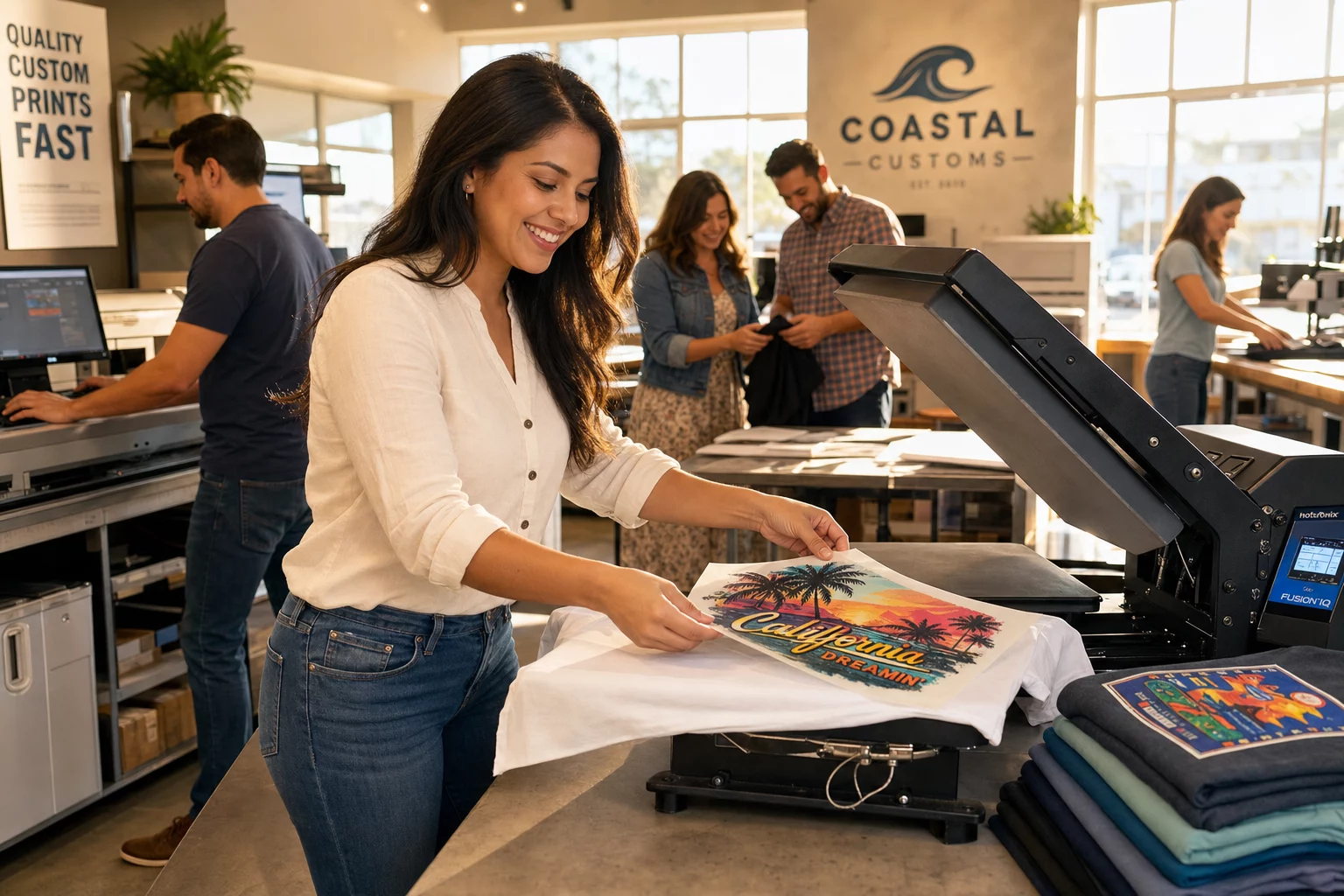
- Heat Press Application: The printed transfer paper is carefully placed onto the polyester garment. Both are then inserted into a heat press machine, which applies precise heat and pressure for a specific duration.
- Cooling and Reveal: Once the heat press cycle is complete, the garment is removed and allowed to cool. The transfer paper is then peeled away, revealing the vibrant, permanent design infused into the fabric.
Consider a small business owner, “EcoThreads,” specializing in sustainable athletic wear. They needed a printing method that could handle intricate, full-color nature-inspired designs on their recycled polyester blends without compromising the fabric’s eco-friendly feel. After struggling with vinyl and screen printing, they discovered sublimation. Their first batch of custom tea shirts featuring a detailed forest scene was a resounding success. The colors popped, the fabric remained soft and breathable, and customers raved about the designs’ longevity, even after numerous washes. This allowed EcoThreads to maintain their brand promise of high-quality, durable, and environmentally conscious apparel.
The versatility of sublimation printing extends beyond just custom tea shirts. It’s also widely adopted for a diverse range of products, from ceramic mugs and phone cases to mousepads and even hard-surface signage. The key unifying factor across all these applications is the presence of a polymer coating or a high polyester content, which allows the gaseous dyes to bond effectively. For instance, a small online gift shop, “Personalized Paws,” found immense success by offering custom pet portraits on various items. They initially struggled with vinyl transfers on mugs, which often scratched off, and direct-to-garment printing on their polyester pet bandanas, which lacked the desired vibrancy. Switching to sublimation enabled them to produce stunning, full-color pet portraits on mugs that were dishwasher safe and bandanas that maintained their soft feel and brilliant hues, leading to a 40% increase in customer satisfaction and repeat orders within six months.
Understanding the nuances of sublimation also involves recognizing its limitations. While it excels on white or light-colored polyester fabrics, it cannot be used on dark garments because the dyes are translucent and would not show up against a dark background. Similarly, natural fibers like cotton do not have the necessary polymer structure to absorb the dyes, resulting in faded or washed-out designs. This is why Sarah, our entrepreneur, found it perfect for her polyester blends but would need an alternative method for her 100% cotton line. Industry data from 2022 indicates that over 70% of all sublimated apparel products are made from 80% or higher polyester content, underscoring this material dependency. Furthermore, while the initial investment in a sublimation printer and heat press can be higher than some other methods, the long-term benefits of durability, vibrant colors, and the ability to print complex designs without per-color setup costs often outweigh this initial outlay, especially for businesses focusing on niche markets or personalized items.
Maximizing Your Custom Apparel Potential
For businesses or individuals looking to create truly unique and lasting custom tea shirts, sublimation offers a compelling advantage. Its ability to produce photographic quality images and intricate patterns with a soft, breathable finish makes it ideal for premium apparel. Consider a local sports club, “Victory Runners,” that needed new uniforms for their annual charity race. They wanted their logo, which featured a complex gradient sunset design, to be vibrant and withstand countless washes and intense physical activity. Traditional screen printing struggled with the gradient, and vinyl felt stiff. By opting for sublimated custom tea shirts, Victory Runners achieved uniforms that not only looked professional and eye-catching but also remained comfortable and durable throughout the season, enhancing team morale and brand visibility. This method ensures that the investment in design and production translates into a product that truly stands the test of time and wear.
The future of custom apparel continues to evolve, with sublimation printing playing a significant role in pushing the boundaries of design and durability. As technology advances, we may see even more accessible and efficient sublimation solutions, further democratizing high-quality custom apparel production. What innovative designs will you bring to life with this transformative printing method?
Bottom Line: Sublimation printing is a superior method for creating vibrant, durable, and full-color custom tea shirts, especially on polyester fabrics, by infusing dye directly into the material for a permanent, crack-free finish.
Frequently Asked Questions
Can sublimation printing be used on cotton custom tea shirts?
No, sublimation printing is not effective on 100% cotton. The process relies on synthetic fibers like polyester to absorb and bond with the gaseous dyes. On cotton, the dyes would simply wash out, resulting in a faded or non-existent design.
How long do sublimated designs on custom tea shirts last?
Sublimated designs are exceptionally durable and are considered permanent. Because the dye becomes part of the fabric, they will not crack, peel, or fade, even after numerous washes, often lasting the lifetime of the garment itself.
Is sublimation printing more expensive than other methods for custom tea shirts?
Initial setup costs for sublimation equipment can be higher. However, for intricate, multi-color designs or small to medium batch sizes, it can be more cost-effective than screen printing, which has per-color setup fees. The long-term durability also adds value.