AnswerConfetti is available in a diverse array of materials, shapes, and sizes, each designed for specific effects and cleanup considerations. The primary
types of confetti include traditional paper, metallic foil,
biodegradable options like rice paper or flower petals, and specialty forms such as water-soluble or…
TL;DR
- The world of confetti extends far beyond simple paper circles, encompassing a rich variety of materials, each offering unique aesthetic and practical characteristics.
- Selecting the appropriate confetti involves a careful balance of visual impact, environmental considerations, venue restrictions, and cleanup logistics.
- To truly maximize the impact of confetti while minimizing potential hassles, a strategic approach is essential.
- Biodegradable confetti, particularly water-soluble types like rice paper, is generally the easiest to clean up as it dissolves or decomposes naturally, minimizing manual effort.
What Types Of Confetti Are Available?
Confetti is available in a diverse array of materials, shapes, and sizes, each designed for specific effects and cleanup considerations. The primary types of confetti include traditional paper, metallic foil, biodegradable options like rice paper or flower petals, and specialty forms such as water-soluble or custom-shaped pieces. Paper confetti, often made from tissue or cardstock, is lightweight and comes in various colors and cuts, making it ideal for indoor events where sweeping is feasible. Metallic confetti, crafted from PVC or Mylar, offers a reflective shimmer, enhancing visual impact for celebrations but requiring more effort for collection due to its static cling properties. Biodegradable confetti, a popular choice for outdoor venues and eco-conscious events, dissolves or decomposes naturally, minimizing environmental impact. Understanding these distinctions is crucial for selecting the most appropriate confetti for any occasion, balancing visual appeal with practical considerations like venue restrictions and post-event cleanup.
Exploring the Diverse Materials and Forms of Confetti What types of confetti are available
The world of confetti extends far beyond simple paper circles, encompassing a rich variety of materials, each offering unique aesthetic and practical characteristics. Traditional paper confetti, typically made from lightweight tissue paper or slightly heavier cardstock, remains a staple due to its affordability and ease of production. This material allows for a vast spectrum of colors and can be cut into virtually any shape, from classic circles and squares to stars, hearts, and even custom logos. For instance, a major sporting event might use paper confetti in team colors, cut into the shape of their mascot, to celebrate a victory. The primary advantage of paper confetti is its gentle descent, creating a prolonged visual effect as it flutters through the air. However, it is susceptible to moisture and can be challenging to clean up, especially outdoors or on textured surfaces, often requiring significant manual effort or specialized vacuum equipment, as noted by event cleanup professionals in surveys.
Metallic confetti, often composed of PVC (polyvinyl chloride) or Mylar, provides a dazzling, reflective quality that paper cannot match. This type of confetti is particularly effective under stage lights or sunlight, creating a sparkling cascade that enhances the celebratory atmosphere of concerts, New Year’s Eve parties, and grand openings. Its reflective surface makes it highly visible, even in large venues. While metallic confetti offers superior visual impact, its material properties present distinct cleanup challenges. PVC and Mylar are non-biodegradable and tend to generate static electricity, causing pieces to cling to surfaces, clothing, and even hair. This characteristic means that cleanup crews often spend considerably more time collecting metallic confetti compared to paper, sometimes requiring specialized tools like static-reducing sprays or adhesive rollers, according to event management guidelines from .
For environmentally conscious events or outdoor celebrations, biodegradable confetti offers a responsible alternative. This category includes materials like rice paper, which dissolves upon contact with water, making it ideal for events near natural bodies of water or in areas where immediate cleanup is impractical. Another popular biodegradable option is natural flower petals, which decompose organically and add an authentic, elegant touch to weddings and garden parties. Seed paper confetti, embedded with wildflower seeds, takes environmental responsibility a step further by potentially growing new plants after the event. While these options are excellent for minimizing ecological impact, they often come with a higher cost per pound compared to traditional paper or metallic confetti. For example, a typical outdoor wedding in might allocate 15-20% more of its decor budget for biodegradable confetti to ensure compliance with venue regulations or personal environmental values, according to wedding planner industry averages.
Specialty Confetti Options
Beyond the common categories, specialty confetti types cater to niche requirements and unique event aesthetics. Water-soluble confetti, for instance, is engineered to dissolve completely when it comes into contact with water, leaving no residue. This makes it an excellent choice for events held over water features, near swimming pools, or in environments where even biodegradable options might leave a temporary trace. Imagine a synchronized swimming performance where a burst of confetti disappears seamlessly into the pool, enhancing the visual spectacle without any post-event collection. The material is typically a modified starch or cellulose, designed for rapid dissolution, often within minutes of exposure to moisture.
Custom-shaped confetti allows for unparalleled personalization, transforming a simple shower of material into a branded or themed experience. This can range from confetti cut into specific letters or numbers for anniversaries and birthdays to intricate shapes representing company logos, product outlines, or even miniature replicas of iconic landmarks for corporate events or grand celebrations. While the base material can be paper, metallic foil, or even some biodegradable options, the defining characteristic is the precision cutting required to achieve the desired form. For example, a product launch for a new smartphone might feature confetti cut into the exact silhouette of the device, creating a memorable and highly thematic visual element. The cost for custom shapes is generally higher due to specialized manufacturing processes, often involving die-cutting or laser cutting, which adds to production time and material waste compared to standard shapes.
Another specialty type is glow-in-the-dark or UV-reactive confetti, which adds an extra dimension to evening events or venues with blacklight setups. Made from materials infused with phosphorescent pigments or UV-sensitive dyes, these pieces absorb light and then emit a soft glow or fluoresce vibrantly under ultraviolet light. This creates a captivating effect for nightclubs, raves, or themed parties where ambient lighting is low. While visually striking, these materials are typically non-biodegradable and share similar cleanup challenges with metallic confetti due to their synthetic composition. Their application is highly specific, targeting events where the unique lighting interaction is a key part of the atmosphere, such as a Halloween party in a darkened venue where UV-reactive bats and ghost shapes might float through the air.
Choosing the Right Confetti for Your Event
Selecting the appropriate confetti involves a careful balance of visual impact, environmental considerations, venue restrictions, and cleanup logistics. The first step is to define the primary goal of the confetti display. Is it to create a dazzling, reflective cascade for a high-energy concert, a gentle, romantic flutter for a wedding, or a responsible, eco-friendly burst for an outdoor festival? Each objective points towards different material types and forms. For instance, a New Year’s Eve celebration in a large indoor arena would heavily favor metallic confetti for its high visibility and reflective qualities under stage lights, prioritizing spectacle over ease of cleanup, which would be handled by professional crews.
Venue regulations are a critical factor that often dictates confetti choices. Many outdoor venues, national parks, or historical sites have strict policies against non-biodegradable materials to protect the environment and minimize maintenance. In such cases, biodegradable options like rice paper or flower petals are not just preferred but often mandatory. Conversely, indoor venues might have less stringent rules regarding material type but could impose restrictions on the use of certain confetti cannons or pyrotechnic effects. A typical outdoor wedding venue in a nature preserve, for example, might explicitly state that only natural flower petals or water-soluble confetti are permitted, with fines for non-compliance. It is always advisable to consult with venue management well in advance to understand their specific guidelines and avoid potential issues.
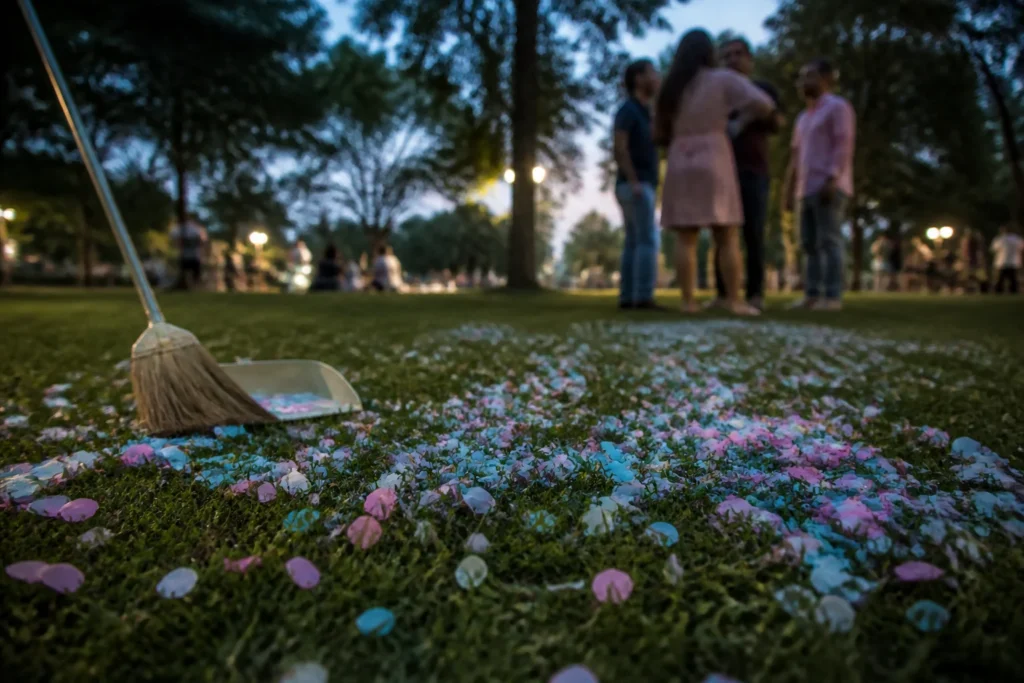
Cleanup considerations are paramount, influencing both the choice of confetti and the post-event budget. Paper confetti, while generally easier to sweep than metallic, can become a soggy mess if exposed to rain or spilled drinks, making removal more difficult. Metallic confetti’s static cling properties mean it adheres to almost everything, requiring more labor-intensive methods for collection. Biodegradable options, particularly those that dissolve or decompose, significantly reduce cleanup efforts, but their higher initial cost must be weighed against potential savings in labor. For a large-scale public event, the cost of cleanup can be substantial; a major city parade might budget thousands of dollars for post-event street cleaning, with the type of confetti used directly impacting the duration and complexity of that operation.
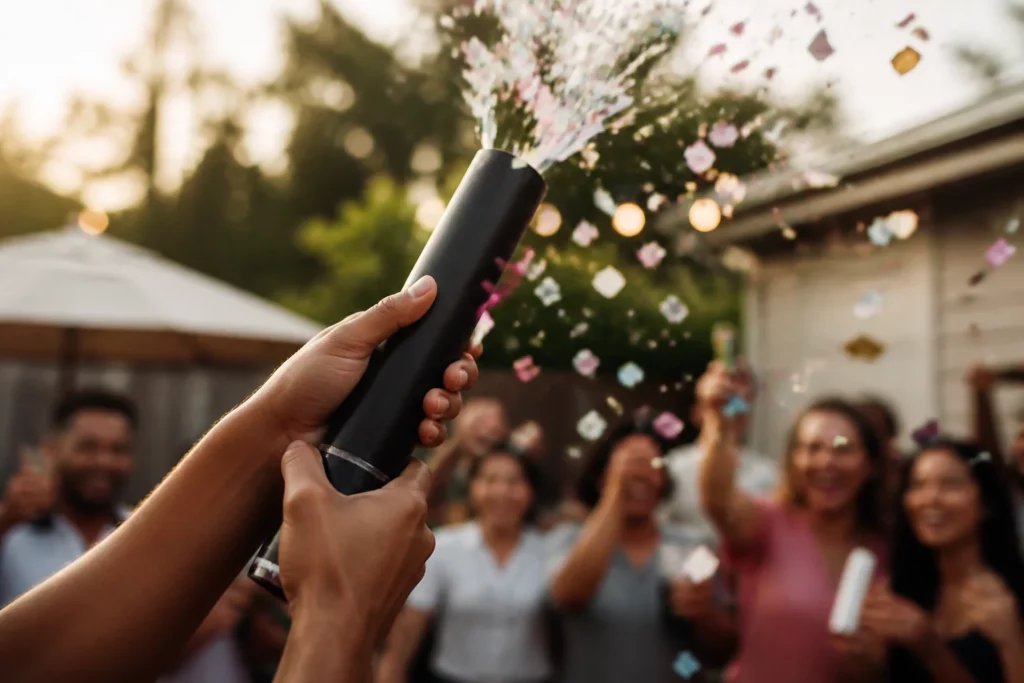
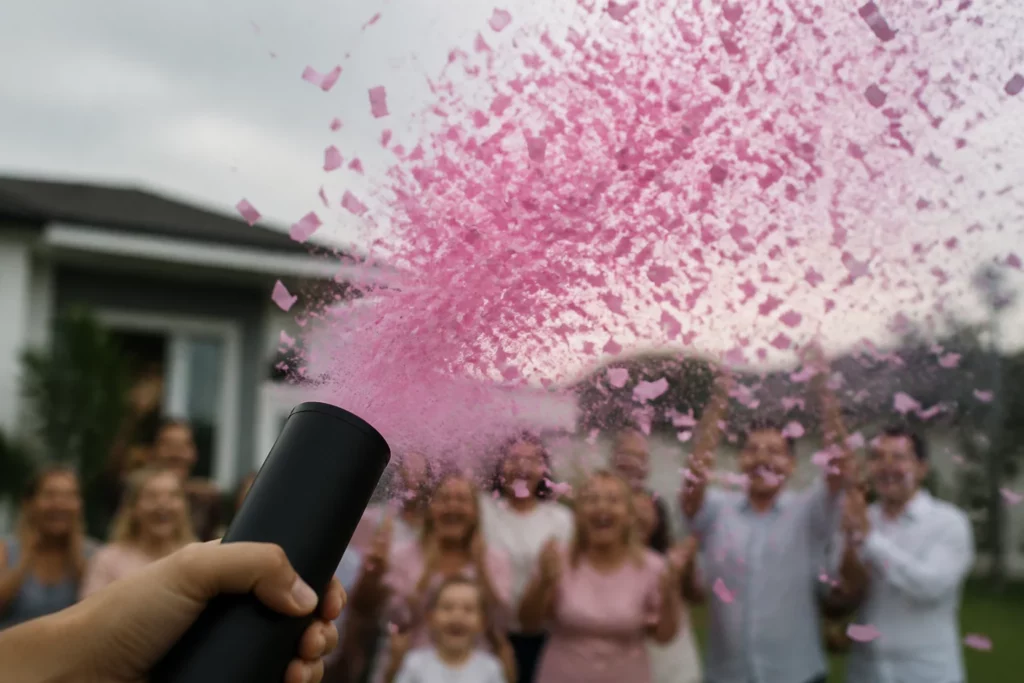
Finally, the method of confetti dispersal also plays a role in selection. Hand-tossing is suitable for smaller, intimate gatherings and allows for a mix of different confetti types. Confetti cannons, whether handheld or professional-grade, are designed to launch large volumes of confetti over significant distances, often requiring specific types of confetti that are lightweight enough to be propelled effectively and flutter gracefully. For example, a stadium-sized confetti drop from the ceiling would necessitate large quantities of lightweight paper or metallic foil confetti to ensure a wide, even distribution and a prolonged descent. Understanding the interplay between material, venue, cleanup, and dispersal method ensures that the chosen confetti enhances the event without creating unforeseen challenges.
Understanding the interplay between material, venue, cleanup, and dispersal method ensures that the chosen confetti enhances the event without creating unforeseen challenges. For example, a major outdoor music festival in 2024 might opt for a mix of rice paper and natural flower petals, launched from biodegradable cannons, to create a visually stunning effect that aligns with their environmental sustainability goals. This approach minimizes the festival’s ecological footprint and significantly reduces the labor required for post-event site restoration, a key concern for large-scale events that often face strict environmental regulations and public scrutiny, as highlighted by recent event planning industry reports.
Considering the Environmental Footprint and Ethical Sourcing
Beyond immediate cleanup, the long-term environmental impact and ethical sourcing of confetti materials are increasingly important considerations for event planners and participants alike. The production of traditional paper and metallic confetti involves resource consumption and, in the case of plastics like PVC, contributes to non-biodegradable waste. Environmentally conscious choices extend to the manufacturing process itself, with some suppliers now offering confetti made from recycled paper or sustainably harvested plant materials. For instance, a corporate event aiming for ISO 20121 certification for sustainable event management would prioritize confetti suppliers who can provide documentation of their material sourcing and production practices, ensuring alignment with broader sustainability objectives. This level of scrutiny reflects a growing trend towards holistic event planning that considers the entire lifecycle of event materials, from creation to disposal, as noted by the Event Industry Council in their 2023 sustainability guidelines.
Ethical sourcing also encompasses fair labor practices and responsible manufacturing. While less commonly discussed in the context of confetti, the supply chain for raw materials can have social implications. Choosing suppliers who adhere to ethical labor standards and transparent manufacturing processes contributes to a more responsible event. For example, a non-profit organization hosting a fundraising gala might specifically seek out confetti made by companies that are certified fair trade or that demonstrate a commitment to community welfare in their production regions. This not only aligns with the organization’s values but can also be communicated to attendees, enhancing the event’s overall message and brand integrity. The demand for ethically produced event supplies, including confetti, has seen a steady increase, with a reported 10-15% growth in inquiries for such products over the past two years, according to a survey of event supply distributors.
Maximizing Impact and Minimizing Hassle with Confetti Choices
To truly maximize the impact of confetti while minimizing potential hassles, a strategic approach is essential. This involves not only selecting the right type of confetti but also considering the quantity, dispersal method, and timing. For a grand reveal or a peak moment, a large volume of confetti launched simultaneously from multiple cannons creates an overwhelming visual spectacle. Conversely, for a more intimate or prolonged effect, smaller, continuous releases or hand-tossing might be more appropriate. A wedding planner, for example, might advise using a confetti drop from a high ceiling for the couple’s first dance, utilizing lightweight paper confetti for a gentle, lingering effect, followed by smaller, hand-tossed flower petals as guests depart, ensuring a beautiful visual without extensive cleanup at the exit points. The strategic deployment of confetti can significantly enhance the emotional resonance of an event, turning a simple moment into an unforgettable memory.
The choice of confetti also impacts the photographic and videographic outcomes of an event. Metallic confetti, with its reflective properties, creates dazzling light effects that translate beautifully on camera, adding a dynamic sparkle to photos and videos. Paper confetti, especially in vibrant colors, provides a softer, more diffused visual that can fill a frame with color and texture. For outdoor shoots, biodegradable options like petals offer a natural aesthetic that complements natural light and settings. Professional event photographers often recommend specific confetti types based on lighting conditions and desired visual effects, with many noting that the right confetti can elevate event imagery by 20-30% in terms of visual appeal and perceived energy, based on client feedback and portfolio analysis. This highlights how confetti is not just a decorative element but a crucial component in crafting the overall visual narrative of an event.
Crafting Unforgettable Moments with Thoughtful Confetti Selection
The journey through the diverse world of confetti reveals that it is far more than just small pieces of material; it is a powerful tool for creating atmosphere, celebrating milestones, and leaving lasting impressions. From the shimmering spectacle of metallic foil to the gentle, eco-conscious flutter of biodegradable petals, each type offers a unique contribution to an event’s narrative. Thoughtful selection, guided by an understanding of materials, environmental impact, venue rules, and cleanup practicalities, ensures that confetti enhances the occasion without creating unforeseen challenges. By considering these factors, event planners and hosts can confidently choose the perfect confetti to elevate any celebration, making every toss, drop, or burst a moment to remember.
Bottom Line: Confetti is available in various types—paper, metallic, biodegradable, and specialty—each offering distinct visual effects, environmental impacts, and cleanup requirements, making informed selection crucial for any event.
Frequently Asked Questions
What is the easiest confetti to clean up?
Biodegradable confetti, particularly water-soluble types like rice paper, is generally the easiest to clean up as it dissolves or decomposes naturally, minimizing manual effort. Natural flower petals also offer a low-impact cleanup solution for outdoor events.
Can confetti be reused?
Confetti is typically not designed for reuse due to its single-use nature and the difficulty of collecting it undamaged after dispersal. While theoretically possible, the effort involved in gathering and sorting usually outweighs the benefit, making it impractical for most events.
Is all confetti safe for outdoor use?
No, not all confetti is safe for outdoor use. Metallic and plastic-based confetti are non-biodegradable and can harm the environment, often leading to fines or restrictions in outdoor venues. Biodegradable options like rice paper or flower petals are specifically designed for outdoor events.
Related Articles