Answer
The best confetti for New Year's Eve celebrations typically consists of flame-retardant, biodegradable materials that offer vibrant visual effects without creating excessive cleanup challenges or environmental impact. Options range from metallic foil for dazzling indoor displays to rice paper or soluble starch confetti for outdoor…
TL;DR
- Choosing the right type of confetti for New Year's Eve depends heavily on the venue, desired effect, and environmental considerations.
- To ensure your New Year's Eve confetti moment is both spectacular and responsible, careful planning is essential.
- Yes, metallic confetti is generally safe for indoor use if it is certified flame-retardant and non-toxic.
The best confetti for new year's eve celebrations typically consists of flame-retardant, biodegradable materials that offer vibrant visual effects without creating excessive cleanup challenges or environmental impact. Options range from metallic foil for dazzling indoor displays to rice paper or soluble starch confetti for outdoor events where rapid dissolution is desired. For indoor use, consider air-compressed cannons filled with small, lightweight PVC or metallic confetti for maximum hang time, ensuring the material is non-toxic and easy to sweep. Outdoor events benefit from larger, eco-friendly options like tissue paper or flower petals, which are less likely to harm wildlife and decompose quickly. The ideal choice balances visual spectacle with safety, ease of cleanup, and environmental responsibility, especially given the volume often deployed during New Year’s Eve festivities. As of 2024, many event planners prioritize sustainable options to minimize post-celebration waste.
What Types of Confetti Are Best for New Year's Eve? best confetti for New Year's Eve
Choosing the right type of confetti for New Year’s Eve depends heavily on the venue, desired effect, and environmental considerations. For indoor parties, metallic foil confetti remains a popular choice due to its reflective qualities, which catch light beautifully and create a shimmering cascade. These are often made from PVC or Mylar and come in various shapes, from simple circles to stars and streamers. While visually stunning, metallic confetti can be more challenging to clean up, often requiring vacuuming or sweeping. A typical indoor New Year’s Eve gala in a ballroom, for instance, might use several pounds of metallic confetti launched from professional cannons, creating a memorable visual spectacle that guests often capture on social media. However, event organizers must factor in the post-event cleanup time, which can extend by several hours compared to biodegradable alternatives.
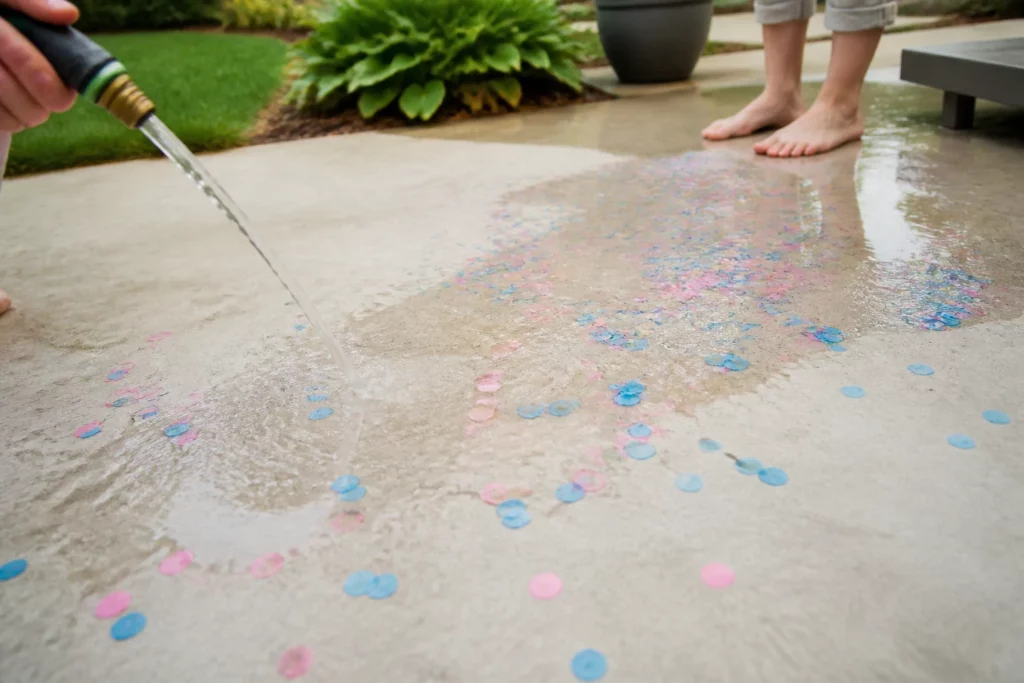
Outdoor celebrations, particularly those in public spaces or near natural environments, increasingly favor biodegradable confetti. Options include rice paper, tissue paper, or even dried flower petals. Rice paper confetti, for example, is designed to dissolve upon contact with water, making it an excellent choice for events where rain is possible or where minimal environmental impact is paramount. A large-scale outdoor New Year’s Eve concert might deploy hundreds of pounds of biodegradable tissue confetti, which disperses widely but breaks down naturally over time, often within a few days to weeks depending on weather conditions. This approach aligns with growing ecological awareness, with many cities and venues now mandating eco-friendly options to prevent litter and protect local ecosystems. The shift towards sustainable materials has been a significant trend in event planning since the late 2010s.
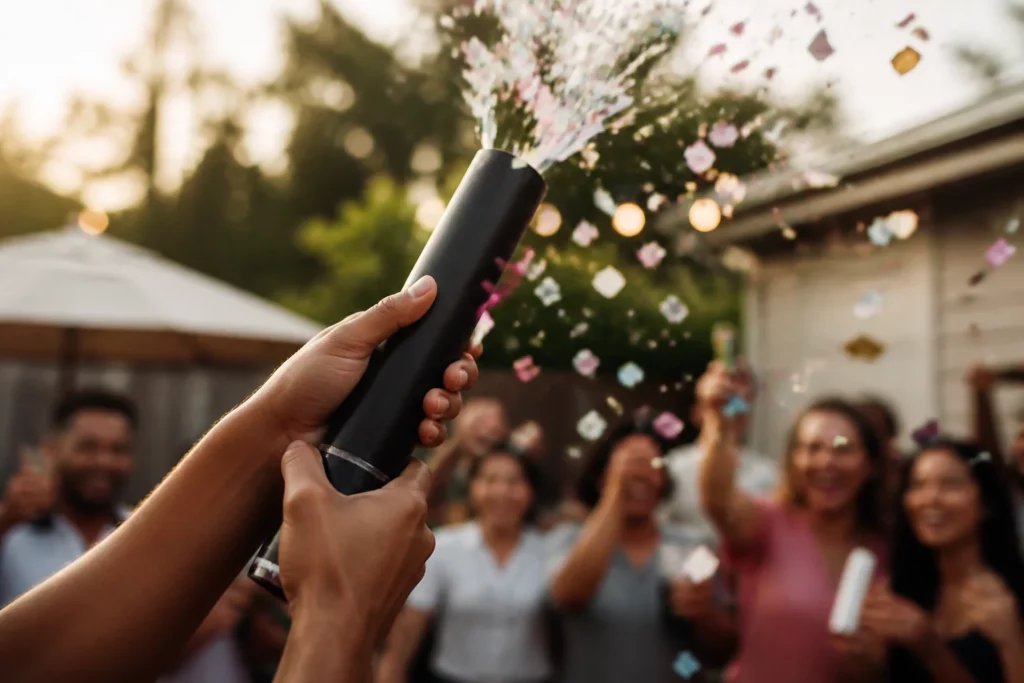
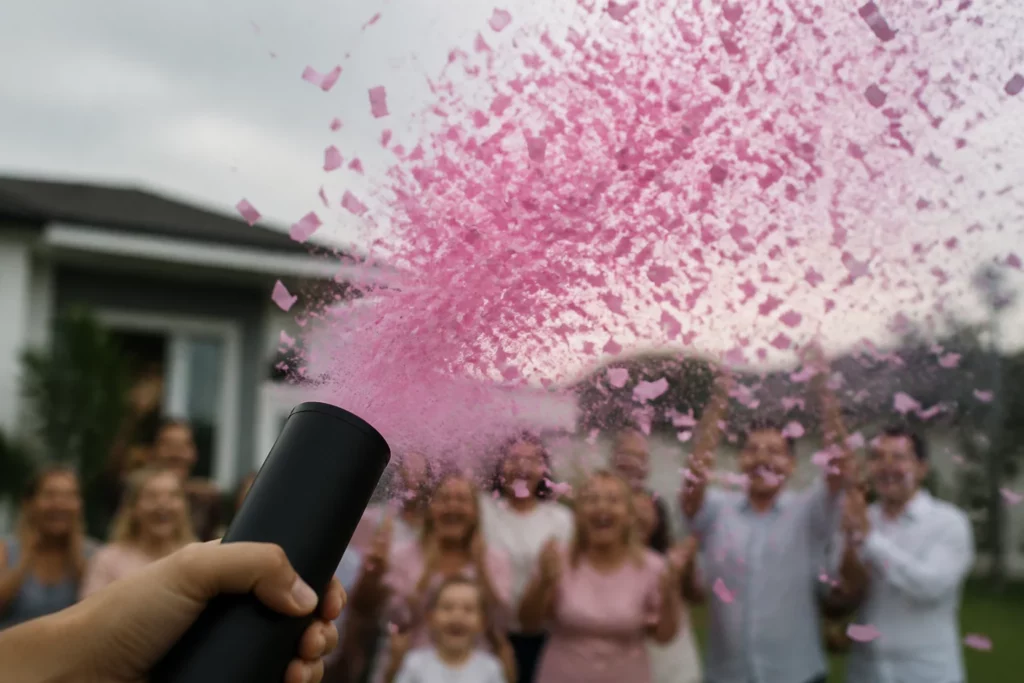
Beyond material, the method of dispersion also influences the best confetti choice. Hand-tossed confetti is suitable for smaller, intimate gatherings, allowing for personal interaction and controlled distribution. For larger venues or more dramatic effects, confetti cannons or blowers are essential. Cannons, whether manual or CO2-powered, can propel confetti dozens of feet into the air, creating a spectacular burst. Blowers, on the other hand, provide a continuous stream of confetti, ideal for prolonged effects or covering a wider area. For instance, a major New Year’s Eve countdown event in a city square might utilize multiple high-powered confetti blowers strategically placed to ensure a uniform distribution across the crowd, creating a truly immersive experience as the clock strikes midnight. The choice of dispersion method directly impacts the quantity of confetti needed and the overall visual impact.
Safety Considerations for New Year’s Eve Confetti
Beyond the visual appeal and environmental impact, safety is a paramount concern when selecting and deploying confetti for New Year’s Eve. Flame retardancy is a critical characteristic, especially for indoor events where lighting, electrical equipment, and open flames (like candles or pyrotechnics) might be present. Many venues and local fire codes mandate the use of flame-retardant materials to prevent fire hazards. Reputable confetti manufacturers will provide certification for their products, confirming they meet relevant safety standards such as NFPA 701 (National Fire Protection Association) for textiles and films. For example, a large hotel hosting a New Year’s Eve gala will typically require all decorative elements, including confetti, to be certified flame-retardant to comply with their insurance policies and local regulations.
Another safety aspect involves the material’s composition and potential for inhalation or ingestion. Non-toxic materials are essential, particularly in environments where children or pets might be present. While most commercial confetti is designed to be non-toxic, it’s always prudent to verify this, especially for smaller, lightweight particles that can easily become airborne. Furthermore, the size and shape of confetti pieces can impact safety. Extremely small or sharp pieces could pose a choking hazard or cause minor eye irritation if not handled properly. Professional event planners often opt for confetti with rounded edges and a moderate size to minimize these risks, ensuring a festive yet safe environment for all attendees.
How to Choose the Right Confetti Color and Shape
The aesthetic impact of confetti is heavily influenced by its color and shape, which should align with the overall theme and desired mood of the New Year’s Eve celebration. Traditional New Year’s Eve palettes often include metallic gold, silver, and black, symbolizing prosperity and elegance. However, vibrant colors like red, blue, or multi-color mixes can create a more energetic and playful atmosphere. For a sophisticated black-tie event, a combination of gold and silver metallic streamers might be chosen to complement the formal decor, creating a luxurious visual effect as they slowly descend. In contrast, a family-friendly New Year’s Eve party might benefit from a rainbow assortment of tissue paper confetti, adding a burst of cheerful color.
Shapes also play a significant role in the visual dynamics. Classic circular confetti offers a timeless look, while stars, hearts, or custom shapes can add a unique touch. Streamers, which are longer and thinner, provide a different visual effect, creating graceful arcs as they fall and often having a longer hang time than smaller confetti pieces. For instance, a New Year’s Eve concert might use a mix of metallic star-shaped confetti and long, thin streamers to create a dynamic, multi-layered visual spectacle that catches the stage lights. The choice of shape can also influence cleanup; larger, more distinct shapes like stars or circles can sometimes be easier to spot and collect than very small, irregularly shaped pieces.
Confetti Cleanup and Disposal Strategies
Effective cleanup and responsible disposal are crucial considerations that should influence confetti selection from the outset. For indoor events, the ease of cleanup is a major factor. Metallic confetti, while visually striking, can cling to surfaces due due to static electricity, making vacuuming or sweeping more labor-intensive. Using anti-static sprays on surfaces beforehand can sometimes mitigate this issue. A professional cleaning crew at a large indoor venue might use specialized industrial vacuums with fine filters to efficiently collect metallic confetti, often requiring several hours post-event. The collection process for metallic confetti typically involves careful sweeping into dustpans, followed by vacuuming to capture smaller particles and those that cling to carpets or upholstery.
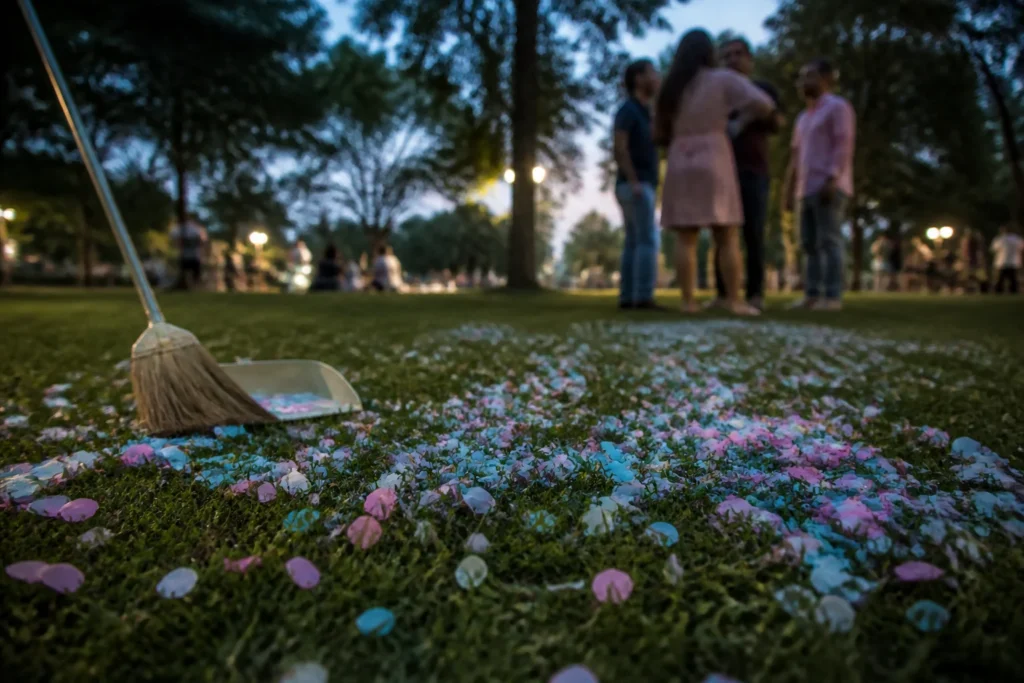
Outdoor events, particularly those utilizing biodegradable confetti, present different cleanup dynamics. While rice paper or soluble starch confetti will dissolve with moisture, tissue paper confetti still requires collection to prevent it from becoming litter before it fully decomposes. Many outdoor event organizers employ teams to sweep and bag tissue confetti immediately after the event, especially in high-traffic areas or near water bodies, to ensure a pristine environment. For example, a city-sponsored New Year’s Eve celebration in a park might deploy hundreds of volunteers to collect biodegradable tissue confetti within hours of the event’s conclusion, ensuring minimal impact on the local ecosystem. The collected biodegradable materials can often be composted, further reducing waste. Planning for cleanup, including staffing and equipment, is an integral part of the overall event strategy, directly impacting the choice of confetti material and dispersion method.
The environmental impact of confetti is a growing concern, prompting many event organizers to seek out sustainable alternatives. Traditional plastic or metallic foil confetti can persist in the environment for hundreds of years, contributing to microplastic pollution in oceans and landfills. This has led to bans or restrictions on non-biodegradable confetti in numerous cities and venues globally. For instance, a major European capital recently implemented a city-wide ban on all non-biodegradable confetti for public events, citing concerns over waterway contamination and wildlife safety. This regulatory shift underscores the importance of choosing materials like rice paper, tissue paper, or even plant-based options that break down naturally. As of 2024, the market for eco-friendly confetti has expanded significantly, offering a wide array of colors and shapes that meet both aesthetic and environmental criteria, allowing celebrations to be both spectacular and responsible.
Beyond the material itself, the packaging and sourcing of confetti also contribute to its overall environmental footprint. Opting for confetti sold in recyclable or compostable packaging, or purchasing from manufacturers who prioritize sustainable production practices, can further reduce ecological impact. Some companies now offer confetti made from recycled paper or even edible materials, pushing the boundaries of eco-conscious celebration. For a New Year’s Eve event aiming for maximum sustainability, choosing bulk biodegradable confetti from a supplier with a strong environmental policy, delivered in minimal, recyclable packaging, represents a holistic approach. This consideration extends to the entire lifecycle of the confetti, from its creation to its eventual decomposition, reflecting a broader commitment to environmental stewardship in event planning.
Planning for a Memorable and Responsible Confetti Moment
To ensure your New Year’s Eve confetti moment is both spectacular and responsible, careful planning is essential. Begin by assessing your venue: Is it indoors or outdoors? Are there specific regulations regarding confetti use? For indoor venues, prioritize flame-retardant, non-toxic metallic or PVC confetti, ensuring it’s easy to clean. A typical indoor ballroom event might require 5-10 pounds of confetti for a dramatic five-second burst from professional cannons, with cleanup taking an additional 2-3 hours post-event. For outdoor spaces, biodegradable options like tissue or rice paper are ideal, minimizing environmental impact. Consider the weather; rice paper dissolves with moisture, making it perfect for potentially rainy conditions. Always confirm local ordinances regarding confetti disposal, as some municipalities have strict rules about public littering, even with biodegradable materials. This proactive approach ensures compliance and a smooth celebration.
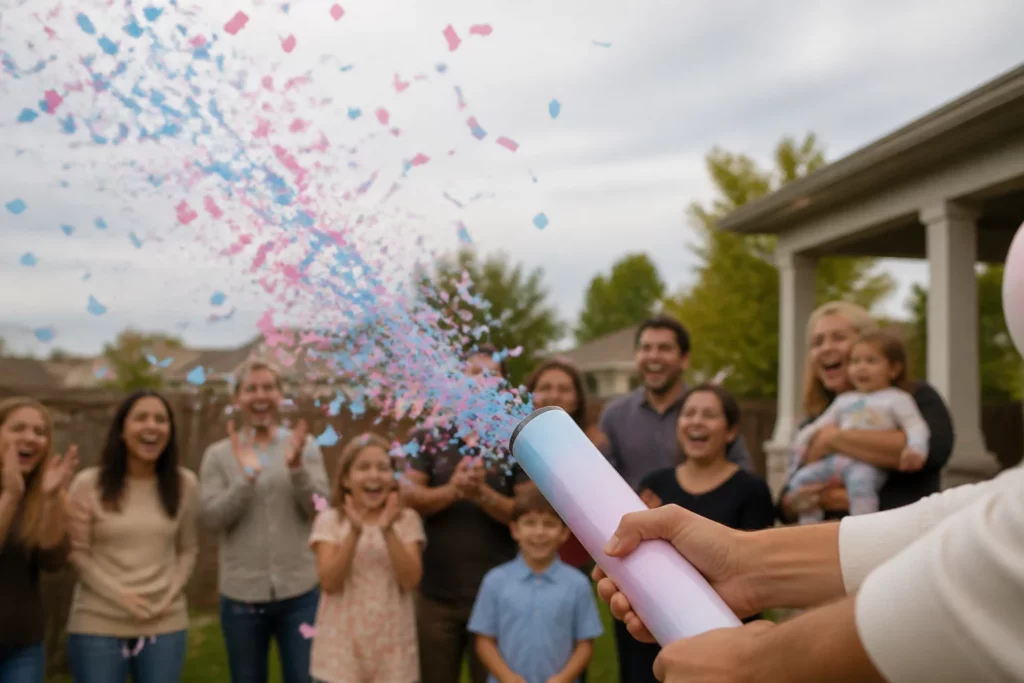
The timing and method of confetti dispersion significantly impact the overall effect. For the iconic midnight countdown, a sudden, powerful burst from CO2-powered cannons creates an unforgettable visual. For a more prolonged, ethereal effect throughout the evening, continuous blowers might be more suitable. Consider the height and spread you desire; professional-grade cannons can launch confetti up to 75 feet, covering a vast area. For smaller, more intimate gatherings, hand-tossed confetti allows for personal interaction and controlled distribution. A New Year’s Eve cruise ship, for example, might use smaller, handheld confetti poppers on deck for individual guest participation, while a large city square event would rely on multiple high-volume blowers to engulf thousands in a celebratory shower. Matching the dispersion method to your event’s scale and desired ambiance is key to maximizing the confetti’s impact.
Finally, integrate cleanup and disposal into your event plan from the very beginning. For indoor events with metallic confetti, ensure you have adequate vacuuming equipment and staff, or budget for a professional cleaning service. Anti-static sprays can be applied to surfaces beforehand to ease collection. For outdoor events using biodegradable confetti, while it will eventually decompose, immediate post-event sweeping in high-traffic areas is often necessary to maintain cleanliness and prevent it from washing into storm drains. Many event organizers partner with waste management companies that specialize in composting biodegradable materials, further enhancing the event’s sustainability. By considering these practical aspects, you can create a dazzling New Year’s Eve celebration that leaves behind only fond memories, not environmental concerns.
Crafting Unforgettable Moments with Confetti
Choosing the best confetti for New Year’s Eve involves a thoughtful balance of visual spectacle, safety, and environmental responsibility. By considering the venue, material type, dispersion method, and cleanup strategy, you can create a truly memorable celebration. Whether it’s the shimmering cascade of metallic stars indoors or a gentle shower of dissolving rice paper under the open sky, the right confetti enhances the magic of welcoming a new year. As of 2024, the emphasis on sustainable options means that dazzling displays can also be eco-conscious, aligning with a global shift towards more responsible event planning.
Bottom Line: The best confetti for New Year’s Eve balances vibrant visual effects with safety, ease of cleanup, and environmental responsibility, with flame-retardant, biodegradable options like tissue or rice paper being ideal for outdoor use and non-toxic metallic confetti suitable for indoor events.
Frequently Asked Questions
Is metallic confetti safe for indoor use?
Yes, metallic confetti is generally safe for indoor use if it is certified flame-retardant and non-toxic. It creates a dazzling visual effect but can be more challenging to clean up due to static cling, often requiring thorough vacuuming.
What is the most eco-friendly confetti option?
The most eco-friendly confetti options are biodegradable materials like rice paper, tissue paper, or dried flower petals. Rice paper dissolves with water, while tissue paper decomposes naturally over time, minimizing environmental impact.
How much confetti is needed for a large event?
For a large New Year’s Eve event, hundreds of pounds of confetti might be deployed, especially when using professional cannons or blowers to cover a wide area or create a prolonged effect. The exact quantity depends on the venue size and desired visual impact.
Can confetti cause fire hazards?
Confetti can pose a fire hazard, especially indoors, if it is not flame-retardant. It is crucial to use certified flame-retardant materials, particularly when lighting, electrical equipment, or pyrotechnics are present, to comply with safety regulations.