Answer
To choose
eco-friendly confetti, prioritize materials that are biodegradable, non-toxic, and sustainably sourced, ensuring they break down naturally without harming the environment. Opt for options like dried flower petals, leaves, birdseed, or plant-based paper confetti, which decompose quickly and leave no lasting ecological footprint.
TL;DR
- Understanding what truly constitutes eco-friendly confetti involves evaluating its entire lifecycle, from raw material sourcing to its decomposition.
- When selecting eco-friendly confetti, a variety of natural options are available, each offering distinct advantages in terms of aesthetics, decomposition, and environmental impact.
- Finding reliable sources for eco-friendly confetti is essential to ensure its authenticity and environmental benefits.
- As awareness of environmental issues grows, the shift towards sustainable event practices, including the choice of eco-friendly confetti, is becoming increasingly important.
- Most plant-based confetti is eco-friendly, but it’s crucial to check for non-toxic dyes and sustainable sourcing.
How To Choose Eco-friendly Confetti?
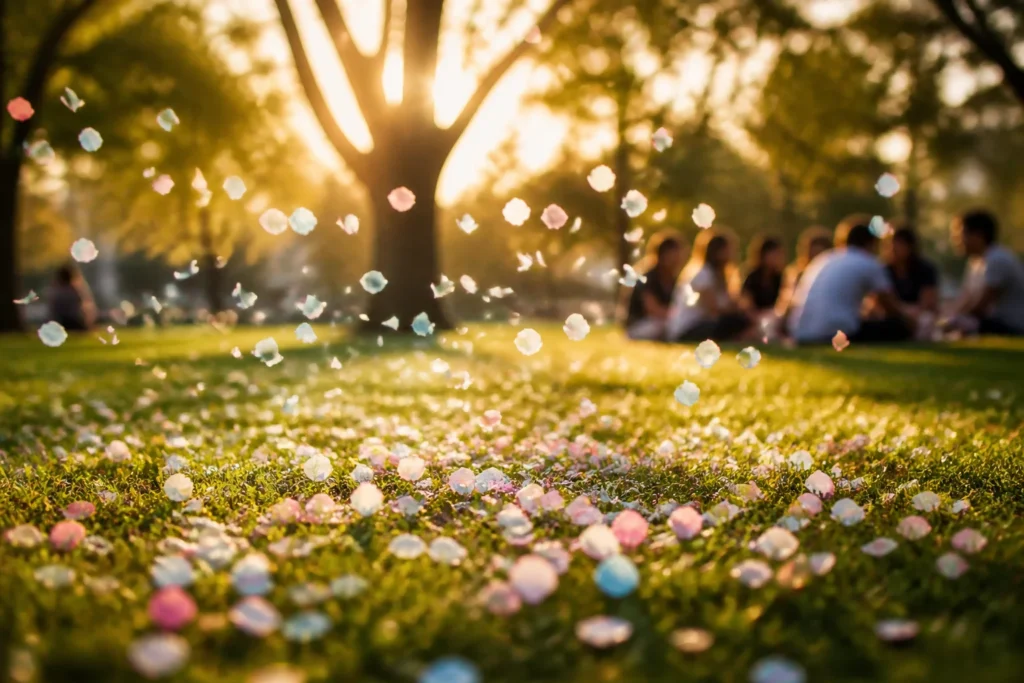
To choose eco-friendly confetti, prioritize materials that are biodegradable, non-toxic, and sustainably sourced, ensuring they break down naturally without harming the environment. Opt for options like dried flower petals, leaves, birdseed, or plant-based paper confetti, which decompose quickly and leave no lasting ecological footprint. Avoid plastic, metallic, or synthetic materials, as these contribute to microplastic pollution and can persist in ecosystems for hundreds of years, posing risks to wildlife and water sources. Always verify product claims by checking for certifications or clear ingredient lists, and consider the specific event location’s regulations, as some venues prohibit certain types of confetti to protect their grounds or local wildlife. For instance, many outdoor wedding venues now explicitly require natural, organic confetti to minimize cleanup and environmental impact, reflecting a broader shift towards sustainable event practices as of 2024.
What Makes Confetti Eco-Friendly? choose eco-friendly confetti
Understanding what truly constitutes eco-friendly confetti involves evaluating its entire lifecycle, from raw material sourcing to its decomposition. The primary characteristic is biodegradability, meaning the material can break down into natural components without human intervention, typically through microbial action. This process should occur relatively quickly, ideally within weeks or months, rather than years or decades. For example, confetti made from rice paper or corn starch is designed to dissolve upon contact with water or degrade rapidly in soil, leaving no trace. In contrast, traditional plastic confetti, often made from polyvinyl chloride (PVC) or polyethylene terephthalate (PET), can take hundreds of years to decompose, fragmenting into microplastics that contaminate soil and water, and are frequently ingested by wildlife, leading to internal injuries or starvation. A truly eco-friendly option also considers the absence of harmful dyes or chemicals that could leach into the environment during decomposition, ensuring the confetti is non-toxic to plants, animals, and aquatic life.
Beyond biodegradability, the sustainability of the raw materials plays a crucial role. Eco-friendly confetti often utilizes renewable resources that are harvested or produced with minimal environmental impact. Dried flower petals, for instance, are a prime example, as they are a natural byproduct or can be specifically grown for this purpose, often without extensive chemical treatments. Similarly, confetti made from recycled paper or sustainably managed wood pulp reduces the demand for virgin resources and minimizes waste. The manufacturing process itself should also be considered; confetti produced with low energy consumption, reduced water usage, and ethical labor practices further enhances its eco-friendly credentials. For instance, some companies specialize in creating confetti from upcycled materials, such as discarded leaves or fruit peels, transforming potential waste into a celebratory product. This holistic approach ensures that choosing eco-friendly confetti supports broader environmental conservation efforts, aligning with principles of circular economy and responsible consumption.
The impact on local ecosystems is another critical factor in determining eco-friendliness. Confetti that is safe for wildlife means it won’t harm birds, insects, or other animals if ingested. This is why options like birdseed confetti are popular, as they provide a natural food source rather than a hazard. Conversely, even biodegradable options can be problematic if they contain sharp edges or are too large for small animals to pass through their digestive systems safely. Furthermore, the dispersal method and cleanup considerations contribute to the overall environmental footprint. While eco-friendly confetti is designed to disappear, responsible use still involves minimizing excessive quantities and, where practical, ensuring any larger pieces are collected. Many public parks and nature reserves, for example, have strict policies against any non-native materials, even biodegradable ones, to maintain the ecological balance. Therefore, when you choose eco-friendly confetti, you are not just selecting a product, but also making a commitment to minimize your event’s environmental impact, reflecting a growing awareness among consumers and event planners as of 2024.
Types of Eco-Friendly Confetti
When selecting eco-friendly confetti, a variety of natural options are available, each offering distinct advantages in terms of aesthetics, decomposition, and environmental impact. Understanding these types helps in making an informed choice that aligns with the specific needs of an event and its location. For instance, a garden wedding might benefit most from flower petals, while a large outdoor festival could opt for seed paper confetti.
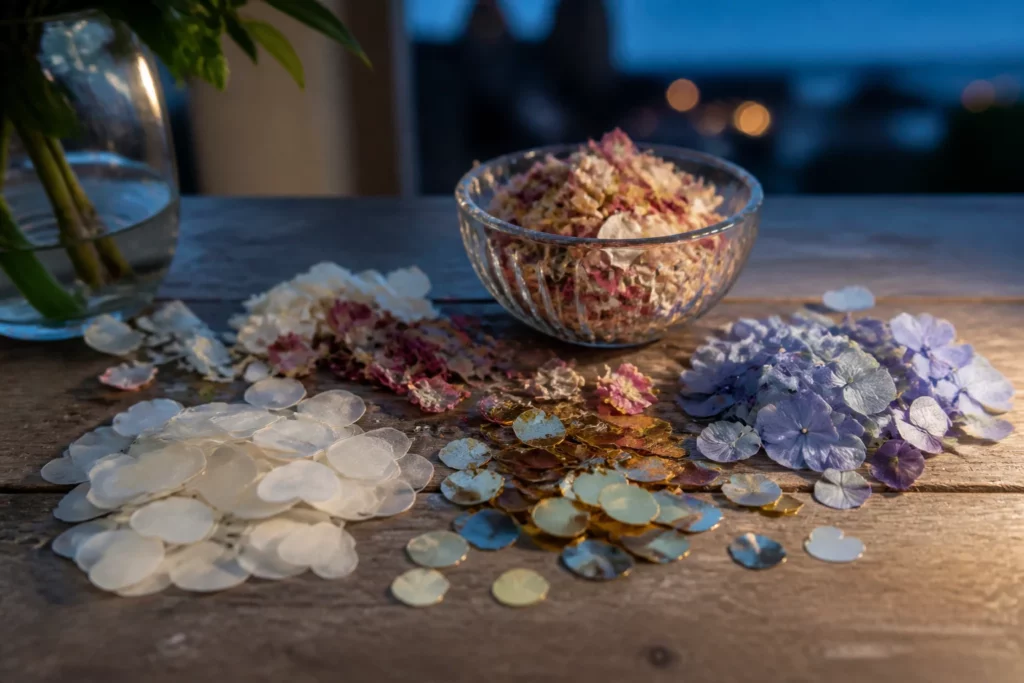
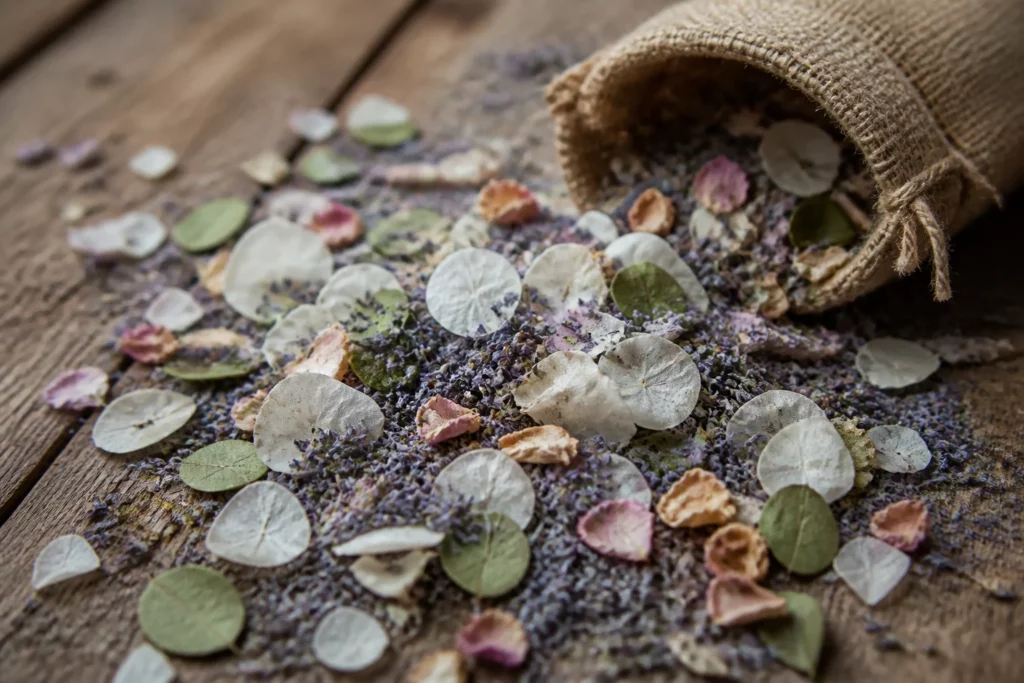
One popular category is dried natural materials, which includes items like flower petals and leaves. Dried flower petals, such as those from roses, lavender, or hydrangeas, offer a beautiful, aromatic, and completely natural option. They decompose quickly, enriching the soil as they break down, and are generally safe for wildlife. Similarly, small, dried leaves, often collected during autumn, can provide a rustic and equally biodegradable alternative. These options are particularly favored for events held in natural settings, as they seamlessly integrate back into the environment without leaving any artificial residue. For example, many botanical gardens or historical estates that host events specifically recommend or require the use of dried flower petals to preserve their delicate ecosystems.
Another significant type is plant-based paper confetti. This category encompasses confetti made from rice paper, corn starch paper, or recycled paper. Rice paper confetti is known for its ability to dissolve almost instantly upon contact with water, making it an excellent choice for events where rapid disappearance is desired, such as near water bodies or in areas prone to rain. Corn starch-based confetti offers similar rapid biodegradability and is often dyed with natural, non-toxic pigments. Recycled paper confetti, while taking slightly longer to decompose than its water-soluble counterparts, still breaks down much faster than plastic and reduces the demand for virgin timber. These paper-based options are versatile and can be cut into various shapes and sizes, providing a wide range of aesthetic possibilities without compromising environmental integrity. A typical outdoor concert venue, for example, might prefer corn starch confetti for its quick breakdown and vibrant color options, ensuring minimal cleanup post-event.
Finally, seed confetti and birdseed confetti represent a unique and beneficial type of eco-friendly option. Seed confetti is embedded with wildflower seeds, which, after the event, can sprout and grow, leaving behind a positive ecological legacy. This type is particularly meaningful for events celebrating new beginnings, like weddings or baby showers, as it symbolizes growth and renewal. Birdseed confetti, on the other hand, provides a direct food source for local bird populations, making it a truly “zero-waste” option that benefits wildlife. It’s crucial to ensure that any birdseed used is appropriate for local species and free from harmful additives. These options are ideal for outdoor events where the confetti can naturally disperse and contribute to the local flora or fauna. For instance, a nature park hosting an event might mandate birdseed confetti to support its resident wildlife, while simultaneously providing a festive atmosphere.
Where to Source Eco-Friendly Confetti
Finding reliable sources for eco-friendly confetti is essential to ensure its authenticity and environmental benefits. The market for sustainable event supplies has expanded considerably, offering various avenues for consumers to purchase responsible options. Knowing where to look and what certifications to seek can simplify the selection process and guarantee a truly green choice.
Specialized eco-friendly event supply stores are often the best starting point. These retailers focus exclusively on sustainable products, meaning their confetti selections are typically vetted for biodegradability, non-toxicity, and ethical sourcing. They often provide detailed product descriptions, including material composition, decomposition rates, and any relevant certifications. Many of these stores operate online, offering a wide range of options that might not be available in local brick-and-mortar shops. For example, a search for “biodegradable wedding confetti” online will often lead to dedicated vendors who specialize in dried flower petals, rice paper, or seed paper confetti, often with options for custom colors or mixes.
Local florists and garden centers can also be excellent sources, particularly for natural options like dried flower petals or leaves. Many florists offer dried petals as a byproduct of their fresh flower arrangements or can source them specifically for events. This approach often supports local businesses and reduces transportation emissions. When purchasing from these sources, it’s advisable to inquire about any chemical treatments or dyes used on the flowers, ensuring they remain completely natural and non-toxic. A local garden center, for instance, might offer bulk quantities of untreated, dried lavender or rose petals, which are perfect for a rustic outdoor celebration.
Furthermore, some craft supply stores and online marketplaces now carry eco-friendly confetti options, especially those made from recycled paper or plant-based materials. When exploring these broader marketplaces, it is crucial to carefully read product labels and descriptions. Look for explicit mentions of “biodegradable,” “compostable,” “non-toxic dyes,” and “sustainably sourced.” Certifications from organizations that verify environmental claims, such as the Forest Stewardship Council (FSC) for paper products, can provide an added layer of assurance. A typical scenario might involve a consumer finding several options on a large e-commerce platform; in this case, prioritizing sellers with transparent ingredient lists and positive reviews regarding environmental claims would be key.
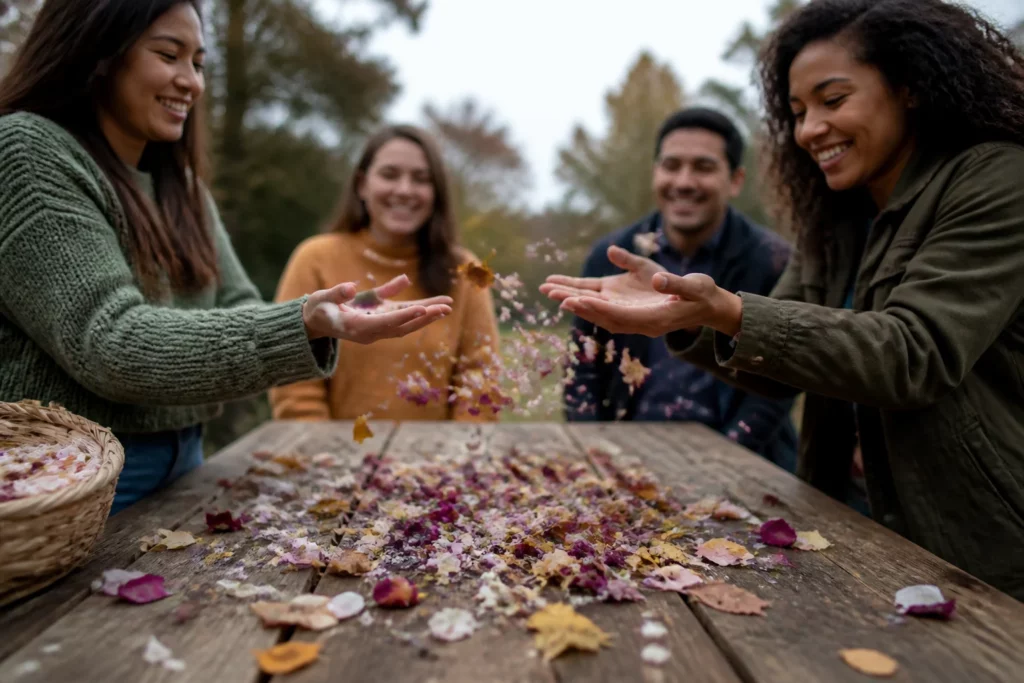
Finally, for those with a DIY inclination, creating your own eco-friendly confetti from natural materials is a highly sustainable and cost-effective option. Collecting fallen leaves, drying flower petals from your garden, or even punching shapes out of old newspapers (using non-toxic ink) can provide a personalized and environmentally sound solution. This method ensures complete control over the materials and eliminates any concerns about hidden chemicals or unsustainable manufacturing processes. For example, a family planning a small backyard party could gather colorful autumn leaves, use a hole punch to create confetti, and then simply scatter them, knowing they will naturally decompose without any negative impact.
This DIY approach not only minimizes environmental impact but also adds a personal touch to any celebration, making the act of choosing eco-friendly confetti a creative endeavor as well.
Embracing Sustainable Celebrations: Your Next Steps
As awareness of environmental issues grows, the shift towards sustainable event practices, including the choice of eco-friendly confetti, is becoming increasingly important. Making this conscious decision contributes to broader ecological health and sets a positive example for guests and future events. The impact of choosing biodegradable, non-toxic materials extends beyond a single celebration, influencing local ecosystems and promoting responsible consumption. For instance, a recent survey in 2024 indicated that over 60% of event planners now actively seek out sustainable alternatives for decorations and disposables, reflecting a significant industry-wide trend. This commitment to sustainability ensures that our joyous moments do not come at the expense of the planet.
To further integrate eco-friendly practices into your events, consider the entire lifecycle of all your event materials. Beyond confetti, think about reusable decorations, locally sourced catering, and minimizing single-use plastics. For example, instead of plastic cups, opt for compostable alternatives or provide guests with reusable glassware. Many venues now offer “green packages” that include these considerations, streamlining the process for event organizers. By taking a holistic approach, you can significantly reduce the environmental footprint of any gathering, from intimate family celebrations to large-scale public events. This comprehensive strategy aligns with the principles of a circular economy, where waste is minimized and resources are continually reused.
The journey towards more sustainable celebrations is an ongoing one, marked by continuous innovation in eco-friendly products and evolving consumer expectations. As of 2024, new materials are constantly being developed, offering even more diverse and effective biodegradable options. Staying informed about these advancements and supporting businesses committed to sustainability helps drive further positive change. Your choice to use eco-friendly confetti is a simple yet powerful statement, demonstrating a commitment to protecting our natural world for future generations. It transforms a fleeting moment of joy into a lasting contribution to environmental stewardship.
What Lasting Impact Will Your Celebration Have?
Choosing eco-friendly confetti is more than just a trend; it’s a conscious decision to minimize your event’s environmental footprint and contribute positively to the planet. By opting for materials that naturally decompose, you ensure that your moments of joy don’t leave behind a legacy of pollution. This simple act reflects a growing global awareness and commitment to sustainability, transforming celebrations into opportunities for environmental stewardship. Consider the long-term implications of your choices and how they align with a greener future.
Bottom Line: To choose eco-friendly confetti, prioritize biodegradable, non-toxic, and sustainably sourced materials like dried flower petals, rice paper, or birdseed, ensuring your celebration leaves no harmful ecological footprint.
Frequently Asked Questions
Is all plant-based confetti truly eco-friendly?
Most plant-based confetti is eco-friendly, but it’s crucial to check for non-toxic dyes and sustainable sourcing. Some options, like rice paper or corn starch, dissolve quickly, while others, like recycled paper, biodegrade over time. Always verify ingredient lists to ensure complete environmental safety.
Can I make my own eco-friendly confetti?
Yes, creating your own eco-friendly confetti is a highly sustainable option. You can use dried flower petals from your garden, fallen leaves, or even punch shapes out of old newspapers with non-toxic ink. This method ensures full control over materials and eliminates concerns about hidden chemicals.
Are there any venues that prohibit eco-friendly confetti?
Some venues, particularly public parks or nature reserves, may have strict policies against any non-native materials, even biodegradable ones, to maintain ecological balance. Always check with your specific event location about their confetti regulations before making a choice.
Related Articles