AnswerThe best
biodegradable confetti can be purchased from a variety of specialized online retailers, eco-conscious event supply stores, and craft suppliers that prioritize sustainable products. Key considerations when buying include verifying certifications like TÜV Austria's "OK compost HOME" or similar standards, checking the ingredient list…
TL;DR
- Understanding what constitutes truly biodegradable confetti is essential for making an informed purchase that aligns with environmental values.
- Ultimately, the choice of confetti should reflect a balance between aesthetic desires and environmental responsibility.
- Moving towards more sustainable event practices, including the use of best biodegradable confetti, represents a significant step in minimizing our environmental impact.
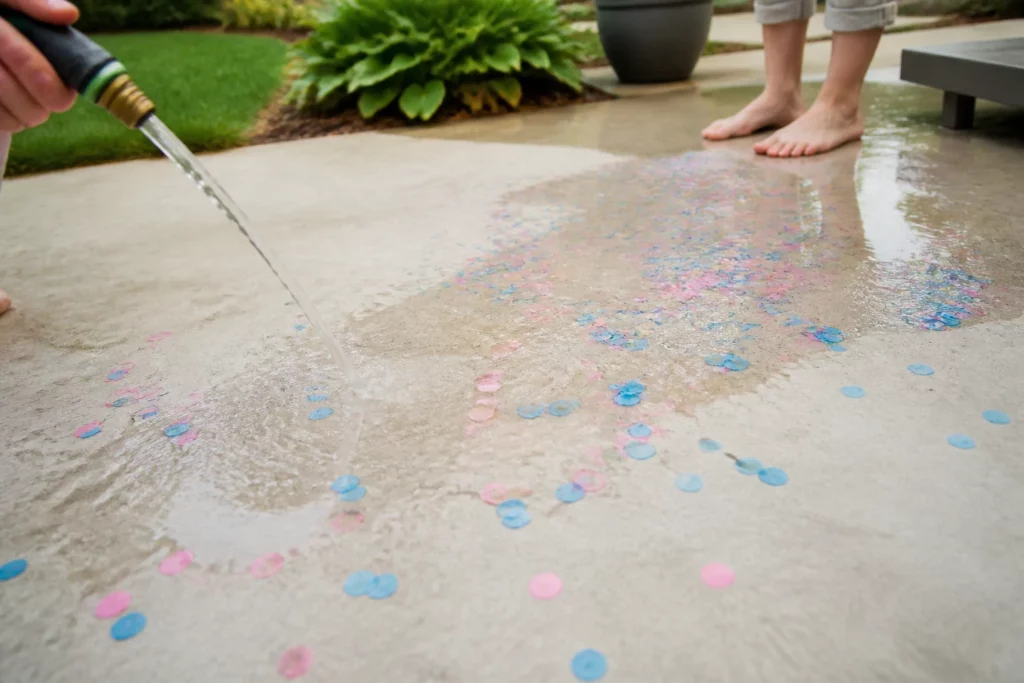
- Truly biodegradable confetti, especially those made from rice paper or natural flower petals with non-toxic, vegetable-based dyes, is designed not to stain.
Where to Buy Best Biodegradable Confetti
The best biodegradable confetti can be purchased from a variety of specialized online retailers, eco-conscious event supply stores, and craft suppliers that prioritize sustainable products. Key considerations when buying include verifying certifications like TÜV Austria’s “OK compost HOME” or similar standards, checking the ingredient list for natural materials such as rice paper, dried flowers, or plant-based starches, and ensuring the product is dye-free or uses natural, non-toxic colorants. For instance, many reputable brands, as of 2024, clearly state their confetti breaks down within weeks or months, leaving no harmful residue, which is crucial for outdoor events or venues with strict environmental policies. Always look for clear labeling regarding decomposition time and material composition to ensure you are making an environmentally responsible choice.
What Makes Confetti Truly Biodegradable? best biodegradable confetti
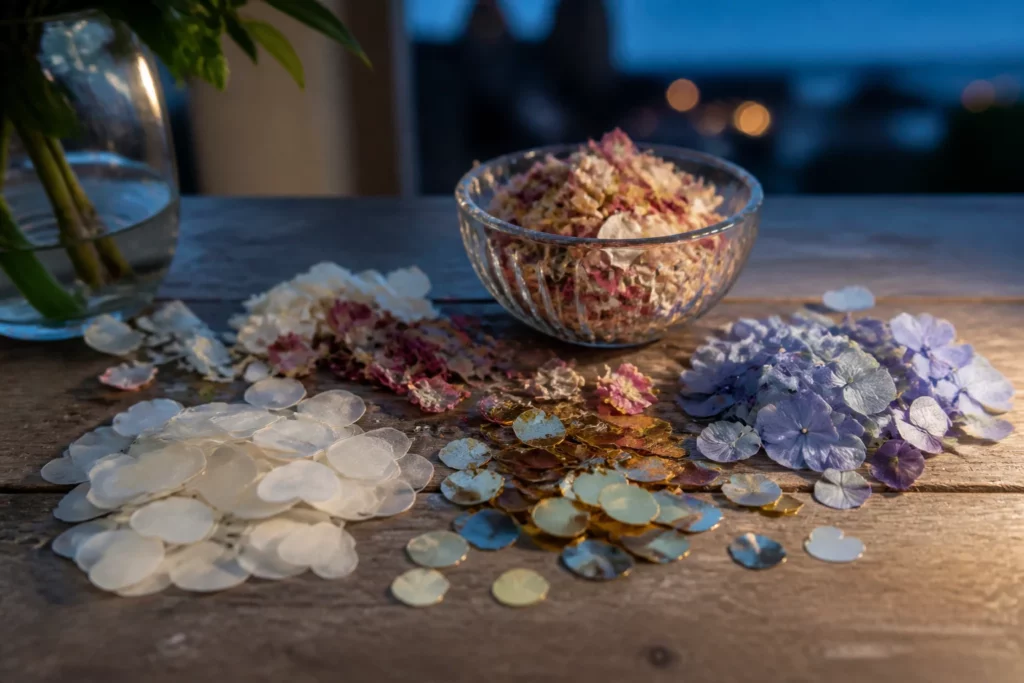
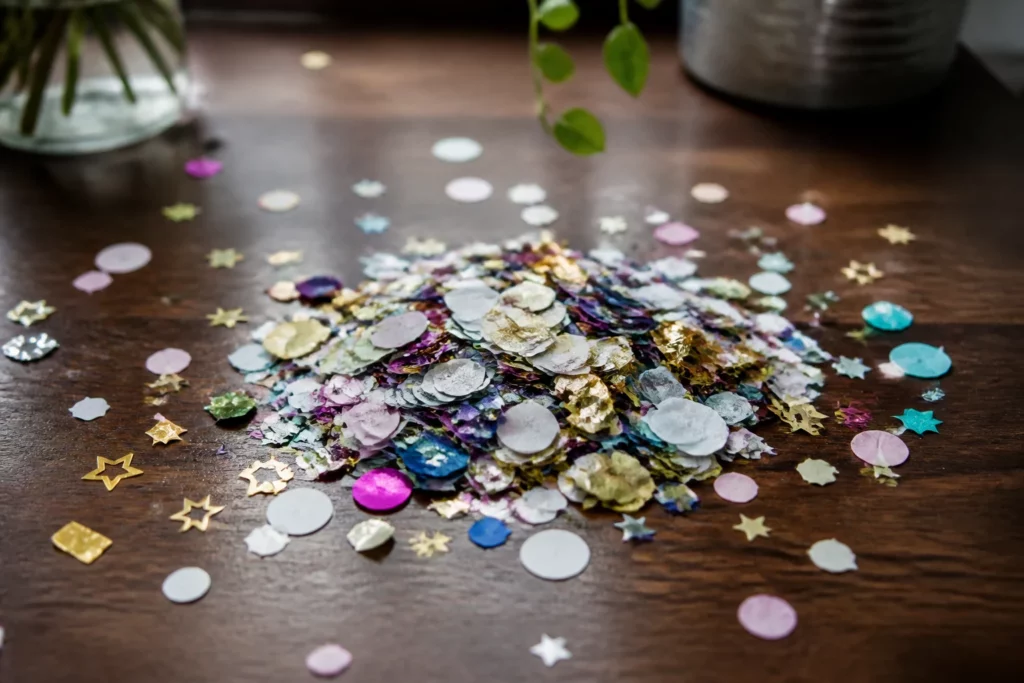
Understanding what constitutes truly biodegradable confetti is essential for making an informed purchase that aligns with environmental values. The term “biodegradable” implies that a material can be broken down by microorganisms into natural components like water, carbon dioxide, and biomass, without leaving behind toxic residues. However, the rate and conditions under which this breakdown occurs vary significantly. For confetti, the ideal materials are those derived from plants, such as rice paper, tissue paper made from wood pulp, dried flower petals, or leaves. These materials are designed to decompose relatively quickly in natural environments, often within a few weeks to several months, depending on moisture and microbial activity. For example, confetti made from rice paper, a popular choice, typically dissolves with water and breaks down completely within days or weeks, making it suitable for outdoor use where rain can accelerate the process. In contrast, some products labeled “biodegradable” might still contain synthetic binders or coatings that slow decomposition or leave microplastics, so scrutinizing the ingredient list is paramount.
The certification process plays a critical role in verifying biodegradability claims. Reputable certifications, such as those from TÜV Austria or the Biodegradable Products Institute (BPI), provide assurance that products meet specific standards for compostability and biodegradability. These certifications often involve rigorous testing under industrial or home composting conditions, ensuring that the material breaks down within a defined timeframe and does not harm the environment. For instance, a product certified “OK compost HOME” by TÜV Austria is guaranteed to biodegrade in a typical home composting environment, which is less controlled than industrial facilities. When selecting the best biodegradable confetti, looking for these certifications on product packaging or descriptions is a strong indicator of genuine environmental responsibility. Without such third-party verification, claims of biodegradability can be ambiguous, potentially leading to products that do not perform as expected in terms of environmental impact. According to industry standards, truly compostable materials should break down by at least 90% within 180 days in a composting facility, a benchmark that helps distinguish genuinely eco-friendly options.
Beyond the base material, the dyes and additives used in confetti also impact its environmental footprint. Many conventional confetti products use synthetic dyes that can be harmful to soil and water ecosystems. The best biodegradable confetti options utilize natural, food-grade, or vegetable-based dyes that are non-toxic and break down along with the confetti material. For example, confetti colored with beet juice, spirulina, or turmeric extracts offers vibrant hues without introducing chemical pollutants. Some manufacturers even offer undyed, natural-colored confetti, such as dried white flower petals or natural-toned rice paper, which are the most environmentally benign choices. When evaluating products, it’s advisable to check for explicit statements about non-toxic dyes or the absence of artificial colorants. A typical scenario for an outdoor wedding venue, for instance, would involve choosing confetti that is not only made from plant-based materials but also uses natural dyes, ensuring that any residue left behind after the celebration will not harm local flora, fauna, or water sources, especially if the venue is near a natural body of water or sensitive ecosystem. This holistic approach to material and dye selection is crucial for minimizing ecological impact.
How to Choose the Right Biodegradable Confetti for Your Event
Choosing the appropriate biodegradable confetti involves more than just checking for a “biodegradable” label; it requires considering the specific context of your event, local regulations, and desired aesthetic. The environment where the confetti will be used is a primary factor. For indoor events, where cleanup is more controlled, options like rice paper or even finely shredded, naturally dyed tissue paper are excellent. These materials are lightweight, create a beautiful visual effect, and are easy to sweep or vacuum. However, for outdoor events, especially those in natural settings like parks, beaches, or gardens, the emphasis shifts to materials that will decompose rapidly and seamlessly integrate back into the environment without human intervention.
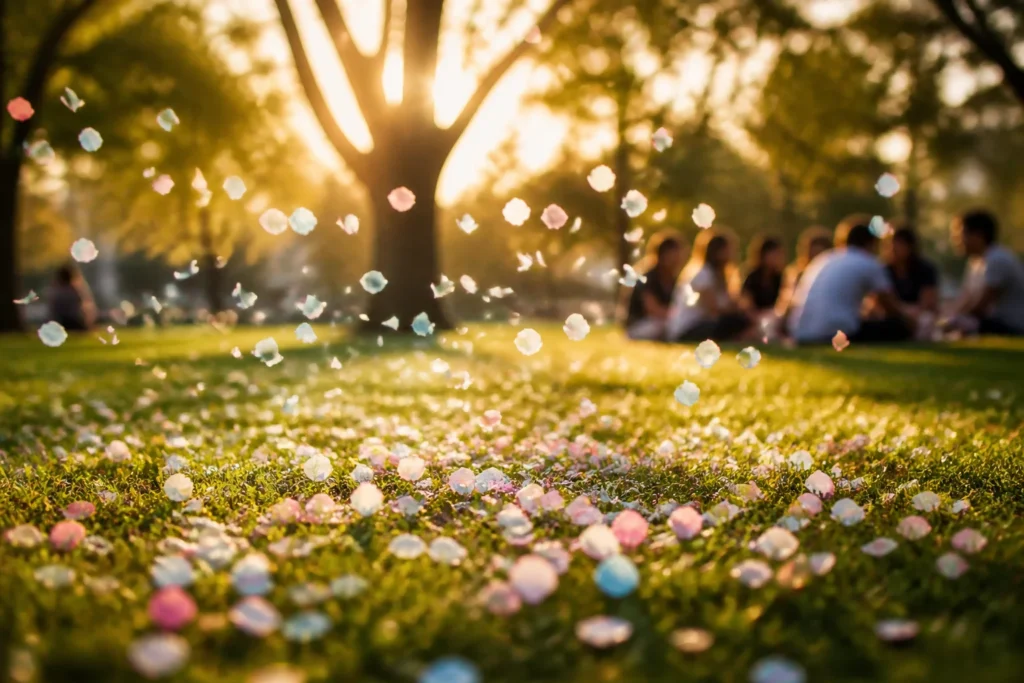
For outdoor applications, materials that dissolve with water or break down quickly under natural conditions are paramount. Rice paper confetti, for instance, is highly favored because it dissolves upon contact with moisture, making it virtually disappear after a rain shower or even heavy dew. Dried flower petals, while offering a rustic and elegant look, also decompose naturally, enriching the soil as they break down. When planning an event in a sensitive ecological area, such as a national park or a protected wetland, it is crucial to consult with venue management or local authorities regarding their specific policies on confetti. Many venues have strict “leave no trace” policies, and only truly compostable and naturally derived options will be permitted. Some even specify that only undyed, natural materials are acceptable to prevent any potential impact on local ecosystems.
Considerations for Different Event Types
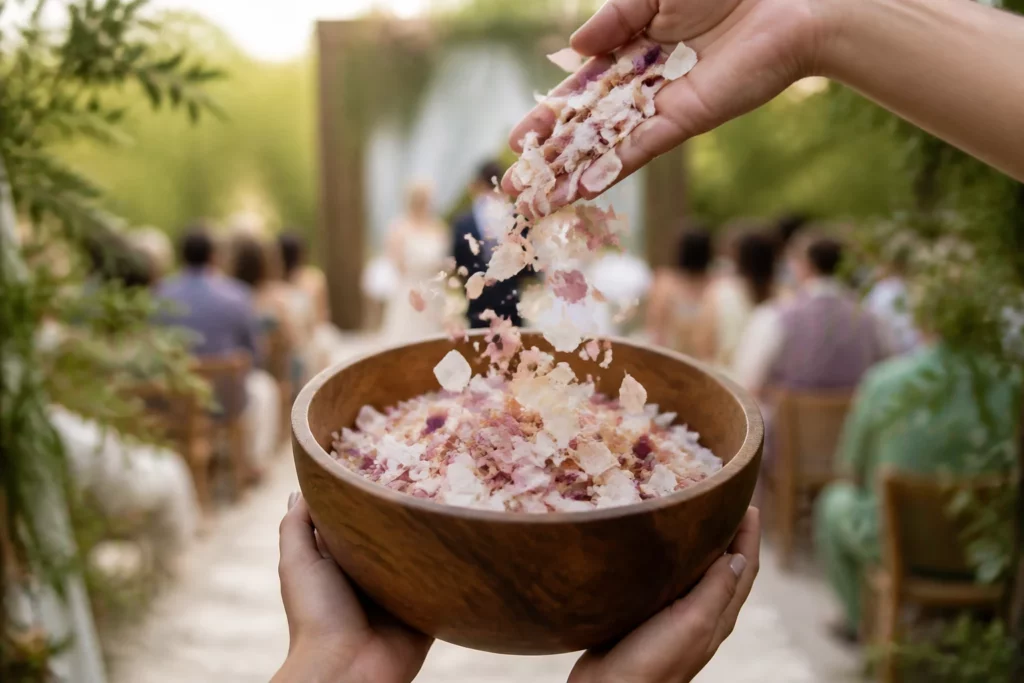
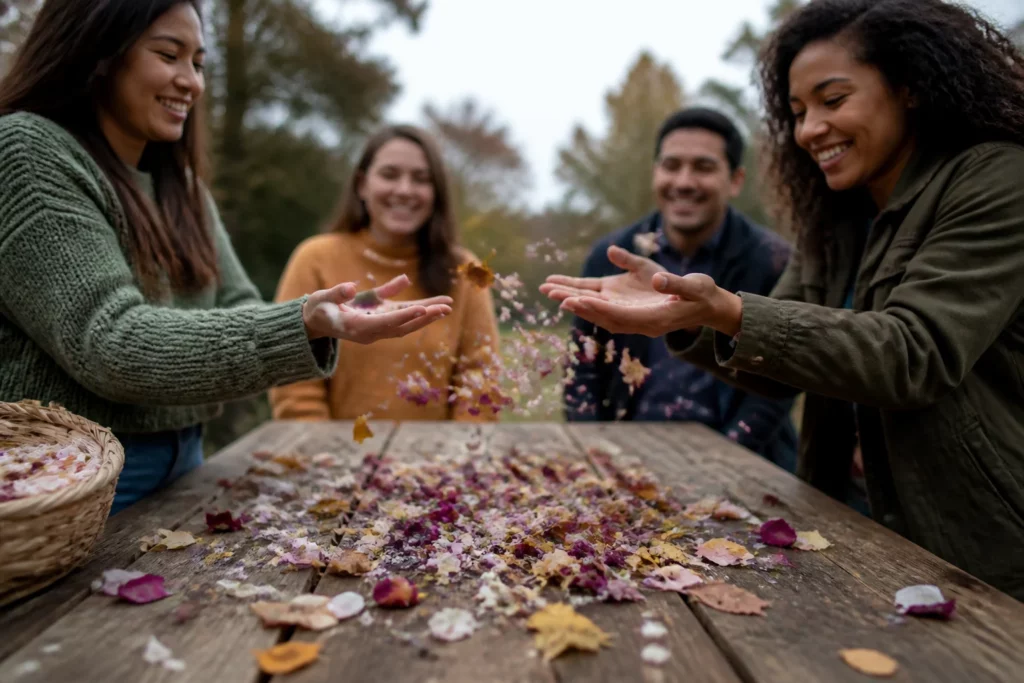
The type of event also influences the best confetti choice. For weddings, particularly outdoor ceremonies, a popular trend is to use a mix of dried flower petals and rice paper confetti. This combination offers both visual appeal and environmental responsibility. The petals provide texture and natural beauty, while the rice paper ensures a quick and complete disappearance. For children’s parties or larger public events, where a significant volume of confetti might be used, cost-effectiveness and ease of cleanup become more prominent factors. In these scenarios, bulk purchases of certified compostable tissue paper confetti, made from wood pulp and natural dyes, can be a practical and eco-friendly solution.
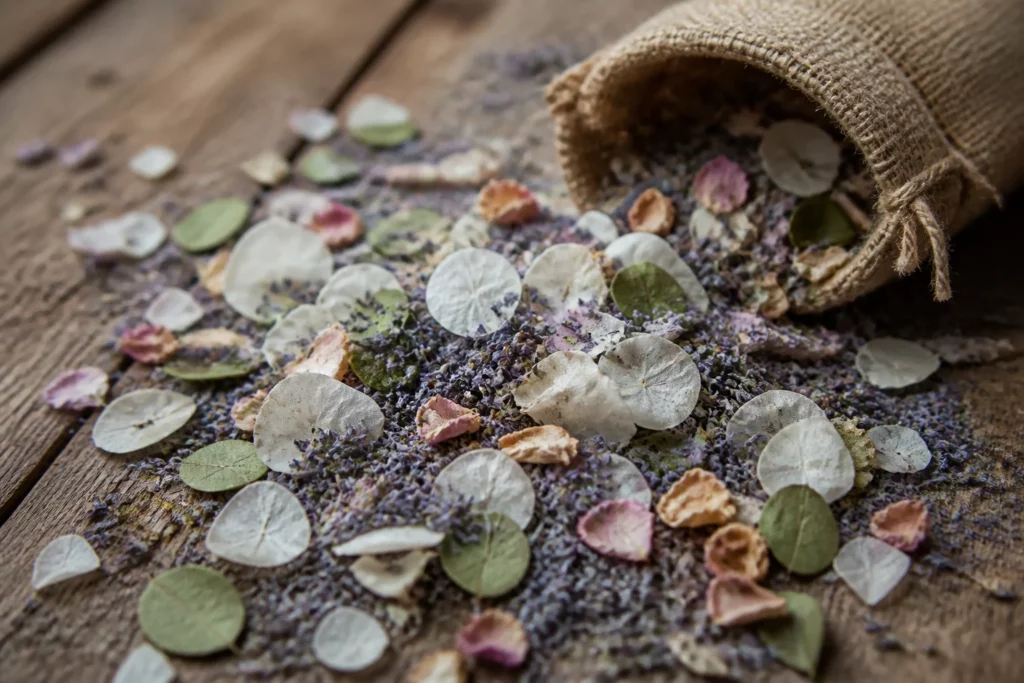
Another important consideration is the desired visual effect. If a vibrant, colorful shower is desired, naturally dyed rice paper or tissue paper confetti can achieve this without compromising environmental integrity. Brands often use vegetable-based pigments to create a wide spectrum of colors, from soft pastels to bold primary hues. For a more subtle or rustic aesthetic, undyed rice paper, white flower petals, or even green leaves (such as small, dried eucalyptus leaves) can provide an elegant and completely natural alternative. It is also worth noting that some biodegradable confetti is designed to float longer in the air, creating a more dramatic effect for photographs, while others are intended for quick dispersal and breakdown. Understanding these nuances helps in selecting a product that not only meets environmental standards but also enhances the overall experience of the event.
Ultimately, the choice of confetti should reflect a balance between aesthetic desires and environmental responsibility. As of 2024, the market offers a wide array of options that allow for stunning visual effects without leaving a lasting ecological footprint. For instance, a typical outdoor wedding in a vineyard might opt for a blend of lavender petals and white rice paper confetti, providing a fragrant, visually appealing toss that naturally dissipates within days, especially if there’s morning dew or light rain. This approach not only respects the natural beauty of the venue but also aligns with the growing demand for sustainable event practices, a trend widely supported by event planners and venue operators according to recent industry surveys.
Embracing Sustainable Celebrations
Moving towards more sustainable event practices, including the use of best biodegradable confetti, represents a significant step in minimizing our environmental impact. The shift from traditional plastic or metallic confetti, which can persist in the environment for hundreds of years, to plant-based alternatives is not merely a trend but a conscious choice towards ecological stewardship. This commitment extends beyond the material itself to the entire lifecycle of the product, from sourcing raw materials to manufacturing processes and eventual decomposition. For example, some manufacturers are now utilizing closed-loop systems for their production, ensuring that water and energy are conserved, and waste is minimized. This holistic approach is what truly defines an environmentally responsible product in the modern market.
The benefits of choosing truly biodegradable confetti extend beyond immediate environmental protection. By opting for products that break down into natural components, event organizers and individuals contribute to healthier soil, cleaner waterways, and safer habitats for wildlife. This is particularly vital for events held near sensitive ecosystems, such as coastal areas or nature reserves, where even small amounts of non-biodegradable materials can have disproportionate negative effects. According to environmental impact assessments, plastic confetti can be mistaken for food by animals, leading to internal injuries or starvation. In contrast, confetti made from natural materials like dried leaves or flower petals poses no such threat, often becoming a natural part of the ecosystem’s nutrient cycle. This proactive choice helps preserve biodiversity and maintain ecological balance, ensuring that celebrations do not come at the expense of the planet.
Furthermore, the adoption of biodegradable confetti sends a powerful message about sustainability to guests and the wider community. It encourages awareness and inspires others to make similar eco-conscious choices in their own lives and events. Many event planners, for instance, now actively promote biodegradable options as a standard offering, educating clients on the environmental advantages and helping them navigate the various choices available. This educational aspect is crucial in fostering a broader understanding of sustainable consumption. A small gesture, such as choosing plant-based confetti for a birthday party or a corporate launch, can collectively lead to significant positive environmental outcomes, aligning with global efforts to reduce waste and promote circular economies. The availability and increasing affordability of these products, as of 2024, make it easier than ever to make this responsible choice.
Planning for a Greener Tomorrow
As we look to the future, the innovation in biodegradable materials continues to expand, offering even more sophisticated and environmentally friendly confetti options. Researchers are exploring new plant-based polymers and natural fiber composites that could further enhance decomposition rates and reduce production footprints. This ongoing development means that consumers can expect an even wider array of choices that are both visually stunning and ecologically sound. The commitment to sustainability in event planning is not just about avoiding harm, but actively contributing to a healthier planet. By making informed choices about products like confetti, we can ensure our celebrations are joyful, memorable, and leave only positive impacts on the world around us.
Bottom Line: The best biodegradable confetti is made from natural, plant-based materials like rice paper or dried flowers, certified for rapid decomposition, and colored with non-toxic dyes, ensuring celebrations leave no harmful environmental residue.
Frequently Asked Questions
Does biodegradable confetti stain?
Truly biodegradable confetti, especially those made from rice paper or natural flower petals with non-toxic, vegetable-based dyes, is designed not to stain. It dissolves or breaks down without leaving permanent marks on surfaces or clothing.
How long does biodegradable confetti take to decompose?
The decomposition time for biodegradable confetti varies by material and environmental conditions. Rice paper confetti can dissolve within hours or days with moisture, while dried flower petals or plant-based tissue paper typically break down within a few weeks to several months.
Can I use biodegradable confetti indoors?
Yes, biodegradable confetti is suitable for indoor use. Materials like rice paper or finely shredded, naturally dyed tissue paper are easy to clean up and pose no environmental risk, making them ideal for controlled indoor event settings.
Related Articles