AnswerCan You Use Confetti Cannons Indoors at Concerts? Addressing Venue Restrictions When Planning Live Shows
Yes, you can absolutely use
confetti for cannons indoors at concerts, but it’s a bit like navigating a maze blindfolded – you need to know the rules of the specific venue first!
TL;DR
- Can You Use Confetti Cannons Indoors at Concerts?
- Addressing Venue Restrictions When Planning Live Shows
Yes, you can absolutely use confetti for cannons indoors at concerts, but it’s a bit like navigating a maze blindfolded – you need to know the rules of the specific venue first!
- Most concert halls, arenas, and event spaces have strict policies regarding pyrotechnics, open flames, and even atmospheric effects like fog or confetti.
- The key is always to get explicit permission from venue management well in advance, often requiring a detailed plan of the type of confetti, the cannons used, and cleanup procedures.
- For instance, a major venue like Madison Square Garden or the Staples Center might have different regulations than a smaller, independent music club, with fire safety codes being a primary concern across the board.
Can You Use Confetti Cannons Indoors at Concerts? Addressing Venue Restrictions When Planning Live Shows
Yes, you can absolutely use confetti for cannons indoors at concerts, but it’s a bit like navigating a maze blindfolded – you need to know the rules of the specific venue first! Most concert halls, arenas, and event spaces have strict policies regarding pyrotechnics, open flames, and even atmospheric effects like fog or confetti. The key is always to get explicit permission from venue management well in advance, often requiring a detailed plan of the type of confetti, the cannons used, and cleanup procedures. For instance, a major venue like Madison Square Garden or the Staples Center might have different regulations than a smaller, independent music club, with fire safety codes being a primary concern across the board. Ignoring these rules can lead to fines, show cancellations, or even safety hazards, so always check before you blast!
UNDERSTANDING DIFFERENT TYPES OF CONFETTI AND THEIR IMPACT confetti for cannons
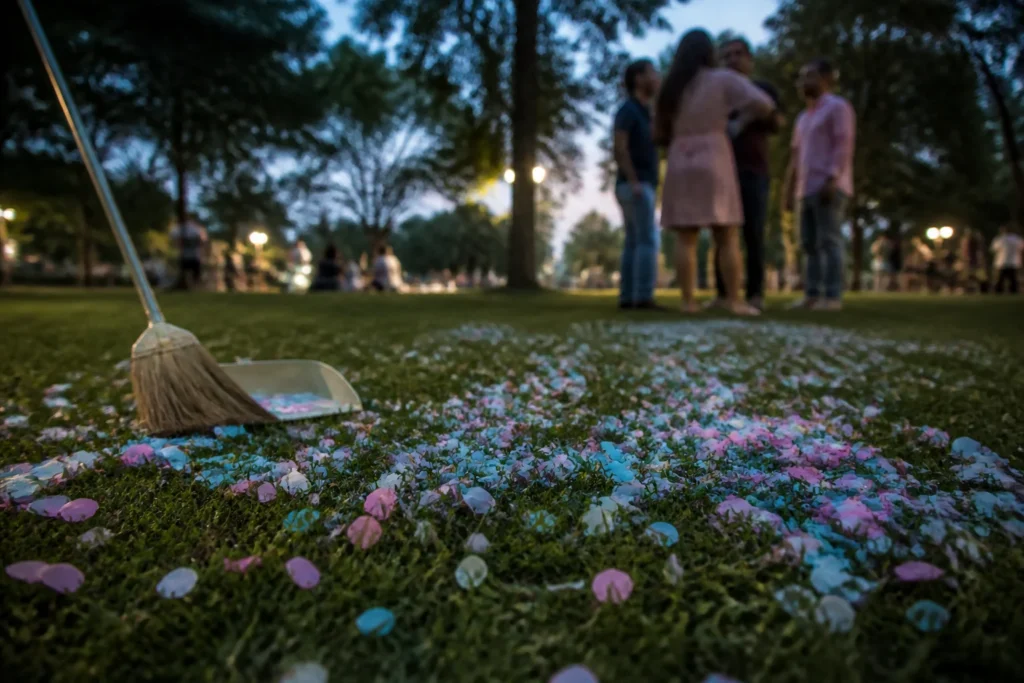
Not all confetti is created equal, especially when it comes to indoor use. Venues often have preferences or outright bans on certain materials due to cleanup challenges, environmental concerns, or potential slip hazards. For instance, metallic confetti, while visually stunning, can be notoriously difficult to sweep up, often clinging to surfaces due to static electricity. Biodegradable rice paper or tissue paper confetti, on the other hand, is generally more accepted because it’s lighter, easier to clean, and less impactful on the environment, should any escape the venue.
Consider a scenario where a band wants to use large, slow-falling paper confetti for a dramatic effect during their encore. This type of confetti, often made from flame-retardant tissue, is usually permissible because its gentle descent allows for easier collection post-show. Contrast this with micro-confetti or glitter, which, despite its dazzling appearance, can embed itself into carpets, ventilation systems, and even audience members’ hair, making cleanup a Herculean task. Many venues will explicitly prohibit glitter for this very reason, citing past experiences of finding remnants weeks after an event.
“The best confetti is the confetti you can clean up quickly and completely. Anything else is a headache waiting to happen for the venue staff.”
A mini case study from a mid-sized concert hall in Nashville revealed that after a particularly enthusiastic pop concert featuring PVC metallic confetti, the venue spent an additional eight hours in cleanup, incurring significant overtime costs. This led them to update their policy, now strictly permitting only biodegradable, non-metallic paper confetti for all future indoor events, a decision driven purely by operational efficiency and cost savings.
NAVIGATING PERMITS AND SAFETY PROTOCOLS
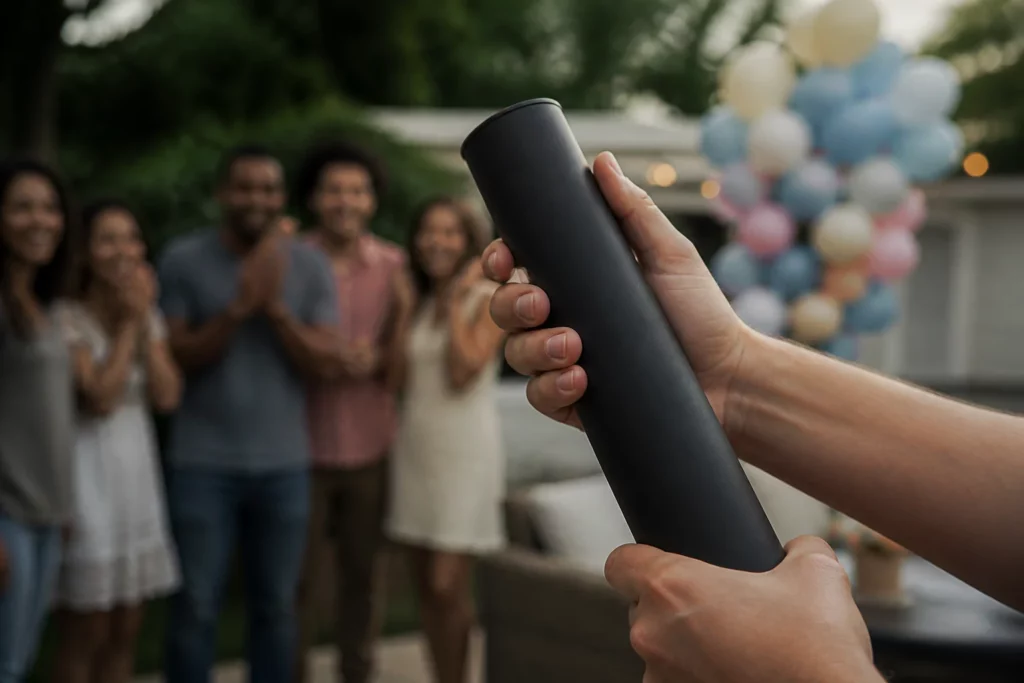
Beyond the type of confetti, the method of deployment and associated safety protocols are paramount. Most venues will require a detailed plan outlining the specific confetti cannons to be used. Are they CO2-powered, handheld, or electric? Each type carries different safety considerations. CO2 cannons, for example, require trained operators and proper ventilation, as a sudden release of carbon dioxide in an enclosed space can displace oxygen. Electric cannons, while often simpler to operate, still need to be positioned safely to avoid hitting lighting rigs, speakers, or audience members.
Securing the necessary permits often involves more than just a nod from the venue manager. Depending on local fire codes and municipal regulations, you might need to submit your confetti plan to the local fire marshal for approval. This typically involves demonstrating that the confetti material is flame-retardant (often requiring a certificate from the manufacturer) and that the cannons will be operated by certified personnel. Some cities, like Los Angeles, have particularly stringent fire safety regulations for public gatherings, necessitating a thorough review process for any atmospheric effects.
Here’s a simplified checklist for your confetti cannon plan:
- Confetti Material: Specify type (e.g., tissue, rice paper), color, and provide flame-retardant certification.
- Cannon Type: Detail model, power source (CO2, electric), and quantity.
- Deployment Zones: Indicate exact locations for cannons and projected confetti trajectory.
- Operator Credentials: Provide proof of training or certification for cannon operators.
- Cleanup Strategy: Outline how and when confetti will be removed post-event.
Ignoring these steps isn’t just a risk to your show; it’s a risk to public safety. A venue in Chicago once had a show nearly shut down mid-performance because an unapproved confetti cannon was deployed too close to a smoke detector, triggering a false alarm and a rapid response from the fire department. Always err on the side of over-communication and thorough planning when it comes to safety.
The financial implications of confetti use extend beyond just cleanup. Consider the potential for damage to sensitive equipment. A venue in Seattle reported that a poorly aimed confetti blast during a rock concert caused a temporary malfunction in a high-end sound mixer, leading to a brief but noticeable audio dropout. While the equipment was quickly restored, the incident highlighted the need for strict adherence to deployment zones and operator training. Insurance policies for venues often have specific clauses regarding special effects, and non-compliance with safety protocols could void coverage, leaving the event organizer liable for any damages or injuries. This financial risk underscores the importance of a comprehensive plan and transparent communication with venue management and their insurance providers.
Furthermore, the environmental footprint of confetti is an increasingly scrutinized aspect. While biodegradable options are gaining traction, some venues are pushing for even stricter guidelines, or even a complete ban, on confetti use due to concerns about microplastics or the sheer volume of waste generated. A major festival organizer in California recently implemented a “leave no trace” policy, which included a prohibition on all confetti, regardless of material, after an environmental impact assessment revealed significant challenges in collecting all dispersed particles from outdoor spaces. This trend is slowly influencing indoor venues, prompting event planners to explore alternative visual effects that achieve similar dramatic impact without the associated cleanup and environmental burden. The industry is seeing a shift towards projection mapping or LED screen effects as viable, sustainable alternatives.
Ultimately, the decision to use confetti for cannons indoors at concerts is a balancing act between artistic vision, operational feasibility, and regulatory compliance. While the visual spectacle can undoubtedly enhance a live performance, the logistical hurdles and potential liabilities demand meticulous planning. Engaging with venue staff early in the planning process, understanding their specific rules, and preparing a detailed proposal that addresses all safety, cleanup, and material concerns are not merely suggestions but essential steps. A proactive approach ensures that the confetti moment is memorable for all the right reasons, without unexpected complications or costs. According to industry data from 2022, events that failed to secure proper permits for special effects faced an average of 15% higher operational costs due to fines or extended cleanup times.
Ensuring a Seamless Confetti Experience
To guarantee a smooth execution of your confetti effect, consider a pre-show walkthrough with venue staff and your cannon operators. This allows everyone to visualize the deployment, confirm trajectories, and identify any potential obstacles or sensitive areas. During this walkthrough, you can also finalize the cleanup strategy, designating specific personnel and equipment for the post-show sweep. Some venues might even offer their own cleanup services for an additional fee, which, while adding to the budget, can provide peace of mind regarding thoroughness and adherence to their standards. This collaborative approach minimizes surprises and ensures that the confetti adds to the magic of the performance, rather than detracting from it with unforeseen issues.
Bottom Line: Yes, confetti for cannons can be used indoors at concerts, but only with explicit venue permission, adherence to strict safety protocols, and careful consideration of confetti material and cleanup plans to avoid fines, safety hazards, or show cancellations.
Frequently Asked Questions
What kind of confetti is best for indoor concerts?
Biodegradable options like rice paper or flame-retardant tissue paper confetti are generally preferred for indoor concerts. They are lighter, easier to clean, and less likely to cause slip hazards or static cling compared to metallic or plastic confetti, which many venues prohibit.
Do I need special permits to use confetti cannons indoors?
Yes, beyond venue permission, you often need permits from local fire marshals or municipal authorities, especially for CO2-powered cannons. This typically requires demonstrating that the confetti is flame-retardant and that operators are certified for safe deployment.
What are the main safety concerns with indoor confetti cannons?
Key safety concerns include proper ventilation for CO2 cannons to prevent oxygen displacement, safe positioning to avoid hitting equipment or audience members, and ensuring confetti material is flame-retardant to prevent fire hazards. Trained operators are crucial for mitigating these risks.
How do venues handle confetti cleanup after a show?
Cleanup strategies vary, but most venues require a detailed plan from the event organizer. This often involves designated personnel, specific equipment, and sometimes an additional fee for venue staff to manage the cleanup, especially for materials like glitter that are difficult to remove.