AnswerHow to
dispose of confetti Responsibly After a Cannon Launch When You've Used Non-Biodegradable Types
After a dazzling celebration featuring a spectacular launch of
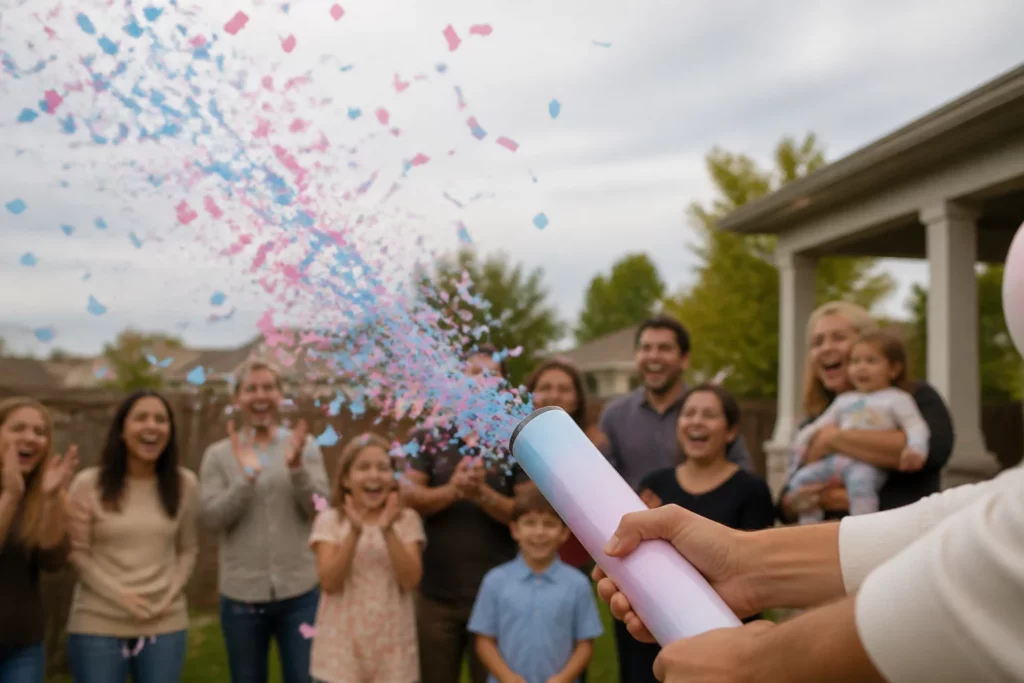
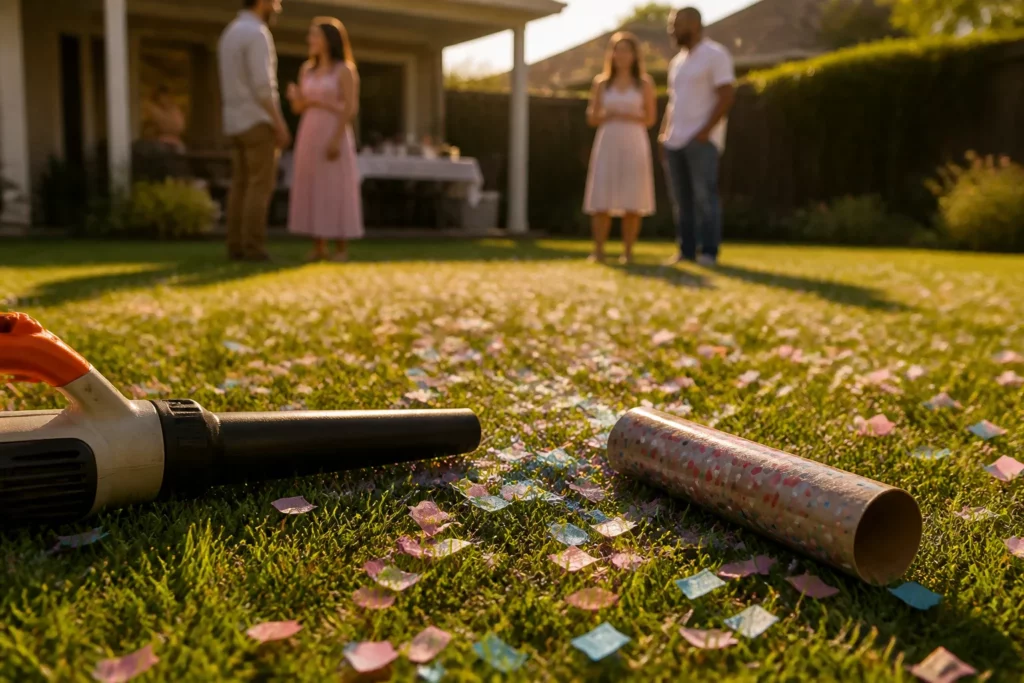
confetti for cannons, Sarah found herself staring at a shimmering carpet of non-biodegradable metallic confetti, a beautiful but daunting mess. She’d tried sweeping, vacuuming, and even a leaf blower, but the tiny, reflective pieces seemed to cling to every surface, sparking a mild panic about
environmental impact.
TL;DR
- How to Dispose of Confetti Responsibly After a Cannon Launch When You've Used Non-Biodegradable Types
After a dazzling celebration featuring a spectacular launch of confetti for cannons, Sarah found herself staring at a shimmering carpet of non-biodegradable metallic confetti, a beautiful but daunting mess.
- She’d tried sweeping, vacuuming, and even a leaf blower, but the tiny, reflective pieces seemed to cling to every surface, sparking a mild panic about environmental impact.
- To responsibly dispose of non-biodegradable confetti, the most effective method is meticulous manual collection, followed by proper containment in sealed bags, and then disposal through general waste, ensuring it does not enter waterways or natural ecosystems.
- This approach prevents microplastic pollution and protects wildlife, turning a potential environmental headache into a manageable cleanup.
- It’s a bit like trying to catch starlight, but with the right tools and a systematic approach, every last glimmer can be gathered.
How to Dispose of Confetti Responsibly After a Cannon Launch When You’ve Used Non-Biodegradable Types
After a dazzling celebration featuring a spectacular launch of confetti for cannons, Sarah found herself staring at a shimmering carpet of non-biodegradable metallic confetti, a beautiful but daunting mess. She’d tried sweeping, vacuuming, and even a leaf blower, but the tiny, reflective pieces seemed to cling to every surface, sparking a mild panic about environmental impact. To responsibly dispose of non-biodegradable confetti, the most effective method is meticulous manual collection, followed by proper containment in sealed bags, and then disposal through general waste, ensuring it does not enter waterways or natural ecosystems. This approach prevents microplastic pollution and protects wildlife, turning a potential environmental headache into a manageable cleanup. It’s a bit like trying to catch starlight, but with the right tools and a systematic approach, every last glimmer can be gathered.
What Are the Environmental Risks of Non-Biodegradable Confetti? confetti for cannons
Non-biodegradable confetti, often made from PVC (polyvinyl chloride) or metallicized plastic films, might look fantastic as it twinkles down from a confetti cannon, but its environmental footprint is anything but sparkling. These tiny, vibrant pieces are essentially microplastics in waiting. Once released into the environment, they don’t break down naturally. Instead, they persist for hundreds, if not thousands, of years, fragmenting into smaller and smaller particles. This process is akin to a glitter bomb that never truly disappears, just gets harder to see. For instance, a study published in 2018 by the European Chemicals Agency highlighted that microplastics, including those from celebratory items, are a significant contributor to plastic pollution, with an estimated 8 million tons of plastic entering oceans annually worldwide. These fragments can be ingested by wildlife, from birds mistaking them for food to marine life absorbing them through their gills, leading to internal injuries, blockages, and even starvation. The chemicals within the plastics can also leach into soil and water, potentially affecting plant growth and aquatic ecosystems. Think of it as a party guest who overstays their welcome by a few centuries, leaving behind a permanent, unwelcome souvenir.
Beyond the immediate visual pollution, the long-term effects of non-biodegradable confetti are a serious concern for ecological balance. When these plastic pieces settle on land, they can alter soil composition, potentially inhibiting water absorption and nutrient cycling. In aquatic environments, they become part of the vast and growing problem of ocean plastic, contributing to the “Great Pacific Garbage Patch” and other similar accumulations. Data from the National Oceanic and Atmospheric Administration (NOAA) indicates that microplastics have been found in virtually every marine environment sampled, from the deepest ocean trenches to Arctic ice. This widespread presence means that even a small amount of non-biodegradable confetti, especially from large-scale events using powerful confetti for cannons, can have a disproportionate impact. Consider a single event that uses 10 pounds of metallic confetti; if not properly collected, those 10 pounds could disperse over a wide area, breaking down into countless microparticles over time. This isn’t just about aesthetics; it’s about preserving the delicate balance of natural habitats and protecting the creatures that call them home. It’s a reminder that while the moment of celebration is fleeting, the materials we choose can have lasting consequences.
The impact extends to human health as well, albeit indirectly. As microplastics enter the food chain, they can eventually make their way to our dinner plates. Fish and shellfish that consume these particles are then consumed by humans, raising questions about the long-term effects of ingesting plastic. While research is ongoing, the potential for endocrine disruption and other health issues from plastic chemicals is a growing area of scientific inquiry. For example, a 2022 report by the World Wildlife Fund (WWF) estimated that the average person could be ingesting up to 5 grams of plastic per week – roughly the equivalent of a credit card. This isn’t to say a single confetti launch will lead to immediate health crises, but it underscores the cumulative effect of plastic pollution from various sources, including celebratory items. Therefore, understanding the risks associated with non-biodegradable confetti isn’t just about being a good neighbor to nature; it’s about contributing to a healthier planet for everyone. It’s about choosing responsibility over convenience, ensuring our celebrations don’t leave a legacy of environmental regret.
How to Effectively Collect Non-Biodegradable Confetti
Now that we’ve had our serious chat about the environmental woes, let’s roll up our sleeves and tackle the cleanup. Collecting non-biodegradable confetti, especially the metallic kind, can feel like trying to gather pixie dust after a particularly enthusiastic fairy convention. It’s tiny, it’s shiny, and it loves to hide in every nook and cranny. The key here is patience, persistence, and a systematic approach. Think of yourself as a confetti detective, meticulously searching for every last glimmer.
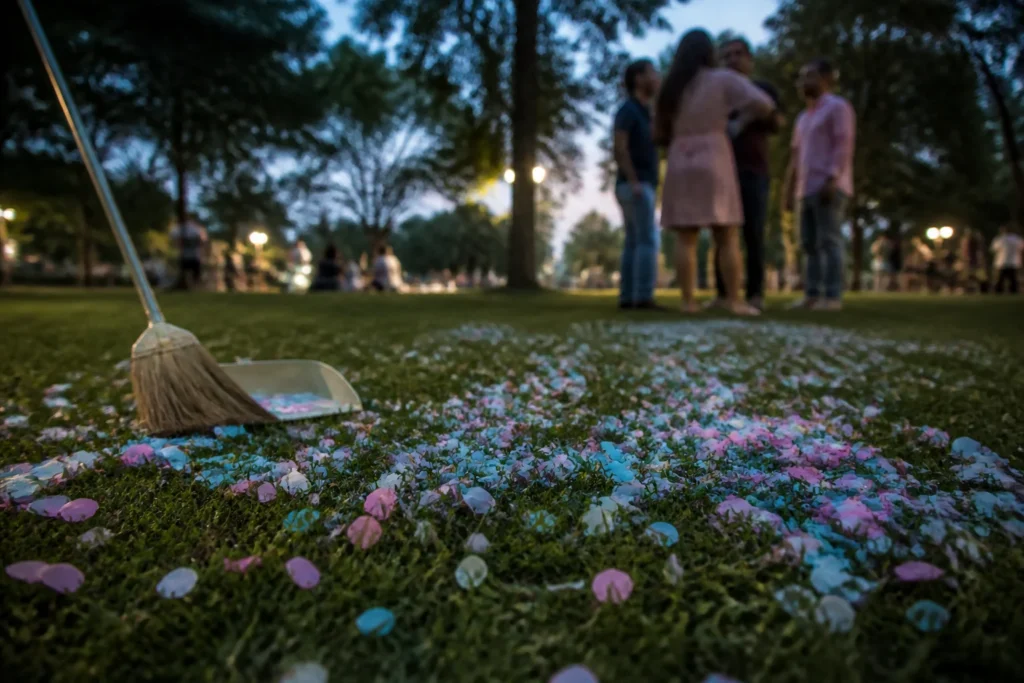
For outdoor events, the first line of defense is often a good old-fashioned broom and dustpan, but with a twist. Instead of broad, sweeping motions that might scatter the confetti further, opt for smaller, more controlled sweeps. Imagine you’re herding tiny, sparkly sheep into a pen. For larger areas, a leaf blower on a low setting can sometimes help consolidate piles, but be warned: too much power and you’ll just create a confetti tornado. A better alternative might be a shop vacuum with a fine filter, which can suck up those stubborn pieces from rougher surfaces like asphalt or grass. One event planner, after a particularly glittery outdoor wedding, shared her secret: “We used a combination of sticky lint rollers for the really fine bits on fabric and a powerful wet/dry vac for the bulk. It took hours, but we got almost everything!”
Tools and Techniques for a Thorough Cleanup
When it comes to indoor confetti cleanup, you have a few more allies in your arsenal. A high-quality vacuum cleaner with strong suction and various attachments is your best friend. The crevice tool is perfect for getting into those tight spots between floorboards or along baseboards, while a brush attachment can gently lift pieces from carpets without embedding them further. For hard surfaces, a damp mop can sometimes pick up stray pieces, but be careful not to spread them into a sticky, colorful paste. Static electricity can also be your friend; rubbing a balloon over a carpet can sometimes attract confetti, making it easier to pick up.
Consider the “confetti patrol” method: assign a small team, each armed with specific tools. One person might be on vacuum duty, another on lint rollers for furniture and fabrics, and a third on manual pickup for the most stubborn pieces. This division of labor can make a daunting task feel more manageable. For example, after a New Year’s Eve bash in a large ballroom, the cleanup crew used a grid system, dividing the floor into sections and systematically clearing each one. This ensured no area was missed, and every piece of metallic confetti was accounted for. It’s a bit like a treasure hunt, where the treasure is a clean environment.
“The most important thing is to start the cleanup as soon as possible. The longer confetti sits, especially outdoors, the more it gets trampled, blown around, and embedded, making it exponentially harder to collect.”
Don’t forget the often-overlooked spots! Confetti has a magical ability to travel. Check window sills, light fixtures, air vents, and even inside potted plants. If your event involved dancing, check under tables and chairs, and even inside shoes that might have been kicked off. A mini case study from a local community festival highlighted this perfectly: after a confetti cannon launch, volunteers spent an extra hour checking the perimeter of the event space, finding a surprising amount of confetti that had drifted with the breeze, emphasizing the need for a wide cleanup radius.
Proper Containment and Disposal of Collected Confetti
Once you’ve meticulously gathered every last shimmering piece, the next crucial step is proper containment and disposal. This isn’t just about tidiness; it’s about preventing all your hard work from being undone. Those tiny plastic fragments, if not securely contained, can easily escape and continue their journey into the environment, defeating the purpose of your diligent cleanup.
The golden rule for non-biodegradable confetti is to seal it up tight. Think of it as putting a mischievous genie back in its bottle. Use sturdy, sealable bags, like Ziploc bags or heavy-duty garbage bags that can be tied securely. Double-bagging is often a good idea, especially for very fine or metallic confetti, to prevent any tiny escape artists from slipping through. Imagine a small hole in a single bag allowing a cascade of microplastics to spill out during transport – not ideal! This secure containment ensures that the confetti remains a contained waste product until it reaches its final destination.
Ensuring Confetti Reaches General Waste Safely
After secure containment, the collected non-biodegradable confetti should be disposed of with general household waste. It’s important to understand that these materials are typically not recyclable through standard municipal recycling programs. The small size, mixed material composition (plastic and often metallic coatings), and potential for contamination make them unsuitable for most recycling facilities. Attempting to recycle them can actually contaminate entire batches of otherwise recyclable materials, leading to more waste.
Therefore, once bagged and sealed, place the confetti into your regular trash bin for landfill disposal. This is the most responsible route for non-biodegradable confetti, as it ensures it is contained within a designated waste management system, rather than ending up in natural ecosystems. While landfilling isn’t the ideal long-term solution for plastic waste, it is the appropriate method for these specific items once they have been used, preventing immediate environmental harm. Always check with your local waste management guidelines if you have any doubts, but generally, non-biodegradable confetti falls under the “general waste” category.
Consider a scenario where a large event venue regularly uses non-biodegradable confetti. They might implement a specific protocol: after collection, all confetti is placed into clearly marked, heavy-duty, sealable bags. These bags are then stored separately until general waste collection day, ensuring they are not accidentally mixed with recyclables or compost. This systematic approach minimizes the risk of environmental leakage and reinforces responsible waste management practices. It’s about making sure that the party truly ends when the trash truck pulls away, not when the wind picks up a stray piece of glitter.
This meticulous approach to containment is vital for ensuring that the environmental impact of non-biodegradable confetti is minimized. It’s a small but significant step in the larger effort to manage plastic waste responsibly. Think of it as the final seal on your commitment to a cleaner planet, ensuring that the joy of your celebration doesn’t translate into a lasting ecological burden.
The importance of this final step cannot be overstated. According to a 2021 report by the United Nations Environment Programme (UNEP), improper waste disposal is a major driver of plastic pollution, with an estimated 19-23 million tons of plastic waste leaking into aquatic ecosystems annually. While confetti might seem like a minor contributor, every piece of plastic that escapes proper waste streams adds to this monumental problem. By diligently collecting and securely bagging non-biodegradable confetti, you are actively participating in the solution, preventing these microplastics from becoming part of that alarming statistic. It’s a tangible action that demonstrates environmental stewardship, transforming a potential pollutant into a safely managed waste item. This careful handling ensures that the shimmering remnants of your event are contained, preventing them from becoming a long-term environmental hazard.
Embracing Sustainable Celebrations for a Brighter Future
As we reflect on the journey from dazzling confetti for cannons to responsible disposal, it becomes clear that our choices, even in celebration, carry significant weight. The shimmering spectacle of non-biodegradable confetti, while momentarily beautiful, leaves a lasting imprint on our planet. However, understanding the risks and implementing diligent cleanup and disposal methods transforms a potential environmental headache into a manageable task. This commitment to responsible practices is not just about cleaning up a mess; it’s about fostering a deeper respect for our environment and ensuring that our moments of joy don’t come at an ecological cost.
Looking ahead, the trend towards more sustainable celebration practices is gaining momentum. Many event planners and individuals are now opting for biodegradable confetti, made from materials like rice paper, flower petals, or even leaves, which naturally break down without harming ecosystems. This shift represents a proactive approach, addressing the environmental impact at the source rather than relying solely on post-event cleanup. For instance, a survey conducted by the Event Industry Council in 2023 indicated that over 60% of event professionals are actively seeking eco-friendly alternatives for decorations and celebratory items, including confetti. This growing awareness suggests a collective move towards celebrations that are both spectacular and environmentally sound, ensuring that the magic of the moment doesn’t leave behind a legacy of pollution. It’s about making conscious choices that align with our values, creating memories that are truly guilt-free.
The journey to responsible confetti disposal, particularly for non-biodegradable types, underscores a broader principle: every action, no matter how small, contributes to the health of our planet. From the meticulous collection of each tiny piece to its secure containment and proper disposal, each step is a testament to environmental responsibility. This diligent approach helps prevent microplastic pollution, protects wildlife, and maintains the delicate balance of natural ecosystems. By embracing these practices, we ensure that our celebrations are not only memorable but also sustainable, paving the way for a future where joy and environmental stewardship go hand in hand. It’s a powerful reminder that our choices today shape the world of tomorrow, ensuring that our planet remains vibrant and healthy for generations to come.
Bottom Line: To responsibly dispose of non-biodegradable confetti after a cannon launch, meticulously collect all pieces, securely contain them in sealed bags, and then place them in general waste for landfill disposal to prevent microplastic pollution and protect ecosystems.
Frequently Asked Questions
Can non-biodegradable confetti be recycled?
No, non-biodegradable confetti, often made from plastic or metallic films, is generally not recyclable through standard municipal programs. Its small size, mixed materials, and potential for contamination make it unsuitable for most recycling facilities, so it should be placed in general waste.
What are the main environmental risks of non-biodegradable confetti?
The primary risks include microplastic pollution, ingestion by wildlife leading to injury or starvation, and the leaching of chemicals into soil and water. These materials persist for hundreds of years, fragmenting into smaller particles that harm ecosystems.
What is the best way to collect non-biodegradable confetti outdoors?
For outdoor collection, use controlled sweeping with a broom and dustpan, or a shop vacuum with a fine filter for rougher surfaces. Sticky lint rollers can also be effective for very fine pieces on certain materials, ensuring thorough removal.
Why is immediate cleanup important for confetti?
Starting cleanup immediately prevents confetti from being trampled, blown away, or embedded into surfaces, which makes it significantly harder to collect later. Prompt action minimizes dispersion and ensures a more effective and complete removal.