AnswerEco-Friendly Wedding Planning and Design
Planning a wedding involves countless decisions, from selecting the perfect venue to curating a memorable menu. But what if you could create a celebration that not only reflects your unique style but also minimizes its impact on the planet?
Eco-Friendly Wedding Planning and Design
Planning a wedding involves countless decisions, from selecting the perfect venue to curating a memorable menu. But what if you could create a celebration that not only reflects your unique style but also minimizes its impact on the planet? Sustainable weddings are gaining popularity as couples seek to align their values with their special day. By choosing eco-conscious options, you can reduce waste, support ethical businesses, and create a truly meaningful experience for yourselves and your guests. A skilled wedding event planner can be your greatest asset in navigating the world of sustainable wedding practices, ensuring your vision comes to life while staying true to your environmental goals.
The Role of a Wedding Event Planner in Sustainable Celebrations
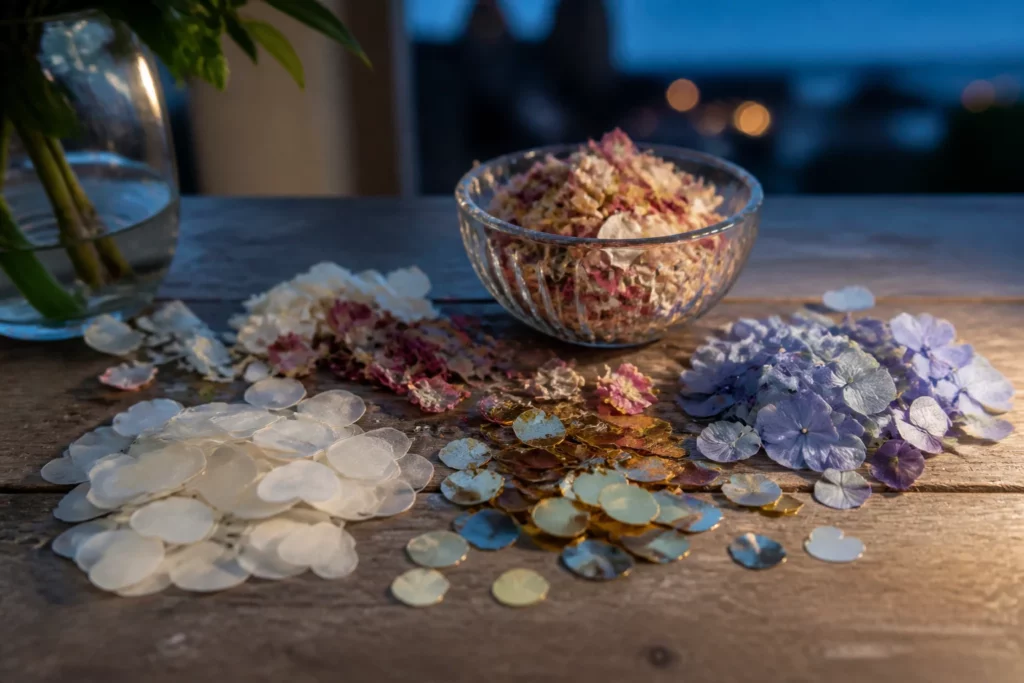
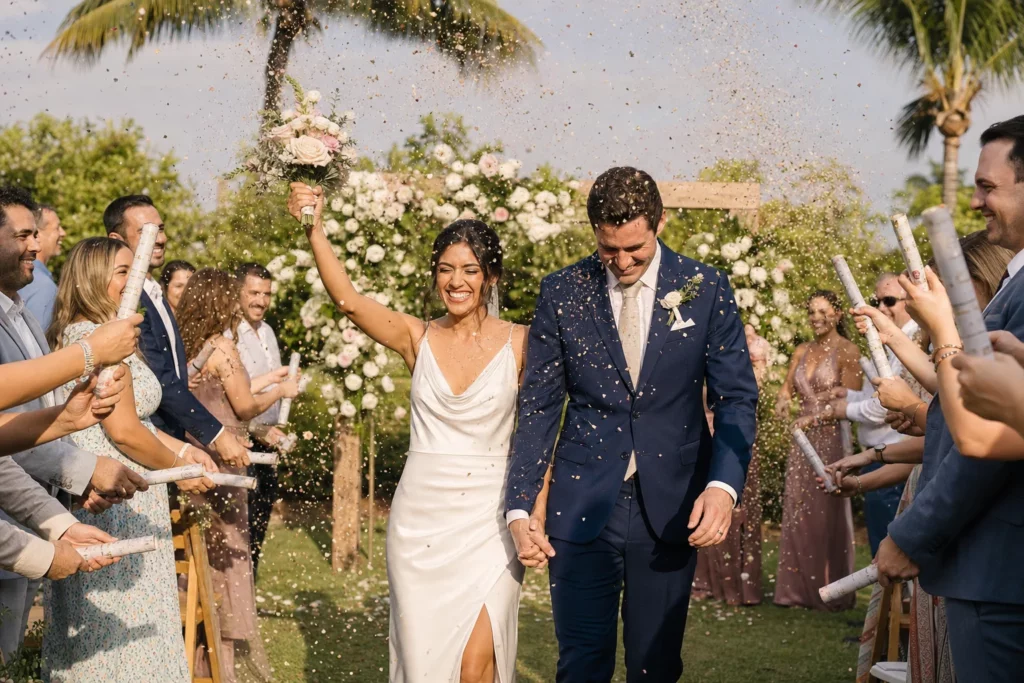
A wedding event planner specializing in eco-friendly weddings acts as a guide, helping couples make informed decisions that align with their sustainability goals. This involves sourcing local and seasonal flowers, choosing caterers committed to reducing food waste, selecting venues with eco-friendly practices, and minimizing the use of single-use plastics. For example, instead of traditional confetti, a planner might suggest biodegradable options like dried flower petals or birdseed. They can also help couples find vendors who prioritize ethical labor practices and sustainable materials. A good planner will have a network of trusted suppliers who share their commitment to environmental responsibility. They can also assist with managing waste during the event, ensuring proper recycling and composting systems are in place. Ultimately, a wedding event planner helps couples navigate the complexities of wedding planning while keeping sustainability at the forefront.
One crucial aspect of a sustainable wedding is minimizing waste. A wedding event planner can help couples achieve this by implementing strategies such as digital invitations, reusable decorations, and compostable tableware. For instance, instead of sending paper invitations, couples can opt for beautifully designed digital invitations that can be easily shared via email or social media. Decorations can be sourced from local artisans or rented from sustainable event rental companies. Tableware can be made from biodegradable materials like bamboo or sugarcane. Furthermore, a planner can work with the caterer to minimize food waste by accurately estimating guest counts and donating leftover food to local charities. By carefully considering every detail, a wedding event planner can significantly reduce the environmental footprint of the wedding.
Beyond waste reduction, a wedding event planner can also help couples make ethical choices when it comes to sourcing materials and services. This includes selecting florists who use locally grown, seasonal flowers instead of imported blooms, choosing caterers who prioritize organic and locally sourced ingredients, and working with transportation companies that offer hybrid or electric vehicles. For example, a couple getting married in California might choose a florist who sources flowers from farms in Sonoma County, reducing the carbon footprint associated with transportation. They might also select a caterer who uses ingredients from local farms and ranches, supporting sustainable agriculture practices. By making conscious choices about the vendors they work with, couples can ensure that their wedding supports ethical and sustainable businesses.
Making Eco-Conscious Choices for Your Big Day
Selecting a venue is one of the most significant decisions in wedding planning, and it presents a prime opportunity to embrace sustainability. A wedding event planner can guide you toward venues that prioritize eco-friendly practices, such as energy efficiency, water conservation, and waste reduction. Look for venues with LEED certification, which indicates a commitment to sustainable building practices. Consider outdoor venues that minimize the need for artificial lighting and air conditioning. Venues with on-site gardens or farms can provide fresh, locally sourced ingredients for your wedding feast. For example, the Stone Barns Center for Food & Agriculture in Pocantico Hills, New York, offers a stunning setting for a sustainable wedding, with its farm-to-table cuisine and commitment to environmental stewardship. By choosing a venue that aligns with your values, you can create a truly memorable and eco-conscious celebration.
Catering is another area where sustainable choices can make a big impact. A wedding event planner can help you find caterers who prioritize local, seasonal, and organic ingredients. Look for caterers who are committed to reducing food waste through careful planning and composting. Consider serving vegetarian or vegan options to reduce the environmental impact of meat production. For example, caterers like Farm to Feast Catering in Portland, Oregon, specialize in creating delicious and sustainable menus using locally sourced ingredients. They also prioritize waste reduction and composting, ensuring that your wedding feast is both delicious and environmentally responsible. By working with a sustainable caterer, you can create a memorable culinary experience that aligns with your values.
Flowers are an essential part of any wedding, but traditional floral arrangements can have a significant environmental impact due to transportation and the use of pesticides. A wedding event planner can help you find florists who use locally grown, seasonal flowers, reducing the carbon footprint associated with transportation. Consider using potted plants or succulents as centerpieces, which can be taken home by guests after the wedding. Explore alternative floral arrangements using dried flowers, branches, or other natural materials. For example, florists like Saipua in Brooklyn, New York, specialize in creating stunning floral arrangements using locally sourced and sustainable flowers. They also offer workshops on sustainable floral design, empowering couples to create their own eco-friendly arrangements. By making conscious choices about your floral arrangements, you can create a beautiful and sustainable wedding that celebrates the natural world.
Case Study: A Zero-Waste Wedding in Austin, Texas
Sarah and David, an environmentally conscious couple from Austin, Texas, wanted their wedding to reflect their commitment to sustainability. They hired a wedding event planner specializing in eco-friendly events to help them achieve their vision. The planner sourced a venue with solar panels and rainwater harvesting, found a caterer who used locally sourced and organic ingredients, and arranged for composting and recycling services. They sent digital invitations, used reusable decorations, and offered guests transportation via shuttle buses to minimize carbon emissions. The result was a beautiful and memorable wedding that generated minimal waste and had a positive impact on the environment. Sarah and David’s wedding serves as an inspiration for other couples who want to celebrate their love while protecting the planet.
FAQ: Planning Your Eco-Friendly Wedding
Q: How can a wedding event planner help me find sustainable vendors?
A: A wedding event planner specializing in eco-friendly weddings has a network of trusted vendors who share their commitment to sustainability. They can recommend florists who use locally grown flowers, caterers who prioritize organic ingredients, and venues with eco-friendly practices. They can also help you vet vendors to ensure they meet your sustainability standards.
Q: What are some ways to reduce waste at my wedding?
A: There are many ways to reduce waste at your wedding, including sending digital invitations, using reusable decorations, choosing compostable tableware, and minimizing food waste. A wedding event planner can help you implement these strategies and find creative solutions to minimize your wedding’s environmental footprint.
Q: How can I make my wedding more ethical?
A: You can make your wedding more ethical by choosing vendors who prioritize fair labor practices and sustainable materials. This includes selecting florists who source flowers from ethical farms, caterers who use locally sourced ingredients, and transportation companies that offer hybrid or electric vehicles. A wedding event planner can help you find vendors who align with your ethical values.
Sustainable Wedding Attire
The environmental impact of wedding attire is often overlooked, but it’s an area where couples can make a significant difference. A wedding event planner can guide you toward sustainable options, such as vintage or pre-owned dresses, ethically made gowns, and suits crafted from sustainable materials. Consider renting your wedding attire instead of buying it new, reducing the demand for new clothing production. For example, companies like Rent the Runway offer a wide selection of designer dresses for rent, providing a sustainable and affordable option for brides. Alternatively, you can purchase a dress made from organic cotton, hemp, or recycled materials. Many designers are now creating beautiful and sustainable wedding gowns that are both stylish and eco-friendly. By making conscious choices about your wedding attire, you can reduce your environmental impact and support ethical fashion practices.
Groomswear also presents opportunities for sustainable choices. Instead of buying a new suit, consider renting one or purchasing a pre-owned suit from a consignment shop. Look for suits made from sustainable materials like organic wool or recycled polyester. Choose accessories made from natural or recycled materials, such as wooden cufflinks or a tie made from recycled silk. A wedding event planner can help you find tailors and designers who specialize in sustainable menswear, ensuring that your groom looks stylish and feels good about his environmental impact.
Consider these options for eco-friendly wedding attire:
- Rent your attire: Renting reduces the demand for new clothing production.
- Buy pre-owned: Consignment shops offer stylish and affordable options.
- Choose sustainable materials: Look for organic cotton, hemp, or recycled materials.
- Support ethical designers: Many designers now specialize in sustainable wedding attire.
Eco-Friendly Transportation
Transportation is another significant contributor to the environmental impact of a wedding. A wedding event planner can help you minimize your carbon footprint by arranging for eco-friendly transportation options for you and your guests. Consider providing shuttle buses or carpooling services to transport guests to and from the wedding venue, reducing the number of individual cars on the road. Encourage guests to use public transportation or bike to the wedding if possible. For the couple’s transportation, consider renting a hybrid or electric vehicle instead of a traditional limousine. For example, in cities like San Francisco, electric car rental services are readily available, providing a sustainable and stylish transportation option for the bride and groom. By making conscious choices about transportation, you can significantly reduce your wedding’s carbon footprint.
To further reduce the environmental impact of transportation, consider choosing a venue that is easily accessible by public transportation or located within walking distance of hotels and other amenities. This will encourage guests to leave their cars at home and reduce the need for transportation altogether. A wedding event planner can help you find venues that are conveniently located and offer sustainable transportation options for your guests.
“The best way to reduce the environmental impact of your wedding is to make conscious choices about every aspect of the event, from the venue to the transportation to the catering. Every little bit helps!” – Eco-Friendly Wedding Planner, Jane Smith
Minimizing Your Wedding’s Carbon Footprint
Beyond the specific choices outlined above, there are many other ways to minimize your wedding’s carbon footprint. A wedding event planner can help you calculate your wedding’s carbon footprint and identify areas where you can make improvements. Consider offsetting your carbon emissions by donating to a reputable environmental organization or investing in carbon offset projects. Choose vendors who are committed to reducing their own carbon footprint, such as caterers who use renewable energy or florists who compost their waste. By taking a holistic approach to sustainability, you can create a wedding that is both beautiful and environmentally responsible.
Consider these strategies for minimizing your wedding’s carbon footprint:
- Calculate your carbon footprint: Use online tools to estimate your wedding’s environmental impact.
- Offset your emissions: Donate to environmental organizations or invest in carbon offset projects.
- Choose eco-conscious vendors: Select vendors committed to reducing their carbon footprint.
- Prioritize local and seasonal options: Reduce transportation emissions by sourcing locally.
Creating a Meaningful and Sustainable Wedding
Ultimately, a sustainable wedding is about more than just reducing your environmental impact. It’s about creating a meaningful and memorable celebration that reflects your values and supports ethical businesses. By making conscious choices about every aspect of your wedding, you can create an event that is both beautiful and sustainable. A wedding event planner can help you navigate the complexities of sustainable wedding planning and ensure that your vision comes to life while staying true to your environmental goals.
Consider incorporating personal touches that reflect your commitment to sustainability. For example, you could create wedding favors made from recycled materials or donate to a charity in lieu of traditional gifts. You could also incorporate elements of nature into your wedding décor, such as using branches or leaves as centerpieces. By adding these personal touches, you can create a wedding that is both meaningful and sustainable.
Mini Case Study: A couple in Vermont chose to have their wedding at a local organic farm. They worked with a wedding planner to source all of their food and flowers from the farm, creating a truly farm-to-table wedding experience. They also composted all of their food waste and used reusable tableware, minimizing their environmental impact.
The Benefits of a Sustainable Wedding
Choosing to have a sustainable wedding offers numerous benefits, both for you and the planet. By reducing waste, supporting ethical businesses, and minimizing your carbon footprint, you can create a wedding that is both beautiful and environmentally responsible. A sustainable wedding can also be a more meaningful and memorable experience for you and your guests, as it reflects your values and commitment to sustainability. Furthermore, a sustainable wedding can inspire others to make more eco-conscious choices in their own lives.
Here’s a comparison of traditional vs. sustainable wedding practices:
| Feature |
Traditional Wedding |
Sustainable Wedding |
| Invitations |
Paper invitations with envelopes |
Digital invitations or recycled paper invitations |
| Flowers |
Imported, non-seasonal flowers |
Locally grown, seasonal flowers |
| Catering |
Mass-produced food with potential waste |
Locally sourced, organic food with waste reduction strategies |
| Decorations |
Single-use decorations |
Reusable or rented decorations |
| Transportation |
Individual cars or limousines |
Shuttle buses, carpooling, or hybrid/electric vehicles |
| Favors |
Trinkets that often get discarded |
Eco-friendly or charitable donations |
How a Wedding Event Planner Ensures a Sustainable Celebration
A skilled wedding event planner acts as the linchpin for orchestrating a truly sustainable celebration. Their expertise extends beyond aesthetics and logistics; they possess a deep understanding of eco-friendly practices and a network of vendors committed to environmental responsibility. They can guide couples through every stage of the planning process, from selecting a venue with LEED certification to sourcing locally grown flowers and minimizing waste. For instance, a wedding event planner can help you navigate the complexities of composting food waste, choosing biodegradable tableware, and arranging for transportation that minimizes carbon emissions. They can also help you communicate your sustainability goals to your guests, ensuring that everyone is on board with your vision.
The role of a wedding event planner in creating a sustainable wedding is multifaceted. They begin by understanding the couple’s values and priorities, then translate those into actionable steps. This might involve researching venues that prioritize energy efficiency and water conservation, or identifying caterers who source ingredients from local farms and minimize food waste. A good planner will also be adept at finding creative solutions to reduce the environmental impact of decorations, favors, and other wedding elements. For example, instead of traditional balloons, they might suggest using fabric banners or paper lanterns, which can be reused or recycled. They can also help you create a registry that focuses on experiences or sustainable products, rather than material possessions.
Consider the example of a couple in California who wanted to have a zero-waste wedding. They hired a wedding event planner who specialized in eco-friendly events. The planner helped them find a venue that had a comprehensive recycling and composting program, and they worked with a caterer who used only reusable tableware and linens. They sent digital invitations and asked guests to bring their own reusable water bottles. As a result, the wedding generated almost no waste and had a minimal impact on the environment. This demonstrates the power of a skilled wedding event planner to transform a traditional wedding into a truly sustainable celebration. The planner also negotiated discounts with vendors who offered sustainable options, helping the couple stay within their budget.
Creative Ideas for a Greener Wedding with Your Wedding Event Planner
Beyond the basics of venue selection and catering, there are countless creative ways to incorporate sustainability into your wedding. A wedding event planner can help you brainstorm ideas that reflect your personal style and values. Consider using recycled paper for your invitations and programs, or creating centerpieces from repurposed materials. You could also incorporate elements of nature into your décor, such as using branches, leaves, or stones. For example, a couple in Oregon used fallen branches from their property to create stunning centerpieces for their wedding reception. They also collected wildflowers from their garden to decorate the ceremony site.
Another creative idea is to offer guests eco-friendly wedding favors. Instead of traditional trinkets that often end up in the trash, consider giving guests seed packets, small potted plants, or donations to a charity in their name. You could also create a DIY favor station where guests can make their own personalized gifts using sustainable materials. A wedding event planner can help you source these materials and set up the station. For example, you could provide guests with small jars, locally sourced honey, and personalized labels, allowing them to create their own honey favors.
“Sustainability is not about sacrificing style or elegance; it’s about making conscious choices that reflect your values and protect the planet.” – Jane Doe, Sustainable Wedding Expert
Furthermore, think about the long-term impact of your wedding. Instead of buying new decorations, consider renting them or borrowing them from friends or family. You could also donate your wedding flowers to a local hospital or nursing home after the event. By making these small changes, you can significantly reduce the environmental impact of your wedding and create a celebration that is both beautiful and sustainable. A wedding event planner can help you coordinate these efforts and ensure that everything runs smoothly.
A Celebration That Gives Back: Eco-Friendly Wedding Ideas
Ready to plan a wedding that’s as kind to the planet as it is beautiful?
Planning an eco-friendly wedding doesn’t mean sacrificing style or elegance. It’s about making conscious choices that minimize your environmental impact and support sustainable practices. From selecting a green venue and choosing local, seasonal catering to opting for sustainable attire and transportation, every detail can be thoughtfully considered. With the guidance of a skilled wedding event planner specializing in eco-friendly events, you can create a celebration that reflects your values and leaves a positive impact on the world.
Why not start planning your dream eco-friendly wedding today? By embracing sustainable practices, you can create a memorable and meaningful celebration that honors your love for each other and your commitment to a healthier planet. What small change will you make today to start planning a greener wedding?
Q: What is LEED certification and why is it important for wedding venues?
A: LEED (Leadership in Energy and Environmental Design) certification is a green building rating system that recognizes buildings designed and constructed using strategies aimed at improving environmental and human health. Choosing a LEED-certified venue demonstrates a commitment to sustainable building practices, such as energy efficiency, water conservation, and waste reduction.
Q: How can I ensure that my wedding caterer is truly sustainable?
A: Ask your caterer about their sourcing practices, waste reduction strategies, and composting programs. Look for caterers who prioritize local, seasonal, and organic ingredients, and who are committed to minimizing food waste. Ask if they use reusable tableware and linens, and if they compost food scraps.
Q: What are some alternatives to traditional wedding favors?
A: Consider giving guests seed packets, small potted plants, or donations to a charity in their name. You could also create a DIY favor station where guests can make their own personalized gifts using sustainable materials.
Q: How can I reduce the carbon footprint of my wedding transportation?
A: Provide shuttle buses or carpooling services to transport guests to and from the wedding venue. Encourage guests to use public transportation or bike to the wedding if possible. For the couple’s transportation, consider renting a hybrid or electric vehicle.
Q: What are some sustainable options for wedding attire?
A: Consider renting your wedding attire instead of buying it new, reducing the demand for new clothing production. Alternatively, you can purchase a dress made from organic cotton, hemp, or recycled materials. Look for suits made from sustainable materials like organic wool or recycled polyester.