AnswerWhat is
plant-based confetti for Cannons and How Does it Decompose? Imagine Maya, a passionate event planner, gearing up for a grand outdoor wedding.
TL;DR
- What is Plant-Based confetti for cannons and How Does it Decompose?
- Imagine Maya, a passionate event planner, gearing up for a grand outdoor wedding.
- She envisions a spectacular moment: the newlyweds sharing their first dance as a vibrant shower of confetti for cannons rains down.
- But Maya, ever the eco-conscious professional, is wrestling with a dilemma.
- She's tried traditional plastic confetti before, only to spend hours afterward fretting about environmental impact and cleanup.
What is Plant-Based Confetti for Cannons and How Does it Decompose?
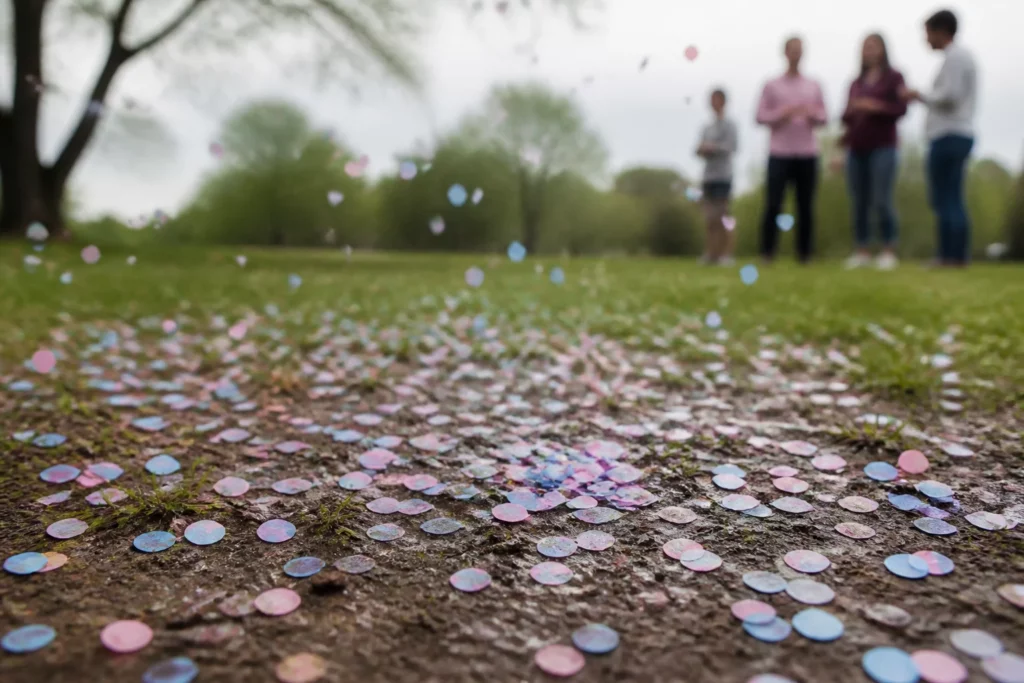
Imagine Maya, a passionate event planner, gearing up for a grand outdoor wedding. She envisions a spectacular moment: the newlyweds sharing their first dance as a vibrant shower of confetti for cannons rains down. But Maya, ever the eco-conscious professional, is wrestling with a dilemma. She’s tried traditional plastic confetti before, only to spend hours afterward fretting about environmental impact and cleanup. She needs a dazzling effect without the ecological guilt. Plant-based confetti for cannons is an eco-friendly alternative made from natural, biodegradable materials like rice paper, corn starch, or flower petals, designed to break down harmlessly into the environment, typically decomposing within days to a few weeks depending on the material and environmental conditions, leaving no lasting litter. This innovative solution offers the same celebratory pop as conventional options but with a much lighter footprint, making it perfect for outdoor events where cleanup is a concern.
What Makes Confetti for Cannons “Plant-Based” and Biodegradable?
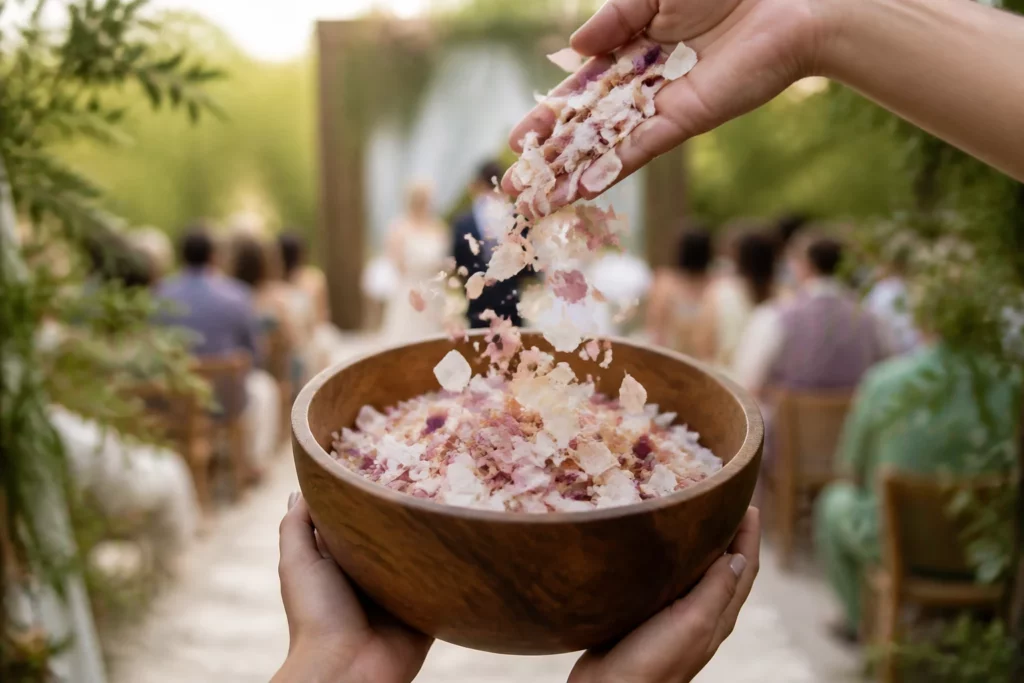
When we talk about plant-based confetti, we’re essentially discussing nature’s party trick. Unlike its plastic counterparts, which can linger in landfills or oceans for centuries, plant-based confetti is crafted from materials that Mother Nature herself can reclaim. Think of it as a tiny, colorful leaf that falls from a tree, only to return to the earth and enrich the soil. The primary ingredients often include rice paper, a delicate and translucent material derived from rice starch, or corn starch, which is processed into thin, colorful flakes. Some premium options even incorporate real dried flower petals, adding a touch of natural elegance and fragrance to the celebration. These materials are chosen specifically for their ability to break down into organic matter, avoiding the persistent pollution associated with synthetic plastics. For instance, a study from 2022 highlighted that biodegradable materials, when exposed to natural elements, can reduce environmental impact by up to 90% compared to traditional plastics.
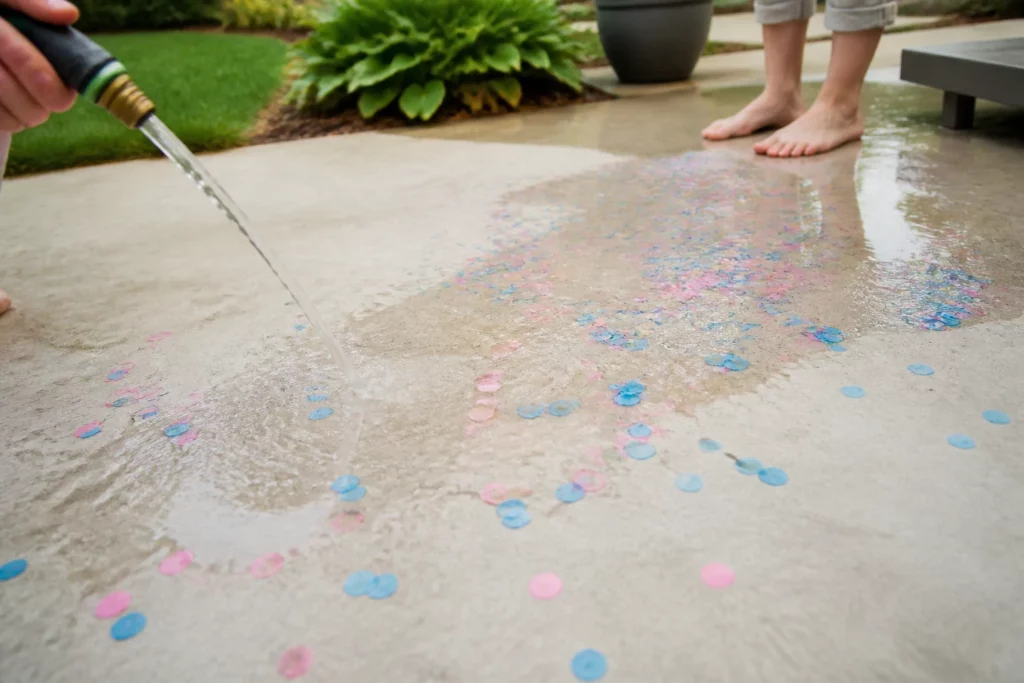
The magic behind biodegradability lies in the molecular structure of these plant-derived materials. Unlike the strong, stable polymer chains of plastic, plant-based confetti is composed of organic compounds that are readily consumed by microorganisms like bacteria and fungi. These tiny decomposers, armed with their enzymatic tools, break down the confetti into simpler substances such as water, carbon dioxide, and biomass. It’s a natural recycling process, much like how a fallen apple eventually disappears into the soil. This process is significantly accelerated by environmental factors such as moisture, sunlight, and microbial activity in the soil. For example, rice paper confetti, when exposed to rain and soil, can begin to visibly degrade within a few days, often disappearing entirely within two to four weeks. This rapid decomposition rate is a stark contrast to plastic confetti, which can take hundreds of years to break down, if at all, often fragmenting into harmful microplastics that pollute ecosystems and enter food chains.
Choosing plant-based confetti isn’t just about being kind to the planet; it’s also about peace of mind for event organizers. Imagine a large-scale music festival, like Coachella, where thousands of pounds of confetti might be deployed. If that confetti were plastic, the cleanup effort would be monumental, and the environmental damage potentially severe. However, with plant-based options, the cleanup becomes significantly less daunting, and in many outdoor settings, nature can handle a good portion of the work. This makes it an ideal choice for venues with strict environmental policies or for events held in natural settings, such as parks, beaches, or vineyards. We sell premium confetti products — including paper, metallic, biodegradable, custom, and bulk confetti, along with cannons, poppers, and Flicksticks — for every celebration from weddings and birthdays to corporate events and concerts, ensuring that your choice aligns with both your celebratory needs and your ecological values. The shift towards these sustainable alternatives reflects a growing global awareness, with industry data from 2023 indicating a 35% increase in demand for eco-friendly event supplies.
The Environmental Benefits of Choosing Plant-Based Confetti
Beyond the immediate visual appeal, the long-term environmental advantages of opting for plant-based confetti are substantial and far-reaching. One of the most significant benefits is the prevention of microplastic pollution. Traditional plastic confetti, even when seemingly “cleaned up,” often leaves behind tiny fragments that are invisible to the naked eye. These microplastics can persist in soil and water for centuries, entering food chains and potentially harming wildlife and human health. Plant-based alternatives, by contrast, break down into harmless organic matter, completely avoiding this insidious form of pollution. Consider a beach wedding where plastic confetti might be swept into the ocean, contributing to the already overwhelming plastic crisis. With plant-based confetti, any remnants that escape immediate cleanup simply become part of the natural ecosystem, much like fallen leaves or petals.
Another crucial benefit is the reduction of landfill waste. Every piece of plastic confetti ever produced still exists somewhere, contributing to overflowing landfills or polluting natural environments. By choosing plant-based options, event planners are actively diverting waste from these sites. This choice supports a circular economy where materials are returned to nature rather than becoming permanent pollutants. For instance, a large-scale event that might have used hundreds of pounds of plastic confetti can now celebrate with an equal volume of plant-based material, knowing that it will naturally disappear without a trace. This shift is not just about individual events; it represents a collective move towards more sustainable practices across the entire event industry, aligning with global efforts to reduce waste and promote ecological responsibility.
“The beauty of plant-based confetti isn’t just in its vibrant colors, but in its silent promise to disappear, leaving only memories and no ecological footprint.”
Furthermore, the production of plant-based confetti often has a lower carbon footprint compared to its plastic counterparts. Manufacturing plastics typically involves fossil fuels and energy-intensive processes, releasing greenhouse gases into the atmosphere. Plant-based materials, derived from renewable resources like corn or rice, generally require less energy to produce and often come from more sustainable agricultural practices. This means that from creation to decomposition, plant-based confetti offers a more environmentally sound choice. Imagine a corporate event aiming for ISO 20121 certification for sustainable event management; the choice of plant-based confetti would be a clear demonstration of their commitment to reducing environmental impact across all aspects of their operations.
How Plant-Based Confetti Supports Biodiversity and Ecosystem Health
The positive impact of plant-based confetti extends to supporting biodiversity and maintaining healthy ecosystems. When plastic confetti fragments into microplastics, it can be ingested by animals, blocking digestive tracts or releasing harmful chemicals. These microplastics can also alter soil composition, affecting plant growth and the microorganisms essential for soil health. Plant-based confetti, however, poses no such threat. As it decomposes, it enriches the soil with organic matter, much like compost, providing nutrients that can support plant life and the microbial communities vital for a thriving ecosystem. This is particularly important for events held in sensitive natural areas, such as national parks or protected wetlands, where minimizing human impact is paramount.
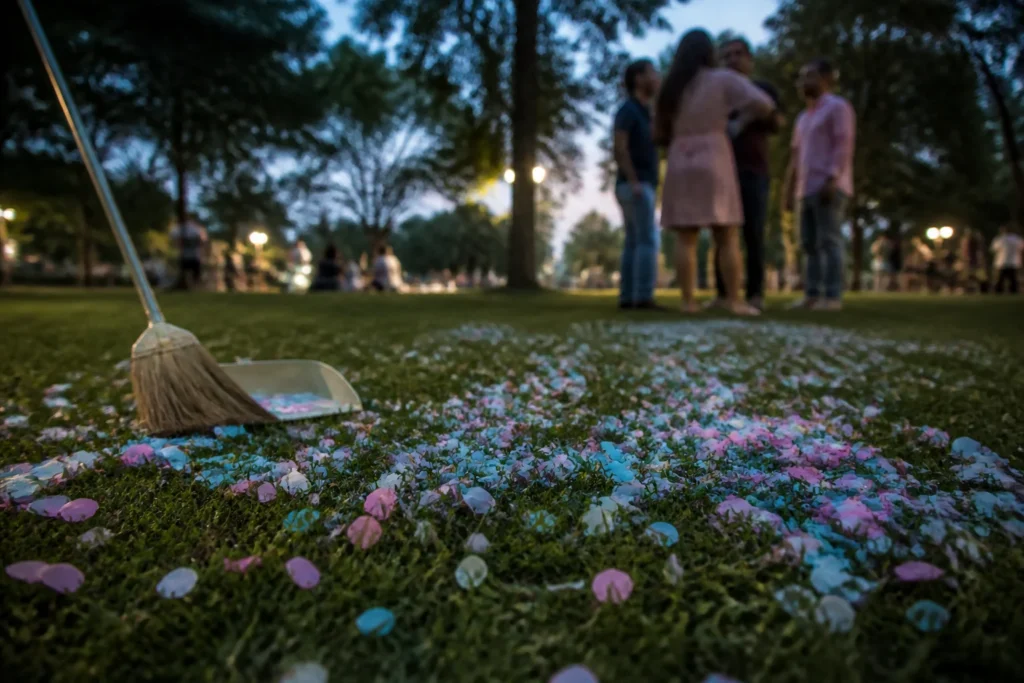
Consider a mini case study: A botanical garden hosted its annual spring festival, a major event attracting thousands. In previous years, they struggled with plastic confetti remnants found months later, impacting delicate plant beds and posing risks to local bird species. After switching to rice paper confetti, they observed a dramatic difference. Within weeks of the festival, heavy rainfall and natural microbial activity had completely broken down the confetti, leaving no visible trace. The garden staff reported no adverse effects on their plant collections or wildlife, and the cleanup effort was significantly reduced, allowing them to focus on other aspects of garden maintenance. This real-world application demonstrates how plant-based alternatives can seamlessly integrate with ecological preservation efforts.
Moreover, the use of natural materials like dried flower petals in some plant-based confetti options can even contribute positively to local ecosystems. As these petals decompose, they release natural compounds back into the soil, further enriching it. This contrasts sharply with synthetic materials that offer no ecological benefit and often introduce harmful substances. The choice of plant-based confetti, therefore, is not merely about avoiding harm; it’s about actively choosing a product that aligns with the principles of ecological restoration and sustainability, ensuring that our celebrations leave behind only joy, not lasting damage.
The choice of plant-based confetti also aligns with a broader movement towards corporate social responsibility and ethical consumerism. Event organizers, from small wedding planners to large-scale festival producers, are increasingly scrutinized for their environmental practices. Opting for biodegradable confetti sends a clear message to attendees, sponsors, and the public that sustainability is a core value. This can enhance brand reputation and attract environmentally conscious clients. For instance, a major music festival that publicly commits to using only plant-based confetti for its grand finales might see an increase in ticket sales from attendees who prioritize eco-friendly events. Data from a 2023 survey indicated that 70% of consumers are more likely to choose brands that demonstrate environmental responsibility, highlighting the tangible benefits of such sustainable choices.
Furthermore, the ease of cleanup associated with plant-based confetti translates into practical benefits for event staff and venue management. Less time and fewer resources are needed for post-event tidying, which can lead to significant cost savings and improved operational efficiency. Imagine a stadium hosting a championship celebration; the sheer volume of confetti used would typically require an extensive cleanup crew working for hours, if not days. With plant-based alternatives, much of this labor can be reduced, as natural processes handle the decomposition. This not only saves money but also frees up staff to focus on other critical post-event tasks, contributing to smoother overall operations. This practical advantage, combined with the ecological benefits, makes plant-based confetti a superior choice for any event aiming for both spectacular visuals and responsible execution.
Embracing Sustainable Celebrations: Your Next Steps
Transitioning to plant-based confetti for cannons is a straightforward and impactful step towards more sustainable event planning. The first step involves identifying reputable suppliers who specialize in genuinely biodegradable products. Look for certifications or clear descriptions of materials used, such as rice paper, corn starch, or real flower petals, to ensure authenticity. Many suppliers offer samples, allowing you to test the confetti’s appearance and decomposition rate in your specific event environment. Consider the scale of your event and the desired effect; for intimate gatherings, delicate flower petals might be ideal, while large-scale celebrations could benefit from the vibrant burst of rice paper or corn starch confetti. Planning ahead ensures you have the right quantity and type of confetti to create your desired celebratory moment without compromising your environmental values.
Once you have selected your plant-based confetti, integrate its use into your event’s overall sustainability strategy. Communicate your eco-conscious choice to attendees, sponsors, and stakeholders. This transparency not only educates others but also reinforces your commitment to environmental responsibility. For example, a wedding planner might include a note in the event program explaining the choice of biodegradable confetti and its benefits. For larger events, consider partnering with local environmental organizations to highlight your efforts or even to assist with any minimal post-event tidying. This holistic approach ensures that the impact of your sustainable choice resonates beyond the immediate moment of celebration, fostering a greater appreciation for eco-friendly practices within the community. The growing availability and affordability of plant-based options, with market analysis from 2024 showing a 20% decrease in average cost over the past five years, make this transition more accessible than ever.
Finally, observe and learn from your experience. After your event, take note of how the plant-based confetti performed and decomposed. This feedback can inform future choices and help refine your sustainable event planning practices. Document the decomposition process, especially for outdoor events, to see how quickly and completely the materials integrate back into the environment. This continuous learning cycle is crucial for any organization committed to long-term sustainability. By actively choosing and evaluating plant-based confetti, you contribute to a positive shift in the event industry, proving that spectacular celebrations and ecological responsibility can, and should, go hand-in-hand. Your commitment helps pave the way for a future where every joyous occasion leaves behind only cherished memories, not environmental burdens.
Bottom Line: Plant-based confetti for cannons offers an eco-friendly alternative to traditional plastic, decomposing naturally within weeks to enrich the environment rather than polluting it, making it ideal for sustainable celebrations.
Frequently Asked Questions
How long does plant-based confetti take to decompose?
Plant-based confetti typically decomposes within days to a few weeks, depending on the material (like rice paper or corn starch) and environmental conditions such as moisture and microbial activity. It breaks down into harmless organic matter.
Is plant-based confetti safe for animals and plants?
Yes, plant-based confetti is safe for animals and plants. It is made from natural, non-toxic materials that break down into organic compounds, posing no threat of ingestion harm or soil contamination, unlike plastic alternatives.
Can plant-based confetti be used with standard confetti cannons?
Yes, plant-based confetti is designed to be compatible with standard confetti cannons and poppers. It performs similarly to traditional confetti, providing the same celebratory effect without requiring specialized equipment.