AnswerConfetti Safety: Avoiding Choking Hazards
Confetti adds a festive touch to celebrations, from birthday parties to New Year's Eve gatherings. However, the small size and enticing colors of party confetti can pose a significant choking hazard, especially for young children and pets.
TL;DR
- Confetti Safety: Avoiding Choking Hazards
Confetti adds a festive touch to celebrations, from birthday parties to New Year's Eve gatherings.
- However, the small size and enticing colors of party confetti can pose a significant choking hazard, especially for young children and pets.
- Understanding the risks and taking preventative measures is crucial to ensure a safe and enjoyable event for everyone.
- This article explores the dangers associated with confetti, provides practical safety tips, and answers frequently asked questions to help you celebrate responsibly.
- Understanding the Risks of Party Confetti
The primary danger associated with party confetti is the risk of choking, particularly for children under the age of three.
Confetti Safety: Avoiding Choking Hazards
Confetti adds a festive touch to celebrations, from birthday parties to New Year’s Eve gatherings. However, the small size and enticing colors of party confetti can pose a significant choking hazard, especially for young children and pets. Understanding the risks and taking preventative measures is crucial to ensure a safe and enjoyable event for everyone. This article explores the dangers associated with confetti, provides practical safety tips, and answers frequently asked questions to help you celebrate responsibly.
Understanding the Risks of Party Confetti
The primary danger associated with party confetti is the risk of choking, particularly for children under the age of three. Young children explore the world by putting things in their mouths, and the small, lightweight nature of confetti makes it easily inhaled or swallowed. According to the American Academy of Pediatrics, choking is a leading cause of injury and death for young children, and small objects like confetti are a common culprit. The Consumer Product Safety Commission (CPSC) also highlights the importance of keeping small objects away from children to prevent accidental ingestion. Beyond choking, some types of confetti may contain dyes or materials that could be harmful if ingested, leading to potential allergic reactions or digestive issues. Therefore, careful selection and responsible use of confetti are essential for minimizing these risks.
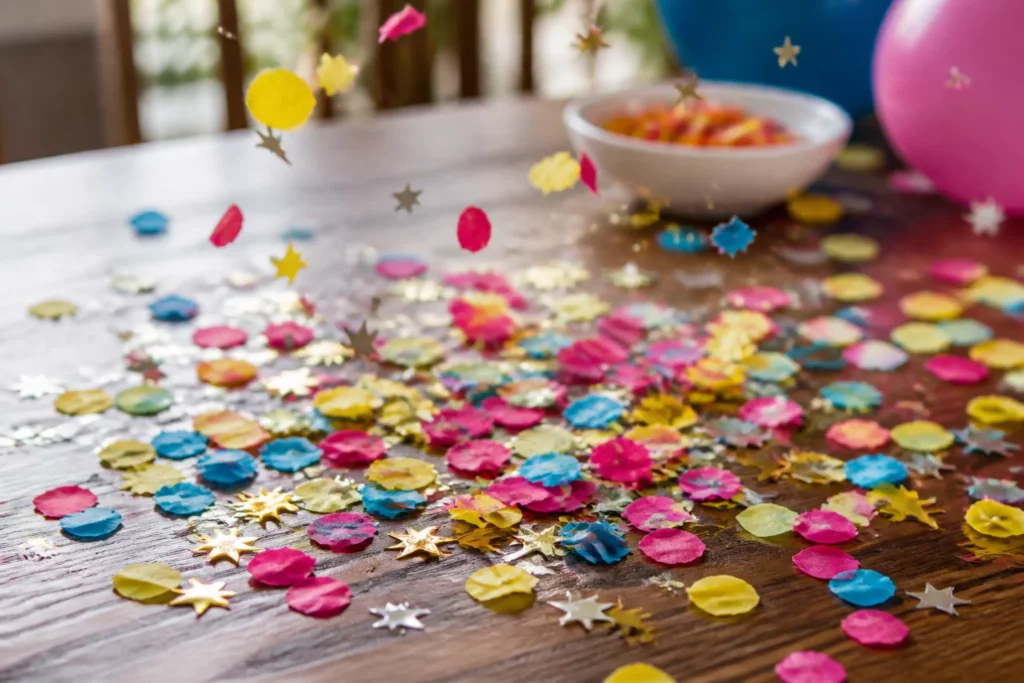
Beyond the immediate choking hazard, the material composition of party confetti can also present risks. Many commercially available confetti products are made from thin plastic or metallic materials. These materials are not biodegradable and can persist in the environment for extended periods, contributing to plastic pollution. If ingested, these materials can also cause irritation or even internal damage. For instance, metallic confetti can be particularly problematic as it does not break down in the digestive system and may cause discomfort or injury. Even seemingly harmless paper confetti can pose a risk if it contains non-toxic dyes that could cause allergic reactions in sensitive individuals. Therefore, it is crucial to consider the material composition of confetti and opt for safer, more environmentally friendly alternatives whenever possible. Biodegradable options made from rice paper or dried leaves are gaining popularity as safer and more sustainable choices.
The environment in which party confetti is used also plays a significant role in determining the level of risk. Indoor environments, especially those with poor ventilation, can concentrate airborne confetti particles, increasing the likelihood of inhalation. Outdoor environments, while seemingly safer, can lead to confetti scattering and becoming a littering hazard, potentially harming wildlife. Birds and small animals may mistake confetti for food, leading to ingestion and potential health problems. Furthermore, confetti scattered on lawns or gardens can contaminate the soil and hinder plant growth. A case study conducted by the Environmental Protection Agency (EPA) found that plastic confetti can take hundreds of years to decompose, contributing to microplastic pollution in soil and waterways. Therefore, it is essential to consider the environmental impact of confetti use and choose appropriate settings and disposal methods to minimize potential harm.
Safe Confetti Alternatives and Practices
While traditional party confetti poses certain risks, there are several safer and more environmentally friendly alternatives available. One popular option is biodegradable confetti made from rice paper or dried flower petals. These materials break down naturally over time, reducing the environmental impact and minimizing the risk of harm to wildlife. Another alternative is to use larger confetti pieces, which are less likely to be ingested or inhaled. For example, consider using large paper shapes or fabric scraps instead of small, finely cut confetti. These larger pieces are easier to clean up and pose a lower choking hazard. Furthermore, consider using natural alternatives like dried leaves, herbs, or spices for a fragrant and visually appealing effect. These natural options are not only safer but also add a unique and eco-friendly touch to your celebrations. Always supervise children closely when using any type of confetti, and ensure that it is cleaned up promptly after the event to prevent accidental ingestion or environmental contamination.
Implementing safe confetti practices is crucial for minimizing risks and ensuring a responsible celebration. One essential practice is to designate a specific area for confetti use, preferably away from young children and pets. This helps to contain the confetti and prevent it from scattering throughout the environment. Another important practice is to use confetti sparingly, avoiding excessive amounts that could increase the risk of inhalation or ingestion. When using confetti outdoors, be mindful of wind conditions and avoid using it on windy days, as this can cause it to scatter and become a littering hazard. After the event, promptly clean up all confetti debris, using a vacuum cleaner or broom to collect even the smallest pieces. Dispose of the confetti properly, following local waste management guidelines. If using biodegradable confetti, consider composting it to further reduce its environmental impact. By following these safe confetti practices, you can enjoy the festive atmosphere without compromising safety or environmental responsibility.
Educating guests about confetti safety is also an important aspect of responsible celebration. Before the event, inform guests about the potential risks associated with confetti and encourage them to supervise their children closely. Provide clear instructions on how to use and dispose of confetti safely. Consider displaying signage reminding guests to avoid throwing confetti near young children or pets. If using alternative confetti options, highlight their benefits and encourage guests to choose them over traditional confetti. For example, you could provide small bags of dried flower petals or rice paper confetti for guests to use. By raising awareness and promoting responsible confetti practices, you can create a safer and more enjoyable environment for everyone. Remember that open communication and clear guidelines are key to ensuring that all guests understand and adhere to confetti safety protocols.
First Aid for Confetti-Related Choking
Knowing how to respond in the event of a confetti-related choking incident is crucial. The American Red Cross and the American Heart Association offer comprehensive training courses on first aid for choking, including techniques like the Heimlich maneuver. If a child or adult is choking on confetti, the first step is to assess the severity of the situation. If the person is coughing forcefully, encourage them to continue coughing, as this is the body’s natural way of dislodging the object. However, if the person is unable to cough, speak, or breathe, immediate intervention is necessary. For adults and children over one year old, perform the Heimlich maneuver by standing behind the person, placing your arms around their waist, making a fist with one hand, and placing it slightly above their navel. Grasp your fist with your other hand and give quick, upward thrusts into the abdomen. Repeat until the object is dislodged or the person becomes unconscious. For infants under one year old, alternate between five back blows and five chest thrusts. Hold the infant face down along your forearm, supporting their head and jaw. Deliver firm back blows between the shoulder blades using the heel of your hand. Then, turn the infant face up and deliver five chest thrusts using two fingers in the center of the chest, just below the nipple line. Continue these steps until the object is dislodged or the infant becomes unconscious. If the person becomes unconscious, call emergency services immediately and begin CPR. Remember that time is of the essence in a choking emergency, and prompt action can save a life.
“During a family birthday party, my niece, who was two years old, started choking after grabbing a handful of confetti. Luckily, I had recently taken a CPR and choking first aid course. I quickly assessed the situation and performed back blows, which dislodged the confetti. It was a terrifying experience, but knowing what to do made all the difference,” recalls Sarah M., a mother from Chicago.
It’s also important to be aware of the signs of partial airway obstruction. These signs may include difficulty breathing, wheezing, or a high-pitched sound when inhaling. If someone is experiencing a partial airway obstruction, encourage them to cough forcefully and monitor their condition closely. Avoid interfering if they are able to cough effectively, as this could potentially dislodge the object further down the airway. However, if their condition worsens or they become unable to cough, treat it as a complete airway obstruction and initiate the appropriate first aid measures. Regular refresher courses on first aid for choking can help you stay prepared and confident in your ability to respond effectively in an emergency.
Choosing Safer Confetti Materials
Selecting the right type of confetti can significantly reduce the risks associated with its use. Traditional plastic and metallic confetti pose the greatest hazards due to their non-biodegradable nature and potential for ingestion-related injuries. Opting for biodegradable alternatives is a responsible choice for both safety and environmental reasons. Rice paper confetti is a popular option, as it is lightweight, dissolves easily in water, and is generally considered safe if ingested in small quantities. Dried flower petals are another excellent choice, offering a natural and visually appealing alternative. They are biodegradable, non-toxic, and add a fragrant touch to your celebrations. Seed paper confetti, embedded with wildflower seeds, is a unique and eco-friendly option that allows you to celebrate while also contributing to environmental conservation. After the event, the seed paper can be planted, providing a lasting reminder of the celebration and supporting local ecosystems.
Consider the following comparison of different confetti materials:
| Material |
Biodegradable |
Choking Hazard |
Environmental Impact |
Cost |
| Plastic Confetti |
No |
High |
High (Pollution) |
Low |
| Metallic Confetti |
No |
High |
High (Pollution) |
Medium |
| Rice Paper Confetti |
Yes |
Low |
Low |
Medium |
| Dried Flower Petals |
Yes |
Low |
Low |
Medium to High |
| Seed Paper Confetti |
Yes |
Low |
Very Low (Beneficial) |
High |
When choosing confetti, also consider the size and shape of the pieces. Larger confetti pieces are less likely to be ingested or inhaled, reducing the choking hazard. Avoid confetti with sharp edges or small, intricate designs that could pose a risk of injury. Opt for simple, rounded shapes that are easy to clean up and less likely to cause harm. You can even create your own custom confetti using a paper punch and biodegradable materials like leaves or recycled paper. This allows you to control the size, shape, and material of the confetti, ensuring that it is safe and environmentally friendly.
Confetti Cleanup and Disposal
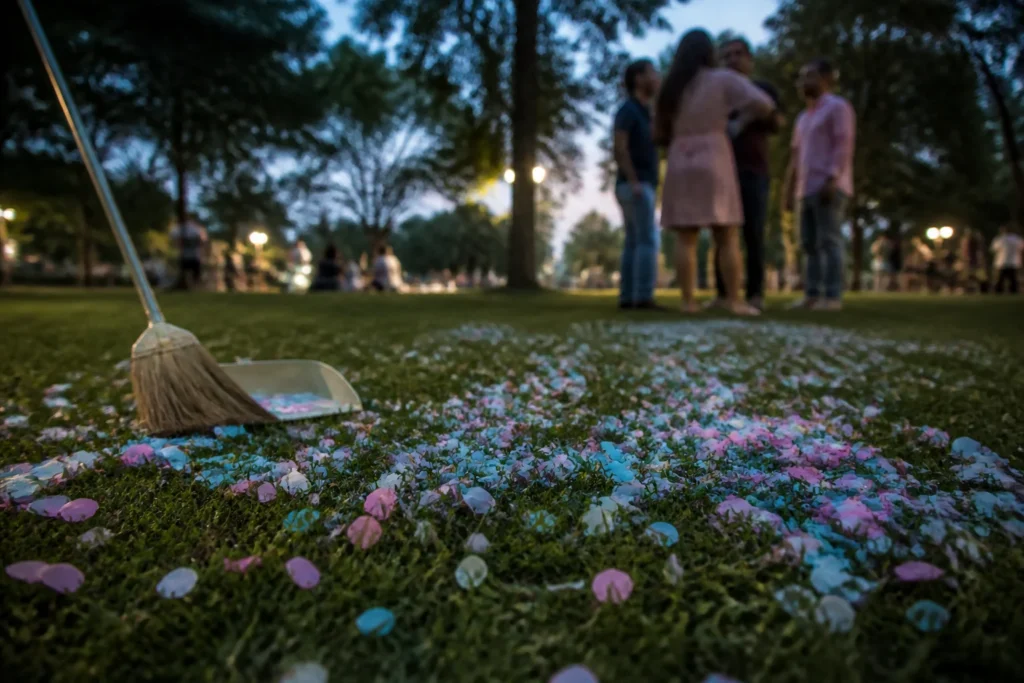
Proper cleanup and disposal of confetti are essential for preventing accidental ingestion and minimizing environmental impact. After the celebration, promptly collect all confetti debris using a vacuum cleaner, broom, or lint roller. Pay close attention to areas where children and pets may have access, such as carpets, rugs, and furniture. For outdoor events, use a leaf blower or rake to gather the confetti into piles for easy collection. When cleaning up confetti, wear gloves to protect your hands from potential irritants or dyes.
Here are some tips for effective confetti cleanup:
1. **Designate a cleanup crew:** Enlist the help of friends or family members to expedite the cleanup process.
2. **Use appropriate tools:** Vacuum cleaners are effective for indoor cleanup, while leaf blowers and rakes are suitable for outdoor areas.
3. **Check hidden areas:** Look under furniture, behind curtains, and in corners to ensure that all confetti is removed.
When disposing of confetti, follow local waste management guidelines. Biodegradable confetti can be composted, providing a nutrient-rich soil amendment for your garden. Non-biodegradable confetti should be disposed of in the trash. Avoid flushing confetti down the toilet, as this can clog plumbing systems and contribute to water pollution. Consider using a mesh bag or strainer to collect confetti from drains and prevent it from entering the sewer system. By implementing responsible cleanup and disposal practices, you can minimize the environmental impact of confetti and ensure a safe and clean environment for everyone.
Mini Case Study: A Confetti-Free Celebration
The Johnson family decided to host a completely confetti-free birthday party for their one-year-old child after learning about the choking hazards associated with traditional confetti. Instead of confetti, they opted for bubble machines, colorful streamers, and large, inflatable balloons to create a festive atmosphere. They also encouraged guests to bring noisemakers and musical instruments to add to the celebratory ambiance. The party was a resounding success, with children and adults alike enjoying the alternative forms of entertainment. The Johnsons received positive feedback from guests, who appreciated their commitment to safety and environmental responsibility. This case study demonstrates that it is possible to create a fun and memorable celebration without relying on traditional confetti, while also prioritizing the well-being of children and the environment.
Understanding the Risks of Party Confetti
While the festive appeal of party confetti is undeniable, it’s crucial to acknowledge the potential risks associated with its use, particularly concerning choking hazards and environmental impact. Traditional confetti, often made from plastic or metallic materials, poses a significant threat to young children and pets due to its small size and enticing appearance. These materials are not biodegradable and can persist in the environment for hundreds of years, contributing to pollution and harming wildlife. Moreover, the sharp edges of some confetti pieces can cause injury if ingested or inhaled. Even seemingly harmless paper confetti can be problematic if it contains non-toxic dyes that may trigger allergic reactions in sensitive individuals. Therefore, a comprehensive understanding of these risks is essential for making informed decisions about confetti use and implementing appropriate safety measures.
The size and shape of confetti particles play a crucial role in determining the level of risk. Small, finely cut confetti is more likely to be inhaled or ingested, increasing the risk of choking or other health problems. Confetti with sharp edges or intricate designs can also pose a risk of injury, particularly if it comes into contact with the eyes or skin. The material composition of confetti is another important factor to consider. Plastic and metallic confetti are non-biodegradable and can persist in the environment for extended periods, contributing to pollution and harming wildlife. Biodegradable options, such as rice paper or dried flower petals, are a safer and more environmentally friendly alternative. Furthermore, the presence of dyes or other chemicals in confetti can also pose a risk, particularly for individuals with allergies or sensitivities. Always check the label for any potential allergens or irritants before using confetti.
The setting in which confetti is used also influences the level of risk. Indoor environments with poor ventilation can concentrate airborne confetti particles, increasing the likelihood of inhalation. Outdoor environments, while seemingly safer, can lead to confetti scattering and becoming a littering hazard, potentially harming wildlife. Birds and small animals may mistake confetti for food, leading to ingestion and potential health problems. Furthermore, confetti scattered on lawns or gardens can contaminate the soil and hinder plant growth. A study conducted by the National Oceanic and Atmospheric Administration (NOAA) found that microplastics, including those from confetti, are increasingly prevalent in marine environments, posing a threat to marine life and potentially entering the food chain. Therefore, it is essential to consider the environmental impact of confetti use and choose appropriate settings and disposal methods to minimize potential harm.
Safer Alternatives for Party Confetti
Fortunately, numerous safer and more environmentally friendly alternatives to traditional party confetti exist, allowing you to celebrate without compromising safety or sustainability. Biodegradable confetti made from rice paper or dried flower petals is a popular choice, as these materials break down naturally over time, reducing the environmental impact and minimizing the risk of harm to wildlife. Seed paper confetti, embedded with wildflower seeds, is another innovative option that allows you to celebrate while also contributing to environmental conservation. After the event, the seed paper can be planted, providing a lasting reminder of the celebration and supporting local ecosystems. Larger confetti pieces, such as paper shapes or fabric scraps, are less likely to be ingested or inhaled, reducing the choking hazard.
Natural alternatives like dried leaves, herbs, or spices offer a fragrant and visually appealing effect, adding a unique and eco-friendly touch to your celebrations. Consider using autumn leaves in fall colors for a Thanksgiving celebration, or fragrant lavender buds for a wedding send-off. These natural options are not only safer but also add a distinctive sensory experience to your event. Bubble machines provide a fun and interactive alternative to confetti, creating a whimsical atmosphere without any of the associated risks. Streamers and ribbons are another great option, adding color and movement to your celebration without posing a choking hazard or environmental threat. LED balloons can create a magical ambiance, especially for evening events, and can be reused or disposed of responsibly after the celebration.
When selecting confetti alternatives, consider the specific needs and preferences of your guests, as well as the overall theme and style of your event. For children’s parties, prioritize options that are non-toxic, biodegradable, and easy to clean up. For outdoor events, choose alternatives that are less likely to scatter and become a littering hazard. For formal occasions, opt for elegant and sophisticated alternatives that complement the overall aesthetic. Remember that the goal is to create a festive and enjoyable atmosphere while also prioritizing safety and environmental responsibility. By exploring the wide range of available alternatives, you can find the perfect confetti solution for your next celebration.
Unleash Joy Responsibly: Celebrate Without the Worry
Planning a party should be fun, not stressful. By choosing safer confetti alternatives, practicing responsible usage, and educating your guests, you can create a joyful and memorable celebration without compromising safety or the environment. From biodegradable options to creative alternatives, there are countless ways to add a festive touch to your event while minimizing risks.
Ready to party responsibly? What creative confetti alternative will you try at your next celebration to ensure a safe and sustainable event for everyone?
Q: Is rice paper confetti really safe for the environment?
A: Yes, rice paper confetti is biodegradable and breaks down naturally, minimizing its environmental impact.
Q: What should I do if a child swallows confetti?
A: If the child is coughing forcefully, encourage them to continue coughing. If they are unable to cough, speak, or breathe, perform the Heimlich maneuver and seek immediate medical attention.
Q: Can I compost biodegradable confetti?
A: Yes, biodegradable confetti made from materials like rice paper or dried flower petals can be composted.
Q: Are there any confetti alternatives that are also good for the environment?
A: Yes, seed paper confetti is embedded with wildflower seeds and can be planted after the event, contributing to environmental conservation.